
Washington Is Quietly Rewriting the Rules for AI Chips — Here’s What’s Coming

The Commerce Department has confirmed new Commerce Department chip regulation is coming for artificial-intelligence hardware. Officials are staying deliberately vague on timing and targets. The signal follows a rule that already took effect January 15, 2026. That rule lets the Bureau of Industry and Security review license applications for advanced AI chips bound for China and Macau. Officials handle each application case by case. Exporters must first meet a set of supply, security and testing conditions. A further rule is expected. No formal date has been set.

What the Commerce Department has actually confirmed

A Commerce Department official confirmed that regulatory action targeting chips and artificial intelligence is coming. The confirmation stayed thin on specifics by design. Officials gave no formal rulemaking date. They also gave no defined target list.

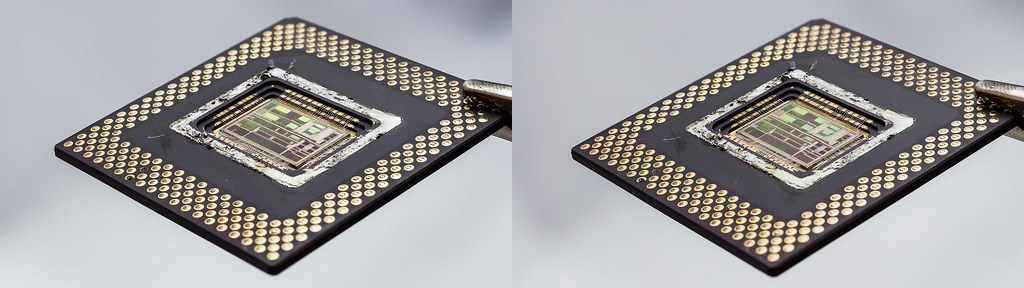
Semiconductor wafer technology tied to Commerce Department chip regulation

How the current Commerce Department chip regulation already works

The Bureau of Industry and Security’s rule took effect January 15, 2026. It changed the export-license review policy for certain advanced computing semiconductors destined for China and Macau. Officials now evaluate license applications for specific AI chips case by case. Exporters must meet a series of supply, security and testing conditions first.

Why officials are staying vague on specifics

Commerce Department officials confirmed harsh new AI export rules are coming. At the same time, they explicitly denied reports that the administration plans to revive the Biden-era AI Diffusion Rule. That denial came from officials responding to reporting on the confirmation. Officials describe the coming approach as a new, separate framework for strategic AI accelerator export controls. They say it is not a return to the earlier rule.

Who this affects first

Chipmakers with significant AI accelerator sales bound for China face the most direct exposure. That includes firms like Nvidia and AMD, both exposed to any tightening of the current case-by-case review process. Cloud providers and enterprise buyers could also feel indirect effects. Many of them depend on those chips for AI infrastructure outside the US, so longer licensing timelines or stricter approval conditions would touch them too.

Why chip export policy keeps shifting

US policy on advanced AI chip exports has moved through several iterations in recent years. It reflects an ongoing balancing act. National-security concerns sit on one side. The commercial interests of American chipmakers sit on the other, since these firms rely heavily on international sales, including to China. Each round of rulemaking draws public comment from industry groups. They warn about losing market share to non-US competitors. National-security voices push back the other way, arguing for tighter controls. That tension will likely shape whatever the Commerce Department proposes next. Previous rounds of chip export policy have also triggered retaliatory measures and workaround strategies from affected buyers. That history makes each new rule as much a diplomatic and commercial calculation as a technical one.

What happens once a formal rule appears

Export-control rulemaking like this typically moves through a formal proposal and comment process before taking effect. Industry pushback tends to follow once specifics get published. No timeline has been set publicly for that next step. Still, the January 2026 rule offers a template for how any new case-by-case licensing framework might look.

What companies can do while they wait

Chipmakers and their customers cannot yet plan around specific new terms, since none have been published. Legal and trade-compliance teams typically use this waiting period to review how the current January 2026 licensing framework has applied to their own shipments. That groundwork often makes it easier to respond quickly once a formal proposal appears and a public comment window opens. Companies with large China-linked AI hardware businesses have historically been among the most active participants in these comment periods, given how directly the rules affect their revenue.

How markets have reacted to past chip-policy signals

Chip stocks have moved on export-policy headlines before, even without a finalized rule in hand. A confirmed signal from the Commerce Department, absent specifics, tends to produce a milder market reaction than an actual published rule. Traders generally wait for the formal proposal before repricing individual stocks, since the eventual details, not the advance warning, determine which companies gain or lose the most.

AI chip export rules: quick answers

What is the Bureau of Industry and Security?

It is the arm of the US Commerce Department responsible for administering export controls, including on advanced semiconductors.

Did the US bring back the AI Diffusion Rule?

No. Commerce Department officials denied that. They describe the coming approach as new and separate from the Biden-era rule.

Which chips are affected right now?

Advanced AI accelerators bound for China and Macau. Officials currently review them case by case under the rule that took effect January 15, 2026.

When will the new Commerce Department chip regulation take effect?

No date has been set publicly as of this report.

Does this affect Nvidia specifically?

Yes, indirectly. Nvidia sells substantial AI hardware bound for China, which puts it directly in the path of any further tightening.

Where can I read the current export rule in detail?

Legal analyses of the January 2026 rule break down the current case-by-case review conditions. Firms that track export-control policy publish these regularly.
Related coverage on Tamara News

Nvidia Reports Earnings Today — Here’s the Number That Could Move the Whole Market

Nvidia reports fiscal 2027 second-quarter results after markets close today. Investors call it the most closely watched Nvidia earnings report today of the year. Wall Street expects revenue near $92.2 billion, up roughly 97% from a year earlier. Analysts forecast earnings of about $2.09 a share — nearly double what Nvidia posted in the same quarter last year. Nvidia’s own guidance, issued in May, pointed to revenue of $91 billion, plus or minus 2%. Nvidia’s chips sit at the center of the AI buildout. That’s why investors read today’s numbers as a referendum on the entire AI trade, not just one company’s quarter.

Why Nvidia earnings report today matters beyond Nvidia

Nvidia’s results ripple through chipmakers, cloud providers and other AI-linked stocks. So much of the current data-center spending boom runs through Nvidia’s GPUs. A beat or a miss today tends to move sentiment across the whole sector, not just Nvidia’s own share price.

Semiconductor chip factory floor, ahead of the Nvidia earnings report today

What analysts are forecasting

Consensus estimates point to roughly $92.2 billion in revenue, up about 97.4% year over year. Analysts expect earnings near $2.09 per share — almost double the figure Nvidia reported in the same quarter a year ago. Nvidia’s own May guidance called for revenue of $91 billion, plus or minus 2%. That means Wall Street currently expects Nvidia to land at or slightly above its own target range.

The data center number to watch

Most of Nvidia’s growth should come from its data center business. GPU demand for AI workloads has stayed strong there. Investors and analysts will watch that segment specifically today. It’s the clearest signal of whether AI infrastructure spending is still accelerating or starting to plateau. A slowdown in that single segment would carry more weight with investors than almost any other line in Nvidia’s earnings report, given how much of the company’s total revenue now flows through data center GPU sales.

How the AI capex boom shapes today’s expectations

Nvidia’s results arrive as chipmakers across the industry lean on debt markets to fund AI infrastructure buildouts. That trend has drawn growing scrutiny from analysts, who question how sustainable current spending levels really are. This backdrop explains why today’s report carries weight well beyond Nvidia’s own balance sheet. If data-center demand shows any sign of cooling, the effect would ripple through the financing assumptions behind much of the sector’s current expansion plans.

How the stock has moved around past reports

Nvidia shares have a history of sharp moves in either direction right after quarterly results. That pattern has held across multiple reports this year. It’s one reason today’s release draws attention well beyond Nvidia’s own shareholder base.

What happens after the numbers land

Nvidia expects to post results around 4:20 to 4:30 p.m. Eastern time. The report also lands one day before the Jackson Hole Economic Policy Symposium, running August 27–29. Federal Reserve officials will face close scrutiny there for hints on the September rate decision. That gives markets two connected catalysts inside the same week. Investors will parse both Nvidia’s guidance for the current quarter and any commentary on AI capital-spending trends heading into fall.

What a beat or a miss would mean for the broader market

A strong report today would likely reassure investors that AI-related capital spending still has room to run into next year. A miss, or cautious guidance for the coming quarter, could reignite debate over whether the AI buildout has outpaced actual demand. Either outcome will shape trading well beyond Nvidia’s own stock price, since many other chip and cloud companies now get measured against Nvidia’s numbers as an implicit benchmark. That is part of why traders describe today’s report as one of the most consequential single events on this quarter’s earnings calendar.

Nvidia earnings: your questions answered

When does Nvidia report earnings today?

After the market closes on Wednesday, August 26, 2026. Results typically post around 4:20 to 4:30 p.m. Eastern time.

What revenue is Wall Street expecting?

Consensus estimates point to roughly $92.2 billion, up about 97% from the same quarter a year earlier.

Why does Nvidia’s report move other stocks?

Nvidia’s GPUs underpin much of the current AI data-center buildout. That makes its results a widely watched signal for the broader AI capital-spending trend.

What guidance did Nvidia previously give for this quarter?

In its first-quarter fiscal 2027 report, Nvidia guided to revenue of $91 billion for the quarter, plus or minus 2%.

Does this report affect the Federal Reserve’s decisions?

Not directly. But it lands just before the Jackson Hole symposium, where investors will parse Fed commentary ahead of the September rate meeting.

Should investors expect the stock to move sharply?

Nvidia shares have moved significantly after several recent quarterly reports — a pattern many investors are watching for again today.

What to watch beyond the headline numbers

Beyond revenue and earnings per share, investors will scan Nvidia’s commentary for supply constraints, export-rule impacts, and demand signals from major cloud customers. Executives often use the earnings call to address questions that raw numbers can’t answer, including how export controls on chips bound for China are shaping near-term sales. Any comment on that front today would connect directly to the export-policy questions already facing the wider chip sector.

Related coverage on Tamara News