
Replio · AI customer support
Never lose a customer to a missed message
An AI agent trained on your own business, replying in seconds, in any language, on every channel your customers already use.
The Jackson Hole economic symposium opened on August 27, 2026, in Wyoming. Investors are parsing every word for hints about where US interest rates go next. This year’s gathering, hosted by the Federal Reserve Bank of Kansas City, carries extra weight. It is the first edition under new Fed Chair Kevin Warsh, who took over the role in May 2026.
The three-day event runs through August 29. Organizers set this year’s theme as “Financial Innovation: Implications for Payments and Policy.” It brings together central bankers, academics and market economists from around the world. The symposium itself makes no policy decisions. But remarks from sitting Fed chairs have repeatedly moved bond and equity markets in the past. That history is why this year’s speeches are drawing outsized attention.
What the Jackson Hole economic symposium is
The Kansas City Fed has hosted the symposium since 1978. It has become one of the most closely watched fixtures on the global economic calendar. Central bank governors, finance ministers and leading academic economists present research there. They also hold closed-door discussions on the year’s defining monetary policy questions. In past years, symposium speeches previewed major shifts in Fed thinking well before those shifts showed up in official policy statements.
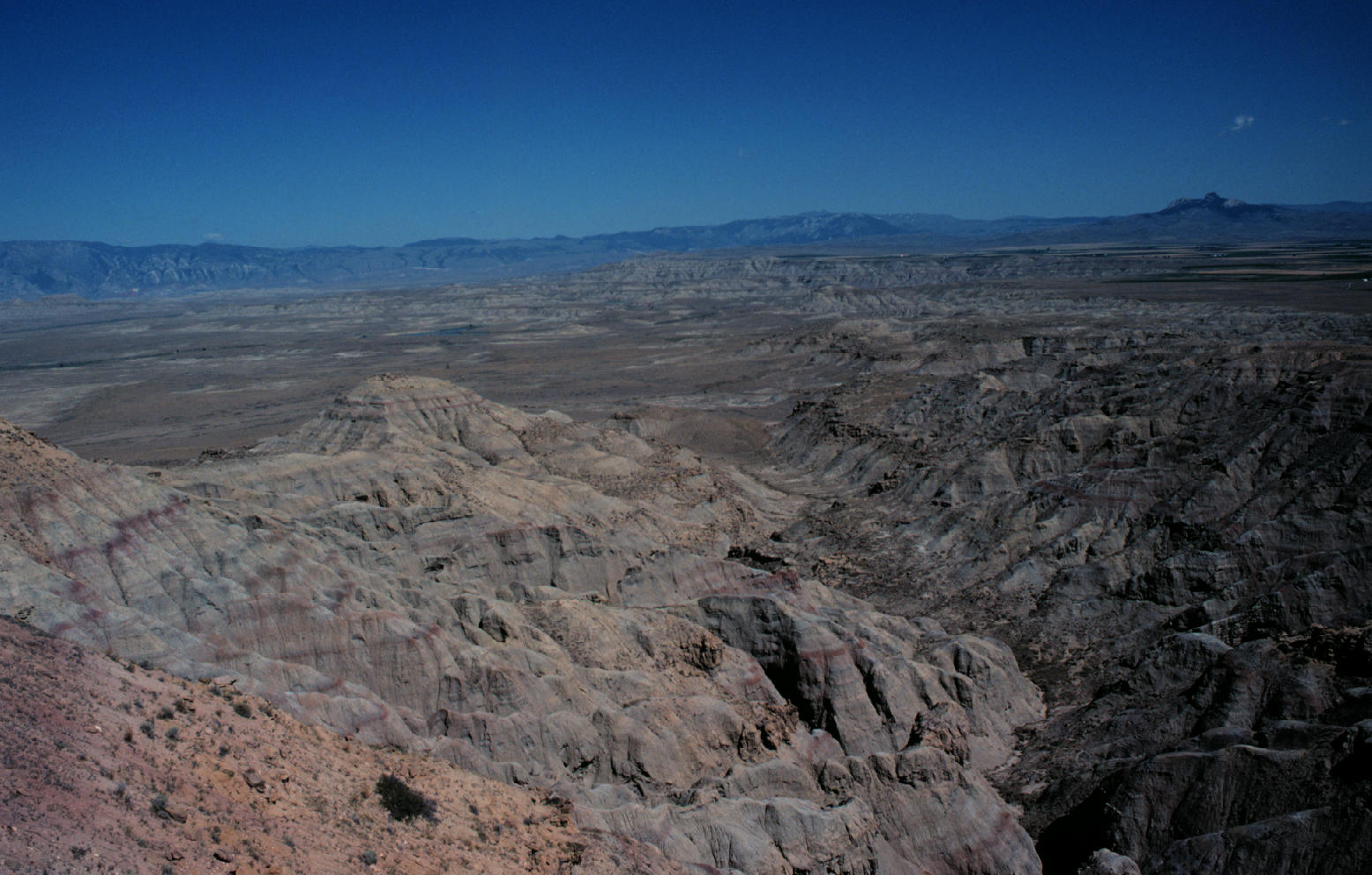
A new Fed chair’s first turn at the podium
Markets are watching Kevin Warsh’s appearance at this year’s symposium closely. It gives investors a chance to get a clearer read on his approach after just a few months in the role. Warsh takes over at a moment when the Fed faces competing pressures. Inflation still runs above target in several major economies. And Fed officials disagree internally over whether the next move should be a cut, or, as some Federal Open Market Committee members argue, a further hike.
Why this year’s theme is financial innovation and payments
Organizers chose “Financial Innovation: Implications for Payments and Policy” as the 2026 theme. That choice reflects how central banks globally are grappling with faster payment rails, stablecoins and central bank digital currencies. Sessions this year cover how these innovations affect monetary policy transmission and financial stability. They sit alongside the more traditional focus on growth, employment and inflation.
What markets are pricing in for September
The Fed left its target range unchanged at 3.50% to 3.75% at its late-July meeting. Three Federal Open Market Committee members dissented in favor of a 25 basis point increase, which underscores how divided the committee is. US inflation has stayed more than a percentage point above the Fed’s 2% target for over five years. That gap keeps alive a scenario where the Fed’s next move goes up, not down. Traders are watching Jackson Hole speeches for any signal on how that debate is shifting ahead of the Fed’s mid-September meeting.
What happens next after Jackson Hole
Once the symposium wraps on August 29, attention shifts fast to incoming jobs and inflation data. That data will land before the Fed’s September meeting. Analysts expect to parse Warsh’s remarks sentence by sentence in the days after the event, much as they have done with past chairs’ Jackson Hole speeches.
Replio · AI customer support
Your customers message at 2am. Answer them anyway.
An AI agent trained on your own business replies in seconds on WhatsApp, Instagram, Telegram and your website, in your customer’s language.
Jackson Hole 2026: quick answers for investors
What is the Jackson Hole symposium? An annual Kansas City Fed-hosted conference where central bankers and economists discuss major monetary policy issues.
When is it happening this year? August 27-29, 2026, themed “Financial Innovation: Implications for Payments and Policy.”
Who is the Fed chair this year? Kevin Warsh, who became Fed chair in May 2026; this is his first Jackson Hole appearance in the role.
Did the Fed raise or cut rates in August? Neither. There was no scheduled Fed meeting in August; rates stayed at 3.50%-3.75% from the late-July decision.
Why does the market care so much about this event? Past Fed chairs have used Jackson Hole speeches to signal policy shifts ahead of the next scheduled meeting.
When is the next Fed rate decision? Mid-September 2026.
For related coverage, see our reporting on the Fed’s July rate hold and the Bank of England’s own rate decision.
Sources: Federal Reserve Bank of Kansas City, Federal Reserve Board.
Replio · AI customer support
Running a business while you study abroad?
Replio answers your customers on WhatsApp, Instagram and Telegram while you are in class, asleep, or five time zones away.