
Meet someone near you.
Live video chat with people nearby. One tap, free to start.

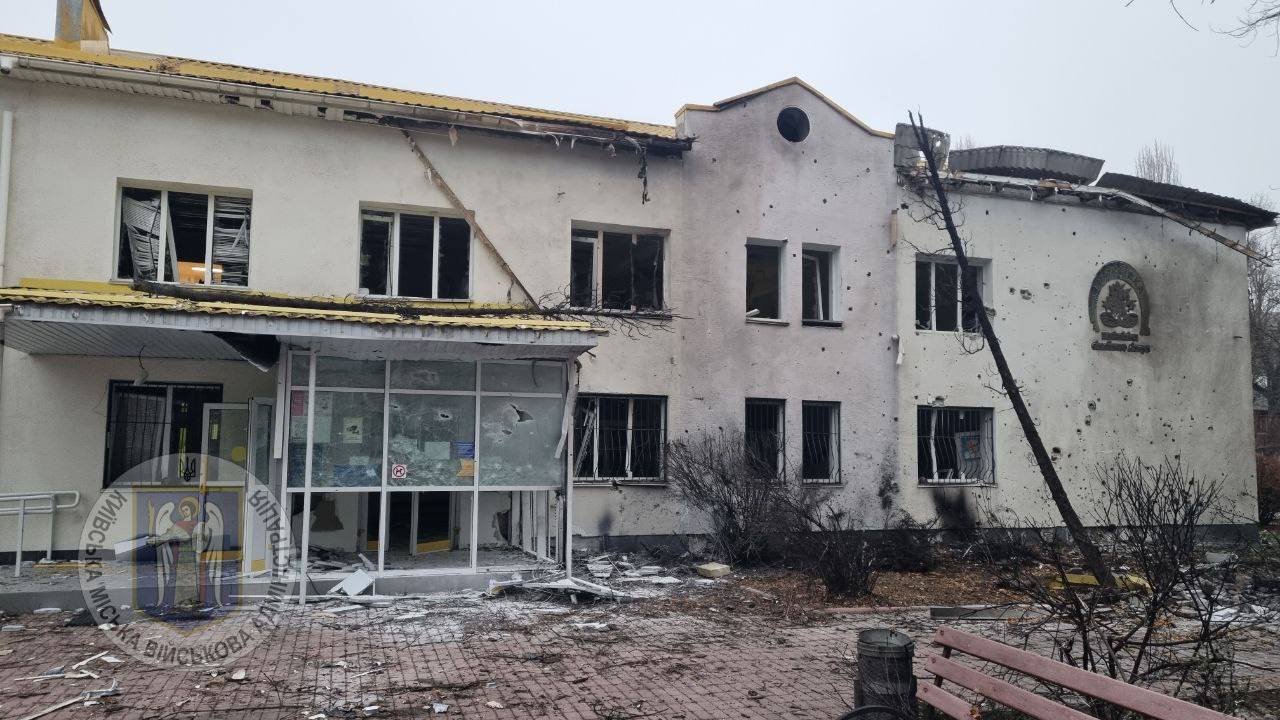
A Ukraine weapons depot strike in the village of Myla, just outside Kyiv, has killed at least 38 people. Ukrainian President Volodymyr Zelenskyy called it the deadliest single attack of the war so far this year. A Russian drone hit an ammunition depot late on 29 August 2026. The impact triggered a detonation that set off secondary explosions and fires. Emergency crews were still fighting those fires a day later.
What the Ukraine weapons depot strike destroyed
The blast injured dozens of people. Rescue teams evacuated hundreds more from the area around the depot as the fires spread. This was the second attack on a munitions storage site near Kyiv within two months. Ukrainian prosecutors have opened a criminal negligence investigation into how the depot was sited and secured. The strike landed as Russian air attacks on Kyiv stretched into a third consecutive day. Ukrainian officials say the intensification has accelerated since mid-August.

Image credit: Ministry of Defence of Ukraine / Wikimedia Commons (CC BY 4.0)
Why this attack stands out from earlier strikes
Ukraine has absorbed thousands of drone and missile strikes since the war began. Attacks that detonate stored ordnance carry a distinct risk. Their blast radius and secondary fires can exceed what the original warhead alone would cause. That is part of why the death toll climbed so sharply. It rose from an initial count of 27 to 38 as rescue teams worked through the wreckage. Local officials said the scale of the secondary detonations made a final casualty figure hard to establish quickly.
How Kyiv and its allies are responding
Ukrainian authorities used the attack to press allies for faster delivery of air-defense systems. They argue that depots storing Western-supplied ammunition need better protection, given Russia’s apparent ability to track and target them. The strike also lands as the US Senate considers a fresh sanctions bill aimed at Russia’s energy exports. Kyiv has lobbied hard for that bill throughout the summer. European governments supply much of the ammunition stored at sites like the one hit in Myla. They now face renewed pressure to fund hardened storage facilities rather than rely on existing warehouses.
The human toll behind the casualty figures
Emergency responders described a chaotic scene in the hours after the strike. Secondary blasts made it too dangerous to enter parts of the site for several hours. Crews evacuated hundreds of residents in Myla and neighboring communities overnight. Some residents had already fled once before, after the earlier depot attack nearby two months ago. Local hospitals reported treating dozens of injuries, ranging from blast trauma to smoke inhalation. Officials cautioned that the toll could rise further as search teams finish clearing the wreckage.
Ukrainian officials have not released the nationalities or roles of all 38 confirmed dead. Early reports suggest the casualties include both military logistics personnel and civilian residents near the depot’s perimeter. That mix is part of why prosecutors opened a negligence investigation, rather than treating the deaths solely as a wartime casualty count.
How this fits the wider pattern of the war
Russia has shifted more of its strike campaign toward logistics and storage sites over the past year. Ukrainian military analysts attribute the change to diminishing returns from strikes on front-line positions alone. Targeting depots disrupts supply chains further back from the fighting. It also forces Ukraine to disperse storage across more, smaller sites, which is logistically harder and costlier to defend. The Myla strike fits that pattern closely. It hit a facility believed to store both Ukrainian-produced and allied-supplied ammunition, not a front-line position.
Western officials have previously raised concerns that consolidated storage sites make attractive targets. A single successful strike can destroy a disproportionate share of available ammunition. Ukraine’s own military has faced pressure to disperse stockpiles more aggressively. Doing so requires additional secure facilities and transport capacity, which take time to build even with allied funding.
What happens next
Kyiv’s criminal investigation into the depot’s security will likely take weeks. Its findings could shape how Ukraine and its allies store ammunition going forward. Ukrainian officials expect Russian strikes on logistics and storage sites to continue in the meantime. Moscow has increasingly targeted supply infrastructure, not just front-line positions, over the past year. Diplomats say the attack adds urgency to United Nations discussions expected once the General Assembly’s new session opens in September. Allied governments will likely announce specific air-defense pledges in the days ahead, since Kyiv has made that request the centerpiece of its public response.
Frequently Asked Questions
How many people died in the Ukraine weapons depot strike?
At least 38 people were killed, according to President Zelenskyy, after the death toll rose from an initial count of 27 as rescue crews worked through the site.
Where did the strike happen?
The depot was in the village of Myla, near Kyiv. It was the second attack on an ammunition storage site near the capital in two months.
What caused the high casualty count?
The drone strike triggered detonations of stored ammunition, which set off secondary explosions and fires that spread beyond the immediate impact zone.
Is this connected to the pending Russia sanctions bill?
Ukrainian officials have cited the strike while lobbying for a Russia sanctions bill moving through the US Senate, though the two are separate legislative and military developments.
Related Coverage
Sources
- Al Jazeera — Death toll from Russian strike on Ukrainian arms depot rises to 38. https://www.aljazeera.com/news/2026/8/30/death-toll-from-russian-strike-on-ukrainian-arms-depot-rises-to-38
- U.S. News & World Report — Russian Strike on Kyiv-Area Ammunition Depot Triggers Blast, Killing 37. https://www.usnews.com/news/world/articles/2026-08-29/russian-strike-on-kyiv-area-warehouse-causes-detonation-killing-27
Verification your users actually receive.
Send one-time passcodes over WhatsApp with a single API call. Replio can generate, hash and verify the code for you.
