
Meet someone near you.
Live video chat with people nearby. One tap, free to start.

The Palo Alto Networks acquisition spree added its fifth company of 2026 on September 1. The cybersecurity giant completed its purchase of Console, an AI-native IT service automation startup backed by Thrive Capital, for approximately $500 million. Tech Startups reported the deal terms.
Console applies AI-driven analysis and automated action across enterprise IT operations. It helps organizations resolve alerts and routine requests without waiting on human staff. That is according to Palo Alto Networks’ own announcement. The company calls this “agentifying security.” AI agents now handle tasks that used to require a security analyst’s direct attention.
Every Deal in the Palo Alto Networks Acquisition Spree So Far
Console is the latest in a run of deals stretching back to January. Palo Alto Networks completed its acquisition of Chronosphere on January 29, 2026. That deal gave the company visibility into the massive data volumes modern AI-era businesses generate. CyberArk followed on February 11. That deal made identity security a core pillar of its platform strategy — securing human, machine and AI-agent identities alike.
April brought the Koi acquisition. Koi introduced what the company calls Agentic Endpoint Security, a category built around protecting AI agents on enterprise devices. May brought Portkey, a pioneer in “AI Gateways” — control points that manage how enterprise AI traffic flows and gets secured. Console, completed September 1, rounds out five acquisitions in eight months.
Taken in sequence, the five deals read less like opportunistic shopping. They look more like a deliberate build-out of a full stack. Chronosphere brought visibility. CyberArk brought identity. Koi brought endpoints. Portkey brought traffic control. Console now brings automated response. Few cybersecurity vendors have assembled all five layers this quickly. A single company controlling every layer can sell a tighter, more integrated pitch than a customer stitching together five separate vendors alone.
Why the Palo Alto Networks Acquisition Spree Is Happening Now
Every deal in this run targets a different layer of one problem: securing organizations that are rapidly adopting AI agents, not just AI chatbots. Identity security, endpoint protection, AI gateways and IT service automation each address a piece of the same bet. AI agents acting autonomously inside company systems need fundamentally different security tools than the software they replace.
This mirrors a pattern playing out across the AI infrastructure market more broadly. Tamara News covered Anthropic’s compute deal with Nvidia this week. That deal is part of the same wave of AI-era consolidation. Companies across the industry are racing to control critical layers of the AI stack before rivals lock them up first.
What This Means for Enterprise Security Buyers
Companies that already use Palo Alto Networks products will likely see these acquired technologies folded into existing platform bundles over the coming quarters. Few will be sold as fully separate products. That consolidation can simplify vendor management for large enterprises. It also concentrates more of a company’s security posture with a single vendor. That trade-off is worth weighing for organizations that currently spread risk across multiple security providers.
Smaller competitors face a harder question. Matching Palo Alto Networks’ pace would require either raising significant acquisition capital or accepting a narrower, more specialized role in the market. Neither path is easy. Some smaller vendors may become acquisition targets themselves rather than try to keep pace.
Customers who standardize on a single vendor this heavily also lose some negotiating leverage over time. Fewer alternative suppliers in a given category tends to mean less pricing pressure at renewal time. That is a trade-off procurement teams at large enterprises will need to weigh against the convenience of one integrated platform.
Security teams evaluating the bundle will also want to check how deeply each acquired product actually integrates, rather than assuming a shared parent company means a shared codebase on day one. Integration timelines for large acquisitions often run longer than initial announcements suggest, and gaps between “acquired” and “fully integrated” can leave real security coverage holes in the meantime.
Where Palo Alto Networks Goes From Here
Five acquisitions in eight months is an aggressive pace, even by cybersecurity industry standards. Nothing in the company’s public statements suggests it plans to slow down. Watch how quickly Console, CyberArk, Koi and Portkey get folded into Palo Alto Networks’ existing product lines. Watch too whether the next earnings report shows the acquisition spending turning into new platform revenue, rather than just added headline complexity. Rival security vendors are almost certainly reviewing their own acquisition pipelines in response. A competitor assembling a full AI-security stack this fast raises the bar for anyone hoping to compete on breadth alone.

What People Are Asking
What is Palo Alto Networks’ most recent acquisition?
Console, an AI-native IT service automation startup, acquired for approximately $500 million and completed September 1, 2026.
How many companies has Palo Alto Networks acquired in 2026?
Five: Chronosphere, CyberArk, Koi, Portkey and Console, completed between January and September 2026.
What does Console actually do?
It applies AI-driven analysis and automated action to enterprise IT operations, helping resolve alerts and requests without direct human intervention.
Why is Palo Alto Networks focused on AI agent security specifically?
Each acquisition targets a different layer of securing AI agents operating inside enterprise systems — identity, endpoints, AI traffic gateways and IT automation.
Will these acquisitions change existing Palo Alto Networks products?
The company has signaled it plans to fold the acquired technologies into its existing platform over time, though a specific integration timeline has not been published.
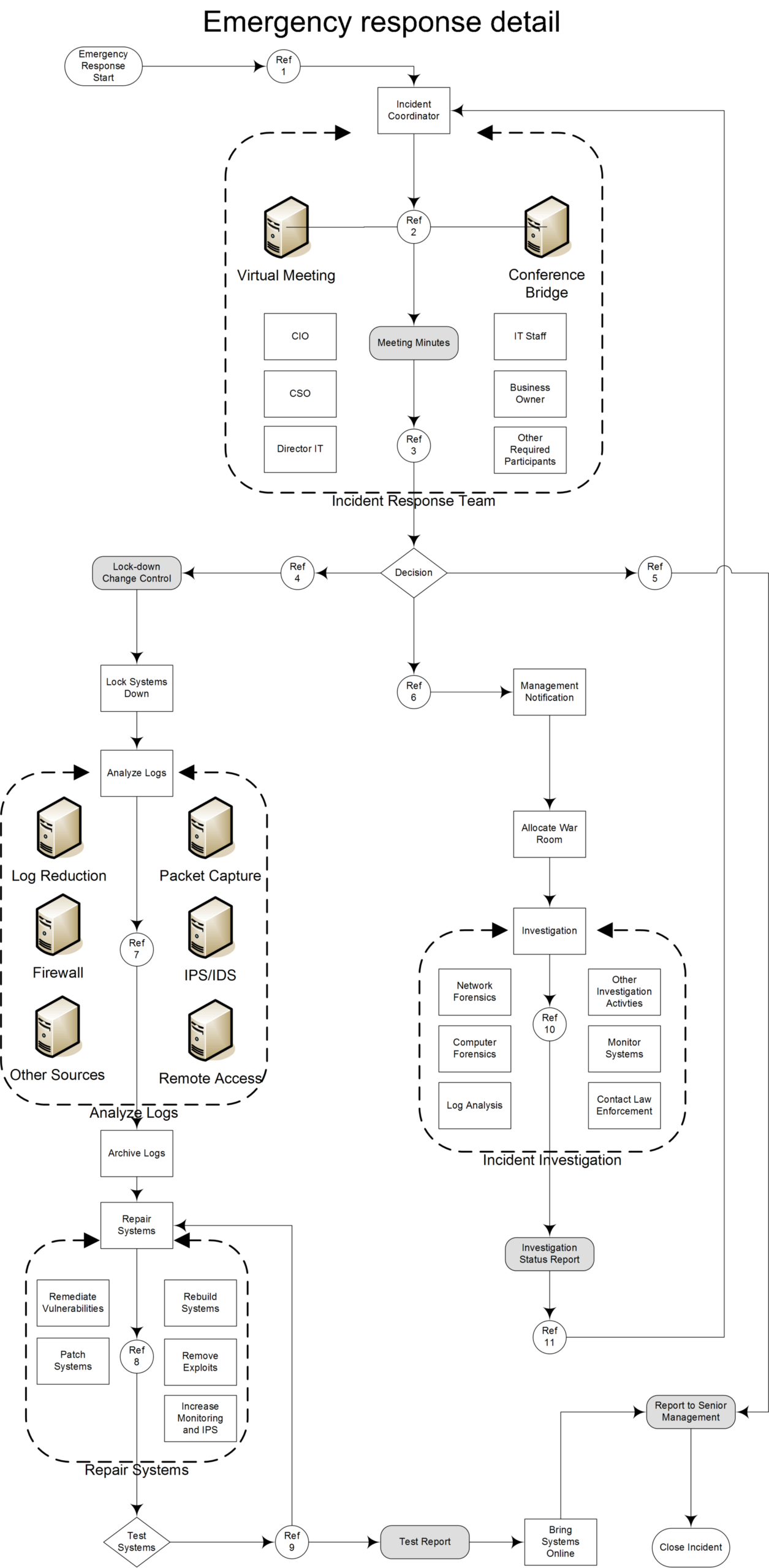
Featured image: “Computer-security-emergency-response-process(high-res).png” by Michael Berman (Tanjstaffl) (CC BY 2.5), via Wikimedia Commons.
Related Guides
- Nvidia Just Bought the Company Every AI Developer Uses — for $12.9 Billion
- Anthropic Just Locked In $35 Billion of Computing Power — Nvidia Is on Both Sides of It
Verification your users actually receive.
Send one-time passcodes over WhatsApp with a single API call. Replio can generate, hash and verify the code for you.
