
Meet someone near you.
Live video chat with people nearby. One tap, free to start.

Apple is facing a new Apple UK antitrust lawsuit. The claim is worth roughly £2 billion, or about $2.7 billion. Lawyers filed it at the UK’s Competition Appeal Tribunal on September 3. Thousands of British app developers stand behind the claim. It argues that Apple built its App Tracking Transparency system to steer users a certain way. Users get nudged away from letting rival apps track them. At the same time, the system quietly favors Apple’s own advertising business.
What the Apple UK antitrust lawsuit actually alleges
Ann Pope filed the collective action. She is a former senior director at the UK’s Competition and Markets Authority. Tech Times reported the details. The suit claims Apple designed its ATT consent prompts with a bias built in. They discourage users from allowing tracking by outside developers’ apps. But Apple presents a friendlier, less discouraging version of that same choice for its own services.
App Tracking Transparency launched back in 2021 as a privacy feature. It requires apps to ask permission before tracking users across other apps and websites for advertising. Apple has always framed it as a win for user privacy. This lawsuit argues it doubled as something else too: a competitive weapon aimed at rival ad networks.
Why UK developers say they were overcharged
PhoneArena outlined the economic argument behind the claim. By suppressing rival ad-tracking while preserving its own, Apple allegedly pushed advertising spend toward its own platform. That shift indirectly raised costs for developers. Many of those developers rely on third-party ad networks to reach users effectively. This case joins a growing list. Several UK class actions have targeted large tech platforms over App Store and advertising practices in recent years.
UK collective actions of this size rarely move quickly. The £1.8 billion App Store case against Apple, filed earlier, took years just to reach a certification hearing. Legal analysts expect a similar timeline here, meaning any payout to developers is unlikely before 2028 at the earliest, even if the tribunal ultimately rules against Apple.
Apple’s likely defense
Apple has consistently defended ATT on privacy grounds rather than competition grounds. The company argues it applies the same consent requirement to every app, including its own. Apple has not yet filed a detailed public response to this specific claim. Previous UK App Store lawsuits against Apple offer a clue about timelines. Those cases have taken years to reach trial or settlement.
How this fits the wider antitrust pressure on Apple
The Apple UK antitrust lawsuit lands amid a broader run of scrutiny. Regulators and courts keep circling how dominant platforms treat rivals on their own infrastructure. Apple is also fighting a separate £1.8 billion UK App Store lawsuit right now. Regulators in the EU and US have opened their own inquiries into similar platform-dominance questions. Together, these cases suggest Apple’s app ecosystem will stay under legal pressure for years, not months.
What happens next in the case
The Competition Appeal Tribunal must first certify the case as a valid collective action. Only then can it proceed to a full hearing on the merits. Similar UK tech cases have taken a year or more to reach that stage. Apple is expected to contest two things: the size of the claimed damages, and the underlying allegation of anticompetitive intent. Developers named in the action will not see a payout unless the tribunal certifies the class. A ruling against Apple, or a negotiated settlement, would also need to happen first.
The case also lands at a moment when regulators are paying closer attention to how much control Apple exerts over discovery and monetization inside its own ecosystem. Developers have long complained that Apple’s rules leave them with few alternatives, since iPhone users can only install apps through channels Apple controls or approves. A ruling against Apple in this case could set a precedent that shapes how privacy features are designed across the wider industry, not just at Apple.
FAQ: what you need to know
What is the Apple UK antitrust lawsuit about?
It alleges Apple designed its App Tracking Transparency prompts to discourage tracking by rival apps. Meanwhile, the system favored Apple’s own advertising business. UK app developers filed the claim.
How much money is being claimed?
The claim is valued at roughly £2 billion. That equals about $2.7 billion.
Who filed the case?
Ann Pope filed it. She is a former senior director at the UK Competition and Markets Authority. Thousands of UK app developers back the claim.
What is App Tracking Transparency?
It is an Apple privacy feature launched in 2021. It requires apps to ask permission before tracking users across other apps for advertising.
Has Apple responded to the lawsuit?
Apple has not issued a detailed public response to this specific claim yet. Historically, Apple defends ATT as a privacy measure applied equally to every app.
Is this Apple’s only UK antitrust case?
No. Apple separately contests a £1.8 billion UK App Store lawsuit. Together they form a wider pattern of tech antitrust litigation in the UK.
For related coverage of tech platform accountability, see our reporting on the FTC’s case against Amazon over advertiser overcharging and the EU AI Act’s new transparency rules.
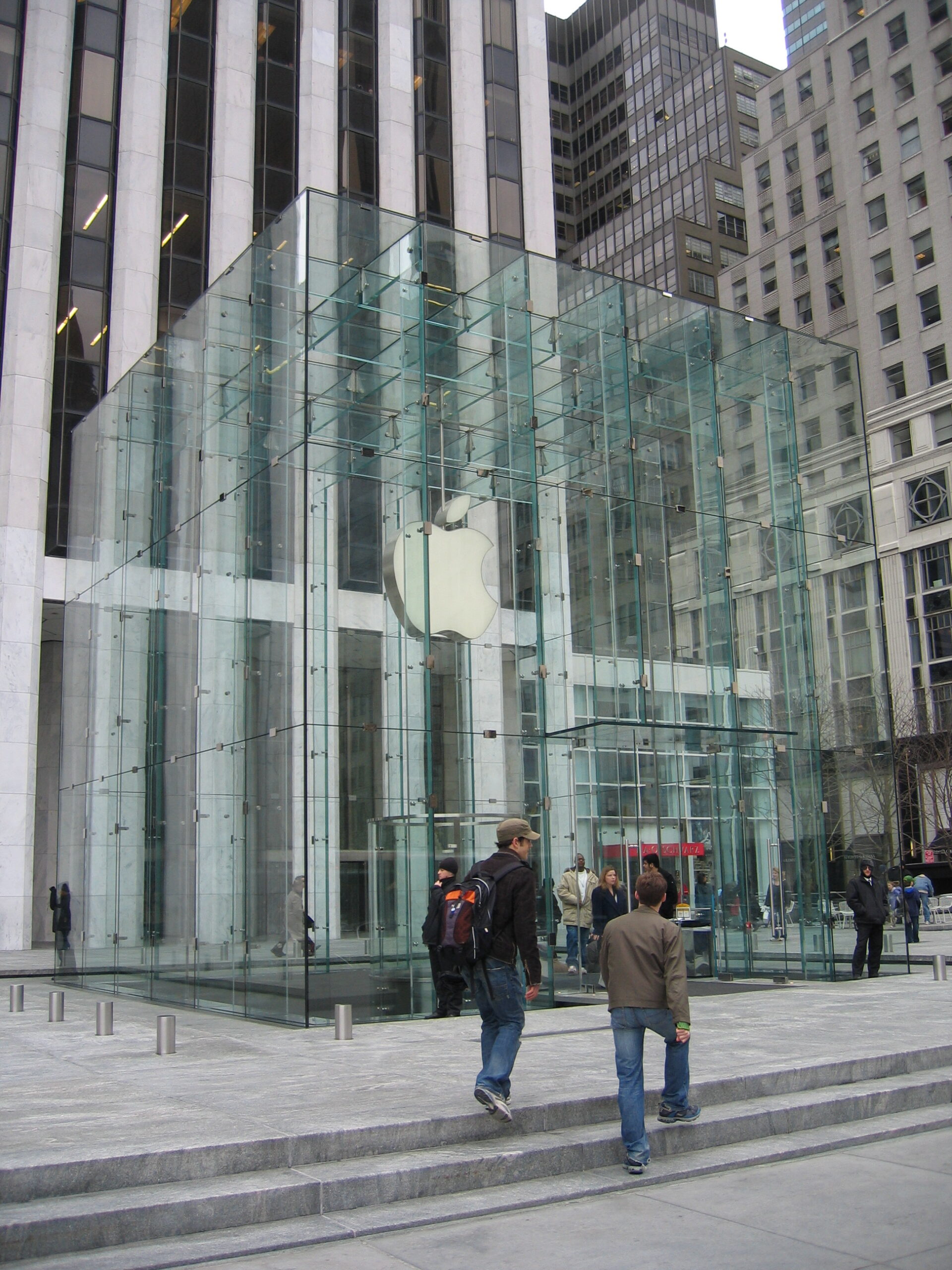
Featured image: Casper Moller, CC BY 2.0, via Wikimedia Commons.
- Tech Times — Apple Gave Rivals Discouraging ATT Prompts; UK Developers Sue for £2 Billion. https://www.techtimes.com/articles/326605/20260904/apple-gave-rivals-discouraging-att-prompts-uk-developers-sue-2-billion.htm
- PhoneArena — UK Apple users overcharged by almost $2 billion, class action lawsuit claims. https://www.phonearena.com/news/apple-uk-lawsuit-app-store_id166574
Verification your users actually receive.
Send one-time passcodes over WhatsApp with a single API call. Replio can generate, hash and verify the code for you.
