
Meet someone near you.
Live video chat with people nearby. One tap, free to start.

Dubai Abu Dhabi flight disruptions have grounded or delayed dozens of services this week. Renewed hostilities between the United States and Iran are the trigger. Those tensions have forced airspace restrictions across parts of the Gulf. Travelers connecting through either hub should expect changes at short notice right now.
What’s behind the Dubai Abu Dhabi flight disruptions
The National tracked departures and arrivals on September 3 and 4. The data showed clusters of delayed and cancelled flights. Both Abu Dhabi’s Zayed International Airport and Dubai International Airport saw the impact. Disruptions concentrated on routes that cross or skirt sensitive airspace. The root cause traces back to renewed conflict between the US and Iran. That conflict has forced airlines to reroute or cancel flights that would otherwise pass near contested airspace.
Which airlines are hit hardest
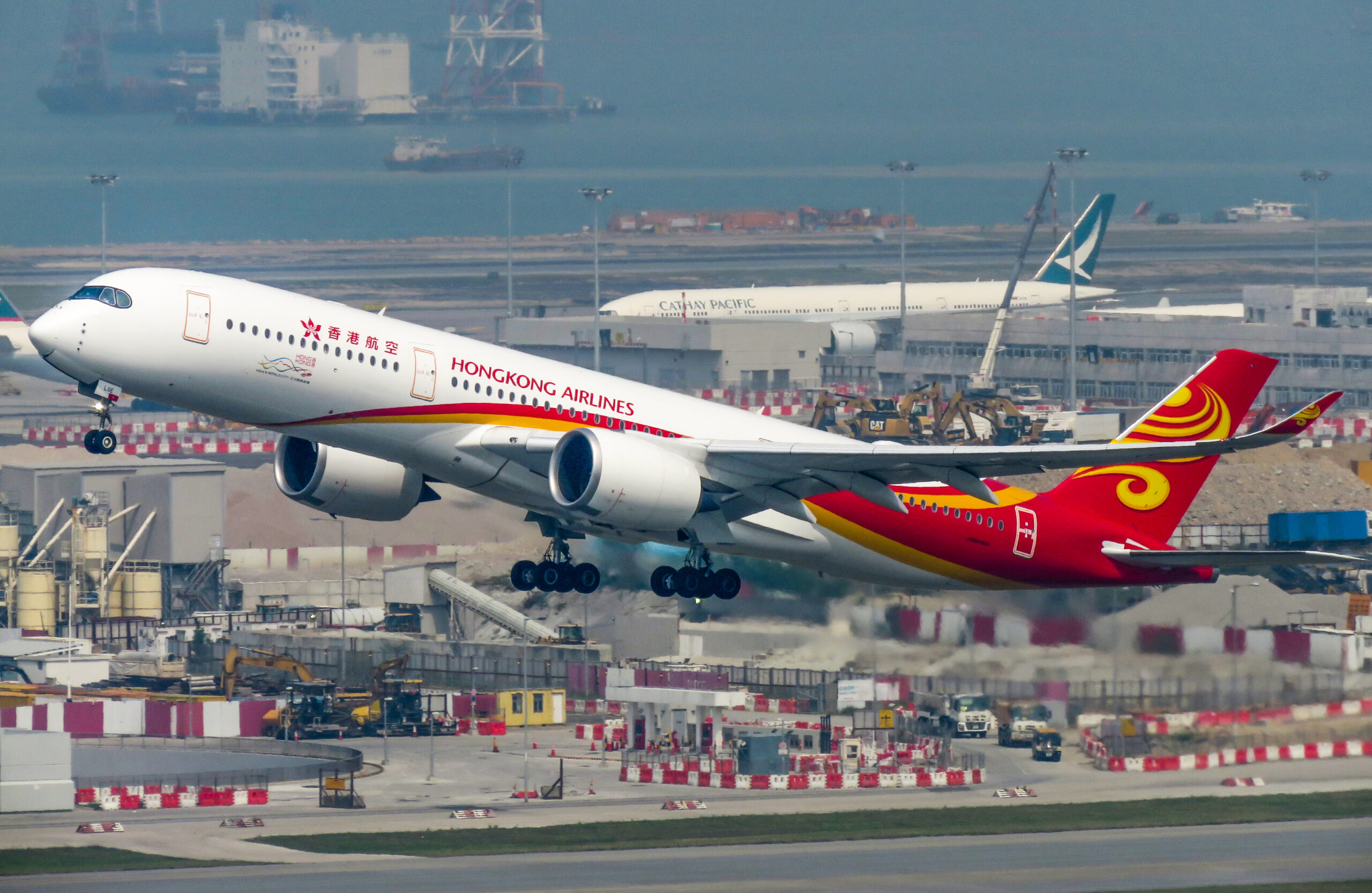
Etihad Airways has been among the worst affected carriers. Delays span more than a dozen routes across Europe, Asia and the Middle East, according to Gulf News. Air Arabia Abu Dhabi and Air India Express have also felt the impact. Multiple routes to Cairo, Bahrain and Delhi have been disrupted. Emirates flight EK206 runs from New York to Dubai; it was cancelled on September 3. The carrier’s Dubai-to-Kuwait network remains suspended as well.
Airport authorities in both Dubai and Abu Dhabi have activated contingency staffing to help manage rebooking queues during the disruption. Ground handling delays have compounded the airspace issues in some cases, adding to wait times for passengers even on flights that ultimately depart close to schedule.
Why the Gulf’s airspace is suddenly a problem
The current disruption traces directly back to renewed exchanges between US and Iranian forces. Those exchanges raised the risk profile for commercial aircraft. Any plane operating near shared or contested airspace in the region now faces added scrutiny. Airlines have responded by rerouting flights, or simply cancelling them. Nobody wants to risk flying through zones flagged as unsafe. Past Gulf tensions followed a similar pattern. This time, the sheer volume of traffic through Dubai and Abu Dhabi complicates things further. Both are among the world’s busiest connecting hubs.
What travelers are being told to do
Airlines have issued a clear warning. Flight timings “remain subject to change at short notice,” carriers say. Both The National and Gulf News report the same advice for passengers. Anyone with connections through the UAE should monitor their itineraries closely in the days ahead. This applies even to travelers not flying to or from the country directly. Passengers with tight connections should build in extra buffer time. Considering alternative routings is also worth exploring where possible.
Cargo carriers operating through the region have also adjusted routings, with knock-on effects for freight schedules tied to Gulf hub connections. Shippers moving goods between Asia and Europe via UAE hubs have been advised to build extra time into delivery estimates until the airspace situation stabilizes.
What happens if the airspace tensions continue
Disruptions at Dubai and Abu Dhabi could extend well beyond the current window. That depends entirely on whether the underlying US-Iran tensions persist. Both airports remain central to long-haul connections between Europe, Asia and beyond. Airlines are expected to keep adjusting schedules day by day. Nobody is committing to a fixed recovery timeline yet. Everything hinges on how the regional airspace situation stabilizes in the coming days.
Travel insurers have reported a rise in inquiries related to Gulf routing changes, and several airlines have temporarily loosened rebooking fees for passengers affected by the disruptions. Analysts note that Dubai and Abu Dhabi’s role as connecting hubs means the ripple effects extend well beyond travelers who are actually flying to the UAE itself, touching itineraries routed through the region toward Asia, Africa and Europe.
FAQ: before you fly
What is causing the Dubai Abu Dhabi flight disruptions?
Renewed hostilities between the US and Iran have triggered airspace restrictions across parts of the Gulf. That has forced airlines to reroute or cancel flights.
Which airports are affected?
Dubai International Airport and Abu Dhabi’s Zayed International Airport are both seeing delays and cancellations.
Which airlines have been hit hardest?
Etihad Airways, Air Arabia Abu Dhabi, Air India Express and Emirates have all reported disrupted routes.
Was any specific flight cancelled?
Emirates flight EK206 from New York to Dubai was cancelled on September 3. The airline’s Dubai-Kuwait network remains suspended too.
Should I avoid connecting through Dubai or Abu Dhabi right now?
Airlines advise travelers with connections through the region to monitor their itineraries closely. Timings can change at short notice.
How long will the disruptions last?
There is no fixed timeline yet. Airlines are adjusting schedules day by day depending on how the regional airspace situation develops.
For related travel disruption coverage, see our reporting on KLM’s Beirut flight disruptions and the tanker attack in the Strait of Hormuz.
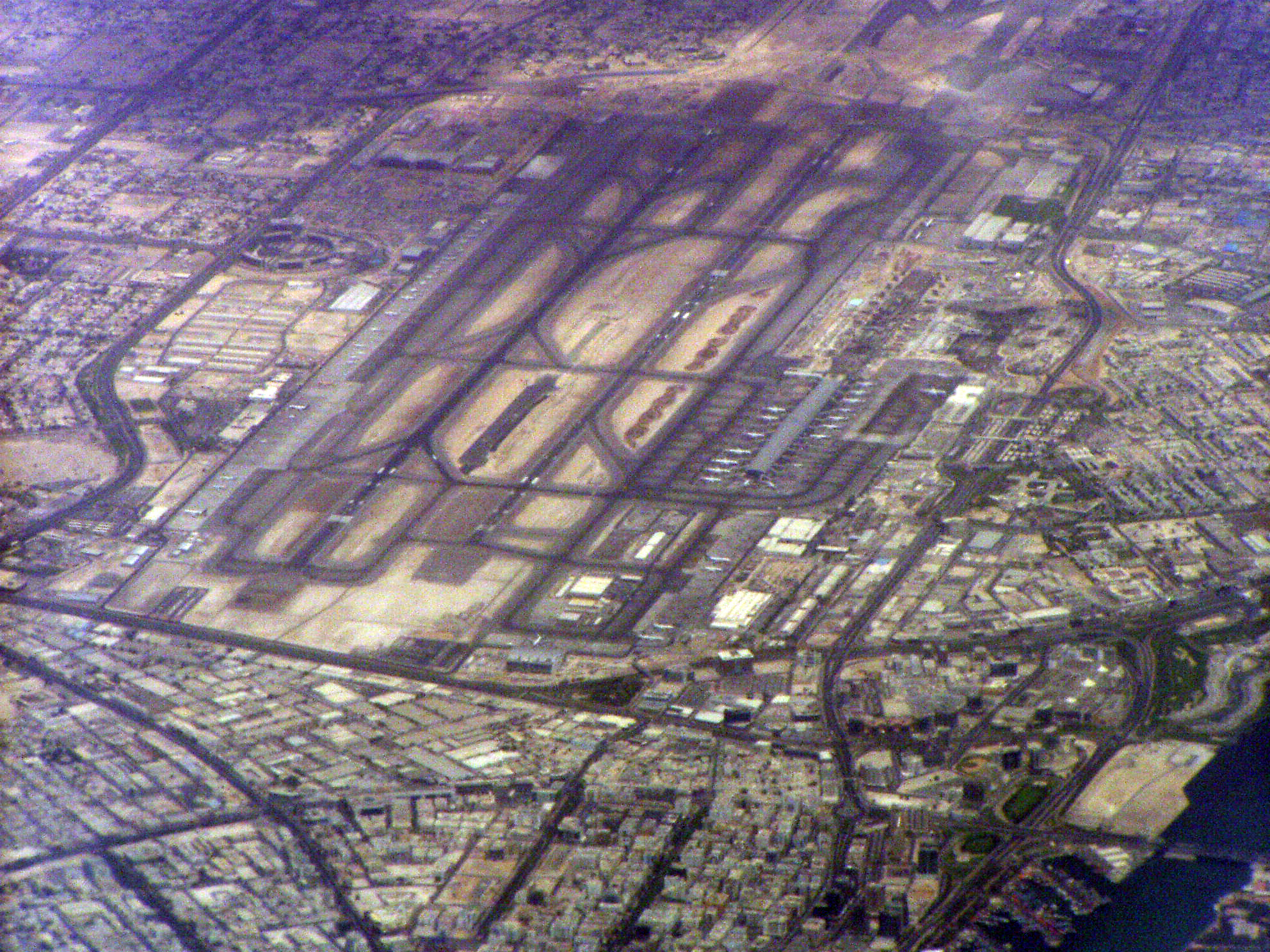
Featured image: Mhp1255, CC BY-SA 3.0, via Wikimedia Commons. In-content image: N509FZ, CC BY-SA 4.0, via Wikimedia Commons.
- The National — UAE travel advisory: Flights delayed and cancelled at Dubai and Abu Dhabi airports. https://www.thenationalnews.com/travel/2026/09/03/abu-dhabi-zayed-internatonal-dubai-airport-delays-cancellations/
- Gulf News — UAE travel advisory: Flight cancellations, Gulf airspace warnings and new rules for travellers. https://gulfnews.com/business/aviation/uae-travel-advisory-flight-cancellations-gulf-airspace-warnings-what-travellers-need-to-know-now-1.500608738
Verification your users actually receive.
Send one-time passcodes over WhatsApp with a single API call. Replio can generate, hash and verify the code for you.
