

Never lose a customer to a missed message
An AI agent trained on your own business, replying in seconds, in any language, on every channel your customers already use.
August 2026 was the joint hottest August on record. It matched July 2023 as the warmest month ever measured, according to the European Union’s Copernicus Climate Change Service. Global average surface air temperature hit 1.65°C above the pre-industrial baseline. That marks the first time any month has crossed 1.5°C since November 2025.
Why This Is the Hottest August on Record
Copernicus tracks global temperatures using satellite and ground data going back to 1940. It also estimates a longer record stretching to the pre-industrial era. Its September bulletin put August 2026 at 0.85°C above the 1991–2020 average for the month. Two forces drove that number. One is accumulated greenhouse gas warming. The other is a strong El Niño pattern in the Pacific. The agency said ocean heat played an outsized role. Average sea surface temperatures outside the polar regions reached 21.07°C. That broke the previous record of 20.98°C, set in 2023.
Warm Oceans Are Doing More of the Work
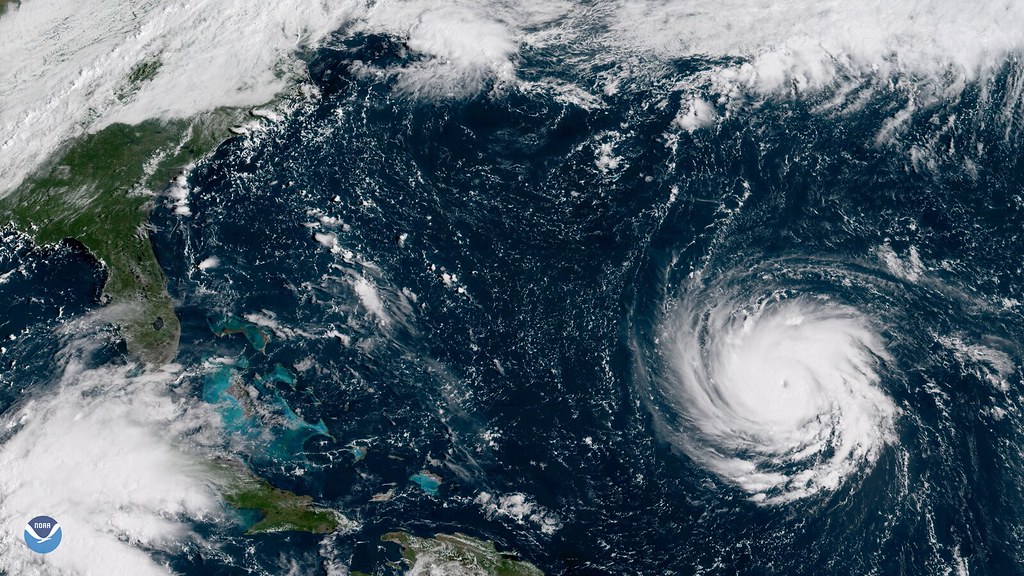
Warmer oceans don’t just raise thermometers at the beach. They add moisture and energy to the atmosphere. That extra energy shows up as heavier rainfall in some regions and deeper drought in others. Copernicus data show western Europe faced severe drought and unusually low river flows through August. Other parts of the world saw the opposite: contrasting wet extremes. That split, drought here and flooding there, matches how scientists expect a warmer atmosphere to behave. It is not a sign the warming itself is uneven or overstated.
Wildfires and Heat Are Feeding Each Other
The record heat arrived alongside record wildfire activity elsewhere. Indonesia’s Kalimantan and Sumatra islands produced more than 19.7 million metric tons of carbon dioxide emissions in the first week of September alone. That was the world’s highest weekly total, and it added its own warming contribution back into the same system Copernicus is measuring. Extreme heat dries out vegetation and extends fire seasons. Large fires then release stored carbon, which adds to future warming. Climate scientists have flagged this feedback loop for years. Now they are watching it play out in near real time.
What the Paris Agreement Threshold Actually Means Here
Crossing 1.5°C in a single month is not the same as breaching the Paris Agreement’s long-term target. That target is measured as a multi-decade average, not a single month’s reading. Scientists at Copernicus have carefully framed August’s number as a milestone in the underlying trend. They stop short of calling it a formal treaty breach. Still, the frequency of these monthly spikes is itself notable. This is at least the second month since 2023 to hit or exceed 1.5°C. Climate researchers point to that pattern when they say the long-term average is closing in on that line faster than earlier models projected.
Heat Records Are Starting to Follow a Pattern
This is not an isolated spike. Copernicus has now logged several months since 2023 that either broke or matched a prior record, and each one has arrived alongside its own set of secondary events: droughts, floods, or fire seasons that ran longer than expected. Researchers studying the data say the pattern matters more than any single month’s number, because it shows the underlying trend accelerating rather than leveling off. That is the detail insurers, farmers, and disaster-planning agencies are now building into their own forecasts.
How This Compares With Past Heat Records
Copernicus has logged a steady string of record or near-record months since 2023, not just this one August. Each prior record drew similar attention, then faded from headlines within weeks once the next news cycle took over. Researchers caution against that pattern this time. They argue the accumulating frequency of these records, not any single month, is the number policymakers should be tracking. A single hot month is weather. A run of hot months, each breaking or matching the last, is closer to climate itself.
What to Watch Before the Next Copernicus Update
Copernicus publishes its next monthly bulletin in early October, covering September 2026. That month typically sees the El Niño-linked warming pattern persist, if it’s still active in the Pacific. Analysts will also watch whether Indonesia’s wildfire emissions keep climbing, since the fire season there usually peaks later in the dry season. Any further global temperature records this year would extend a run that began well before August, one that already includes the unusually active Pacific hurricane season disrupting travel earlier this month. So far, that run shows no clear sign of breaking on its own.
Frequently Asked Questions
Was August 2026 really the hottest month ever recorded?
It tied July 2023 as the joint hottest month in the Copernicus record, with global temperatures 1.65°C above pre-industrial levels.
Does this mean the Paris Agreement’s 1.5°C goal has already been broken?
No. The Paris target is measured as a long-term multi-decade average, not a single month, so one hot month does not constitute a breach on its own.
What role did the oceans play?
Sea surface temperatures outside the polar regions hit a record 21.07°C, adding extra heat and moisture to the atmosphere and intensifying both drought and flood extremes.
How does this connect to the Indonesia wildfires?
Extreme heat and dry conditions extend fire seasons, and this year’s Kalimantan and Sumatra fires released record weekly carbon emissions during the same period Copernicus measured the heat record.
When will the next global temperature update be published?
Copernicus typically releases its monthly bulletin in the first half of the following month, meaning September 2026 data is expected in early October.
Sources
- Copernicus Climate Change Service — August 2026 bulletin. climate.copernicus.eu
- Euronews — August 2026 was world’s joint hottest month on record. euronews.com
Verification your users actually receive.
Send one-time passcodes over WhatsApp with a single API call. Replio can generate, hash and verify the code for you.
