
Never lose a customer to a missed message
An AI agent trained on your own business, replying in seconds, in any language, on every channel your customers already use.
The Defense Department’s inspector general has published the first formal accounting of what the
Iran war cost American forces. The Pentagon watchdog Iran report, released on Monday 14
September 2026, covers 28 February to 30 June. It tallies damage to bases across eight countries, the loss
of critical radar, and the strain on munitions stockpiles. It is the most detailed public picture of the
war’s early months so far.
Story outline
What the Pentagon watchdog Iran report counted
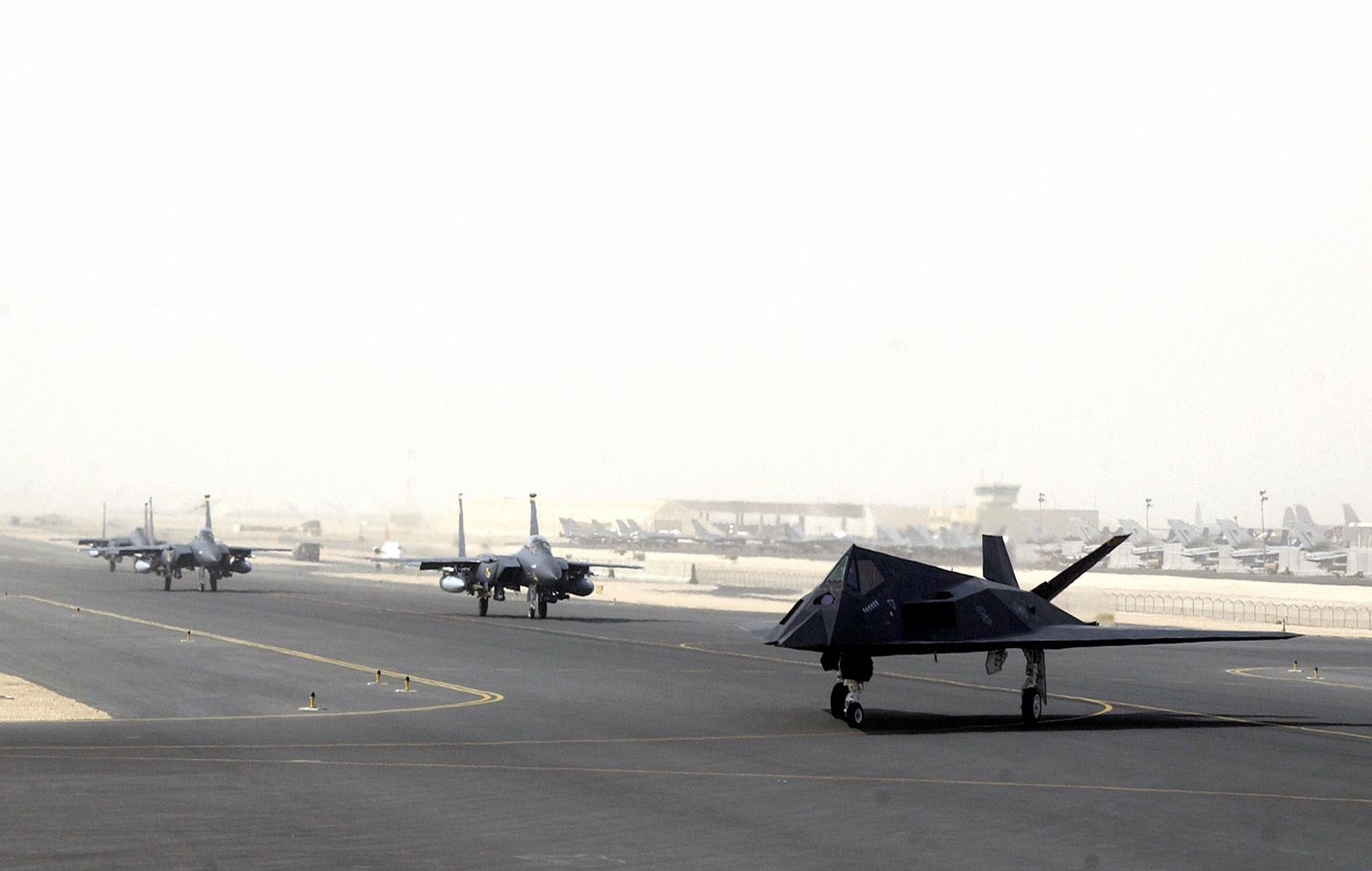
Iranian strikes damaged or destroyed hundreds of buildings and structures at American bases, according to
the review. The affected countries span the Gulf and the wider region: Kuwait, Bahrain, Qatar, the United
Arab Emirates, Saudi Arabia, Iraq, Oman and Jordan.
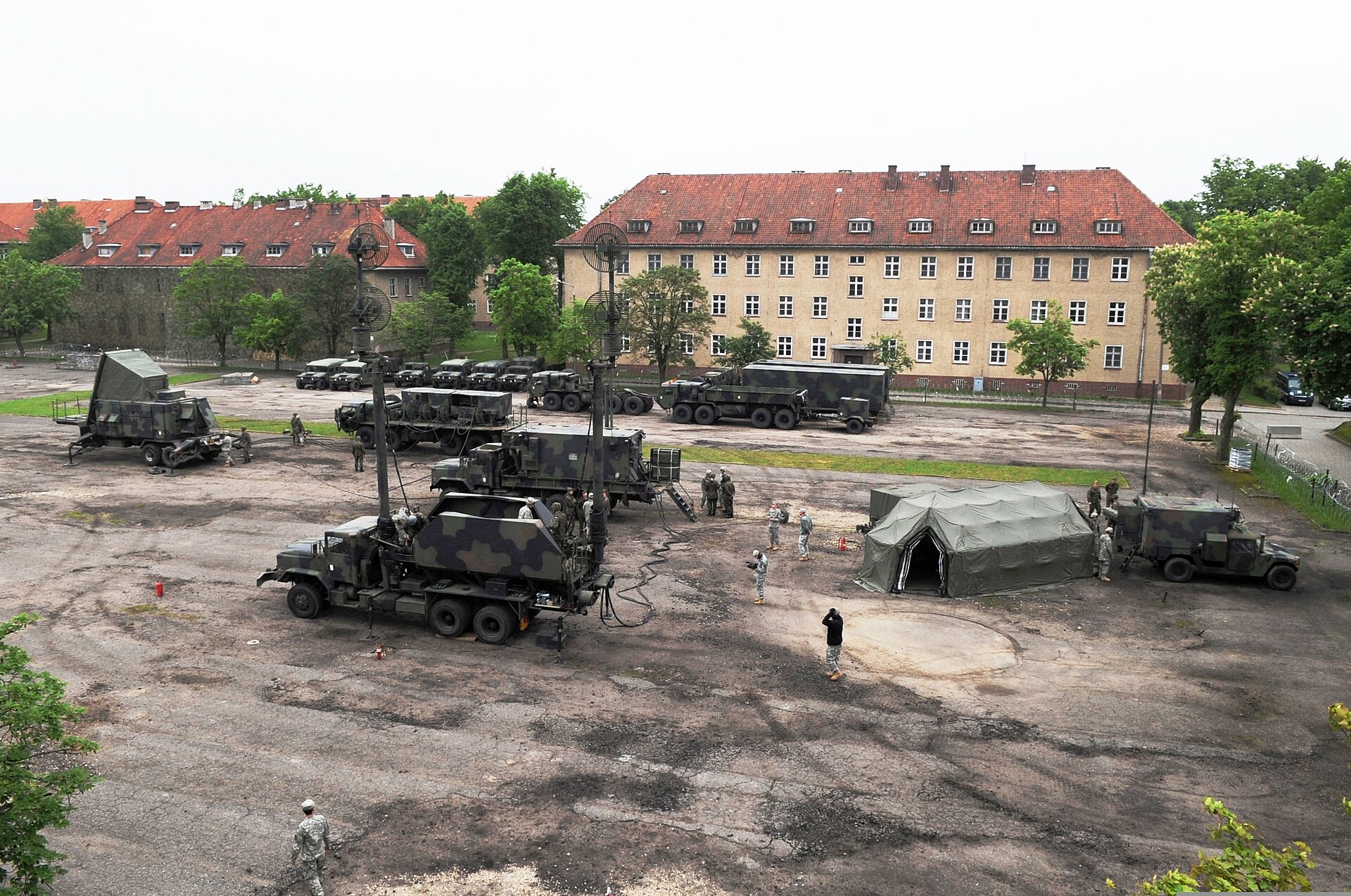
Some losses mattered more than their replacement cost suggests. Missile defence radar installations were
among the assets destroyed in the war’s opening days. Radar is what turns an interceptor into a defence. Lose
the sensor and the shooter has nothing to aim at.
Why losing Bahrain reshaped the naval map
The destruction of the Navy’s regional hub in Bahrain forced an improvisation. With the hub gone, the
Navy struggled to establish adequate bases and support ports in the region.
Diego Garcia took up much of the load. The British Indian Ocean Territory atoll sits roughly 2,400 nautical
miles from the Gulf. Using it as a sea logistics hub stretched resupply cycles to between 14 and 18 days.
That is a long time for a ship waiting on parts, fuel or ordnance.
Distance is not a footnote in naval operations. It sets how often a ship can be on station, how quickly a
damaged vessel returns to service, and how much of the fleet is in transit rather than in position.
The munitions question the review reopens
The report acknowledges depletion of key munition stockpiles. That is a notable admission, because the
Pentagon has repeatedly pushed back against reporting of a shortage. Defence officials have said the
military has every weapon it needs to fight any conflict.
Both statements can be technically true at once. A stockpile can fall sharply and still exceed the level
planners consider adequate. The gap between the two positions is a judgement about how much margin is
enough, not a dispute about arithmetic. Readers should note that the Pentagon’s position here is the
Pentagon’s own account of its readiness.
What the review does not settle is replacement time. Interceptors and precision munitions have long
production lead times. A stockpile drawn down over four months can take years to rebuild.
Production capacity is the constraint, not budget. Advanced interceptors need specialised solid-rocket
motors and seeker components from a small supplier base. Adding a production line takes years of tooling and
qualification. Money released today shows up as delivered rounds well after the crisis that prompted it.
What the findings mean for eight host governments
The report names the countries where American bases took damage. That list is diplomatically sensitive.
Several of those governments have discussed the strikes only in general terms at home.
Basing arrangements rest on a bargain. The host provides territory and access. The guest provides
security and, usually, economic benefit. A public accounting of damage tests both halves of that bargain in
front of domestic audiences.
Expect the review to surface in parliamentary questions and local reporting across the Gulf. It gives
critics of the basing arrangements a document to cite, and it gives governments a reason to press for
clearer defensive commitments before the next round of negotiations.
What the accounting signals beyond the Gulf
The findings land while the region is still unsettled. Energy markets remain sensitive to anything that
touches Gulf infrastructure, as our reports on
the shutdown of the Saudi
East-West pipeline and the oil
price shock reaching Asian economies set out. The diplomatic track is unsettled too — see our coverage of
the Iran sanctions panel
vote.
For the eight host countries, the review is also a domestic political document. It puts numbers on damage
that governments in Kuwait, Bahrain and Qatar have discussed only in general terms.
The questions the report leaves open
The review stops at 30 June. Anything after that date falls outside it, so the current state of the bases
is not covered. Expect follow-up reviews, and expect congressional committees to ask for the classified
annexes.
Three questions will shape the next round. How long will radar and air-defence replacement take? What
does the Bahrain hub’s loss mean for permanent basing decisions? And will the munitions finding change
procurement budgets in the next request to Congress?
Reader questions on the report
Who wrote the report?
The Defense Department’s inspector general, the Pentagon’s own internal watchdog, in a special report released on 14 September 2026.
What period does it cover?
From the start of the war on 28 February through 30 June 2026. Later events fall outside its scope.
Which countries had bases damaged?
Kuwait, Bahrain, Qatar, the United Arab Emirates, Saudi Arabia, Iraq, Oman and Jordan.
Does the Pentagon accept there is a munitions shortage?
The report acknowledges stockpile depletion. The Pentagon has separately said it has the weapons it needs for any conflict.
Why does Diego Garcia matter?
It became a sea logistics hub after the Bahrain naval hub was destroyed, stretching resupply cycles to 14 to 18 days.
Reporting sources
- CNN — Missile shortages, damage to US facilities: Pentagon watchdog issues first review of Iran war. https://www.cnn.com/2026/09/14/politics/iran-war-pentagon-watchdog-report
- Fortune — Pentagon admits Iranian strikes damaged and destroyed hundreds of buildings at US bases. https://fortune.com/2026/09/14/pentagon-damage-report-iran-war-hundreds-buildings-us-bases-aircraft/
- KSAT/AP — US watchdog tallies Iran war’s hit to weapons stockpiles, military bases and more. https://www.ksat.com/news/politics/2026/09/14/us-watchdog-tallies-iran-wars-hit-to-weapons-stockpiles-military-bases-and-more/
Verification your users actually receive.
Send one-time passcodes over WhatsApp with a single API call. Replio can generate, hash and verify the code for you.