
Never lose a customer to a missed message
An AI agent trained on your own business, replying in seconds, in any language, on every channel your customers already use.
In this article
The duration of status rule that would have capped student and exchange visitor stays
at four years is on hold. On 14 September 2026, the US District Court for the District of Massachusetts
issued a nationwide preliminary injunction postponing the effective date of the Department of Homeland
Security’s final rule, one day before it was due to take effect. The long-standing duration of status
framework stays in place while the case continues.
What the duration of status rule would have changed
DHS published the final rule on 17 July 2026. It would have ended open-ended admission for F-1 students,
J-1 exchange visitors and I media representatives, and replaced it with fixed admission periods.
Under the rule, F-1 and J-1 holders would generally have been admitted to the end of their programme or
for four years, whichever came first. The grace period after completion would have dropped from 60 days to
30. Anyone needing longer would have had to file for an extension of stay rather than simply remaining in
valid status.
Why the court paused the duration of status rule
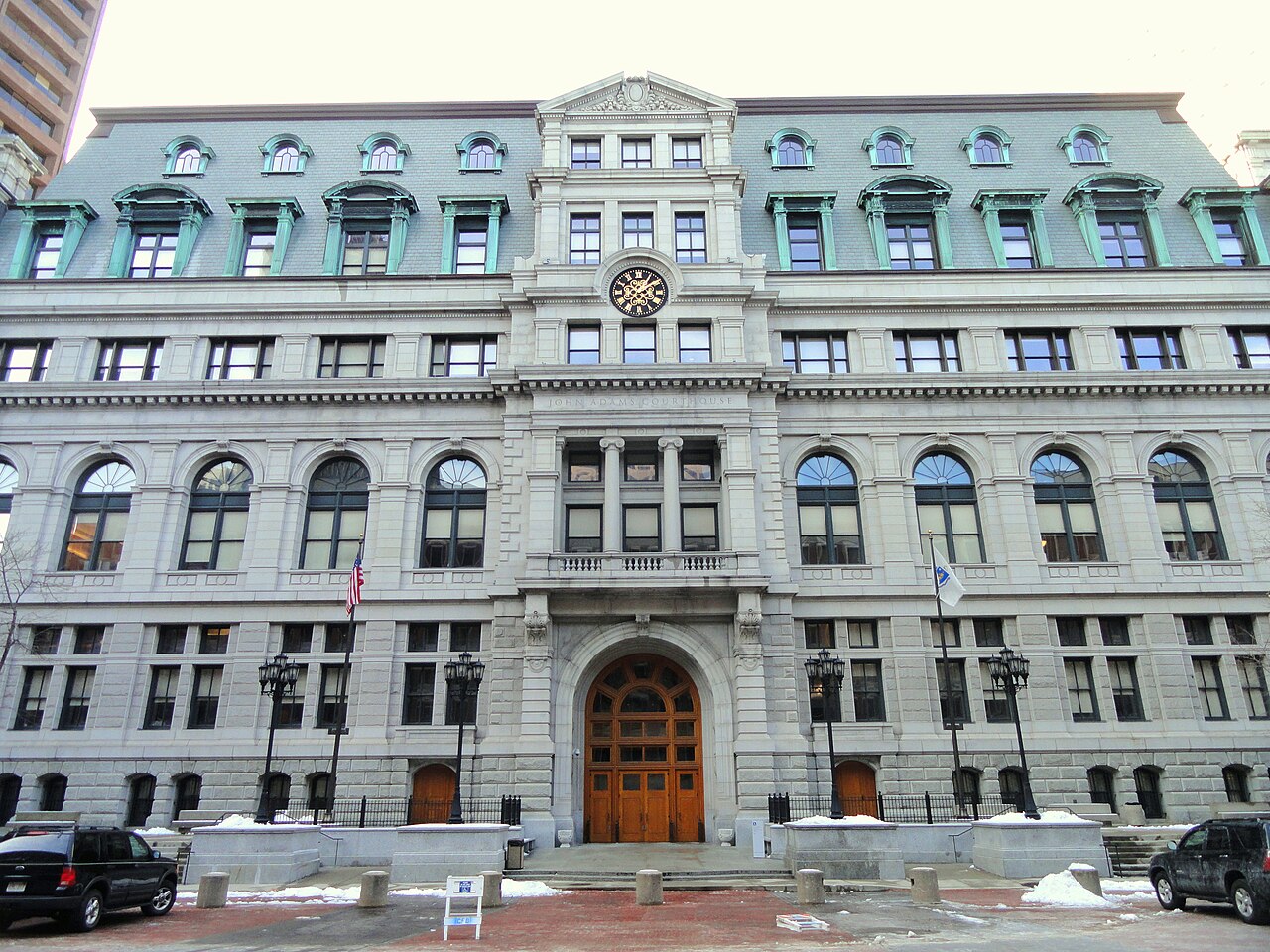
District Judge F. Dennis Saylor IV took the case. The court cited administrative complexity and the
impracticality of running parallel regulatory frameworks across institutions and students nationwide. In
plain terms, the changeover itself looked likely to cause more disruption than the rule could justify
while its legality remained unresolved.
A preliminary injunction is not a ruling on the merits. It suspends the rule so that the litigation can
proceed without the disputed policy taking effect in the meantime. Courts grant one when the challengers
look likely to win and the harm from letting the policy start would be hard to undo.
Who this affects most
Doctoral candidates carried the sharpest risk. Consider an Indian engineering PhD student in her third
year of a programme that typically runs five to six years. Under the rule she would have hit the four-year
ceiling mid-research and needed an extension of stay filing to continue, with the processing delay that
implies. Under the current framework she simply remains in status while enrolled.
Language programmes, medical residents on J-1 status and foreign correspondents on I visas also fell in
scope. Undergraduates on four-year degrees faced the least exposure, though even they would have lost half
the grace period.
University administrators had their own problem. Running two admission frameworks side by side means
two sets of advising rules, two compliance workflows and two ways to make an honest mistake that costs a
student their status. That practical burden shaped the court’s reasoning.
How this fits the wider immigration picture
This is the second recent instance of a court stopping a DHS rule before it started. It also sits
alongside changes that did take effect, including the stricter public charge test now applied to green
card filings. Our coverage of
what the public charge change does and does not apply to
and
the separate birth tourism rule a court blocked
sets out the pattern. Students weighing alternatives may also want
the latest Canadian Express Entry draw figures.
Where the litigation goes from here
DHS can appeal the injunction to the First Circuit. It can also go back and issue a revised rule that
tries to answer the court’s practical objections. Either route takes months. In the meantime the operative
question for anyone on an F, J or I visa is simple: nothing about your current admission has changed.
Track the case through
NAFSA’s litigation page
and
the Presidents’ Alliance case tracker,
both of which post filings as they land. Your own school’s international office is the source that applies
to your specific record.
Duration of status rule: common questions
Is the duration of status rule in effect right now?
No. A federal court postponed its effective date on 14 September 2026. The existing duration of status framework still applies to F-1, J-1 and I visa holders.
What would the rule have changed?
It would have replaced open-ended admission with a fixed period: the end of the programme or four years, whichever is shorter, plus a 30-day grace period instead of 60 days.
Does the injunction cover everyone or only the plaintiffs?
The court issued a nationwide preliminary injunction postponing the rule’s effective date, not a party-specific order.
Is this a final decision?
No. A preliminary injunction suspends a rule while litigation continues. DHS can appeal, and the case can still be decided either way.
Do I need to file anything differently?
Not because of this order. Your I-20 or DS-2019 and your existing admission terms are unchanged. Check with your designated school official or responsible officer before acting on anything you read online.
Could the rule come back?
Yes. DHS could win on appeal, or issue a revised rule addressing the court’s concerns. Treat the current position as a pause, not a cancellation.
Sources
- NAFSA — Legal Challenge to the Final Rule Ending Duration of Status. https://www.nafsa.org/legal-defense-DS
- Presidents’ Alliance on Higher Education and Immigration — Duration of Status Litigation. https://www.presidentsalliance.org/duration-of-status-litigation/
- Envoy Global — Federal Court Delays DHS Fixed-Term Visa Rule for F-1, J-1 and I Visa Holders. https://www.envoyglobal.com/news-alert/federal-court-delays-dhs-fixed-term-visa-rule-for-f-1-j-1-and-i-visa-holders/
- Harvard International Office — 2026 D/S Rule Change. https://www.hio.harvard.edu/visas-immigration/ds-rule-change
- American Immigration Lawyers Association — Elimination of Duration of Status for F, J, and I Visas. https://www.aila.org/featured-issues/elimination-of-duration-of-status-for-f-j-and-i-visas
Verification your users actually receive.
Send one-time passcodes over WhatsApp with a single API call. Replio can generate, hash and verify the code for you.