

Never lose a customer to a missed message
An AI agent trained on your own business, replying in seconds, in any language, on every channel your customers already use.
The Oracle Project Jupiter delay became public on September 24, 2026. Oracle invoked a force majeure clause to defer scheduled payments on its 2.45-gigawatt AI data center under construction in New Mexico. The move is tied to a gas pipeline that has slipped from a summer 2026 launch to February 2027. Oracle shares fell more than 3% on the news. It renewed investor scrutiny of the company’s roughly $165 billion buildout of AI infrastructure.
Why Oracle declared force majeure
Project Jupiter’s power is meant to come from Bloom Energy gas-powered fuel cells. The pipeline feeding that system missed its planned summer 2026 start. Developers failed to secure the necessary regulatory permits in time. Oracle is the facility’s primary tenant, with construction handled by Blue Owl Capital. Rather than walk away from its lease commitments, Oracle used force majeure to pause payment obligations tied to the delay. It kept the project itself intact. “Project Jupiter remains on our planned schedule,” the company said. “We are fully committed to New Mexico and confident in our path forward.”
What is still unresolved
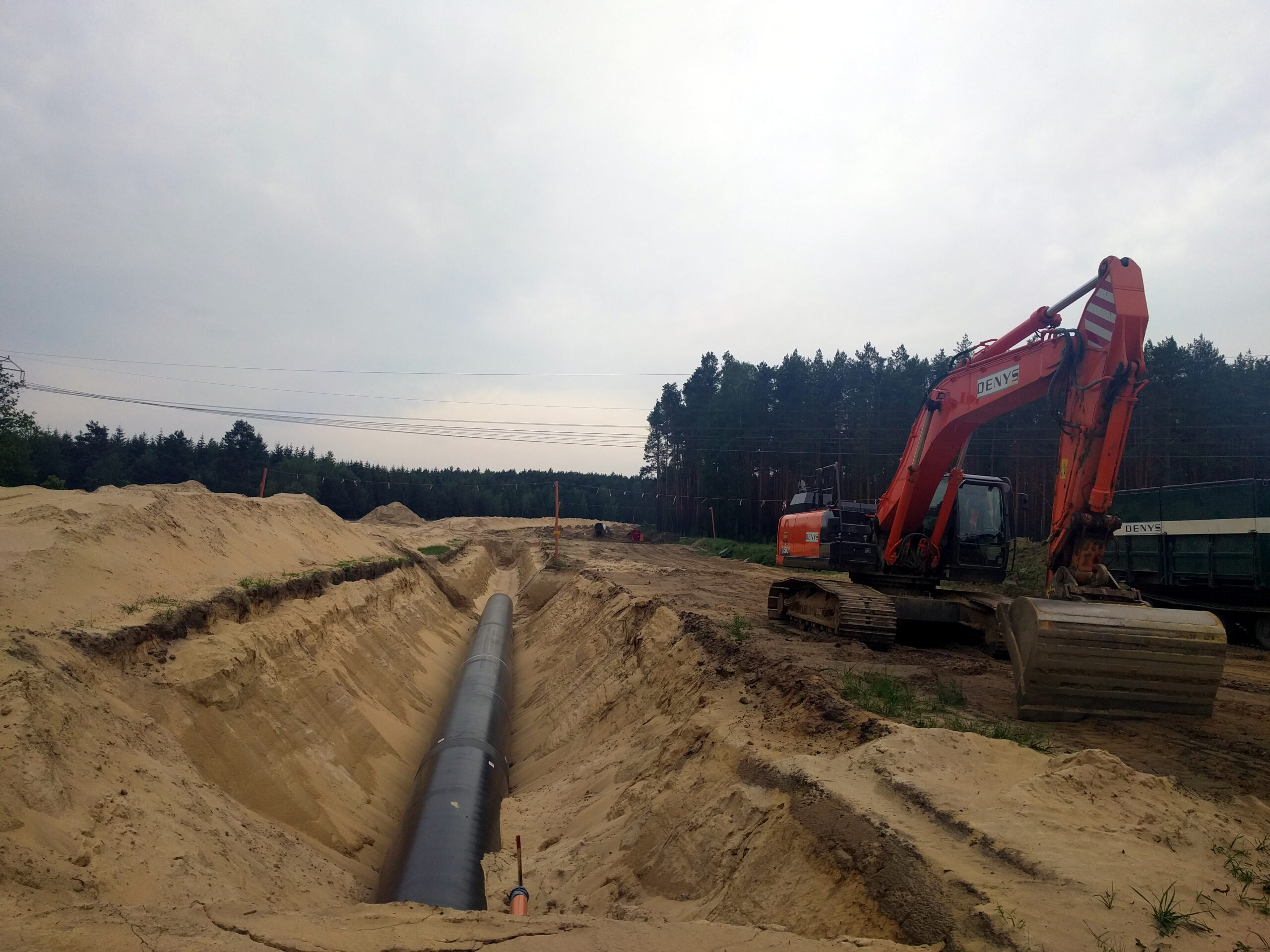
The facility still needs an air-quality permit for its fuel-cell power system. New Mexico’s environmental department is not expected to decide on that permit until November 23, 2026, nearly two months away. Until that permit clears and the pipeline’s new February 2027 timeline holds, the project’s 2028 completion target stays dependent on two separate approvals. Oracle controls neither directly.
Why the Oracle Project Jupiter delay worries investors
The force majeure notice landed the same week Oracle reported fiscal first-quarter capital expenditures of $28.5 billion. That is more than triple the $8.5 billion it spent a year earlier. Free cash flow was negative $5 billion for the quarter. That spending pace was already drawing questions about how quickly Oracle’s AI infrastructure bets would pay off. A delay on one flagship project, even one tied to permitting rather than demand, gives skeptics a concrete data point. The stock’s drop reflects that broader unease about timeline risk across the industry’s AI buildout, not just this single site.
How this compares to the rest of the industry
Oracle is not alone in racing to build AI data center capacity faster than power grids can keep up. Utilities across the US have flagged similar bottlenecks tied to other hyperscale projects this year. Force majeure clauses exist precisely for situations like this one, where a developer’s construction timeline outruns a third party’s regulatory approval process. What makes Project Jupiter notable is its scale: 2.45 gigawatts is enough to power a small city, and Oracle’s roughly $165 billion commitment to AI infrastructure makes any delay, however temporary, a headline event for investors watching the broader AI spending cycle.
Why power, not chips, is the real bottleneck
AI data centers are increasingly limited by electricity supply, not computing hardware. Permitting and pipeline construction move on government timelines, not corporate ones. That mismatch is now showing up in project after project across the industry, and Project Jupiter is simply the most visible recent example.
What Oracle’s timeline looks like now
Oracle has not said whether it would seek an alternative power source if the pipeline slips again. Two dates now matter most. New Mexico regulators are due to rule on the air-quality permit by November 23, 2026. The pipeline’s revised target is February 2027. If both hold, Oracle’s 2028 completion goal for Project Jupiter stays intact. If either slips again, the force majeure clause buys Oracle time on payments. It does not solve the underlying power-supply problem. For related coverage of AI infrastructure spending reshaping company valuations, see our reporting on AMD’s trillion-dollar valuation and the global memory shortage driving up device prices.
Questions About Project Jupiter
What caused the Oracle Project Jupiter delay?
A gas pipeline meant to power the facility’s Bloom Energy fuel cells was pushed from a summer 2026 launch to February 2027 after developers failed to secure regulatory permits on time.
Did Oracle abandon Project Jupiter?
No. Oracle said the project remains on its planned schedule and that it is fully committed to the New Mexico site; force majeure was used to defer payments, not to exit the project.
How big is Project Jupiter?
It is a 2.45-gigawatt data center in New Mexico, with Oracle as the primary tenant and Blue Owl Capital handling construction.
How did markets react to the delay?
Oracle’s stock fell more than 3% following the force majeure disclosure.
What still needs to happen before the project is complete?
New Mexico’s environmental department must approve an air-quality permit for the fuel-cell power system, with a decision expected by November 23, 2026, and the pipeline must hit its revised February 2027 target.
How does this fit into Oracle’s broader spending?
Oracle reported $28.5 billion in capital expenditures in fiscal Q1 2026, up from $8.5 billion a year earlier, alongside negative free cash flow of $5 billion for the quarter.
Sources
- SiliconANGLE — Oracle issues ‘force majeure’ notice to developer of New Mexico data center over energy delays. https://siliconangle.com/2026/09/24/oracle-issues-force-majeure-notice-to-developer-of-new-mexico-data-center-over-energy-delays/
- The Motley Fool — Stock Market Midday, Sept. 24: Stocks Slide as Treasury Yields Climb, Oracle Declares Force Majeure. https://www.fool.com/coverage/stock-market-today/2026/09/24/stock-market-midday-sept-24-stocks-slide-as-treasury-yields-climb-oracle-declares-force-majeure/
Verification your users actually receive.
Send one-time passcodes over WhatsApp with a single API call. Replio can generate, hash and verify the code for you.
