
Never lose a customer to a missed message
An AI agent trained on your own business, replying in seconds, in any language, on every channel your customers already use.
New Zealand visa fees 2026 are rising across most visitor and work categories this year. Alongside an increase to the International Visitor Conservation and Tourism Levy. Immigration New Zealand adjusts its service charges for the first time in several years.
The increases apply to visa application charges rather than the visa rules themselves. Eligibility requirements are largely unchanged. The upfront cost of visiting, working or studying in New Zealand is climbing for most applicants.
What is actually changing with New Zealand visa fees 2026
Immigration New Zealand has raised visa application service fees across visitor, work and other categories. Part of a broader government push to have visa processing better cover its own administrative costs rather than relying on general taxpayer funding. The exact increase varies by visa type. Advisories tracking the change describe it as a meaningful jump rather than a token adjustment.
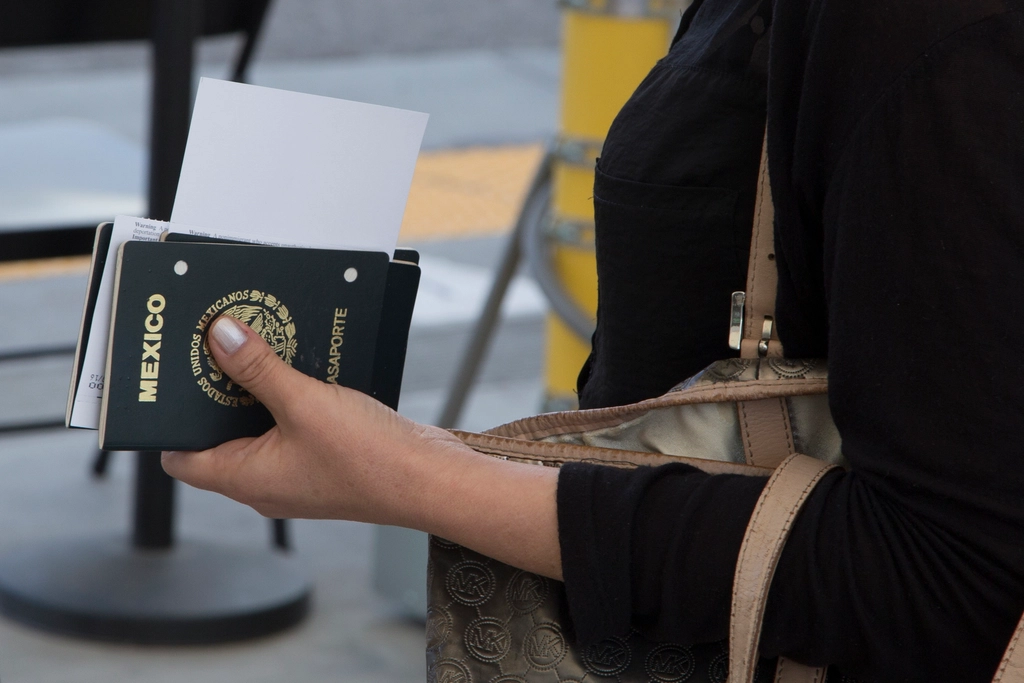
Separately, the International Visitor Conservation and Tourism Levy. A charge most visa-exempt and visa-required visitors pay on top of their visa fee, is also increasing. The levy funds conservation and tourism infrastructure and is a cost nearly every international visitor to New Zealand now factors into their trip budget.
Who is affected and when
The changes apply broadly across New Zealand’s visitor and work visa categories. Tourists, visiting workers and other temporary entrants will generally pay more than they would have a year earlier. Immigration advisories recommend checking the exact fee for a specific visa category directly with Immigration New Zealand before applying. Increases are not uniform across every visa type.
New Zealand’s move follows a broader regional pattern this year. Australia raised its own visa application charges by roughly 25% for 2026-27. Japan increased certain visa fees fivefold earlier in 2026. Pacific-region governments are simultaneously revisiting visa pricing.
The bigger picture for travellers to the region
Taken together with fee increases elsewhere in the Asia-Pacific region this year. The cost of visiting or working across several popular destinations has risen noticeably in 2026. Travellers planning multi-country trips through the region should budget for higher visa and entry costs than in previous years. Rather than assuming prices have stayed flat.
What applicants should check before booking
Anyone applying for a New Zealand visa should confirm the current fee and levy amount for their specific category directly through Immigration New Zealand’s official channels before submitting payment. The increases vary by visa type and may be adjusted further.
Travel agents and tour operators serving New Zealand-bound clients should also update cost estimates to reflect the new fee structure. Particularly for group bookings where small per-person increases add up quickly.
More on visa fee changes this year
See our coverage of Australia’s updated skilled visa salary thresholds and our report on Japan’s fivefold visa fee increasefor more on how fees are shifting across the region this year.
How this affects trip planning
Travellers building a multi-destination Pacific itinerary should treat visa and levy costs as a line item that has shifted meaningfully this year. Rather than assuming last year’s budget still applies. For families or groups, the levy increase in particular can add up quickly once multiplied across several travellers.
Why New Zealand is recovering more of its own costs
Immigration New Zealand’s fee increases reflect a wider government push to have visa and border services pay for themselves rather than drawing on general tax revenue. A principle several other popular destinations have cited when raising their own fees this year.
Critics of this approach argue it risks pricing out budget-conscious travellers from lower-income countries. Supporters say it ensures the cost of processing and verifying applications is borne by those actually using the system. Rather than subsidised broadly by taxpayers who may never visit.
What this looks like for a typical visitor
A solo traveller on a short visit will feel the increase mainly through a higher upfront payment before departure. A family of four or a tour group will see the levy increase multiply across every member. Making it one of the more noticeable line items in a New Zealand trip budget this year compared with previous seasons.
Those planning ahead should also watch for any further adjustments. Officials have not ruled out additional revisions once the current round of changes has been in effect for a full tourism season.
Frequently Asked Questions
Are New Zealand visa fees increasing in 2026?
Yes. Immigration New Zealand has raised application service fees across most visitor and work visa categories. Alongside an increase to the tourism levy.
What is the International Visitor Conservation and Tourism Levy?
It’s a charge most international visitors to New Zealand pay on top of their visa fee. Funding conservation and tourism infrastructure. It is also rising in 2026.
Do the fee increases change who is eligible for a visa?
No. The changes affect the cost of applying, not the underlying eligibility rules for each visa category.
Is New Zealand the only country raising visa fees this year?
No. Australia raised its visa application charges by about 25% for 2026-27 and Japan increased some visa fees fivefold earlier in 2026.
Where can I check the exact fee for my visa type?
Immigration New Zealand’s official website lists current fees by visa category. Advisories recommend checking there directly since increases are not uniform.
Sources
- EIG Law — New Zealand visa service fees to rise in 2026https://eiglaw.com/new-zealand-visa-service-fees-to-rise-in-2026
- Wego — Applying for a New Zealand visa in 2026? VAC fees, tourist levy and trip cost explainedhttps://blog.wego.com/new-zealand-visa-fees-tourist-levy-2026/
Verification your users actually receive.
Send one-time passcodes over WhatsApp with a single API call. Replio can generate, hash and verify the code for you.
