• Mon - Fri 9.00 - 19.00

Author Archives: Francisca Samuel

Author: Francisca Samuel

Francisca Samuel is an editor at Tamara News, where she covers immigration, travel, business and technology news for readers across Africa and the Gulf.

Canada Hit the US With $20 Billion in Tariffs — Washington Answered With a Ban

The trade dispute between Washington and Ottawa escalated sharply this month. Canada imposed retaliatory tariffs on roughly $20 billion of US goods. The United States responded with a ban on Canadian alcohol, motorcycles and dairy products. The US Canada trade war has now widened into direct import bans and government contracting restrictions. It deepens a rift between two of the world’s closest trading partners.

US-Canada border crossing point at the center of the US Canada trade war

How the US Canada Trade War Escalated This Month

Canada’s retaliatory tariffs took effect September 8, 2026. They apply to roughly CA$27.6 billion, about US$20 billion, of American goods. Rates range from 15% to 50% depending on the category. The list covers steel, dairy products, household appliances, agricultural equipment and paper products, according to Al Jazeera’s coverage of the tariffs taking effect. The move came in direct response to 50% US tariffs on a similar volume of Canadian goods imposed the previous month. Trade talks between the two governments had broken down before that.

Washington’s Countermove

The United States answered within days. NBC News reported that the US will ban a broad swath of Canadian alcoholic beverages, motorcycles and dairy products from import starting September 29, 2026. President Trump also moved the same week to shut Canadian products out of large, long-term US government contracts. That added a procurement dimension to what began as a tariff dispute.

What This Means for the USMCA

The dispute has widened a rift between two of the closest trading partners in the world. It has cast real doubt on the future of the US-Mexico-Canada Agreement. That deal was meant to keep trade between the three countries largely tariff-free. Industries on both sides of the border, from dairy farmers to motorcycle manufacturers, are now navigating a landscape the USMCA was specifically designed to prevent.

Dairy shipment affected by tariffs in the escalating US Canada trade war

Where the Dispute Goes From Here

The US import ban does not take effect until September 29. That leaves a narrow window for renewed negotiations before the restrictions bite. Both governments face domestic pressure. Canadian exporters are already absorbing the cost of US tariffs imposed last month. American distillers, dairy processors and motorcycle dealers who rely on Canadian imports are bracing for the ban. Analysts say a resumption of formal trade talks is the most likely path to de-escalation. Neither side has signaled a near-term return to the table.

Who Feels the Squeeze First

Dairy farmers on both sides of the border are among the hardest hit, since dairy appears on both countries’ tariff and ban lists. Canadian motorcycle makers face a near-total loss of access to their largest export market once the September 29 ban takes hold. American distillers who rely on Canadian barley and packaging materials are bracing for higher input costs even before any formal ban touches their own products. Steel producers in both countries are watching the broader dispute closely. Steel sits at the center of Canada’s retaliatory list and remains one of the most tariff-sensitive industries in North America. Consumers are likely to notice the impact last, as higher costs typically take a few months to move from producers to store shelves. Prolonged uncertainty makes it harder for manufacturers to plan supply chains that often cross the border multiple times before a finished product reaches a customer, a pressure that tends to push both governments back toward the negotiating table.

Frequently Asked Questions

What did Canada do that triggered this round of the trade war?

Canada imposed retaliatory tariffs of 15% to 50% on about CA$27.6 billion (roughly US$20 billion) of US goods on September 8, 2026. The list covers steel, dairy, household appliances, agricultural equipment and paper products.

How did the United States respond?

The US announced a ban on imports of Canadian alcoholic beverages, motorcycles and dairy products. The ban takes effect September 29, 2026.

Why did Canada retaliate in the first place?

Canada’s move followed 50% US tariffs on roughly $20 billion of Canadian goods imposed the previous month. Several rounds of trade negotiations between the two countries had already collapsed.

Did the US take any other action beyond the import ban?

Yes. President Trump also moved to shut Canadian products out of large, long-term US government contracts on the same day Canada’s retaliatory tariffs took effect.

What does this mean for the USMCA trade agreement?

The breakdown has widened a rift between the two longtime allies. It has cast doubt on the future viability of the US-Mexico-Canada Agreement, which was designed to keep trade between the three countries largely tariff-free.

When do the new US import bans take effect?

The ban on Canadian alcohol, motorcycles and most dairy products is scheduled to begin September 29, 2026.

How quickly the two governments find a path back to the table will determine what comes next. That could be a short-lived standoff, or a longer-term reshaping of North American trade three decades after NAFTA first tied the continent’s economies together. This dispute sits alongside other trade and export fights making headlines this month. See our coverage of the chip export loophole Washington is trying to close and the OPEC+ decision on October oil output.

Sources

Sweden Votes This Weekend — And the Far Right Wants a Seat at the Table

Sweden heads to the polls on September 13, 2026, in one of the most closely watched elections in the Nordic region this year. The centre-left opposition holds a narrowing lead over Prime Minister Ulf Kristersson’s right-wing coalition. The Sweden election 2026 could reshape how far a nationalist party sits inside mainstream European government. The Sweden Democrats are pushing for cabinet seats rather than the parliamentary support role they have played since 2022, a shift that would be closely watched across Europe.

Sweden's parliament building ahead of the Sweden election 2026

Sweden Election 2026: Where the Race Stands

Sweden’s centre-left opposition held a lead over the ruling right-wing bloc heading into the vote. That advantage has been shrinking. A poll conducted for public broadcaster SVT showed the gap narrowing from 9.5 percentage points in June to about 6.8 points more recently, according to reporting compiled by US News. Seat projections show Kristersson’s governing alliance — the Moderates, Christian Democrats, Liberals and the Sweden Democrats — winning around 45.8% of seats. That falls short of a majority on its own.

Why the Sweden Democrats Are the Story to Watch

The Sweden Democrats have propped up Kristersson’s government in parliament since 2022 without holding formal ministries. This time, the party is demanding cabinet seats as the price of continued support. The move would mark a notable shift in how directly Sweden’s nationalist right participates in government. Whether Kristersson agrees will shape not just this term, but how other Nordic and European centre-right parties approach similar coalition math going forward.

What’s Actually Driving Swedish Voters

The campaign has centered on cost of living, security, immigration, crime and energy supply. It is a similar mix of concerns to what has driven right-wing gains elsewhere in Europe this year. A factbox compiled by Yahoo News Canada notes that both blocs have leaned heavily on crime and immigration messaging. Those issues have featured prominently in Sweden’s public debate since a string of high-profile violent incidents in recent years.

Swedish flag ahead of the closely watched Sweden election 2026

What Happens After the Votes Are Counted

If the centre-left bloc’s lead holds, Sweden would see its first change of government since 2022. If Kristersson’s coalition claws back enough ground, the harder question becomes whether he brings the Sweden Democrats fully into cabinet. That decision is being watched closely well beyond Sweden’s borders, since it could shape coalition-building calculations for centre-right parties elsewhere in Europe.

What a Change of Government Would Actually Mean

A centre-left win would not reverse Sweden’s NATO membership, which enjoys broad support across the political spectrum since the country joined the alliance in 2024. The more immediate shifts would come on energy policy, welfare spending and how aggressively Sweden pursues its current, tougher approach to asylum and residency rules. A Social Democrat-led government would likely slow some of the stricter immigration measures introduced under Kristersson, while keeping the broad security posture largely intact. Business groups are watching the campaign’s tax proposals closely. Both blocs have floated changes to corporate and income tax rates that would take effect only after a new government is formally seated. Coalition talks could stretch for weeks after election day if the result is close. That pattern has played out in several recent Swedish elections where no bloc won a clear majority on the first count.

Frequently Asked Questions

When is Sweden’s 2026 election?

Sweden holds its parliamentary election on September 13, 2026, choosing all 349 seats in the Riksdag.

Who is currently leading in the polls?

The centre-left opposition leads Prime Minister Ulf Kristersson’s ruling right-wing bloc. The gap has narrowed since June, from roughly 9.5 percentage points to about 6.8 points in the most recent polling.

What is Kristersson’s coalition trying to do?

Kristersson is seeking to form a majority government with his existing partners, the Christian Democrats and the Liberals. For the first time, he may bring the Sweden Democrats into cabinet seats rather than just parliamentary support.

Why does the Sweden Democrats’ role matter?

The Sweden Democrats have backed Kristersson’s government in parliament since 2022 without holding ministries. Demanding cabinet seats after this election would mark a significant shift in how far a nationalist party has moved into mainstream Swedish governance.

What are the main campaign issues?

Cost of living, security, immigration, crime and energy supply have dominated the campaign. Those concerns echo elections seen across the region this year.

Could the governing coalition win a majority on its own?

Seat projections show the governing alliance winning around 45.8% of seats. That is short of the majority it would need without support from the Sweden Democrats or another partner.

Whatever the outcome, Sunday’s result will be parsed closely across the Nordic region and beyond. It is a test of whether nationalist parties can keep converting parliamentary influence into formal governing power. Neighboring Nordic governments are watching too. Coalition arrangements in one country often shape the political calculus in the others, particularly on shared regional priorities like energy policy and border security. Sweden’s vote follows a string of consequential European elections this year. See our coverage of the AfD’s win in Saxony-Anhalt and, for a very different kind of vote, Russia’s Duma election this month.

Sources

The Supreme Court Just Stepped In on Missouri’s Voting Map — Twice in One Week

The US Supreme Court blocked Missouri from using its newly drawn, Republican-favoring congressional map on September 10, 2026, in a closely watched order. Justices intervened in November’s midterm elections for the second time in a single week. The pause over the Missouri congressional map keeps the fight over district lines tied up in the courts just weeks before ballots go to print. Election officials and candidates alike are left waiting for clarity.

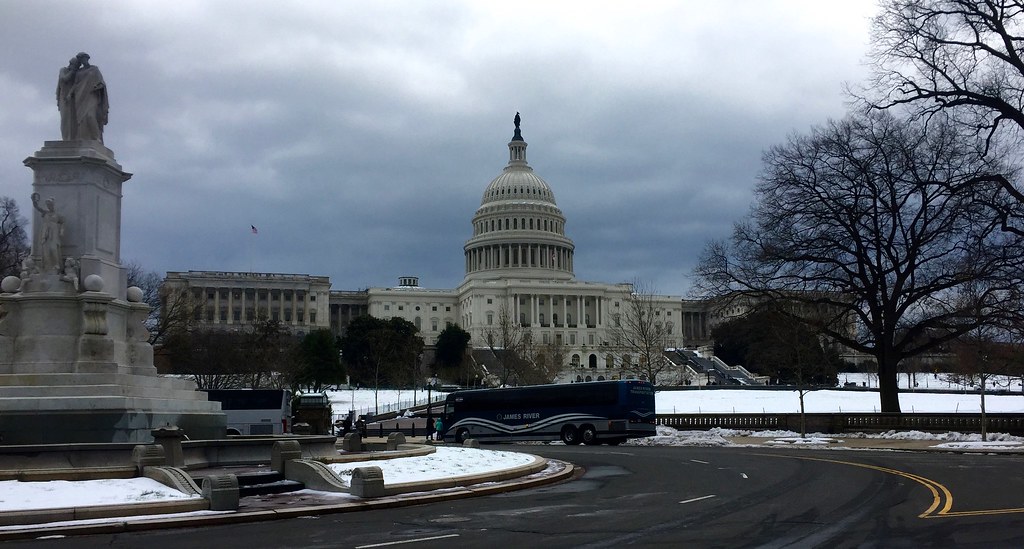
US Capitol building, focal point of the fight over the Missouri congressional map

Why the Missouri Congressional Map Ended Up at the Supreme Court

Missouri Republicans enacted a new congressional map in 2025. It was part of a broader, Trump-backed push to redraw district lines across GOP-controlled states ahead of the 2026 midterms. Opponents responded quickly by gathering signatures for a statewide referendum that would undo the new map entirely. The case has bounced between state and federal courts ever since. The Washington Post reported the Supreme Court’s Thursday order marked the second time in a week the justices paused the map’s use.

What the Missouri Supreme Court Already Decided

Earlier in September, the Missouri Supreme Court unanimously blocked the new districts from being used in the November election. It ordered a statewide vote on whether to keep or reject the Republican-drawn map, according to NBC News’ coverage of that ruling. That decision effectively froze the new map’s legal status while the referendum question makes its way to voters.

Which Map Missouri Will Actually Use

With the new map paused, Missouri is widely expected to fall back on its 2022 congressional map for November. That map currently splits the state’s seats six Republican to two Democratic. Legal analysts told NBC News the sequence of rulings likely signals the practical end of the fight over which map governs this cycle’s elections. The underlying referendum litigation may still continue in the background.

Voting machine used in US elections, relevant to the Missouri congressional map dispute

How This Fits the Bigger Redistricting Fight

Missouri’s case is one front in a nationwide, mid-decade redistricting push that has drawn in several Republican-led states this year. Similar legal battles are playing out elsewhere as both parties try to lock in favorable district lines before the midterms. What happens in Missouri could shape how aggressively other states pursue mid-cycle map changes. A Supreme Court willing to repeatedly pause a state’s preferred map sends a signal about how far courts will let legislatures go.

Other States Watching the Outcome

Missouri is not fighting this battle alone. Texas, Ohio and California have all pursued their own mid-decade map changes this year. It is part of a broader scramble by both parties to shore up House seats before November. Texas Republicans redrew their map earlier in 2026 with explicit encouragement from the White House, while California Democrats responded with a counter-effort of their own. Legal challenges are pending in several of those states too. The Supreme Court’s approach to Missouri could offer an early signal of how the justices might handle similar disputes elsewhere. Election administrators in Missouri face a practical deadline problem of their own. Ballots and voter information need to be finalized well before November, leaving a shrinking window to resolve which district lines apply.

Frequently Asked Questions

What did the Supreme Court do with Missouri’s map?

On September 10, 2026, the US Supreme Court temporarily blocked Missouri from using its newly drawn, Republican-favoring congressional map for the November elections. It was the second such block in a week.

Why was the Missouri congressional map redrawn in the first place?

Missouri Republicans enacted a new congressional map in 2025. It was part of a broader, Trump-backed push to redraw district lines in GOP-led states ahead of the 2026 midterms.

What did the Missouri Supreme Court rule?

Earlier in September, the Missouri Supreme Court unanimously blocked the new districts from being used in November. It ordered a statewide referendum asking voters whether to keep or reject the map.

Which map will Missouri use in November?

With the new map paused, Missouri is expected to fall back on its 2022 congressional map. That map currently allocates six seats to Republicans and two to Democrats.

Is this part of a bigger national redistricting fight?

Yes. Missouri’s case is one piece of a nationwide, mid-decade redistricting push led by President Trump. The push aims to redraw House district lines in Republican-controlled states before the midterms.

Does the Supreme Court’s pause end the legal fight?

Not fully. But legal observers say it likely signals the effective end of the battle over which map applies to the 2026 midterms. The referendum case itself continues in state court.

Missouri’s fight is a reminder that redistricting battles increasingly play out on compressed timelines, with courts, legislatures and voters all racing the election calendar at once. Whichever map Missouri ultimately uses, the dispute has already shown how a single state’s district lines can become a national flashpoint. In a closely divided Congress, a handful of seats can decide which party controls the chamber. For other elections shaping the fall political calendar, see our coverage of the AfD’s win in Saxony-Anhalt and Russia’s Duma election this month.

Sources

Nvidia Just Spent $13 Billion on a Company Most Shoppers Have Never Heard Of

Nvidia agreed on September 3, 2026 to buy Hugging Face, the open-source AI development platform. The deal is valued at roughly $12.93 billion. The Nvidia Hugging Face deal is Nvidia’s second-largest acquisition on record. It gives the chipmaker a direct line to the more than 18 million developers who use Hugging Face to build and share AI models.

Data center server racks tied to the Nvidia Hugging Face deal expansion into AI software

Inside the Nvidia Hugging Face Deal

The agreement is structured as approximately $11.9 billion in cash plus up to $1 billion in equity retention for Hugging Face employees. That comes from Bloomberg’s reporting on the transaction and Nvidia’s own securities filing. Hugging Face runs a platform and community for developing, sharing and deploying open-source models, datasets and applications. It is the software layer Nvidia has spent years trying to get closer to as it defends its position in AI hardware.

Why Nvidia Is Buying Its Way Into Open Source

Nvidia’s business has historically centered on chips, not the open developer communities that build on top of them. Acquiring Hugging Face changes that. It connects Nvidia’s hardware, software and cloud computing services directly to a platform where millions of developers already publish and download models daily. CNBC reported that Hugging Face’s own leadership approached Nvidia CEO Jensen Huang weeks ahead of the announcement. That suggests the platform saw the tie-up as beneficial for its own growth, not just Nvidia’s.

Nvidia’s Growing Acquisition Trail

The Hugging Face purchase ranks as Nvidia’s second-biggest acquisition. It trails only the roughly $20 billion purchase of assets from chipmaker Groq, completed in December 2025. That earlier deal is now drawing separate scrutiny. The US Justice Department is investigating whether Nvidia structured its licensing arrangement with Groq specifically to avoid antitrust review. The question could color how closely regulators examine the Hugging Face acquisition as it moves toward closing. Nvidia has made dozens of smaller acquisitions in recent years as it builds out its software and networking capabilities, according to deal-tracking firm Tracxn. The Hugging Face purchase breaks that pattern in scale, ranking it alongside only the Groq transaction as a deal large enough to draw sustained regulatory attention.

Server hardware representing the computing infrastructure behind the Nvidia Hugging Face deal

What Happens Before the Deal Closes

Nvidia’s securities filing points to a close in the first half of next year, pending regulatory approval. Until then, Hugging Face is expected to keep operating its platform independently. Developers and rival chipmakers will be watching closely. They want signs of how tightly Nvidia intends to integrate the platform with its own hardware and cloud offerings once the deal completes.

How Rivals and Investors Are Reacting

The deal size is large in absolute terms, but it remains a fraction of Nvidia’s overall market value, which analysts say helps explain why it has not dominated investor attention the way the Groq deal once did. The purchase can be read as a defensive move as much as an offensive one, aimed at keeping rivals from building closer ties to the open-source community Hugging Face anchors. Google and Meta both maintain their own open-model efforts. Developers on Hugging Face’s platform currently publish models built for a wide range of competing chip architectures, not just Nvidia’s. Whether that openness survives the acquisition is one of the biggest questions developers are asking. The deal is expected to close in the first half of next year. An open question is what happens to community-contributed models once a single hardware maker owns the platform hosting them. Neither company has detailed what governance changes, if any, will follow once the acquisition closes.

Frequently Asked Questions

What did Nvidia agree to buy?

Nvidia agreed on September 3, 2026 to acquire Hugging Face, the open-source AI platform used by developers to share and deploy models. The price is approximately $12.93 billion.

How is the Nvidia Hugging Face deal structured?

The transaction is roughly $11.9 billion in cash plus up to $1 billion in equity retention for Hugging Face staff, according to Nvidia’s securities filing.

Why does Nvidia want Hugging Face?

Hugging Face’s platform connects Nvidia with more than 18 million developers who build, share and deploy open-source models. It deepens the tie between Nvidia’s chips and the software ecosystem built on top of them.

Is this Nvidia’s biggest acquisition?

It is Nvidia’s second-largest acquisition on record. Only the roughly $20 billion purchase of assets from chipmaker Groq, completed in December 2025, was bigger.

When will the deal close?

Nvidia’s securities filing points to a close in the first half of next year, subject to regulatory approval.

Does this deal face antitrust scrutiny?

Nvidia already faces a separate US Justice Department inquiry into its licensing arrangement with AI-chip startup Groq. That backdrop could shape how regulators approach the Hugging Face deal.

Taken together, the Hugging Face deal and the ongoing Groq antitrust inquiry show a company simultaneously expanding its reach and defending its past dealmaking. That balancing act will likely define how regulators and rivals view Nvidia’s next moves. For more on Nvidia’s expanding footprint in AI infrastructure, see our coverage of the chip export loophole Washington is trying to close and the memory chip shortage squeezing Apple, Nvidia and Samsung. Our report on OpenAI’s GPT-6 Astra release covers the model Nvidia’s hardware increasingly competes to run.

Sources

The ECB Just Raised Rates While the Fed Sat Still — Here’s the Gap That Opens

The European Central Bank raised interest rates on September 10, 2026. It lifted its deposit rate to 2.50% in a bid to bring persistent inflation back toward target. The ECB interest rate hike takes effect September 16. It marks a clear break from the US Federal Reserve, which has held its own rate steady through the summer even as American producer prices accelerate.

European Central Bank headquarters in Frankfurt, where the ECB interest rate hike was announced

The ECB Interest Rate Hike, By the Numbers

The Governing Council voted to raise all three key rates by 25 basis points. The deposit facility rate rises to 2.50%, the main refinancing rate to 2.65%, and the marginal lending facility to 2.90%. The changes take effect September 16, 2026, according to the ECB’s official monetary policy decision. The move marks a resumption of ECB rate hikes after a pause, according to FXStreet’s preview of the decision. Markets had widely expected the move once August’s inflation figures came in. Attention now turns to whether the bank keeps raising rates if energy costs stay elevated.

Why Inflation Still Won’t Cooperate

The bank’s own staff projections, published alongside the decision, see headline inflation averaging 3.0% in 2026. That eases to 2.5% in 2027 and 2.1% in 2028, still above the ECB’s 2% target for the entire forecast window. The monetary policy statement cited the continuing conflict in the Middle East as a persistent driver of energy costs across the eurozone. It echoes the same oil-price pressure showing up in US producer prices this month.

A Widening Gap With the Federal Reserve

The move puts the ECB on a different path from the Federal Reserve. The Fed left the federal funds rate unchanged at 3.50%–3.75% for a fifth consecutive meeting through the summer. That divergence matters for anyone holding euros or dollars. A hawkish ECB alongside a cautious Fed tends to support the euro’s exchange rate, while raising borrowing costs for eurozone governments and mortgage holders alike.

Frankfurt's financial district skyline, home to the ECB interest rate hike decision

What Happens Next for Eurozone Borrowers

Banks across the 20 eurozone countries are expected to pass the higher deposit rate through to savings accounts within weeks. Mortgage and business loan rates tied to eurozone benchmarks will climb more gradually. The ECB’s next policy meeting will show whether September’s move was a one-off adjustment or the start of a longer tightening cycle. That is especially true if Middle East-driven energy costs keep pushing inflation above target into 2027.

Who Feels the Rate Hike First

Savers are likely to notice the change before borrowers do. Banks across the eurozone tend to raise deposit rates within weeks of an ECB move, since they compete for customer deposits. Mortgage holders on variable-rate loans will see a slower, more gradual increase. Lenders typically reprice loans on a quarterly or annual cycle rather than overnight. Government borrowing costs move faster. Eurozone sovereign bond yields ticked higher within hours of the announcement, reflecting the higher rate environment bond investors now expect to persist into 2027. Southern European economies with heavier debt loads, including Italy and Spain, are watching the move closely. A sustained rise in borrowing costs would add real pressure to their national budgets. Businesses planning new investment or expansion loans face a similar calculation. A quarter-point move across the eurozone’s borrowing base adds up across large, multi-year financing packages.

Frequently Asked Questions

What did the European Central Bank decide?

On September 10, 2026, the ECB’s Governing Council raised its three key interest rates by 25 basis points. The deposit rate rises to 2.50%, the main refinancing rate to 2.65% and the marginal lending rate to 2.90%, effective September 16.

Why did the ECB raise rates instead of holding them?

The bank pointed to inflation that remains well above its 2% target. The conflict in the Middle East continues to push up energy costs across the eurozone.

How high does the ECB expect inflation to go?

New ECB staff projections see headline inflation averaging 3.0% in 2026. That eases to 2.5% in 2027 and 2.1% in 2028, still above target through the forecast horizon.

How does this compare with the US Federal Reserve?

The Fed has held its benchmark rate steady for five straight meetings. The ECB has now moved to actively raise rates, a divergence traders are watching for its effect on the euro-dollar exchange rate.

When does the new ECB rate take effect?

The new deposit, refinancing and lending rates apply from September 16, 2026, the day after the decision.

Who does a rate hike affect first?

Higher ECB rates typically raise borrowing costs for mortgages, business loans and government debt across the 20 eurozone countries. Consumer spending, and eventually inflation, tend to slow after that.

The ECB’s decision lands in the middle of a busy month for European policy. Sanctions, energy security and inflation are all competing for attention at once. The ECB’s move follows a summer of sanctions pressure on Russia tied to the war in Ukraine. See our coverage of the EU’s new Russia sanctions push after the Leipzig drone incident and the extension of existing EU sanctions. For how central banks elsewhere are responding to the same inflation pressure, read our report on the Bank of England’s September vote.

Sources