• Mon - Fri 9.00 - 19.00

Author Archives: Francisca Samuel

Author: Francisca Samuel

Francisca Samuel is an editor at Tamara News, where she covers immigration, travel, business and technology news for readers across Africa and the Gulf.

Hurricane Lowell Just Weakened Over Hawaii. Here’s What’s Still Closed

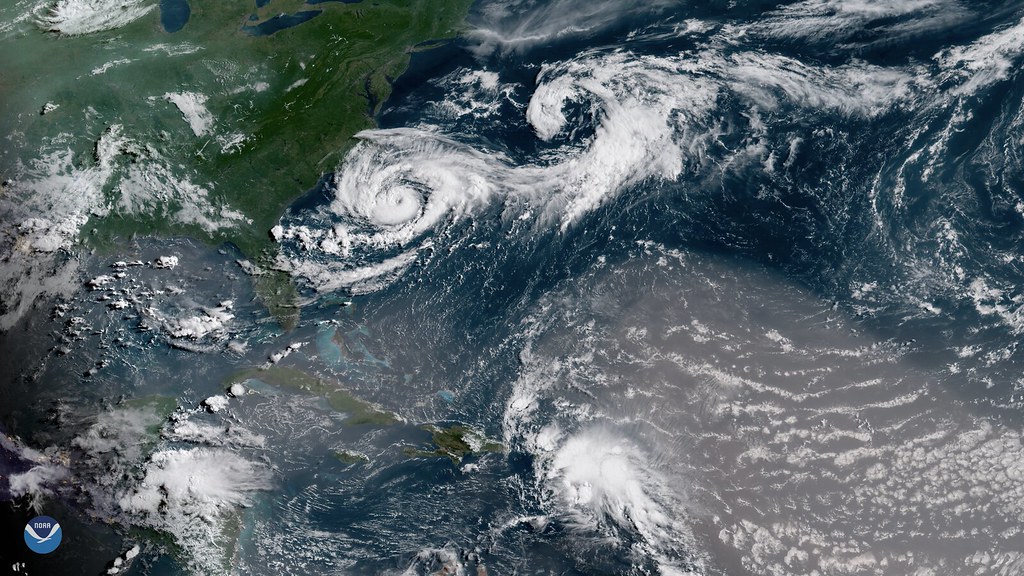
Hurricane Lowell Hawaii travel warnings have been lifted for Kauai County and Oahu. The storm weakened to a Category 1 hurricane with winds of 80 miles per hour by 8am on Tuesday, September 8, 2026. Conditions have improved significantly across the state, including on Niihau, Kauai and Oahu. Cleanup from the storm’s earlier impact still continues in several areas.

Current status of Hurricane Lowell Hawaii travel warnings

The Hurricane Warning previously in place for Kauai County has been cancelled, and the Tropical Storm Warning for Oahu has also been lifted, according to the Hawaii Emergency Management Agency. That marks a meaningful de-escalation from the storm’s most dangerous phase, when its forecast path shifted closer to the islands and warnings covered a wider area.

Hurricane Lowell Hawaii travel
Hurricane Lowell Just Weakened Over Hawaii. Here's What's St

Despite the downgrade, travelers should not assume normal operations have fully resumed. Emergency officials are still working through storm damage assessments, and some services affected during the storm’s peak have not yet returned to normal.

Where the damage was worst

Kauai County and Oahu sustained the most severe impact, including widespread power outages on Kauai and significant outages on Oahu as well, according to reporting from ABC7 San Francisco. Heavy rain and dangerous swells affected the state broadly in the days before the downgrade, with large swells generated by Lowell reaching Hawaiian waters even where the storm’s center passed further offshore.

Recovery crews are working to restore power in the hardest-hit areas. Travelers with accommodations in Kauai or Oahu should check directly with their property before assuming full utilities are available.

What visitors were told during the storm

Before Lowell’s closest approach, Kauai County officials advised visitors to remain at their accommodations rather than attempt travel around the island. Airlines adjusted schedules in response to the storm, and authorities urged travelers to confirm flight status directly with carriers before heading to the airport.

Hawaii State Parks issued closure notices ahead of the storm, and activity operators across the affected islands paused tours and excursions until conditions improved enough to resume safely.

What travelers should watch this week

Anyone with upcoming travel to Kauai or Oahu should confirm accommodation status directly. Power outages are still being addressed in parts of both islands. Checking with airlines before departure remains sound practice until airport operations are confirmed fully normal.

Hawaii State Parks and individual activity operators are expected to lift remaining closures on a rolling basis. Assessments are still being completed island by island, rather than all at once.

Rental car companies and ground transportation providers on Kauai have reported limited disruption beyond the storm’s peak days. Most report normal availability for travelers arriving this week, though it is worth confirming directly if picking up a vehicle soon after arrival.

Cruise lines with Hawaii itineraries adjusted a handful of port calls during the storm’s approach but have since resumed their normal schedules. Passengers on upcoming sailings should still check with their cruise line directly for the latest port information.

How this storm compares with past Hawaii hurricanes

Hawaii sees direct hurricane hits far less often than mainland U.S. coastal states, which makes any storm that forces warnings across multiple islands notable on its own. Lowell’s shift closer to the islands before weakening echoed a pattern seen in several past Pacific storms that looked more threatening days out than they ultimately proved on arrival.

Hurricane Hone, which affected the islands in a previous season, offers a useful comparison. That storm also prompted warnings that were later downgraded as its track shifted, though it still caused meaningful disruption to power and travel in the areas it passed nearest.

Emergency planners in Hawaii say the bigger risk with storms like Lowell often comes from swells and rain bands extending far from the storm’s actual center, rather than the eye itself making landfall. That is part of why warnings covered a wider area than the storm’s final path actually crossed.

Tourism officials in Hawaii have not reported significant cancellations beyond the immediate storm window. Hotels and resorts across the islands generally maintained standard operations once warnings lifted, though individual properties in the hardest-hit areas may still be managing repairs.

Questions travelers are asking about Hurricane Lowell

Is it safe to travel to Hawaii now that Hurricane Lowell has weakened?
Warnings have been lifted for Kauai and Oahu, but travelers should confirm accommodation and activity status directly given ongoing power outages and cleanup.

Which islands were hit hardest by Hurricane Lowell?
Kauai County and Oahu sustained the most significant damage, including widespread and significant power outages respectively.

Are flights to Hawaii still being affected?
Airlines adjusted schedules during the storm’s approach. Travelers should confirm flight status directly with their airline before heading to the airport.

Are Hawaii State Parks open again?
Closures are expected to lift on a rolling basis as damage assessments are completed, rather than reopening all at once.

How strong was Hurricane Lowell at its peak?
The storm reached hurricane strength before weakening to Category 1 with 80 mile-per-hour winds by the morning of September 8.

For related travel disruption coverage, see our reporting on Labor Day flight disruptions and Delhi airport flight delays.

Sources

Canada Just Banned AI From Writing Your Refugee Claim. Here’s the Fine Print

New Canada AI immigration rules took effect on September 7, 2026, governing how artificial intelligence can be used in immigration and refugee proceedings. The Practice Notice, signed by Immigration and Refugee Board Chairperson Manon Brassard on July 10, bars AI from generating or materially changing personal evidence such as Basis of Claim narratives, affidavits and witness statements.

What the Canada AI immigration rules actually ban

The rules apply across all four divisions of the IRB: the Refugee Protection Division, the Refugee Appeal Division, the Immigration Division and the Immigration Appeal Division, according to the official Practice Notice. Parties appearing before the Board can no longer use AI tools to generate or substantially alter the personal evidence at the core of a claim.

Canada AI immigration rules
Canada Just Banned AI From Writing Your Refugee Claim. Here'

The restriction targets a specific concern: officials say AI has been used to insert fabricated or embellished details into immigration and asylum applications, undermining the credibility of the evidence review process, according to reporting from The Globe and Mail.

What still requires disclosure, but isn’t banned

Not every use of AI is prohibited. Certain other applications trigger mandatory disclosure requirements instead of an outright ban. That covers AI that generates or materially changes content in any document submitted to the Board. AI-assisted translation or transcription must always be disclosed too, regardless of how minor its role in preparing a document.

That distinction matters for applicants and their representatives. Using AI to organize or translate existing material is treated very differently from using it to invent or embellish the underlying facts of a claim. The Board has said the line is deliberate, not incidental.

Representatives who miss a disclosure requirement do not automatically lose their case. Adjudicators retain discretion to weigh the omission alongside the rest of the evidence rather than applying an automatic penalty.

A separate but related immigration move this week

Canada also opened a new Express Entry draw on September 4, 2026, issuing 3,500 invitations to apply for permanent residence to healthcare professionals, including nurses, pharmacists and physiotherapists. The draw is unrelated to the AI rules directly but reflects the same week’s broader push on immigration policy adjustments.

Together, the two moves show Canada tightening procedural integrity on one track while continuing to actively recruit skilled workers on another.

How the new AI rules will be enforced

The Board has not detailed specific penalties for undisclosed AI use beyond the general credibility and evidentiary consequences that already apply to fabricated or embellished claims. Enforcement will likely rely on adjudicators identifying inconsistencies during hearings rather than a separate detection mechanism.

Legal representatives preparing claims will need to build disclosure into their standard intake process going forward, given that even legitimate AI-assisted translation now requires it.

Why immigration lawyers are paying attention

Legal representatives who prepare refugee and immigration claims say the rules will change how they work day to day. Many currently use AI tools informally, for tasks like organizing evidence or drafting early outlines. Under the new rules, some of that assistance now needs formal disclosure.

Immigration lawyers interviewed by Canadian outlets have generally welcomed the clarity, even where it adds paperwork. Before this Practice Notice, there was no formal guidance on AI use at all, which left representatives guessing at what was acceptable.

Refugee advocacy groups have raised a separate concern. Some worry that broad disclosure rules could penalize legitimate AI-assisted translation for claimants who do not speak English or French fluently. The IRB says translation disclosure serves a procedural purpose. Officials describe it as a record-keeping step, not a punitive measure.

Canada’s move also puts it ahead of several peer countries on this specific issue. Few other national immigration systems have published formal, binding rules on AI use in adjudicative proceedings, making the IRB’s Practice Notice an early reference point other jurisdictions may study.

The rules arrive as AI writing tools have become widely accessible, making it easier than ever for claimants or representatives to generate polished-sounding narratives regardless of whether the underlying facts are accurate.

Frequently asked questions on Canada’s AI rules

When did the Canada AI immigration rules take effect?
The rules took effect September 7, 2026, under a Practice Notice signed by IRB Chairperson Manon Brassard on July 10.

What exactly is banned under the new rules?
Parties may not use AI to generate or materially change personal evidence, including Basis of Claim narratives, affidavits and witness statements.

Is all AI use in immigration cases now prohibited?
No. Some AI use, including translation and transcription, remains allowed, but representatives must always disclose it to the Board.

Which parts of the immigration system do these rules cover?
All four IRB divisions: the Refugee Protection Division, Refugee Appeal Division, Immigration Division and Immigration Appeal Division.

Did Canada make any other immigration moves this week?
Yes. A September 4 Express Entry draw issued 3,500 invitations to healthcare professionals, including nurses, pharmacists and physiotherapists.

For related coverage, see our reporting on the US immigrant visa freeze explainer and the October 2026 visa bulletin.

Sources

Fabletics Shared Your Shopping Data With Meta and TikTok, Suit Claims

A new Fabletics class action lawsuit was filed on September 9, 2026, in federal court in San Francisco. The suit alleges the activewear retailer unlawfully intercepted and shared customers’ online communications and purchase information with major advertising platforms, despite giving customers privacy assurances to the contrary.

What the Fabletics class action lawsuit alleges

According to the complaint, reviewed by Courthouse News Service, Fabletics embedded tracking technologies from Meta, Google, TikTok, Snapchat, LinkedIn and Microsoft directly onto its website. Those technologies allegedly collected customers’ personally identifiable information and shopping activity before shoppers had any opportunity to opt out.

Fabletics class action lawsuit
Fabletics Shared Your Shopping Data With Meta and TikTok, Su

The named plaintiff says she purchased leggings and jackets through the Fabletics website in March 2026, and that her identity and purchase details were disclosed to third-party advertising platforms without her knowledge or consent, according to case filings tracked by ClassAction.org.

Part of a wider pattern of complaints

This is not the only active class action facing the retailer. Fabletics also faces a separate suit alleging it passed the cost of 2025 tariffs onto customers while promising refunds it did not deliver. A third pending case alleges the company failed to clearly disclose that its VIP membership program automatically renews on a month-to-month basis.

Taken together, the three cases paint a picture of a company facing scrutiny on multiple fronts at once, from data practices to billing transparency, in the same court system over the same several-month period.

Why tracking-technology suits are becoming more common

Lawsuits alleging unauthorized data sharing through embedded ad-platform trackers have become increasingly common against e-commerce retailers. Plaintiffs’ firms are applying older wiretapping and privacy statutes to modern website tracking pixels. Courts have reached mixed conclusions on whether these tools count as unlawful interception under laws written before web tracking existed.

The outcome of the Fabletics case could hinge on a few narrow facts. When were customers actually notified about tracking? Did any real opt-out mechanism exist before data moved to third parties? Those details tend to decide cases like this one.

What happens as the case moves forward

Fabletics has not yet filed a public response to the complaint. Companies facing similar suits typically have roughly 30 days to respond once served. Timelines still vary by jurisdiction and case specifics.

If the case proceeds to class certification, more customers could join. Any consumer who made a purchase through the Fabletics website during the relevant period could eventually be eligible. That process typically takes months to resolve, even in cases nobody actively contests on the merits.

Privacy attorneys not involved in the case say the outcome could influence how other apparel retailers configure their own tracking tools going forward, regardless of how this specific dispute resolves. Several firms have already begun reviewing their own consent flows in anticipation of similar scrutiny, according to lawyers who track this niche of consumer litigation closely.

How this compares with past tracking-pixel cases

Retailers across the industry have faced similar suits in recent years. Plaintiffs’ firms have targeted companies for embedding ad-platform pixels that capture browsing behavior and send it to Meta, Google or TikTok before a shopper consents. Some cases have settled quietly. Others have gone to trial with mixed results.

Courts remain split on a core legal question: does a tracking pixel count as “interception” under wiretapping statutes written decades before web tracking existed? Some judges have said yes, treating the pixel as a third party listening in on a private communication. Others have ruled the retailer itself is a party to the communication, which exempts it from wiretapping liability under many state laws.

That legal uncertainty is part of why these cases keep being filed. Plaintiffs’ firms see an unsettled area of law with potential for large class recoveries, given how many customers a single retailer’s website can touch in a short period.

Retailers, meanwhile, have started auditing their own tracking setups more closely. Some have added clearer cookie consent banners specifically to blunt this type of claim before it is filed, though consent banners alone do not always resolve the underlying legal question.

Whether the Fabletics case follows the settlement pattern or proceeds toward a contested ruling will likely depend on how strong the plaintiff’s specific evidence turns out to be once discovery begins.

Common questions about the Fabletics lawsuit

What does the Fabletics class action lawsuit claim?
It alleges Fabletics shared customers’ purchase and browsing data with advertising platforms including Meta, Google and TikTok without proper consent.

Where was the lawsuit filed?
The suit was filed in federal court in San Francisco on September 9, 2026.

Are there other lawsuits against Fabletics right now?
Yes. Separate class actions allege the company improperly passed tariff costs to customers and failed to disclose automatic VIP membership renewal terms.

Has Fabletics responded to the allegations?
No public response had been filed as of this writing.

Who could be affected if the case is certified as a class action?
Customers who made purchases through the Fabletics website during the period covered by the complaint could potentially be included, pending court certification.

For more on recent consumer litigation, see our coverage of the Sony PlayStation Store lawsuit and the Apple UK antitrust case.

Sources

Chinese Firms Found a Way Around the Chip Ban. Washington Wants It Closed

The Nvidia chip export loophole lets Chinese AI firms access advanced computing power that direct export rules were meant to block. They do it by renting time on Southeast Asian data centers built with Nvidia’s top-tier chips. U.S. Commerce Department officials are now drafting a rule to close it. A draft is expected to circulate among trade groups as early as this month.

How the Nvidia chip export loophole works

Washington bars Nvidia’s most powerful chips, including the H100 and A100 series, from direct sale to China under a presumption-of-denial policy. A Chinese firm blocked from buying those chips outright has another option, though. It can instead rent remote cloud access to servers running on them, as long as those servers sit in a country the direct export ban does not cover.

Nvidia chip export loophole
Chinese Firms Found a Way Around the Chip Ban. Washington Wa

Data centers in Thailand and Singapore have become focal points for this workaround, according to CNBC. Chinese AI firms lease computing time on Nvidia-powered servers there, sidestepping the restriction that applies to physical chip shipments into China itself.

The legislative gap Washington is racing to close

A bill called the Remote Access Security Act, known as RASA, would extend U.S. export control authority to cover this kind of remote cloud access. The House passed it by a lopsided 369-to-22 vote in January, but the Senate has not yet taken it up, according to reporting reviewed by Asia Times.

Export-control lawyers say the Bureau of Industry and Security currently lacks clear statutory authority to police remote chip access until RASA becomes law. That legal gap is what has allowed the Southeast Asia workaround, sometimes referred to as the Aivres dispute, to persist.

Commerce Department’s next move

In the meantime, Commerce is drafting its own rule targeting data centers specifically in Thailand and Singapore, aiming to restrict Chinese firms’ ability to rent Nvidia-powered compute there even without new legislation. The rule could be shared with industry trade groups as soon as September, ahead of any Senate action on RASA.

The timing places the issue directly in the path of the upcoming Trump-Xi summit in Washington later this month, where the two leaders are expected to discuss whether the current arrangement continues.

Where the loophole debate heads next

Watch for two separate tracks: whether the Senate moves on RASA, and whether Commerce’s draft rule advances on its own regulatory timeline. The two could arrive in either order, and industry groups are expected to push back on any rule that raises compliance costs for cloud providers operating legally outside China.

Nvidia itself has largely stayed out of the political fight publicly, while continuing to sell chips into markets where sales remain legal under current rules.

Why enforcement has been so difficult

Export control law was built around physical shipments. A chip that never crosses a border, but is instead accessed remotely over the internet, does not fit neatly into rules written for cargo manifests and customs declarations. That gap is exactly what the Southeast Asia workaround exploits.

Data center operators in Thailand and Singapore are not necessarily breaking any law in their own jurisdictions. They lease server time to whoever pays for it, much like cloud providers everywhere. The legal question is whether the end user’s location and nationality should trigger U.S. export restrictions on that access.

Congress created the current gap somewhat inadvertently. Commerce rescinded a Biden-era know-your-customer requirement for cloud access, and export lawyers say that decision opened the door the current rule is now trying to close. Untangling that history has slowed the drafting process.

Enforcement also runs into a practical limit. Even if the U.S. tightens rules on Thailand and Singapore specifically, similar data centers could emerge in other countries not yet covered. Some analysts expect this to become a recurring pattern rather than a one-time fix.

Frequently asked questions about the chip loophole

What is the Nvidia chip export loophole?
It refers to Chinese AI firms renting remote access to Nvidia-powered servers in countries like Thailand and Singapore, avoiding the direct export ban on shipping chips into China.

What is the Remote Access Security Act?
RASA is a bill that would extend U.S. export control authority to cover remote cloud-based access to restricted chips. It passed the House 369-22 in January but awaits Senate action.

Can the Commerce Department act without RASA passing?
Commerce is drafting its own rule targeting Southeast Asian data centers, though export-control lawyers say broader enforcement authority depends on RASA becoming law.

Which countries are involved in the loophole?
Thailand and Singapore have been identified as locations where data centers provide Chinese firms with access to Nvidia-powered computing.

Will this come up at the Trump-Xi summit?
Yes. The two leaders are expected to discuss whether the current cloud-access arrangement continues when they meet in Washington on September 24.

For related coverage, see our reporting on the global memory chip shortage and the Anthropic-Nvidia compute deal.

Sources

The Bank of England’s Next Vote Could Go Either Way. Here’s the Math

The next Bank of England September vote lands on Thursday, September 17, 2026, at noon London time. It follows a divided vote in July, when three of nine Monetary Policy Committee members wanted a rise to 4.00% while the majority held Bank Rate at 3.75%. That split leaves the September outcome unusually hard to call.

Why the Bank of England September vote is finely balanced

Headline UK inflation has risen from 2.6% to 2.9% since the July meeting, according to the Bank’s own July 2026 monetary policy summary. The Bank’s central projection at that meeting showed CPI inflation peaking around 3.2% in the fourth quarter of 2026, well above the 2% target.

Bank of England September vote
The Bank of England's Next Vote Could Go Either Way. Here's

Crucially, August inflation figures land at 7am on Wednesday, September 16, the morning before the Committee votes. That means members will have two additional Consumer Prices Index readings and two more labour market releases in hand compared with the July meeting, giving fresher data a real chance to move the outcome.

What markets are pricing in

Market-implied probability estimates have varied notably in recent days. Some readings put the probability of no change as high as 90%, while earlier estimates put it closer to 72%, according to analysis from BritSavvy. A market-implied move of roughly 7 basis points above the current 3.75% rate suggests traders see some, but not overwhelming, chance of a hike.

The spread between those estimates itself signals genuine uncertainty. Unlike meetings where a hold or hike is treated as close to certain going in, this decision remains open heading into the final data releases.

The case for holding versus hiking

Policymakers favoring a hold point to the risk that raising rates too aggressively could choke off growth just as inflation pressures show signs of moderating elsewhere in the economy. Those favoring a rise argue that inflation running nearly a full point above target, and rising rather than falling, justifies tighter policy now rather than waiting.

The three dissenting votes in July signal that at least a meaningful minority of the Committee already leans toward tightening. Whether that minority grows depends heavily on what the August inflation print shows.

What to watch before the September vote

The August CPI release on September 16 is the single data point most likely to shift expectations. A reading meaningfully above 2.9% would strengthen the case for a hike. A reading that holds steady or eases would support the majority’s preference to hold.

Labour market data due before the meeting will also factor into the Committee’s thinking. Wage pressure remains a key input into how persistent inflation is likely to prove over the coming year.

Mortgage holders and homebuyers have a direct stake in the outcome too. A hold keeps borrowing costs steady for now, while a surprise hike would raise monthly payments on new and variable-rate mortgages almost immediately.

How this compares with the Fed and ECB

The Bank of England is not alone in facing a close call this month. The U.S. Federal Reserve left rates unchanged for a fifth straight meeting in July, though three officials dissented in favor of a hike. Fed Chair Kevin Warsh flagged persistent underlying inflation at the Jackson Hole symposium in August.

The European Central Bank, by contrast, has held its key rates steady since July with less internal division. Eurosystem staff project headline inflation averaging 3.0% in 2026, broadly similar to the Bank of England’s own outlook.

What sets the UK apart is the size of the dissent. A 6-3 vote signals real disagreement within the Committee, more pronounced than the splits currently visible at the Fed or ECB. That makes the Bank of England September vote this month one of the more closely watched among major central banks.

Currency traders have taken note. Sterling has shown more sensitivity to incoming UK data releases in recent weeks than the dollar or euro have to their own domestic releases, reflecting the market’s uncertainty about which way the September vote will go.

Readers’ questions on the rate decision

When is the next Bank of England September vote?
The Monetary Policy Committee announces its decision on Thursday, September 17, 2026, at noon London time.

What was the outcome of the July meeting?
The Bank held Bank Rate at 3.75% in a divided 6-3 vote, with three members preferring a rise to 4.00%.

What is UK inflation running at now?
Headline CPI inflation has risen from 2.6% to 2.9% since the July decision, with the Bank projecting a peak near 3.2% in Q4 2026.

What data comes out before the decision?
August inflation figures are released at 7am on September 16, the morning before the vote, along with additional labour market data.

Are markets expecting a rate hike?
Estimates vary. Some market-implied probabilities put the chance of no change as high as 90%, while other readings suggest a closer contest.

For related central bank coverage, see our reporting on the Bank of Canada’s rate hold and the latest jobs report and rate-hike odds.

Sources