
Never lose a customer to a missed message
An AI agent trained on your own business, replying in seconds, in any language, on every channel your customers already use.
The European Union bought itself a week. The bloc’s
Russia sanctions renewal failed to clear its usual six-month extension on 14 September
2026, so ambassadors rolled the list forward by seven days instead. The listings now run to midnight on 22
September. France and Slovakia held out over which names stay on, and the Danish presidency confirmed the
short extension after unanimity proved impossible.
What follows
How the Russia sanctions renewal stalled
The EU’s designations under its Ukraine territorial-integrity regime run in six-month blocks. Every
renewal needs all 27 member states to agree. Miss the deadline and the listings lapse automatically.
This round, agreement did not arrive. Slovakia asked for Russian businessmen Alisher Usmanov and Mikhail
Fridman to come off the list. France joined the call on Usmanov from 11 September. The remaining states
objected.
Rather than let asset freezes and travel bans expire overnight, ambassadors agreed a seven-day technical
rollover. They meet again on 22 September to attempt the full six-month renewal.
What is actually covered by the listings
The regime is large. Reporting on the deadline put the number of designated individuals and entities
near 3,000, targeted with asset freezes and travel bans.
The names at the top are familiar. Vladimir Putin and Sergei Lavrov are both on the list, alongside
military commanders, officials and business figures. Below them sit companies, banks and logistics
operators.
These personal designations are separate from the EU’s sectoral measures on energy, finance and
technology. Those sit under different legal instruments and were not at risk this week. It is the individual
listings that faced the midnight deadline.
The dispute is formally about individual names rather than the policy as a whole. Each designation rests
on its own evidence file, and a member state can argue that one file is weak without rejecting the regime.
That framing matters to the two capitals holding out. It also explains why the disagreement has not been
presented as a challenge to the sanctions policy itself.
Other member states read it differently. Slovakia has pressed for a broader loosening of the bloc’s
sanctions approach on previous occasions, which colours how its requests are received in Brussels.
Why a single name can hold up the whole list
Unanimity gives every capital a veto over the package rather than over one entry. A state that wants one
designation removed can only press its case by withholding consent from everything.
That structure turns individual disputes into bloc-wide deadlines. It also hands leverage to whichever
government is willing to run the clock down, because the alternative to agreement is total lapse rather than
partial.
The wider pattern is not new. Hungary and Slovakia have both slowed previous rounds. What is new here is
France appearing on the same side of a delisting request, which changes how the dispute reads politically.
We covered an earlier expansion of the regime in our report on
the new sanctions proposed
after the Leipzig drone incident, and the parallel deadlock at the UN in our piece on
the Iran sanctions panel
vote.
What a lapse would actually mean
If the listings expired, frozen assets inside the EU would become accessible again. Travel bans would
stop applying. Banks and registrars would need to act on the change quickly, because holding assets frozen
without a legal basis creates its own liability.
Reversal is not symmetrical. Re-listing a delisted person takes a fresh legal act, and that person can challenge it
in the EU courts. Assets moved in the interval are hard to reach again.
That asymmetry is why even sceptical member states have generally preferred short technical extensions
over letting a deadline pass. Our coverage of
the BRICS New Delhi
declaration sets out the counter-bloc’s position on exactly this kind of unilateral measure.
What has to happen by 22 September
Three outcomes are possible. Ambassadors agree the standard six-month renewal, with or without quiet
technical delistings. They agree another short extension, which would signal deeper deadlock. Or the list
lapses, which would be unprecedented for this regime.
Watch whether the Danish presidency revives the idea of moving to a twelve-month renewal cycle. Fewer
renewal points would mean fewer chances to hold the package hostage, which is precisely why some capitals
resist it.
Questions on the deadline
What did the EU actually extend?
The EU’s listings of individuals and entities under its Russia sanctions regime, extended by seven days to midnight on 22 September 2026.
Why only seven days?
Member states could not reach the unanimity a six-month renewal requires, so ambassadors agreed a short technical rollover instead.
Who objected?
Slovakia asked the bloc to delist Alisher Usmanov and Mikhail Fridman. France joined the request on Usmanov from 11 September.
How many people and entities are listed?
Reporting around the deadline put the figure near 3,000, subject to asset freezes and travel bans.
Are energy and banking sanctions affected?
No. Sectoral measures sit under separate legal instruments. This deadline applied to the individual and entity designations.
What happens if the list lapses?
Frozen assets in the EU would become accessible and travel bans would stop applying. Re-listing later requires a fresh legal act.
Source material
- Euronews — French-Slovak veto deepens EU deadlock on Russia sanctions renewal. https://www.euronews.com/my-europe/2026/09/14/french-slovak-veto-deepens-eu-deadlock-on-russia-sanctions-renewal
- Ukrainska Pravda — EU extends sanctions against Putin and Lavrov for only seven days. https://www.pravda.com.ua/eng/news/2026/09/14/8053401/
- APA — EU envoys extend Russia sanctions by seven days to debate six-month renewal. https://en.apa.az/asia/eu-envoys-extend-russia-sanctions-by-seven-days-to-debate-six-month-renewal-eu-presidency-says-524250
- Council of the EU — Russia’s war against Ukraine: EU sanctions. https://www.consilium.europa.eu/en/policies/sanctions-against-russia/
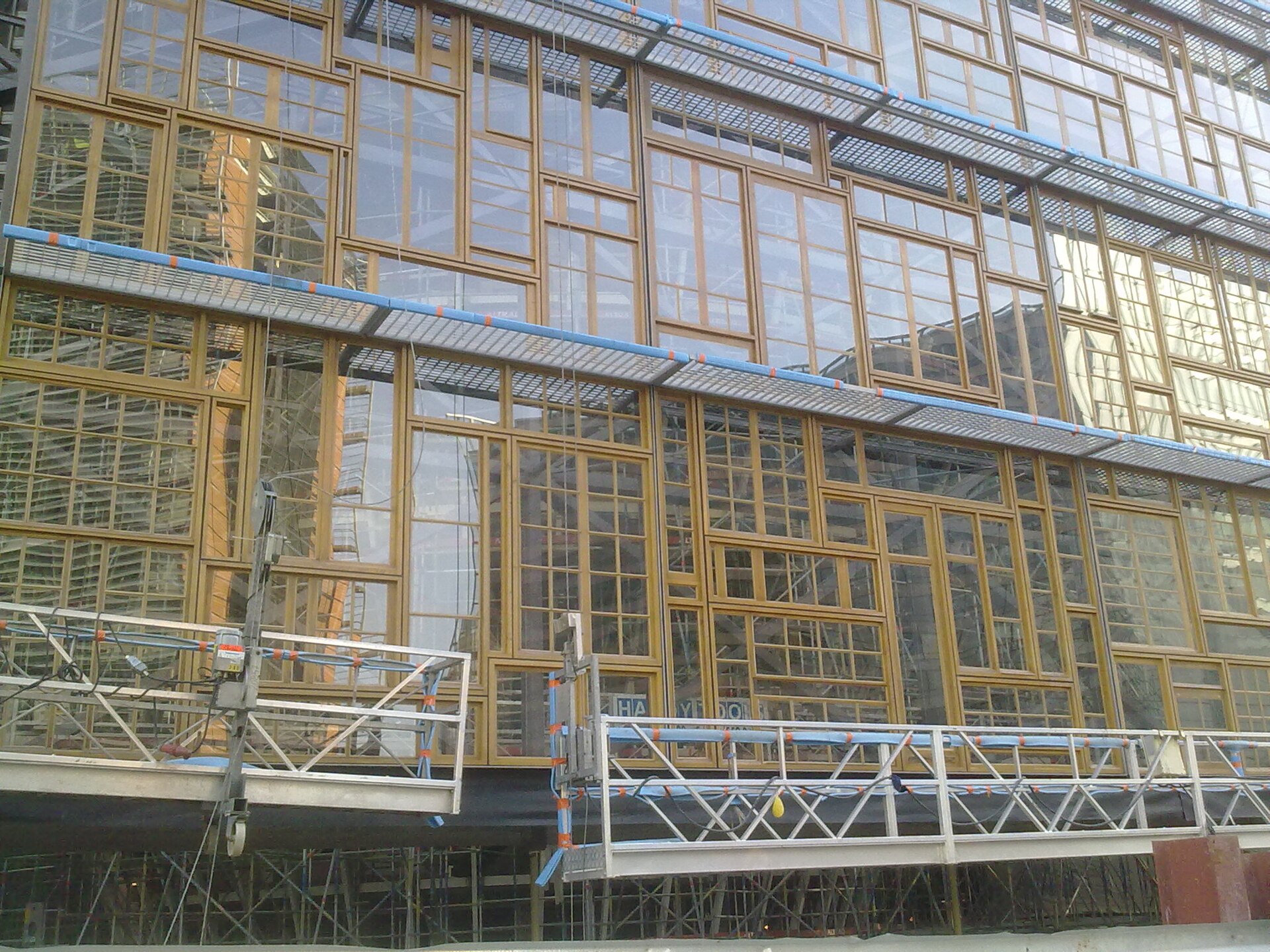
Image credit: Olnnu, via Wikimedia Commons (CC BY-SA 3.0).
Verification your users actually receive.
Send one-time passcodes over WhatsApp with a single API call. Replio can generate, hash and verify the code for you.