

Meet someone near you.
Live video chat with people nearby. One tap, free to start.

The Israeli military struck southern Lebanon again on Sunday, September 6. Hezbollah had launched drones at Israeli soldiers stationed in the border security zone. The Israel strikes southern Lebanon operation killed four people and wounded at least 20 others, according to Lebanon’s Health Ministry, cited by Haaretz.
What triggered the strikes
The Israeli military said Hezbollah launched two drones toward its soldiers inside the security zone. No Israeli soldiers were hurt in that attack. Israel called the drone launch “a blatant violation.” It responded with strikes across several areas, including the town of Arab Salim. Residents there had already received evacuation warnings.
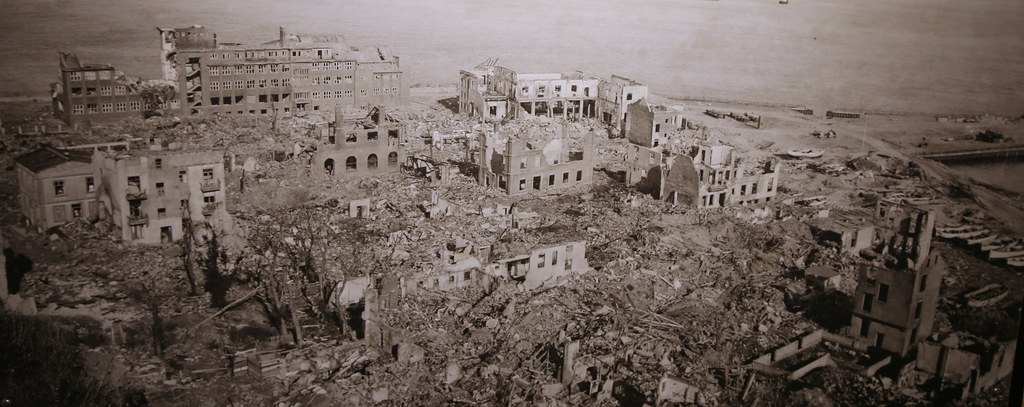
Israeli warplanes also hit areas around Upper Nabatieh and the outskirts of Kfar Roummane. RTÉ reported the details. The Israeli military said the targeted buildings had links to Hezbollah activity, though it gave few specifics.
How this fits the current ceasefire arrangement
Israel and Hezbollah have operated under a US-mediated ceasefire for months. Both sides have accused each other of violations on a rolling basis throughout that period. Sunday’s exchange stands out. A drone launch from Hezbollah was followed within hours by lethal Israeli airstrikes. That is a sharper pattern than the smaller, contained incidents that have defined most of the ceasefire period.
France 24 separately reported that Lebanese sources put the recent death toll from Israeli strikes in the south at 13. That figure spans a broader window than Sunday’s operation alone. It shows how fluid casualty counts remain as reports arrive from multiple locations at once.
What civilians in the affected areas face
Residents of Arab Salim and nearby villages got Israeli evacuation warnings before the strikes hit. The Israeli military has used this pattern repeatedly in southern Lebanon operations. Warnings reduce casualties, but they do not eliminate them. Some residents cannot leave quickly. Others are unwilling to abandon homes and property on short notice.
What could happen next
Watch whether Hezbollah responds with more drone or rocket fire. That would test whether the broader ceasefire framework survives this exchange or unravels further. US mediators brokered the original ceasefire, and they have a direct interest in preventing a full return to open conflict. Diplomatic pressure on both sides typically intensifies within days of an incident this serious.
Lebanese officials will also face pressure to show they can restrain Hezbollah’s actions near the border, a demand Israel has repeated after nearly every recent incident in the security zone.
The ceasefire’s rocky history
The current Israel-Hezbollah ceasefire has never been fully quiet. Both sides have logged complaints against the other almost every month since it took effect. Most incidents involved small-scale fire that drew limited responses. Sunday’s exchange broke that pattern. A drone launch drew an immediate, lethal air campaign rather than a contained reply.
Lebanese officials have said before that they lack full control over Hezbollah’s actions near the border. Israeli officials counter that Lebanon’s government bears responsibility regardless. That disagreement has never been resolved, and it resurfaces after nearly every incident like this one.
Southern Lebanon’s residents live with that unresolved dispute day to day. Evacuation warnings like Sunday’s have become a recurring feature of life near the security zone. Each new round of strikes adds pressure on families deciding whether returning home is worth the risk.
US mediators face a narrow path here. Push Israel too hard and risk looking weak on security guarantees it has offered in the past. Push too little and risk watching the ceasefire erode incident by incident until it is a ceasefire in name only.
Hezbollah, for its part, faces its own balancing act. It answers to a domestic audience that expects a response to Israeli strikes, while also operating under a Lebanese government that wants to avoid a full return to war. That tension shapes how measured or aggressive its next move is likely to be.
Neither side has framed Sunday’s exchange as a turning point so far. History in this conflict suggests that framing can shift quickly if either side reads the other’s next move as an escalation rather than a one-off response.
For residents in the border villages, the label diplomats choose matters less than whether the strikes stop. That distinction, between a policy debate in distant capitals and daily life under threat, is easy to lose in coverage of any single incident.
Common questions
What started the September 6 strikes in southern Lebanon?
Hezbollah launched two drones at Israeli soldiers in the border security zone. Israel responded with airstrikes across several areas of southern Lebanon.
How many people were killed or wounded?
Lebanon’s Health Ministry reported four people killed and at least 20 wounded in the strikes, according to Haaretz.
Is there still a ceasefire between Israel and Hezbollah?
A US-mediated ceasefire has held for months. Both sides have repeatedly accused each other of violations, and incidents like this one test whether it holds.
Did Israel warn residents before striking?
Yes. The Israeli military issued evacuation warnings for areas including Arab Salim ahead of the strikes.
Where exactly did the strikes hit?
Reported strike areas include Arab Salim, Upper Nabatieh and the outskirts of Kfar Roummane in southern Lebanon.
Sources
- Haaretz — IDF says it struck southern Lebanon after Hezbollah launched explosive drones. haaretz.com
- RTÉ — Israel launches fresh strikes on southern Lebanon. rte.ie
Related coverage on Tamara News: the Strait of Hormuz tanker attack and Russia’s latest strikes on Kyiv.
Verification your users actually receive.
Send one-time passcodes over WhatsApp with a single API call. Replio can generate, hash and verify the code for you.
