
Never lose a customer to a missed message
An AI agent trained on your own business, replying in seconds, in any language, on every channel your customers already use.
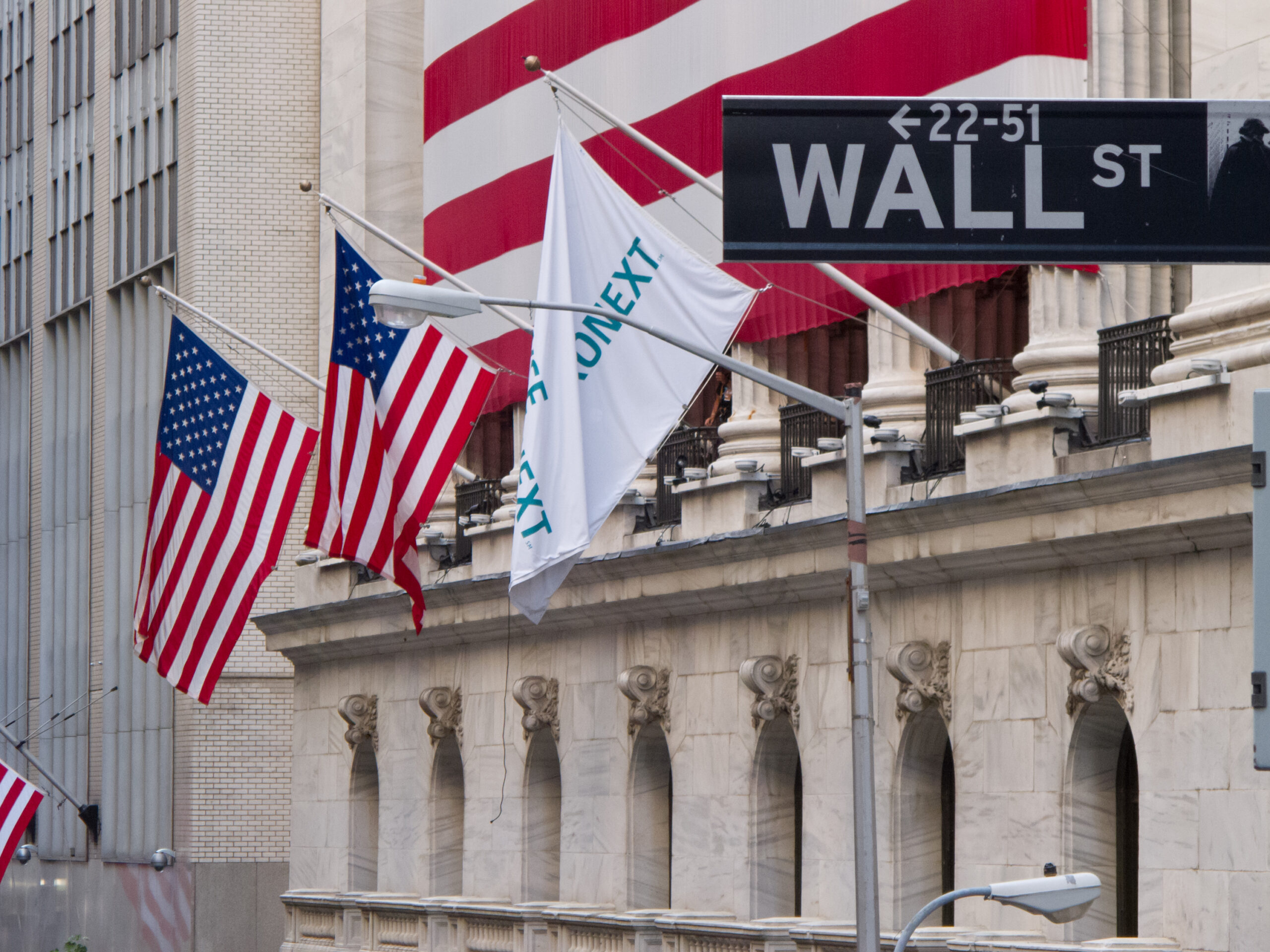
A stronger-than-expected August jobs report just pushed jobs report rate hike odds sharply higher. Wall Street fell on the news. Traders had to recalculate the chances of a Federal Reserve rate increase instead of a cut. Nonfarm payrolls rose by 162,000 in August. Economists polled by Dow Jones had expected only 53,000. Unemployment held steady at 4.1%.
Why the jobs report rate hike odds jumped so fast
CNBC reported the market reaction in detail. The surprise strength in hiring reignited a specific worry. Investors fear the labor market is running too hot for the Fed to comfortably cut rates. The Dow Jones Industrial Average fell 271.86 points, or 0.51%, to 53,414.25. The S&P 500 slid 0.38% to 7,718.60. The Nasdaq Composite dropped 0.29% to 26,506.99. Investors were pricing in a tougher path for monetary policy across the board.
What traders are now pricing in for the Fed’s September meeting
Traders raised the odds fast. The implied probability of a 25-basis-point rate increase at the Fed’s September 15-16 meeting jumped to about 65%. That is up from roughly 55% before the report, based on CME Group’s FedWatch tool data cited by Reuters. This marks a real shift. Just weeks earlier, markets had leaned toward a possible rate cut rather than a hike. Now the mood has flipped.
The inflation data that could still change the picture
Ellen Zentner is chief economic strategist at Morgan Stanley Wealth Management. She cautioned that the jobs numbers are not the final word. “An upside surprise in payrolls will likely ramp up concerns about a rate hike, but that outcome is in the hands of next week’s inflation numbers,” Zentner said. Kiplinger quoted her directly. “If those come in cooler than expected, the Fed will likely feel comfortable discounting potentially inflationary signals coming out of the labor market.”
Bond markets moved alongside stocks on the news. The yield on the 10-year Treasury note ticked higher as investors priced in a tighter policy path. Higher yields tend to raise borrowing costs across the economy, from mortgages to corporate debt, which is part of why equity investors reacted negatively to a report that, on its face, signaled a healthy labor market.
How this compares with other central banks’ recent decisions
The Fed is not alone in wrestling with sticky inflation. The European Central Bank and the Bank of England have each held or adjusted rates in recent months. Both are balancing growth concerns against price pressures. A hawkish surprise from the Fed would put the US somewhat at odds with that trend. Most major central banks are holding steady or preparing to ease, at least for now. A US hike would stand out against that global backdrop.
Retail and manufacturing data due later this month will add further texture to the picture the Fed is weighing. A soft retail number could ease hiking pressure even if inflation comes in slightly warm, since policymakers weigh the full run of incoming data rather than any single report in isolation.
What happens between now and the Fed’s decision
The next major data point is the August inflation report. It arrives before the Fed’s September 15-16 meeting. That report is likely to be the deciding factor. It will determine whether the central bank raises rates, holds steady, or opens the door to a later cut. Markets are expected to stay volatile in the run-up. Every economic release between now and then will get scrutinized for its effect on rate-hike odds.
Wage growth figures released alongside the payrolls number offered a mixed picture, with hourly earnings rising modestly but not dramatically. That detail matters because it feeds directly into the Fed’s broader inflation calculus. A jobs market that adds workers quickly without pushing wages sharply higher gives policymakers more room to maneuver than a report showing both metrics running hot at once.
Common questions, answered
What drove the jump in jobs report rate hike odds?
August nonfarm payrolls rose 162,000. That was far more than the 53,000 expected. Traders responded by raising the odds of a Fed rate increase.
How did stocks react to the report?
The Dow fell 271.86 points. The S&P 500 dropped 0.38%. The Nasdaq slid 0.29% as investors repriced rate expectations.
What are the odds of a Fed rate hike now?
Traders were pricing in roughly 65% odds of a 25-basis-point increase at the Fed’s September 15-16 meeting. That is up from about 55% before the report.
Could the Fed still avoid raising rates?
Yes. Economists say next week’s inflation data will be decisive. A cooler-than-expected reading could ease pressure for a hike.
What is the unemployment rate right now?
Unemployment held steady at 4.1% in the August report.
When does the Fed meet next?
The Federal Reserve’s next policy meeting runs September 15-16.
For more on central bank policy this year, see our coverage of the Federal Reserve’s September rate outlook and the European Central Bank’s latest rate decision.
Featured image: Carlos Delgado, CC BY-SA 3.0, via Wikimedia Commons.
- CNBC — Jobs report August 2026. https://www.cnbc.com/2026/09/04/jobs-report-august-2026.html
- Kiplinger — What a Blowout August Jobs Report Means for a September Rate Hike. https://www.kiplinger.com/investing/economy/jobs-report-august-2026-what-to-expect
Verification your users actually receive.
Send one-time passcodes over WhatsApp with a single API call. Replio can generate, hash and verify the code for you.