
Meet someone near you.
Live video chat with people nearby. One tap, free to start.

A sudden squall with wind speeds around 76 kmph combined with heavy monsoon rain to cripple operations at Indira Gandhi International Airport on September 4, 2026. The storm triggered over 400 flight disruptions. The Delhi airport flight delays forced between 9 and 11 flights to divert within a single hour, to alternate hubs including Jaipur, Lucknow, Ahmedabad, and Chandigarh, according to The Traveler.
Intense afternoon rainfall turned forecourts and access areas at IGI Airport into standing water. Passengers waded through pooled water to reach departure and arrival zones. IndiGo and Air India both issued travel advisories in the days after the squall. They warned that continued bad weather in the capital could cause further delays and slower ground transit to the airport.
What caused the Delhi airport flight delays
The squall’s winds severely reduced visibility and compromised runway and taxiway surface conditions. Those conditions typically force air traffic controllers to slow arrival and departure rates well below normal capacity. Waterlogged highways leading to the airport compounded the disruption. They delayed ground transport for both passengers and airport staff, an effect separate from flight operations but still part of the overall chaos.
Delhi’s monsoon season regularly floods IGI Airport. But the September 4 event stood out for its speed of onset and the concentration of diversions within a single hour. Airport operations staff called that pattern unusually rapid, even by monsoon-season standards.
IGI Airport is India’s busiest hub. It handles international and domestic traffic that connects onward to dozens of cities. A disruption concentrated in one afternoon still ripples through connecting itineraries for days. Aircraft and crew scheduling for the next day’s flights often depends on where planes ended up after diversions. Passengers with tight connections through Delhi were among the hardest hit. A diversion to Jaipur or Chandigarh could add hours to a journey with no built-in buffer.
Where the diverted flights went
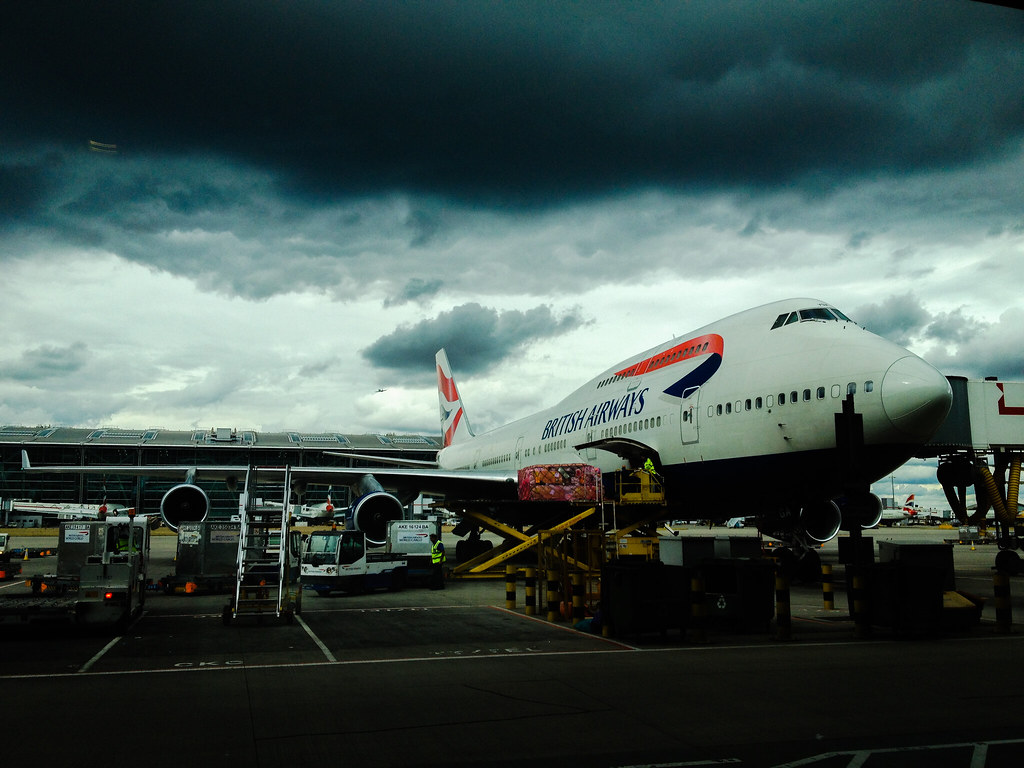
Aircraft unable to land at IGI Airport were redirected to Jaipur, Lucknow, Ahmedabad, and Chandigarh. That spread the disruption’s operational impact across four additional airports that had to absorb unscheduled arrivals. Airlines then faced a second task: repositioning aircraft and crew back to normal schedules once conditions at Delhi improved. That process typically takes longer than the storm itself.
Airlines respond with advisories, not cancellations
IndiGo issued a formal travel advisory for passengers flying through Delhi on September 5. It warned of possible delays and slower journeys to the airport, rather than announcing blanket cancellations. Air India followed with similar guidance. Both carriers focused on managing passenger expectations around timing, not halting Delhi operations outright. That reflects how often monsoon disruptions hit the airport during this season.
What happens next for Delhi’s aviation season
India’s monsoon season typically runs into late September. Further weather-driven disruptions at IGI Airport remain likely in the coming weeks. Airlines have not announced infrastructure changes in direct response to the September 4 event. Airport authorities have not detailed specific drainage improvements either, so passengers still depend on real-time advisories from carriers for now.
Delhi is not the only Indian hub affected by monsoon weather this season, though the September 4 squall was among the most severe single-day events reported at IGI Airport this year. Ground staff and air traffic controllers coordinated the diversions in real time as conditions shifted through the afternoon, a process that airlines say worked as designed even though passengers experienced it as chaos. Travelers flying through Delhi during the remaining monsoon weeks are advised to check flight status directly with their airline rather than relying solely on airport display boards, since weather-driven changes can happen faster than terminal signage updates.
Airport infrastructure investment has been a recurring topic in Indian aviation circles as passenger numbers keep climbing year over year. Critics argue drainage and stormwater systems have not kept pace with the airport’s growth, while officials point to the scale of India’s monsoon rainfall as a challenge no single infrastructure upgrade can fully solve. Neither side disputes that September 4 exposed real weaknesses in how quickly the airport can absorb a fast-moving squall.
For travelers, the practical lesson from this event is straightforward: monsoon-season bookings through Delhi carry real schedule risk, particularly for tight connections. Building extra buffer time into itineraries during August and September, when squalls like the September 4 event are most likely, can prevent a short weather delay from turning into a missed onward flight. Airlines’ advisories this season have consistently pointed travelers toward that same basic precaution.
Frequently asked questions
What caused the Delhi airport flight delays on September 4?
A sudden squall with wind speeds around 76 kmph combined with heavy monsoon rain, reducing visibility and flooding airport access areas.
How many flights were affected?
Over 400 flight disruptions were reported, with between 9 and 11 flights diverted within a single hour.
Where were diverted flights sent?
Jaipur, Lucknow, Ahmedabad, and Chandigarh airports received diverted aircraft.
Did airlines cancel flights or just delay them?
IndiGo and Air India issued travel advisories warning of delays and slower ground transit rather than announcing widespread cancellations.
Is more disruption expected at Delhi’s airport?
Yes. India’s monsoon season typically runs into late September, and further weather-driven delays at IGI Airport are considered likely.
Related coverage
- For similar disruption elsewhere this month, see our report on the European airport flight disruptions.
- See also our coverage of the Dubai and Abu Dhabi flight disruptions.
Sources
- The Traveler — Delhi IGI chaos as heavy rain delays 400+ flights, diverts dozens. thetraveler.org
- The Traveler — IndiGo warns of delays as heavy rain disrupts Delhi flights. thetraveler.org
Verification your users actually receive.
Send one-time passcodes over WhatsApp with a single API call. Replio can generate, hash and verify the code for you.
