
Never lose a customer to a missed message
An AI agent trained on your own business, replying in seconds, in any language, on every channel your customers already use.
A worsening memory chip price shortage has pushed the cost of DRAM and SSD storage sharply higher through 2026. Some component prices up more than 100% in just a few months as AI data centre demand collides with limited factory capacity.
Industry tracker TrendForce and multiple supply-chain reports describe a memory market caught off guard by how fast AI server buildouts have absorbed supply that used to go toward phones. Laptops and game consoles. The result is a squeeze that is now reaching ordinary consumer electronics. Not just data centre hardware.
How bad the memory chip price shortage has gotten
Reports tracking component pricing found RAM and storage costs rising by as much as 107% over a three-month stretch in mid-2026. DRAM contract prices alone projected to climb roughly 90% in a single quarter. Multiple supply-chain publications describe memory makers in South Korea and the United States halting routine price quotes altogether for stretches of the year. An unusual move that left module makers and PC builders unable to even get a firm number to plan around.
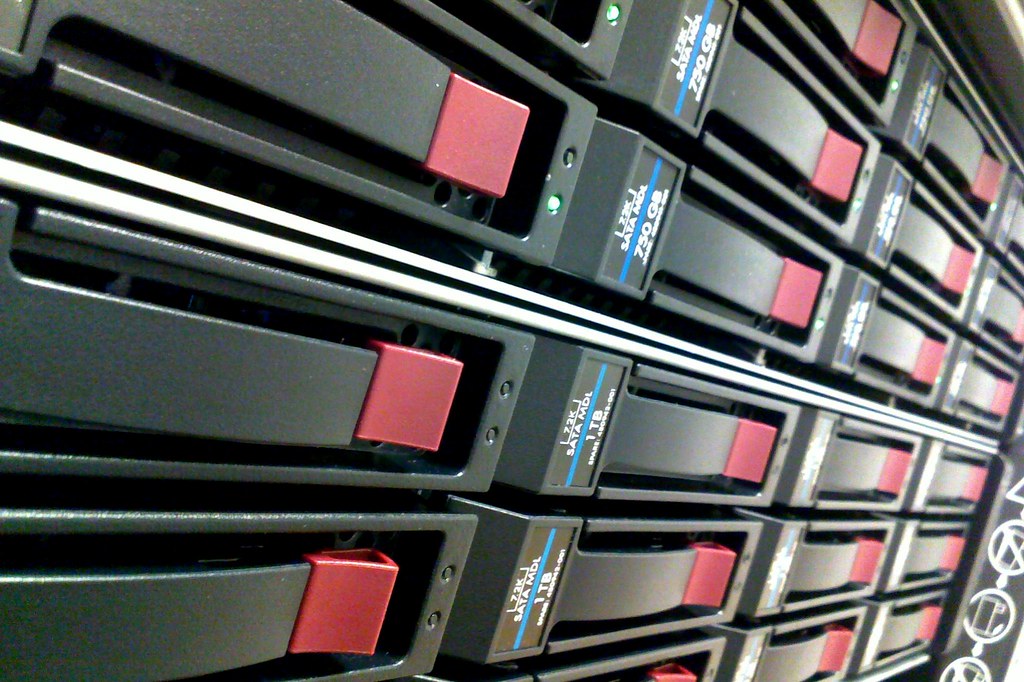
The driver is demand, not a single factory outage. AI companies are buying high-bandwidth memory and standard DRAM at a pace that memory manufacturers did not plan their factories around two or three years ago. When the current generation of fabrication capacity was being built.
Who actually pays for the shortage
PC and phone makers are the first to feel it. Memory and storage are built into nearly every device they sell. Consumer electronics brands have already signalled that higher component costs are working their way into retail prices. The squeeze is expected to persist through at least the first half of 2027 given how long it takes to add new memory fabrication capacity.
For AI companies themselves, the shortage cuts the other way. It is both a symptom of how much hardware they are buying and a rising cost line in their own infrastructure budgets. Adding to the broader debate over whether AI data centre spending is sustainable at its current pace.
Why this is not a simple supply-and-demand story
Semiconductor supply chains cannot expand overnight. Building new memory fabrication capacity typically takes one to two years and billions of dollars. Even if manufacturers commit today to new plants, relief for consumers would not arrive quickly. That lag is part of why industry trackers expect prices to keep climbing into 2027 rather than ease once current orders are filled.
Where memory prices go from here
Expect component costs to keep showing up in finished-product prices for laptops. Phones and game consoles through the rest of 2026 and into 2027. Memory makers have strong incentive to keep expanding capacity given the margins on offer. New fabrication plants take years to come online. The current squeeze is unlikely to ease quickly.
Buyers in the market for new devices or server hardware should expect list prices to track memory costs closely for the foreseeable future. Businesses planning data centre expansions should budget for storage and memory costs well above what they may have modelled a year ago.
Related reading
This shortage sits alongside a wider reckoning over AI infrastructure spending covered in our report ondelayed AI data centre IPOs amid valuation concerns, and our earlier coverage of Finland halting a Google data centre project.
How businesses are responding
Some device makers have started locking in longer-term supply contracts to protect against further price swings. Others are passing costs directly to consumers rather than absorbing them. Either approach reflects the same underlying reality. Nobody in the supply chain expects memory prices to return to 2024 levels while AI infrastructure spending keeps climbing.
What this means for the AI companies driving demand
Ironically, the same AI firms whose appetite for memory helped create the shortage are now paying more for the chips they need to keep expanding. That dynamic adds another cost pressure on top of the compute and power expenses already drawing scrutiny from investors watching overall AI infrastructure spending.
It also creates an incentive for AI companies to invest directly in memory supply. Whether through long-term purchase agreements or direct stakes in manufacturers. A strategy some chipmakers and cloud providers have already begun pursuing to lock in capacity rather than compete for it on the open market.
Frequently Asked Questions
Why are memory chip prices rising so fast in 2026?
AI data centre buildouts are consuming DRAM and high-bandwidth memory at a pace manufacturers didn’t plan their factories around. Leaving limited supply for phones, laptops and consumer electronics.
How much have memory prices increased?
Industry reports have tracked RAM and storage price increases of up to 107% over a three-month period in 2026. DRAM contract prices projected to rise roughly 90% in a single quarter.
Will laptop and phone prices go up because of this?
Likely yes. Consumer electronics makers have signalled that higher component costs are feeding into retail prices as the memory chip price shortage continues.
When will the memory shortage end?
Analysts expect the squeeze to persist through at least the first half of 2027. New memory fabrication capacity typically takes one to two years to come online.
Is this shortage connected to AI spending concerns?
Yes. The same AI infrastructure boom driving memory demand is also fuelling broader questions about whether current data centre investment levels are sustainable.
Sources
- ProPakistani — RAM and storage prices surge by up to 107% in three monthshttps://propakistani.pk/2026/06/24/ram-and-storage-prices-surge-by-up-to-107-in-just-three-months/
- SupplyChainConnect — Memory chip shortage drives up electronics priceshttps://supplychainconnect.com/news-trends/article/55382945/memory-chip-shortage-drives-up-electronics-prices
Verification your users actually receive.
Send one-time passcodes over WhatsApp with a single API call. Replio can generate, hash and verify the code for you.
