
Meet someone near you.
Live video chat with people nearby. One tap, free to start.

The Sweden general election race has tightened dramatically. Just over a week remains before the September 13 vote. A new poll shows the ruling right-wing coalition nearly erasing what had been a double-digit lead for the centre-left opposition. That shift makes the outcome far less predictable than it looked even a month ago.
How close the Sweden general election race has become
A new opinion poll shows Sweden’s four centre-left opposition parties holding a combined 50.3% of support. The ruling coalition sits at 47.7%. That gap is just 2.6 percentage points, within the margin of error. US News called it the smallest divide recorded in any survey published this year. As recently as mid-August, the opposition held a 10-percentage-point lead. That margin would have pointed clearly toward a change of government.
Why the gap narrowed so quickly
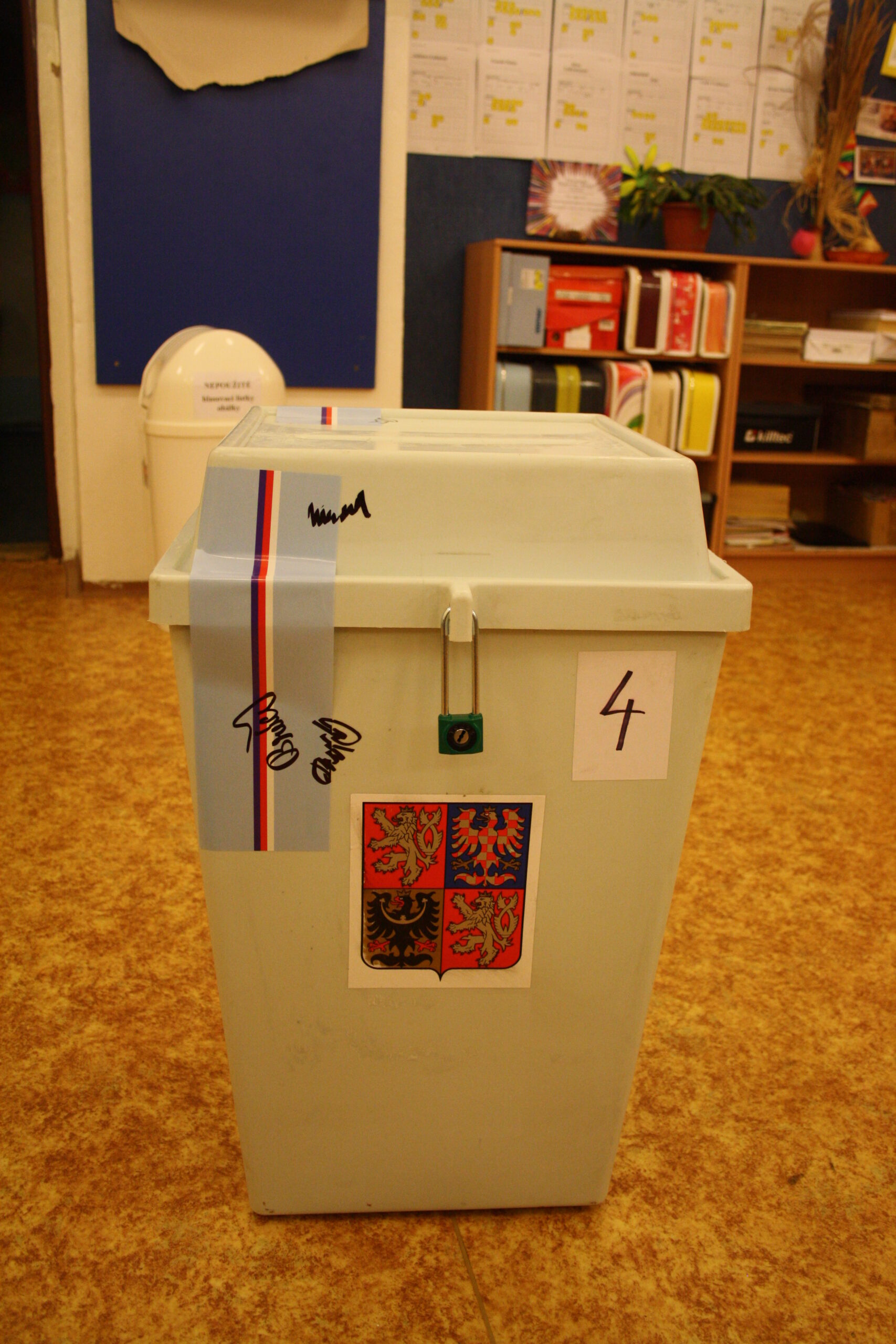
Polling shows the shift happened gradually but steadily. An August 11-23 survey put the coalition’s deficit at 6.8 percentage points. That was down from 9.5 points in June. Analysts point to a mix of factors common in tightening European races. Late-campaign momentum often favors the incumbent bloc. Enthusiasm among some opposition-leaning voters can soften as the actual vote approaches, too.
The coalition’s dependence on the Sweden Democrats
Sweden’s current minority government includes the Moderates, Christian Democrats and Liberals. It relies heavily on support from the right-wing populist Sweden Democrats to govern at all. In March 2026, the Liberals and the Sweden Democrats struck an agreement. Observers have dubbed it “the Sweden Promise.” It would hand the Sweden Democrats cabinet positions if the Tidö coalition wins a majority. That marks a significant shift for a party that previously supported governments only from outside the cabinet.
Sweden’s electoral system uses proportional representation, meaning smaller parties can still win seats even with modest vote shares. That structure makes coalition math unusually sensitive to small shifts in support, so a swing of even one or two points between now and election day could determine which bloc has enough partners to govern.
What a tightening race means for the vote itself
A margin this narrow raises the odds of genuine uncertainty on election night. Either bloc could plausibly form the next government. Turnout and undecided voters in the final days will likely decide it. A close result also raises the stakes around coalition negotiations afterward. Neither bloc looks likely to win a commanding majority outright at this point.
International observers, including delegations from other Nordic countries, are expected to monitor the vote given its potential to reshape regional alliances on migration and defense policy. A change of government in Stockholm would mark the first shift in Sweden’s ruling bloc in several election cycles.
What to watch before September 13
The final stretch of the Sweden general election race will likely bring more polling. New numbers could confirm the recent narrowing, or reverse it entirely. Whichever bloc ends up ahead, the closeness of the contest matters beyond the vote count itself. Post-election coalition talks are likely to be just as consequential. Much will hinge on whether the Sweden Democrats formally enter government for the first time in the party’s history.
Immigration policy, energy costs and law-and-order concerns have all featured heavily in this year’s campaign, echoing themes that have shaped elections across the Nordic region in recent years. Turnout in Swedish general elections typically runs above 80%, meaning the final result will hinge less on who shows up and more on how a relatively small share of undecided voters break in the campaign’s last days.
Quick answers to key questions
When is Sweden’s general election?
Sweden holds its general election on September 13, 2026.
How close is the Sweden general election race right now?
A recent poll put the centre-left opposition at 50.3% and the ruling coalition at 47.7%. That gap of 2.6 points sits within the margin of error.
Who is in Sweden’s current governing coalition?
The Moderates, Christian Democrats and Liberals govern as a minority. They rely on support from the Sweden Democrats.
What is “the Sweden Promise”?
It’s a March 2026 agreement between the Liberals and Sweden Democrats. It would give the Sweden Democrats cabinet positions if the coalition wins a majority.
How large was the opposition’s lead before it narrowed?
The centre-left opposition held roughly a 10-percentage-point lead as recently as mid-August.
Could either bloc win a majority outright?
Current polling suggests a close contest. That makes a clear majority for either side uncertain, with coalition talks likely afterward.
For more on elections and political shifts this year, see our coverage of Morocco’s general election and the opposition crackdown in Zambia.
Featured image: ArildV, CC BY-SA 4.0, via Wikimedia Commons. In-content image: Jiří Sedláček, CC BY-SA 3.0, via Wikimedia Commons.
- US News — Sweden’s Ruling Coalition Trails in Poll, but Closes Gap on Centre-Left Opposition. https://www.usnews.com/news/world/articles/2026-08-25/swedens-ruling-coalition-trails-in-poll-but-closes-gap-on-centre-left-opposition
- Wikipedia — Opinion polling for the 2026 Swedish general election. https://en.wikipedia.org/wiki/Opinion_polling_for_the_2026_Swedish_general_election
Verification your users actually receive.
Send one-time passcodes over WhatsApp with a single API call. Replio can generate, hash and verify the code for you.
