
The US immigrant visa freeze that paused green card processing for nationals of 75 countries has now been in effect for more than seven months. The State Department has given no announced end date. Applicants and families still asking why their case has stalled are often running into this policy rather than routine backlog delays.
The freeze took effect January 21, 2026, a week after the State Department announced it. It applies only to immigrant visas, the category that leads to a green card, not to tourist visas or most other nonimmigrant categories.
What the US immigrant visa freeze actually covers
PBS NewsHour reported the State Department cited concerns about applicants relying on public benefits as the stated reason for the pause. The freeze reaches family members of U.S. citizens, including spouses and children abroad. It also covers immigrant workers already in the process of employer sponsorship, provided they hold a passport from one of the 75 listed countries.

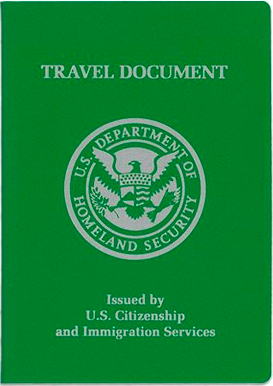
Photo: U.S. Citizenship and Immigration Services, public domain, via Wikimedia Commons.
Who is exempt from the freeze
The Council on Foreign Relations notes that this 75-country list is separate from, and broader than, the roughly 39-country entry travel ban. That narrower ban restricts actual admission to the United States. Countries such as Brazil, Egypt, Iraq, Jordan, and Thailand appear on the visa-freeze list without being subject to the narrower travel ban. Dual nationals holding a valid passport from a country not on the list are exempt from the freeze. That holds even if they were born in an affected country.

Photo: public domain, via Wikimedia Commons.
How families are affected in practice
Immigration attorneys report that cases already scheduled for a final immigrant visa interview before January 21 mostly proceeded on schedule. New interview scheduling for applicants from the 75 countries has largely stopped since then. Families midway through consular processing describe months of silence from the National Visa Center. There is no published mechanism for requesting a case-by-case exception outside of narrow humanitarian circumstances.
What legal challenges could change
Several immigrant advocacy organizations have signaled they are preparing lawsuits arguing the freeze exceeds the administration’s authority under existing immigration law. No court has yet issued an order blocking or narrowing the policy. Attorneys tracking the litigation say a ruling could take months. Similar immigration cases have moved through federal appeals courts at varying speeds over the past two years. Until then, families affected by the freeze have no clear timeline for when normal processing might resume.
Previous administrations have used narrower versions of visa pauses tied to specific countries during public health or security emergencies. A blanket freeze covering 75 countries at once has no direct recent precedent, according to immigration historians. Some members of Congress have introduced bills on the freeze. Those bills would require the State Department to justify it on a country-by-country basis rather than as a single blanket policy. None of those bills has advanced out of committee. Supporters of the freeze argue that a case-by-case review would defeat the administrative efficiency the policy is meant to provide.
What happens while the freeze stays in place
With no announced expiration date, immigration lawyers advise affected clients to keep their paperwork current. They also recommend continuing to pay required fees so a case does not lapse, even though processing itself has stalled. Advocacy groups have signaled possible legal challenges, though none have yet produced a court order affecting the freeze’s operation. For related coverage on other active immigration changes, see our reporting on the USCIS public charge rule update and the elimination of Duration of Status for student visas.
The public-charge rationale behind the freeze echoes similar restrictions the administration has applied to other visa categories this year. That includes tightened scrutiny of certain nonimmigrant applications. Immigration policy researchers note that public-charge related restrictions have expanded and contracted across different administrations for decades. That history makes them a frequent target of legal challenges. Families affected by the current freeze say the lack of a published review timeline is the hardest part. Even a temporary policy can permanently derail plans tied to jobs, housing, or school enrollment abroad.
Freeze FAQ: what’s still true
When did the US immigrant visa freeze start?
The freeze took effect January 21, 2026, following a State Department announcement made a week earlier.
Which visas does the freeze affect?
Only immigrant visas, the category that leads to a green card. Tourist visas and most other nonimmigrant visas are not affected.
How many countries are on the list?
75 countries, including Brazil, Egypt, Iran, Russia, and Somalia among others.
Is this the same as the travel ban?
No. The 75-country visa freeze is broader than, and separate from, the roughly 39-country entry travel ban.
Are any applicants exempt?
Dual nationals with a valid passport from a country not on the list are generally exempt, even if born in an affected country.
Is there an end date for the freeze?
No end date has been announced, and the policy remains in effect as of this writing.
Immigration attorneys say the freeze has increased demand for consultations from families trying to understand whether their specific case qualifies for an exemption. Some law firms have created dedicated intake forms just to handle the volume of questions tied to the 75-country list. Community organizations serving affected populations say they are focusing outreach on explaining the difference between the visa freeze and the separate travel ban. The two are often confused.
Sources:
- PBS NewsHour — State Department suspending immigrant visas for 75 countries, citing public assistance concerns. https://www.pbs.org/newshour/nation/state-department-suspending-immigrant-visas-for-75-countries-citing-public-assistance-concerns.
- Council on Foreign Relations — A Guide to the Countries on the Travel Ban List. https://www.cfr.org/articles/guide-countries-trumps-travel-ban-list