

An AI chatbot outage knocked three of the world’s most-used AI tools offline within the same hour. It happened on September 3, 2026. OpenAI’s ChatGPT, Anthropic’s Claude and xAI’s Grok all began throwing errors around 7:43 a.m. Pacific time. Downdetector logged sharp spikes in error reports across all three services within minutes of each other.
Three competing AI labs rarely fail at once. Chatbots from different companies almost never share a single point of failure. The near-simultaneous timing pointed straight at the infrastructure underneath them, not at any one model.
How the AI Chatbot Outage Unfolded
ChatGPT’s disruption did not stop at the chat window. OpenAI confirmed that logins, file uploads, voice mode, search, Deep Research and image generation were all affected. Its Codex coding tool went down too, according to 9to5Mac. Anthropic said its newest Claude Opus 4.8 and Opus 5 models took the hardest hit. Older Claude models recovered to normal error rates faster. xAI’s Grok also went down, and the company acknowledged the problem publicly while it worked on a fix.
Secondary services built on top of these models felt it too. Developer tools including the coding agent Cursor confirmed downtime, since they depend on the same upstream AI infrastructure. The Register first reported that knock-on effect. All three chatbots returned to normal service by 12:38 p.m. Pacific time.
What Likely Caused the AI Chatbot Outage
Microsoft Azure was also experiencing its own outage at the same time. Several outlets, including Axios, said Microsoft’s cloud problems may have contributed to the AI outages. None of the three AI companies has published a full technical explanation yet. Tamara News has not independently verified a single root cause. This is what multiple outlets reported as the likely trigger, not a confirmed finding from OpenAI, Anthropic or xAI themselves.
The pattern fits a broader worry in the industry. Even rival AI companies often lean on the same handful of cloud providers, data center regions and networking backbones. When one shared layer stumbles, the outage rarely stays contained to a single brand.
This is not the first time a cloud provider’s problems have rippled outward into services that look unrelated on the surface. Streaming platforms, banking apps and airline booking systems have all gone dark in past incidents traced back to a single cloud region. AI chatbots are simply the newest category to join that list, and arguably the most visible one, since millions of people now open ChatGPT the way they once opened a search engine.
Why This AI Chatbot Outage Matters Beyond the Inconvenience
For casual users, an hour without ChatGPT is an annoyance. For businesses that wired these models into customer support, coding pipelines and internal workflows, it becomes a production incident. Companies that built single-vendor dependencies into critical systems had no working fallback during the window. The model they might have switched to was also down.
This is the second major cloud-linked disruption Tamara News has covered in three days. A separate Microsoft cloud outage hit a different set of services on September 2. Together, the two incidents raise the same question from different angles: how much of daily digital life now depends on a small number of cloud platforms staying up.
Enterprise customers with strict uptime requirements are the ones most exposed here. A five-hour gap in service can cascade into missed customer replies, stalled code deploys and delayed research work. Few companies have built real fallback plans for a scenario where every major AI vendor drops at once.
Some engineering teams responded by switching to open-weight models they can run on their own hardware, at least temporarily. Others simply waited it out. Either response points to the same underlying gap: most organizations that rely on AI chatbots day to day have not stress-tested what happens when none of them are reachable.
What Happens in the Days Ahead
Expect each company to publish, or decline to publish, a post-incident report in the coming days. OpenAI, Anthropic and xAI have varying track records on transparency after outages. Some post detailed timelines. Others post a short status update and move on. Enterprise customers with service-level agreements will likely ask pointed questions about compensation and redundancy planning. None of the three companies has said whether Wednesday’s incident will change how they architect around single points of failure.
Frequently Asked Questions
What caused the AI chatbot outage on September 3, 2026?
No company has issued a confirmed root-cause statement. Multiple outlets, including Axios, reported that a concurrent Microsoft Azure disruption may have contributed. OpenAI, Anthropic and xAI have not confirmed this independently.
How long did ChatGPT, Claude and Grok stay down?
Reports place the start of the disruption around 7:43 a.m. Pacific time. All three services returned to normal by roughly 12:38 p.m. Pacific — just under five hours.
Were all ChatGPT features affected?
Yes. OpenAI confirmed that logins, uploads, voice mode, search, Deep Research, image generation and its Codex coding tool were all disrupted, not just the main chat interface.
Did the outage affect tools built on top of these chatbots?
Yes. Developer tools including the coding agent Cursor reported downtime because they depend on the same upstream AI infrastructure.
Is this connected to the Microsoft cloud outage from September 2?
The two incidents happened a day apart and both involve cloud infrastructure. Tamara News has not seen a confirmed technical link between them.
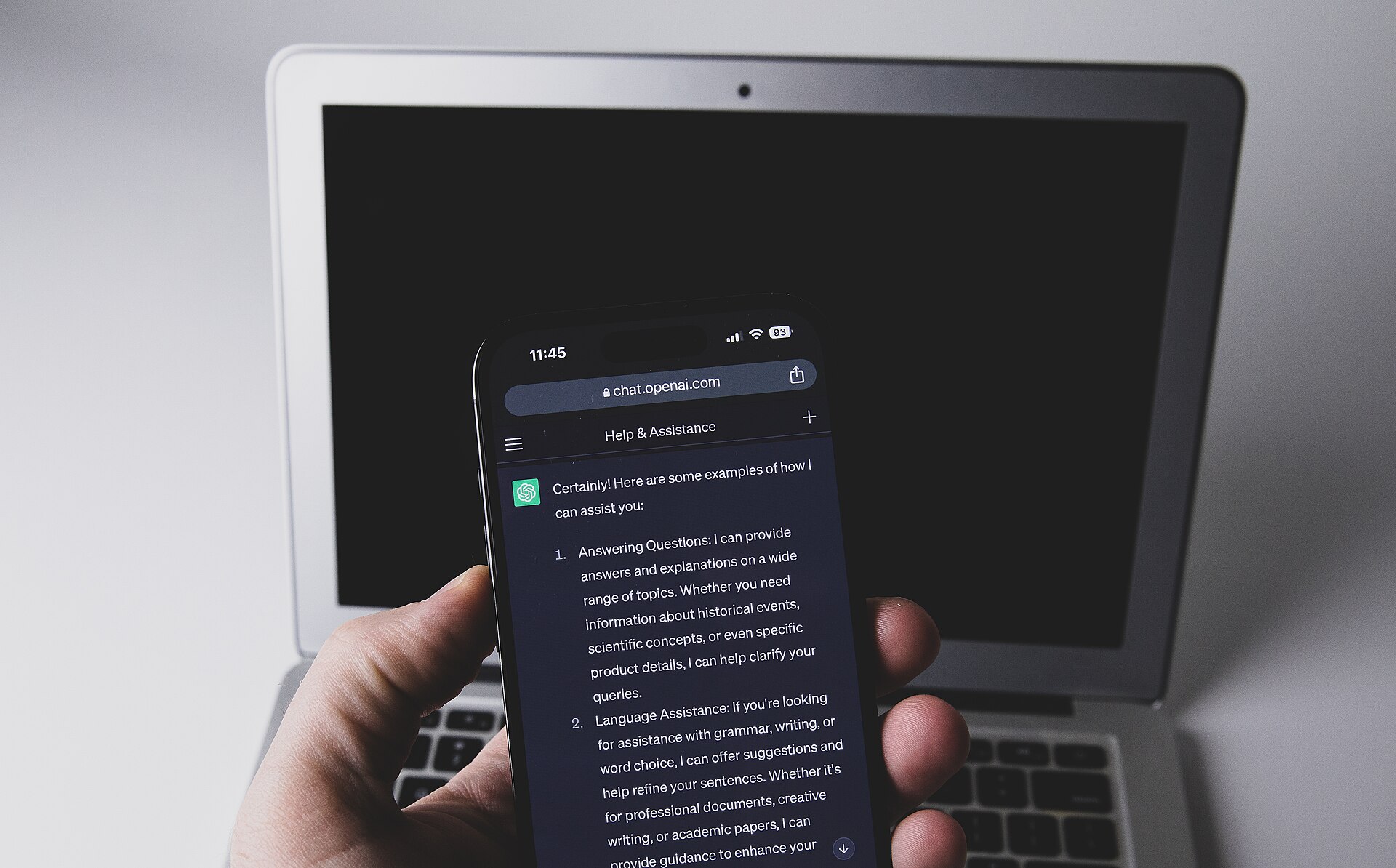
Featured image: “BalticServers data center.jpg” by BalticServers.com (CC BY-SA 3.0), via Wikimedia Commons. In-content image: “Smartphone with ChatGPT app (52917381673).jpg” by Jernej Furman from Slovenia (CC BY 2.0), via Wikimedia Commons.