
The FTC Amazon advertiser overcharging case, filed Monday in Seattle federal court, accuses the company of secretly manipulating its ad auction system. Regulators say the scheme squeezed more than $20 billion out of advertisers since 2019. The Federal Trade Commission and 22 state attorneys general brought the suit together.
The complaint says Amazon misled roughly 1.2 million advertising customers about how pricing and terms worked for its sponsored listings. More than 500,000 small and medium businesses are among those affected. Sponsored listings are the ads that appear at the top of search results across Amazon’s marketplace.
What the FTC Amazon advertiser overcharging complaint alleges
According to the FTC, Amazon changed its ad auction rules in 2019 in a way that let it quietly raise the effective price advertisers paid. The company did not disclose the change, regulators allege. CNBC reports the complaint centers on sponsored product ads, brand ads, and display ads that run alongside search results. The hidden surcharges, the FTC argues, ultimately pushed up prices that consumers paid too.

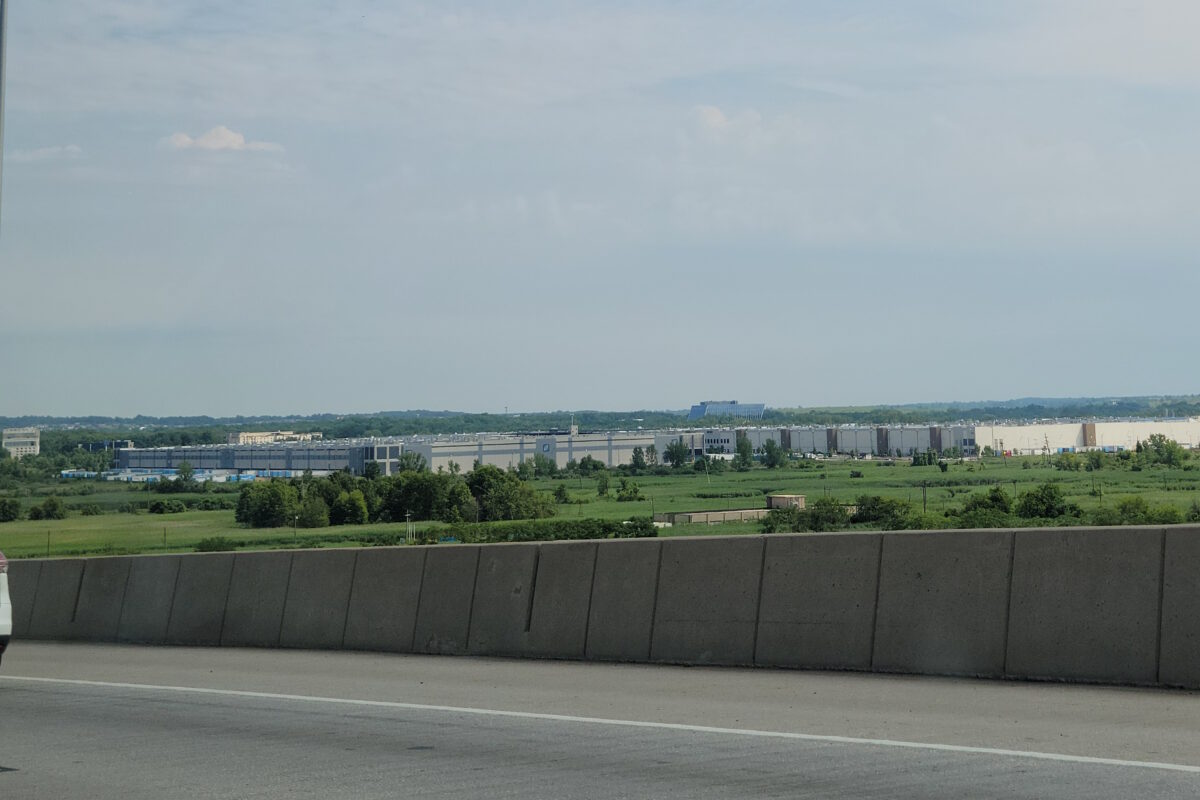
Amazon JFK8 fulfillment center photo: Tdorante10, CC BY-SA 4.0, via Wikimedia Commons.
How Amazon is responding
Amazon calls the lawsuit “misguided.” The company says it fundamentally misunderstands how its advertising auctions work and presents no evidence that shoppers were harmed. Amazon’s auction system prioritizes ad relevance to a shopper’s search terms before bid size, the company says, a design meant to keep prices lower for advertisers overall. Amazon also cites figures showing its auction changes saved advertisers roughly $8 billion between 2021 and 2025.

Amazon JFK8 logistics park photo: Tdorante10, CC BY-SA 4.0, via Wikimedia Commons.
Why this case adds to Amazon’s legal exposure
The advertiser lawsuit lands on top of other pending FTC actions against Amazon. One separate case alleges the company enrolled consumers in Prime memberships without clear consent. Antitrust lawyers say a loss in the advertiser case could force changes to how Amazon structures ad pricing across its marketplace. A court order could require more transparency in how the auction sets prices. The case could also lead to civil penalties running into the billions of dollars if the FTC prevails.
How advertisers and sellers are reacting
Trade groups representing small online sellers say the case validates complaints they have raised for years about opaque ad pricing on Amazon’s platform. Some advertising agencies that manage Amazon campaigns for clients say they plan to review historical billing data to estimate their own potential exposure to the alleged surcharges. Amazon has not said whether it will offer any settlement fund to advertisers while the case proceeds through the courts.
State attorneys general have increasingly joined federal cases against large technology companies in recent years. They argue that coordinated action gives regulators more leverage than either level of government pursuing a case alone. The 22 states involved in this lawsuit span both major political parties. Legal observers say that detail signals broad, bipartisan concern about the underlying allegations rather than a partisan enforcement effort. Amazon’s outside counsel has signaled the company will contest both the federal and state claims together rather than seeking to settle with individual states separately.
What happens next in the Amazon case
Amazon is expected to file a motion to dismiss in the coming months. Discovery in a case this size typically stretches well over a year before trial. Advertisers who believe they were affected are watching closely. A favorable ruling for the FTC could open the door to private damages claims layered on top of any government penalty. For related coverage on major tech legal exposure, see our reporting on the Meta multistate settlement and the ongoing wave of tech layoffs.
This is not Amazon’s first brush with federal antitrust scrutiny. The company has faced separate government actions over its marketplace practices and subscription enrollment methods in recent years. Legal analysts say a pattern of parallel cases can add pressure on a company even when no single case is decisive. Courts and regulators sometimes reference findings from one matter when evaluating another. Amazon’s legal team has consistently argued that each case should be judged on its own facts rather than as part of a broader pattern.
Answering the obvious questions
How much did Amazon allegedly overcharge advertisers?
The FTC and state attorneys general allege Amazon extracted more than $20 billion in hidden surcharges from advertisers since 2019.
How many advertisers does the case cover?
The complaint says roughly 1.2 million advertising customers were affected, including more than 500,000 small and medium businesses.
What does Amazon say in response?
Amazon calls the lawsuit misguided and says its auction system saved advertisers billions of dollars rather than costing them money.
Who filed the lawsuit?
The Federal Trade Commission filed the case jointly with 22 state attorneys general in federal court in Seattle.
Could consumers be affected too?
The FTC argues the hidden ad surcharges fed into higher prices for shoppers. Amazon disputes that shoppers were harmed.
How long could the case take?
Cases of this size typically take well over a year to reach trial once motions and discovery are underway.
Consumer advocacy groups have welcomed the lawsuit, saying it validates years of complaints about opaque digital advertising markets generally, not just Amazon’s practices. Some economists who study online marketplaces say hidden auction mechanics are difficult for outside researchers to audit without regulatory subpoena power. That is part of why cases like this one often start with a government investigation rather than a private lawsuit.
Sources:
- Federal Trade Commission — FTC, States Sue Amazon Over Secret Ad Surcharge Scheme. https://www.ftc.gov/news-events/news/press-releases/2026/08/ftc-states-sue-amazon-over-secret-ad-surcharge-scheme
- CNBC — FTC sues Amazon, accusing the e-commerce giant of misleading advertisers. https://www.cnbc.com/2026/08/31/amazon-ftc-lawsuit-advertisers.html