Tag Archives: mergers and acquisitions

Starbucks Is Ready to Sell the Coffee Empire It Fought to Own Outright

A Starbucks Japan stake sale is now under formal consideration. Reuters reported the news, and multiple outlets confirmed it on 16 September 2026. Starbucks is exploring a sale of a majority stake in its Japanese operations. The deal could value the business at roughly $3 billion. A formal sale process could begin as soon as the fourth quarter of 2026.

The move would reverse a decision Starbucks made just over a decade ago. In 2014, the company paid about $914 million to buy out its longstanding local partner, Sazaby League. That deal gave Starbucks full ownership of the Japan business for the first time.

Why a Starbucks Japan stake sale is on the table now

Starbucks Japan has grown steadily since that 2014 buyout. The chain has expanded from roughly 1,050 stores to 1,883 stores as of September 2025. That makes it Starbucks’s largest company-operated market outside the United States. It also represents close to 9% of Starbucks’s entire global store network on its own.

Starbucks Japan stake sale — illustrative image

The exploration comes as CEO Brian Niccol reviews Starbucks’s international footprint more broadly. In North America, the company has already closed stores and cut corporate staffing. Those moves are part of a wider push to improve profitability. A Japan stake sale would fit the same pattern. It raises cash and reduces direct operational exposure. A local partner might simply run stores more efficiently than a distant head office can.

Who might buy in

A deal of this size is expected to draw serious interest. Both international and Japanese private equity firms are seen as likely bidders. Starbucks retaining a minority stake, rather than exiting Japan entirely, would let the company keep two things. It keeps brand control and licensing revenue, while offloading the capital and staffing costs of running nearly 1,900 stores directly.

What a sale would signal about Starbucks’s strategy

Selling down a market Starbucks fought to fully own less than 12 years ago sends a clear signal. It suggests the company now values cash and operational flexibility over direct ownership. It also puts Japan in the same conversation as Starbucks’s cost-cutting push in North America. That link shows the strategic review is genuinely global. It is not limited only to underperforming markets back home.

What a stake sale would mean for customers

A change in ownership structure rarely changes the menu overnight. Starbucks stores in Tokyo, Osaka and other Japanese cities would likely keep operating under the same brand and the same drink lineup. Licensing deals like this usually leave day-to-day store operations to the new majority owner, while Starbucks keeps approval rights over branding and product standards. Customers are more likely to notice slower store openings, or a shift in which neighborhoods get new locations, than any visible change at the counter itself.

Employees are a bigger open question. Past Starbucks ownership changes in other markets have generally preserved existing staff, but a new majority owner sometimes brings its own management team in at the corporate level, even when frontline jobs stay untouched.

What the timeline looks like from here

No formal process has launched yet. A sale could begin as early as the fourth quarter of 2026, if Starbucks decides to proceed. A deal of this size would likely take months to finalize once bidders are identified. A completed sale is therefore unlikely before well into 2027. Store operations and the day-to-day Starbucks Japan customer experience are not expected to change during the review period itself.

The potential sale comes during a week of notable earnings and forecast news. That includes Dave & Buster’s earnings miss and a fresh Bank of America economic forecast. Consumer-facing companies across the board are reassessing strategy heading into next year.

Frequently asked questions

How much could the Starbucks Japan stake sale be worth?

Reports value the potential deal at roughly $3 billion for a majority stake in Starbucks’s Japan business.

How many Starbucks stores are in Japan?

Starbucks Japan operated 1,883 stores as of September 2025, close to 9% of the company’s global store count.

Did Starbucks always own its Japan business outright?

No. Starbucks took full ownership of Japan in 2014 after buying out its longtime local partner, Sazaby League, for about $914 million.

When could a formal sale process begin?

Reports indicate a formal process could launch as early as the fourth quarter of 2026.

Who might buy a stake in Starbucks Japan?

The deal is expected to draw interest from both international and Japanese private equity firms.

Sources

  • CNBC — Starbucks considers selling majority stake in its Japan business: Reuters. cnbc.com
  • Yahoo Finance — Starbucks explores majority stake sale in Japan business at potential $3 billion valuation. finance.yahoo.com
DoorDash Just Bought Its Way Onto Your College Campus for $300 Million

The DoorDash Grubhub Campus Dining deal was announced on 15 September 2026. DoorDash will acquire the campus-dining unit of Wonder Group’s Grubhub business. The price tag is $300 million. DoorDash is also investing an additional $125 million directly in Wonder itself. That brings the total value of the combined transaction to $425 million.

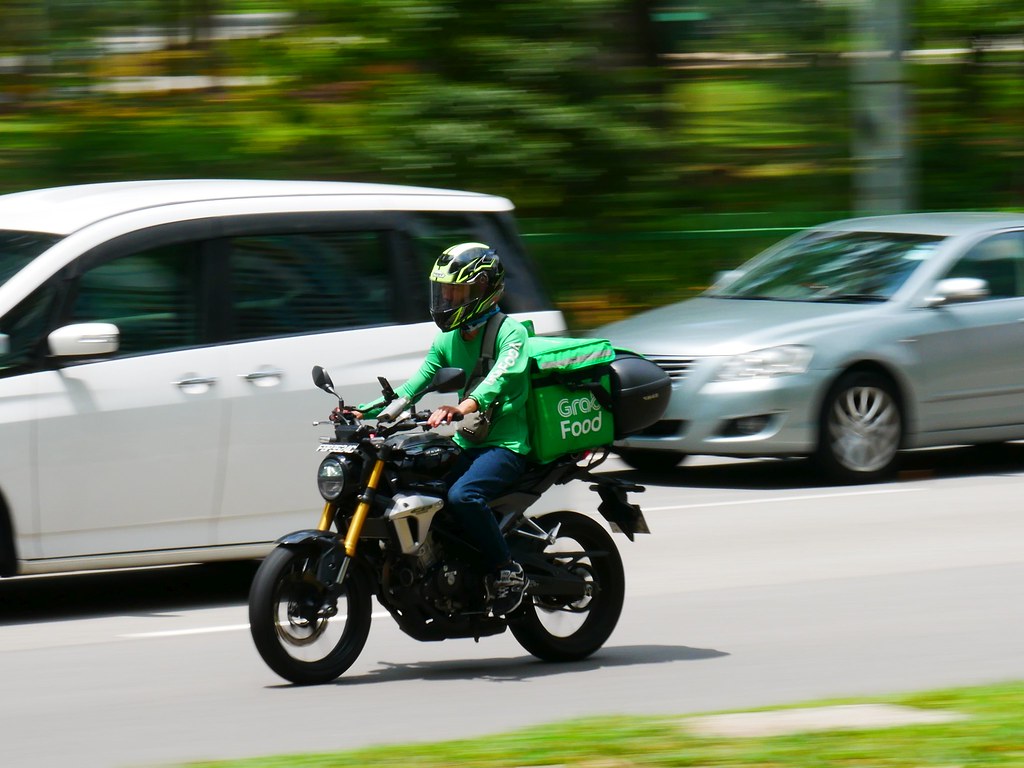
Grubhub Campus Dining runs on technology originally built by a company called Tapingo. It lets students at more than 450 colleges and universities order meals from campus dining halls and on-campus restaurants. They can order through a mobile app or a kiosk. Students then pay with campus dining dollars and schedule a pickup time.

What the DoorDash Grubhub Campus Dining deal actually covers

The acquisition is narrower than a full Grubhub buyout. DoorDash is taking only the campus-dining division. It is not acquiring Wonder’s broader Grubhub delivery marketplace. Wonder built its business around ghost kitchens and food-hall concepts before it acquired Grubhub. The company keeps the rest of the Grubhub operation. In return, it gains DoorDash as an investor and strategic partner. Regulatory approval is still pending. The companies expect the transaction to close in early 2027.

DoorDash Grubhub Campus Dining — illustrative image

Why campus dining is worth $300 million to DoorDash

College students are a demographic DoorDash has chased for years. The theory is simple: ordering habits formed at 19 tend to stick for life. Owning the payment and ordering rail inside dining halls goes further than just delivering food to a dorm room. It gives DoorDash a foothold that’s harder for Uber Eats, or a campus’s own dining vendor, to dislodge later on.

DoorDash has said it plans to expand Grubhub Campus Dining to more U.S. schools once the deal closes. It also wants to extend the underlying technology beyond campuses entirely. Stadiums and hotels share a similar logistics problem: pay with a closed-loop balance, then pick up on a schedule.

What it means for Wonder

For Wonder, the deal converts a division it wasn’t built to run into cash. It also creates a strategic tie-up with one of the two dominant U.S. delivery platforms. The move signals something about Wonder’s broader strategy too. The company has tried stitching together ghost kitchens, food halls and a delivery marketplace under one roof. That strategy now looks like it’s being trimmed down, so Wonder can focus on the pieces it can scale by itself.

How this fits DoorDash’s bigger strategy

DoorDash has spent the past few years pushing beyond restaurant delivery into grocery, retail and now closed-loop campus payments. Each move follows a similar logic: find a market where a captive audience already has a habit, then own the technology layer underneath it. Campus dining dollars work a lot like a prepaid card system, which gives DoorDash payments experience it can reuse in stadiums, hotels and other venues that run on similar closed-loop balances.

The acquisition also puts DoorDash closer to competitor Uber, which has made its own moves into adjacent delivery and logistics categories over the past two years. Neither company has fully cracked the campus market before now, which is part of why the $300 million price tag drew attention from analysts covering the sector.

What’s left before this closes

Both companies need regulatory sign-off before the deal can close in early 2027. A unit acquisition like this typically draws less scrutiny than a full-company merger would. Students at the 450-plus participating schools are unlikely to notice immediate changes in the app they already use. The bigger shifts, like new campuses or a stadium and hotel rollout, would only come after the deal formally closes.

The deal adds to a busy stretch of big tech earnings and dealmaking this month. It follows other consumer-facing restructuring moves too, including Dave & Buster’s earnings miss. Consumer and food-service companies are recalibrating strategy across the board as they head into 2027.

Frequently asked questions

How much is DoorDash paying for Grubhub Campus Dining?

DoorDash is paying $300 million for the campus-dining unit and investing an additional $125 million in Wonder, for a combined deal value of $425 million.

Is DoorDash buying all of Grubhub?

No. DoorDash is acquiring only the Grubhub Campus Dining division. Wonder retains the rest of its Grubhub operations.

How many colleges use Grubhub Campus Dining?

More than 450 colleges and universities currently use the platform for on-campus food ordering and payment.

When will the deal close?

The companies expect the transaction to close in early 2027, pending regulatory approval.

Will DoorDash expand the service beyond college campuses?

DoorDash has said it plans to bring the underlying technology to venues such as stadiums and hotels after the deal closes.

Sources

  • TechCrunch — Wonder scores a $425 million partnership with DoorDash as it builds its food empire. techcrunch.com
  • Restaurant Dive — DoorDash buys Grubhub campus unit for $300M. restaurantdive.com

Cox Spectrum Rebrand Reaches Customers in Mid-September

The Cox Spectrum rebrand arrives in customers’ homes this month. Charter Communications completed its acquisition of Cox Communications on 20 August 2026, alongside a separate merger with Liberty Broadband, in a transaction valued at $34.5bn. The paperwork closed in August; the part customers notice — Spectrum branding, Spectrum pricing and Spectrum packaging replacing Cox’s — begins rolling into former Cox markets from mid-September.

What closed in August

Charter described the combined business as the leading broadband and video company in the United States, serving 37 million customers across 45 states. That figure is the company’s own, published in its completion announcement, and it counts customer relationships rather than individual services.

Two transactions closed together: the Cox acquisition and a merger with Liberty Broadband, the holding vehicle that had a large stake in Charter. Collapsing that structure simplifies the ownership chain at the same time as the operating footprint expands. Charter also filed the relevant disclosure with the SEC; the 8-K exhibit is the primary document.

The part customers see this month

For households in former Cox territories — Las Vegas, Phoenix, San Diego, Hampton Roads, Omaha, New Orleans and others — the change is a rebrand plus a repricing. Charter is moving its Spectrum products, pricing and packaging into those markets, which means the shape of the bill changes even where the underlying connection does not.

Charter has also said it will give former Cox internet customers who are not already on Cox Mobile a free year of mobile service. That is a company promotion with the usual purpose: convert broadband-only households into bundled ones, which are materially harder to churn. Treat it as a customer-acquisition offer rather than a windfall, and read the terms for what happens in month thirteen.

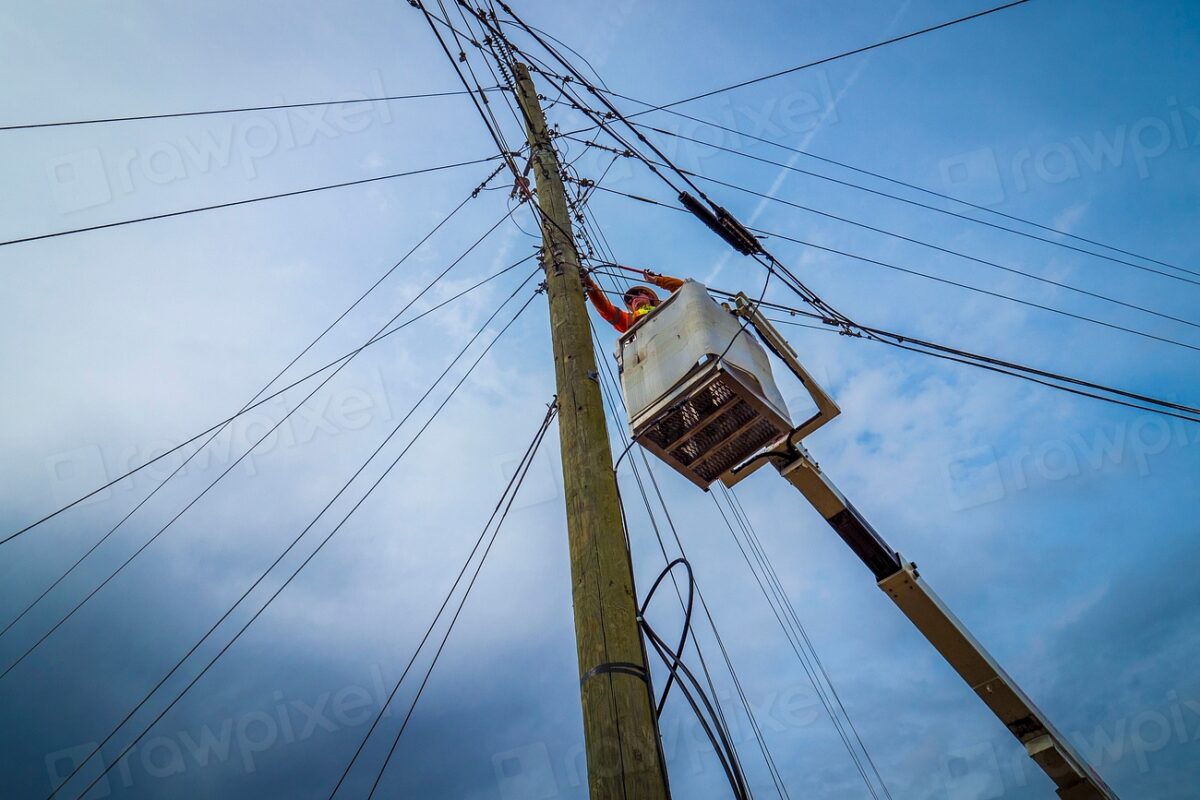
What does not change immediately: the physical network. The cable plant, the node splits and the fibre in the ground are the same assets they were in July. Service quality in a given neighbourhood is a function of that plant, not of the logo on the router.

The naming arrangement, which is genuinely odd

Within a year of closing, the parent company is due to take the Cox Communications name while continuing to operate its services under the Spectrum brand everywhere. So the acquirer adopts the target’s corporate identity and the target’s customers adopt the acquirer’s consumer brand. Variety covered the arrangement at closing.

The logic is family ownership. Cox is a long-held private family business, and preserving the name is the kind of term that gets negotiated into a deal of this size. For customers it is a distinction without a difference: the entity on the corporate filings will say Cox; the app, the bill and the truck will say Spectrum.

What a bigger cable company means for prices

Cable consolidation in the US has generally been approved on the argument that cable operators no longer compete against each other — their footprints do not overlap — so combining them does not reduce choice in any given street. That argument is technically sound and practically incomplete. Scale changes negotiating power with programmers, purchasing power for equipment, and the operator’s ability to fund fibre upgrades and mobile subsidies.

The competitive pressure that actually disciplines prices for most US households now comes from elsewhere: fibre overbuilders and fixed-wireless broadband sold by mobile carriers, which has taken meaningful share from cable over the past few years. A larger Charter is better placed to respond to that pressure — the free-mobile offer is exactly such a response — but it does not remove it.

What to watch: whether Spectrum pricing in former Cox markets lands above or below what those customers were paying, and how quickly promotional rates step up. Those two numbers will tell the story better than any merger statement.

Customer questions

Is Cox now Spectrum?

Yes for consumer-facing purposes. Charter completed the acquisition on 20 August 2026 and is rolling Spectrum branding, pricing and packaging into former Cox markets from mid-September.

How big was the deal?

$34.5bn, completed alongside a separate merger with Liberty Broadband.

How many customers does the combined company have?

Charter says 37 million customers across 45 states. That is the company’s own figure.

Will my equipment or connection change?

The physical network does not change with a rebrand. Equipment swaps happen over time as Spectrum standardises hardware, but the cable plant serving an address is the same.

What is the free mobile offer?

Charter has said former Cox internet customers not already subscribing to Cox Mobile are eligible for a free year of mobile service. It is a promotional offer; check the terms for what applies after twelve months.

Why will the parent company be called Cox?

Under the deal terms the parent adopts the Cox Communications name within a year while services continue to operate as Spectrum.

Continue with these