
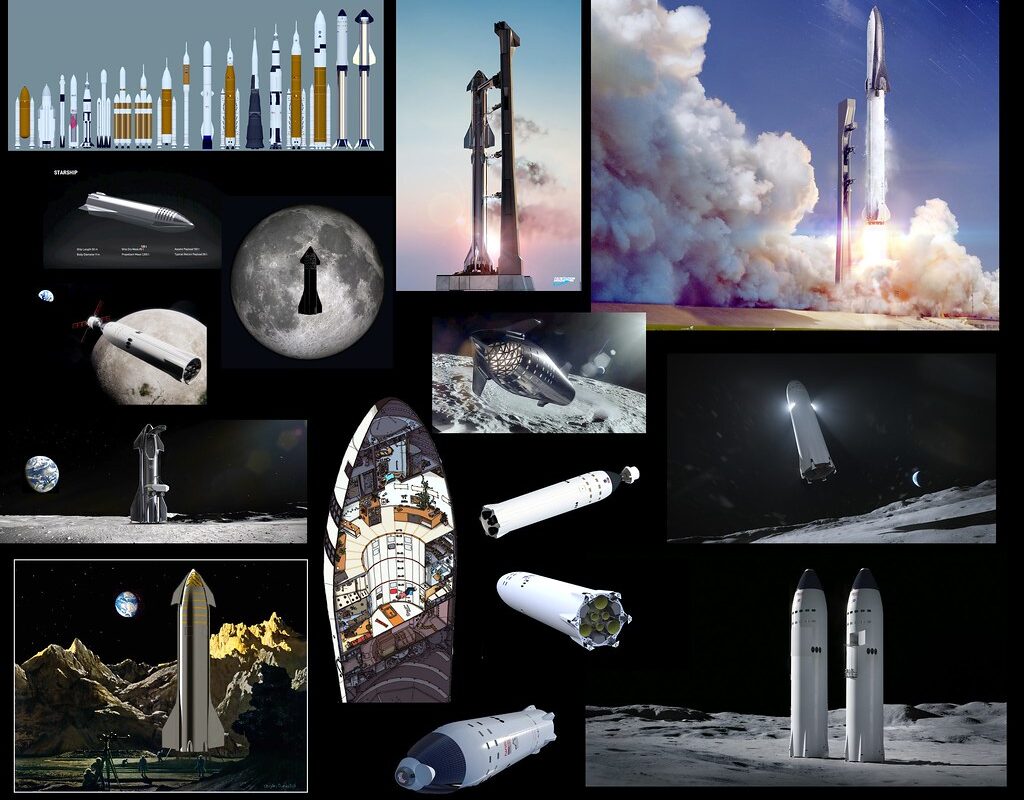
SpaceX’s Starship rocket reached orbit for the first time on September 28, 2026, launching from the company’s site in South Texas. The Starship first orbital flight marks a milestone SpaceX had chased through a long string of test launches. After liftoff, the vehicle’s upper stage circled Earth for roughly three hours before re-entering the atmosphere and splashing down in the Pacific Ocean north of Hawaii.
Starship’s First Orbital Flight Lifts Off From Texas
The launch happened at SpaceX’s Texas launch site, according to CNBC. Some outlets numbered it as roughly the vehicle’s 14th test flight. Tamara News treats that count cautiously, since SpaceX has run many Starship tests with mixed results over the past few years, and not every outlet numbers them the same way.
This flight differed from most of those earlier attempts. The upper stage did not just fly a short suborbital arc and fall back down. It reached orbital velocity and stayed there, completing a real trip around Earth instead of a brief up-and-down hop. That distinction is exactly what industry watchers had been waiting to see for years.
Starship is the largest rocket SpaceX has built. It flies in two stages: a booster called Super Heavy, and the Starship upper stage that is meant to eventually carry cargo or crew. For this mission, the upper stage separated from the booster and continued on its own into orbit.
Three Hours in Orbit, Then a Splashdown Near Hawaii
Once Starship reached orbit, it stayed there for about three hours, according to NPR. The vehicle then began its descent back toward Earth.
Starship re-entered the atmosphere and splashed down in the ocean north of Hawaii, ending the flight roughly where SpaceX had aimed. Splashing down in open ocean, away from land and shipping traffic, is standard practice for a major rocket test like this one. A controlled splashdown also lets engineers gather flight data and confirm the vehicle survived re-entry, rather than breaking apart mid-flight the way some earlier test vehicles did.
The Flight Also Carried the First Starlink V3 Satellites
Alongside the orbital test itself, Starship carried the first Starlink V3 satellites into space. Starlink is SpaceX’s satellite internet network, and the V3 design is built around Starship’s larger cargo capacity compared with the company’s smaller Falcon 9 rocket.
Putting these satellites on this particular mission links Starship’s orbital debut directly to SpaceX’s existing satellite business, not just to future crewed spaceflight plans. A rocket that can reach orbit reliably is also a rocket that can deliver much heavier satellite payloads in a single trip.
Why NASA Is Tracking the Starship First Orbital Flight
NASA has a direct stake in how Starship performs. The agency has contracted a variant of the vehicle to land astronauts on the Moon under the Artemis program, according to NPR. Every Starship test, including this orbital flight, feeds into whether that lunar lander will be ready when NASA needs it.
NASA does not run SpaceX’s Starship launch schedule, but the two programs are tied together. A rocket that can reach orbit, operate for hours, and come back in one piece meets a basic requirement for a vehicle meant to carry astronauts to the lunar surface. Artemis is NASA’s program to return astronauts to the Moon, and Starship’s lunar lander variant is one of its most closely watched pieces of hardware.
Where Starship Testing Goes From Here
SpaceX has not laid out a detailed public timeline for its next Starship flight. The company typically studies data from each mission before it schedules the next one. Earlier Starship flights sometimes ended in explosions or lost vehicles long before reaching this point, so engineers tend to move carefully after a milestone like this.
Reaching orbit is one step, not the finish line. Landing astronauts on the Moon will require more: reliable in-orbit refueling, a working crew cabin, and repeated successful flights in a row. SpaceX and NASA will likely study this flight’s data closely before locking in further Artemis milestones.
The wider tech industry has had its own high-stakes year. Chipmakers have dealt with fast-moving policy questions, including Nvidia’s chip export rules around China, while other firms have hit new financial milestones such as AMD’s trillion-dollar market cap. Software makers are moving just as fast, with reports on Google’s early Gemini 4 launch timeline showing how competitive the sector has become. Starship’s orbital flight adds a major hardware milestone to that same fast-moving year in tech.
Starship First Orbital Flight: Frequently Asked Questions
What was the Starship first orbital flight?
It was the mission on September 28, 2026, when SpaceX’s Starship rocket reached orbit for the first time, launching from Texas and later splashing down in the Pacific Ocean near Hawaii.
Where did Starship launch from?
Starship launched from SpaceX’s site in Texas.
How long did Starship stay in orbit?
The upper stage flew for roughly three hours before it re-entered the atmosphere and splashed down.
Where did Starship land after the flight?
It splashed down in the ocean north of Hawaii rather than landing on solid ground.
What did Starship carry on this flight?
The mission carried the first Starlink V3 satellites into space alongside the orbital test itself.
Why does NASA care about Starship’s progress?
NASA has contracted a Starship variant to land astronauts on the Moon under the Artemis program, so the rocket’s test results matter directly to that mission.
Source Material
- CNBC — SpaceX prepares to send Starship rocket to orbit for first time. https://www.cnbc.com/2026/09/28/spacex-prepares-to-send-starship-rocket-to-orbit-for-first-time.html
- NPR — SpaceX Starship first orbital flight, NASA’s Artemis stakes. https://www.npr.org/2026/09/28/nx-s1-5983418/spacex-starship-first-orbital-flight-14-nasa
- Spaceflight Now — Starship returns to Earth, rocket splashes down north of Hawaii after three-hour flight. https://spaceflightnow.com/2026/09/28/starship-returns-to-earth-rocket-splashes-down-north-of-hawaii-after-three-hour-flight/