

Never lose a customer to a missed message
An AI agent trained on your own business, replying in seconds, in any language, on every channel your customers already use.
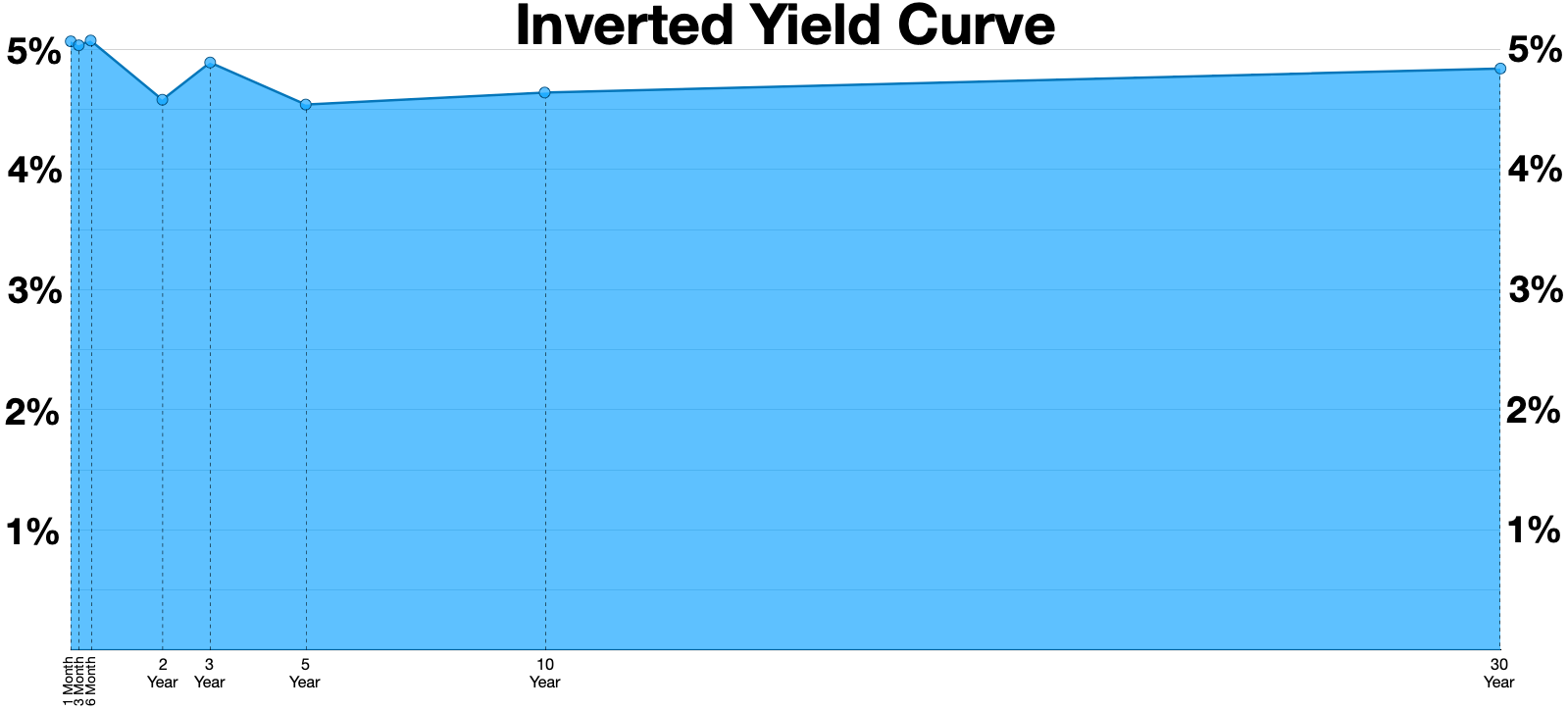
A Treasury yields bond rout pushed long-term US borrowing costs to their highest level in more than two decades. The move came on September 24, 2026. It dragged stocks lower with it. The 30-year Treasury yield climbed to 5.438%, its highest point since 2004. The 10-year yield reached 5.11%, a level last seen in 2007. The S&P 500 closed at 7,664.35, down 0.54% on the day. The Dow Jones Industrial Average fell 0.72% to 51,139.63. The Nasdaq dropped 0.83% to 26,712.98.
What is driving the Treasury yields bond rout
Analysts pointed to strong economic data, not fresh inflation fears, as the main driver. Daniela Hathorn, senior market analyst at Capital.com, said “the economy may be capable of sustaining higher real interest rates than previously assumed.” She added that S&P Global reported the strongest business activity growth in more than five years. Capacity constraints are rising too. That combination is pushing real yields higher. It is a different, arguably more durable driver than the rate scares investors have grown used to over the past two years.
The 2-year yield, more sensitive to near-term Federal Reserve policy, rose to 4.897%. That is its highest level since 2023. The move came the same week the Fed raised its benchmark rate to a 3.75%-4.00% range. Markets now appear to be pricing in a longer stretch of elevated rates, not the rapid cuts some had expected earlier in the year. Oil added to the pressure. Crude futures jumped 3.95% to $95.80 a barrel, partly on Middle East energy concerns, feeding the same inflation-adjacent anxiety pushing yields higher.
Why higher yields hit stocks
When long-term government bonds pay more, they compete directly with equities for investor money. They also raise the discount rate used to value future corporate earnings. Both effects make stocks look relatively less attractive. Technology and other high-growth sectors depend heavily on future earnings rather than current cash flow. They tend to feel this first. That pattern showed up on September 24: the Nasdaq’s 0.83% decline outpaced the broader S&P 500’s drop.
Who feels the Treasury yields bond rout beyond Wall Street
Rising long-term yields ripple well past trading floors. Mortgage rates, corporate borrowing costs and government debt-servicing costs are all tied to the same long end of the Treasury curve. That curve just hit a two-decade high. Companies planning to refinance debt or fund large capital projects now face a materially higher cost of capital than they did a few months ago. That includes the wave of AI data center spending covered elsewhere on this site, such as AMD’s push toward a trillion-dollar valuation.
What this means for household budgets
Higher long-term yields do not stay confined to bond trading desks. Mortgage rates in the US are priced off the 10-year Treasury yield, so a move to 5.11% tends to filter through to new home loans within days. Auto loans and other consumer credit follow a similar, if less direct, path. Credit card rates are tied more closely to the Fed’s short-term benchmark, which also rose this month. Renters and first-time buyers are likely to feel this first, since even a small rise in borrowing costs changes what a monthly payment looks like on a large loan. Companies that carry variable-rate debt face the same math on a larger scale.
What comes next for markets
Whether this is a temporary repricing or the start of a longer stretch of elevated rates depends largely on the activity data Hathorn cited. A run of soft economic reports could pull yields back down quickly. A continuation of the current trend could keep pressure on equity valuations well into the fourth quarter. Investors will be watching the next round of inflation and employment data. They will also watch for further signals from the Fed, following its September rate decision covered in our report on the Fed’s rate hike to 3.75%-4.00%. For how central banks elsewhere are responding, see our report on the Swiss National Bank’s latest decision.
Treasury Yields: Quick Questions Answered
What triggered the Treasury yields bond rout on September 24?
Stronger-than-expected business activity data and rising real interest rates, not fresh inflation fears, drove the move, according to Capital.com analyst Daniela Hathorn.
How high did Treasury yields actually go?
The 30-year yield reached 5.438%, its highest since 2004, and the 10-year yield hit 5.11%, its highest since 2007.
How did stocks react to the Treasury yields bond rout?
The S&P 500 fell 0.54%, the Dow fell 0.72%, and the Nasdaq fell 0.83% on September 24, 2026.
Does this mean the Federal Reserve will raise rates again?
The article does not report new Fed commentary tied to this specific move; the rout followed the Fed’s rate decision earlier in the same week.
Why do higher Treasury yields hurt growth stocks more?
Growth stocks are valued heavily on future earnings, and higher yields raise the discount rate used to value those future profits, making them look less attractive today.
What should businesses planning to borrow watch for next?
Continued strength in economic data could keep long-term borrowing costs elevated, while weaker data could pull yields back down.
Sources
- Yahoo Finance — Stock Market Today (Sept. 24, 2026): S&P 500, Dow stagnate as higher treasury yields and oil weigh on sentiment. https://finance.yahoo.com/markets/stocks/articles/stock-market-today-sept-24-135147386.html
- The Motley Fool — Stock Market Midday, Sept. 24: Stocks Slide as Treasury Yields Climb, Oracle Declares Force Majeure. https://www.fool.com/coverage/stock-market-today/2026/09/24/stock-market-midday-sept-24-stocks-slide-as-treasury-yields-climb-oracle-declares-force-majeure/
Verification your users actually receive.
Send one-time passcodes over WhatsApp with a single API call. Replio can generate, hash and verify the code for you.
