
Never lose a customer to a missed message
An AI agent trained on your own business, replying in seconds, in any language, on every channel your customers already use.
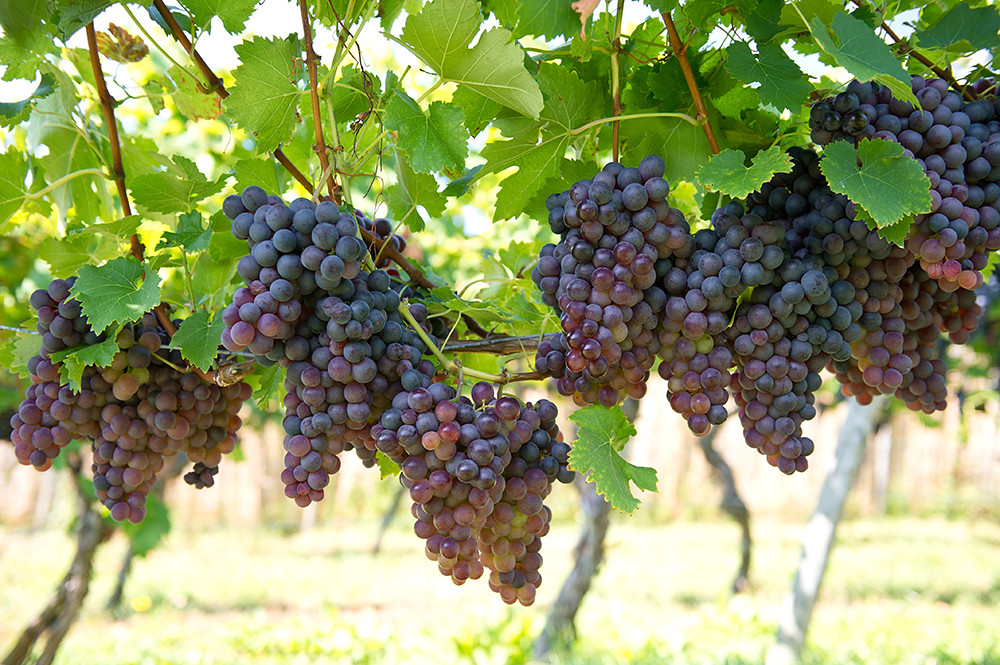
France is heading for its smallest wine harvest in 70 years. The France wine production crisis now unfolding is reshaping an industry. That industry has already shed businesses at triple the normal rate over the past six years.
The country’s agriculture ministry expects winemakers to produce under 34 million hectolitres in 2026. That figure sits 6% below 2025’s already-weak harvest. It is 17% under the recent five-year average, per government estimates reported this week.
How Bad the France Wine Production Crisis Has Gotten
This is the third straight year of reduced French wine output. That run has compounded financial pressure on growers already working thin margins. Industry data shows wine-sector business failures tripled between 2019 and 2025. Officials warn 2026 risks matching that pace.
The decline arrives at an awkward commercial moment too. A smaller harvest leaves French producers with less volume for export. That coincides with the government’s push to shrink the sector’s footprint. It runs its shrinking effort through a vine-removal program. Growers’ associations say the combination makes the coming year unusually hard to plan around.
Heat and Drought Behind the Shrinking Harvest
A record-breaking summer of intense heat and severe drought decimated yields. The damage hit France’s key growing regions hardest. It was not evenly spread, though. Areas with more temperate climates took some of the hardest hits this time. Those areas historically buffered French wine against extreme weather.
Champagne and the Loire Valley Are Taking the Hardest Hit
The Loire Valley and Champagne emerged as the regions suffering most. That is per the agriculture ministry’s own assessment. Both depend on cooler growing conditions that this year’s heat undermined. Growers in both regions face some of the steepest year-on-year declines in the country.
That pattern breaks from expectations a decade ago. Back then, warmer southern regions seemed most exposed to climate stress. Instead, vineyards built around narrower temperature windows are proving more fragile. That shift is forcing growers across multiple regions to rethink old assumptions about which sites are climate-resilient.
Paris Steps In With Emergency Money
The French government announced an emergency aid plan worth more than €1 billion, or $1.15 billion. It targets farmers and winegrowers hit by the heatwaves. Separately, a vine-removal program pays growers €4,000 per hectare to permanently uproot vines. Around 4% of France’s vineyards are being pulled up nationwide this year. That effort aims to right-size an oversupplied, shrinking market.
The Wider Squeeze on European Agriculture
France is not alone. Growers across southern and western Europe have reported similar heat and drought stress this year. But France’s scale makes its decline especially visible. It is the world’s second-largest wine producer by volume. Wine merchants are already bracing for tighter supply and higher prices on French labels heading into 2027. Champagne stands out, since its limited growing area leaves little room to offset a bad harvest.
Some producers are lobbying Brussels for EU-wide climate adaptation funding. They would rather not rely solely on national aid packages. They argue a problem this widespread needs a response bigger than any single government can offer.
Export Markets Are Watching Closely
French wine exporters sell heavily into the United States, the United Kingdom and China. Buyers in all three markets have started asking suppliers about 2026 allocation early. A tighter harvest usually means exporters ship less overall. It also means they prioritize their higher-margin labels first. Smaller négociants without long-standing contracts could find themselves squeezed out of some markets entirely next year.
Trade groups are urging producers to lock in export contracts now, before final harvest numbers are confirmed. Doing so, they say, would avoid a scramble for allocation once buyers see just how tight 2026 supply really is.
What This Means for the Next Vintage
Experts tracking the sector note that Spain has adapted more successfully to the same climate pressures. That comparison is fueling debate inside France. Growers are asking whether they need to shift varietals or growing techniques, rather than simply wait for better weather. With a third straight down year now confirmed, industry watchers expect the vine-removal program to expand, not wind down, in 2027.
For now, French officials are framing the crisis as a turning point rather than a one-off bad year. How the sector adapts over the next two harvests will likely shape French wine policy for the rest of the decade.
Consumers may not feel the squeeze right away. Larger producers typically hold reserve stock that can cushion a single bad harvest. A third straight weak year leaves less of that buffer to draw on, though, which is part of why growers and officials alike are treating 2026 as more than an isolated setback.
Questions About France’s Wine Crisis, Answered
How bad is the France wine production crisis this year?
France’s agriculture ministry expects under 34 million hectolitres in 2026, a 6% drop from 2025 and 17% below the recent five-year average.
What is causing the shortfall?
A record-breaking summer of intense heat and severe drought hit yields hardest in the Loire Valley and Champagne.
Is this the first bad year in a row?
No. 2026 marks the third consecutive year of reduced French wine output.
What is the government doing about it?
Paris announced an emergency aid plan worth more than €1 billion ($1.15 billion) for affected farmers and winegrowers.
Are vineyards being removed?
Yes. Around 4% of French vines will be pulled up nationwide under a government program paying growers €4,000 per hectare for permanent uprooting.
Sources
- CNBC — France’s wine production nears a 70-year low, leaving winemakers with tough choices. https://www.cnbc.com/2026/09/20/france-wine-production-70-year-low-heatwaves-drought.html
More business coverage on Tamara News: Africa’s biggest-ever IPO drew big money in its first hour and gold’s slide to a six-week low ahead of the rate hike.
Verification your users actually receive.
Send one-time passcodes over WhatsApp with a single API call. Replio can generate, hash and verify the code for you.
