

Never lose a customer to a missed message
An AI agent trained on your own business, replying in seconds, in any language, on every channel your customers already use.
Mediators from Qatar and Pakistan are pushing to revive a ceasefire between the United States and Iran. And both sides have paused attacks while the talks continue. This Iran ceasefire diplomatic progress comes five months into a war that has repeatedly slipped from truce to escalation and back again. It also comes days after President Trump said the war “could be almost over,” a claim Tehran has not confirmed.
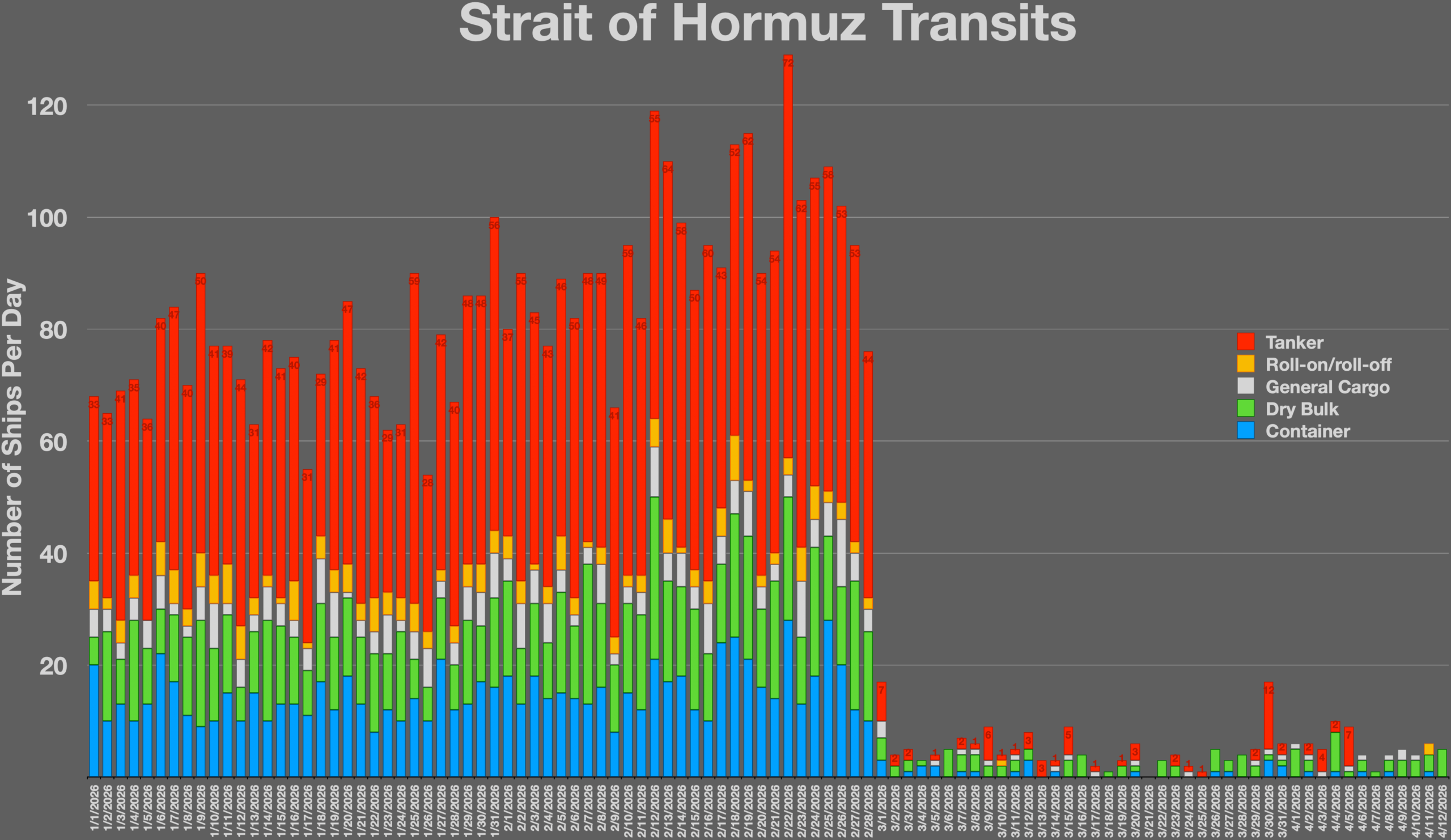
How the Iran ceasefire diplomatic progress stalled before
The US and Iran, along with Israel, agreed to an initial ceasefire on 7 and 8 April 2026. It held for weeks before the conflict shifted into a standoff over access to the Strait of Hormuz. On 14 June, mediators announced a memorandum of understanding meant to end the war formally within 60 days. That plan collapsed in July after Iran struck three commercial vessels that had bypassed its approved shipping route through the strait.
Since then, air and drone strikes from both sides have climbed to the highest levels of the war. The Iran theater has its own escalation curve. Driven largely by disputes over the strait and Iran’s ballistic missile program.
What Qatar and Pakistan are trying to broker
Qatari and Pakistani officials are now working to bridge the gap between Washington and Tehran. That is according to mediators cited by The Hill. The goal is an interim ceasefire rather than a full settlement. It is a narrower deal that would stop the shooting while broader disputes over Iran’s nuclear program and missile arsenal stay unresolved. Both American and Iranian forces have reportedly paused strikes during the current round of talks. Neither side wants to be blamed for breaking a fragile pause.
The stakes go beyond the two countries directly involved. Disruption to the Strait of Hormuz, one of the world’s most important oil chokepoints. Has already caused fuel shortages in parts of Asia. It has also pushed up shipping insurance costs globally.
Why the Strait of Hormuz keeps derailing progress
Nearly every collapse in this conflict traces back to the strait. Iran has used restricted access as leverage. Previous ceasefires broke down after specific incidents at sea rather than over land battles. Saudi Arabia’s own oil exports have had to reroute around infrastructure damage. Satellite tracking has shown Saudi loadings shifting back toward the strait only in the past week. As a cross-country pipeline came back online. Any mediated deal will need to address maritime security directly. A general cessation of hostilities will not be enough on its own to hold longer than the April or June attempts did.
Regional governments are watching closely too. Gulf states that depend on tanker traffic through the strait have pushed both Washington and Tehran toward a deal. That is because prolonged disruption hurts their own economies regardless of which side is technically winning the underlying dispute. That shared economic interest is part of why Qatar. It is not a Western power, has taken the lead mediating role this time. Doha has hosted rounds of shuttle diplomacy between American and Iranian officials who are not yet willing to sit in the same room together. A format that slows progress but has kept both sides talking through each prior collapse.
What happens next in the ceasefire push
Negotiators have not set a public deadline for the current round of talks. Congressional researchers tracking the file note that prior agreements collapsed within weeks once a single incident broke the calm. The durability of any new pause will likely be tested quickly. Markets are already pricing in cautious optimism. Oil prices eased through the past several sessions as traders bet on de-escalation. Still, few analysts expect the underlying disputes to disappear even if an interim ceasefire is signed.
What would make this round different from April and June is a narrower scope. Rather than trying to resolve Iran’s nuclear program or missile arsenal alongside a ceasefire. Mediators are reportedly focused only on stopping active strikes and securing safe passage through the strait. A narrower deal is easier to reach but also easier to unwind. That is because it leaves the underlying disputes that caused the war fully intact. Analysts tracking the talks say that trade-off, speed over durability. Reflects how exhausted both sides appear after five months of intermittent fighting.
Frequently asked questions
Is there an active ceasefire between the US and Iran right now?
Not a formal one. Both sides have paused attacks while Qatar and Pakistan mediate, but no signed agreement has been announced as of this report.
What broke the last ceasefire attempt?
The June memorandum of understanding fell apart in July after Iran struck three commercial vessels that had not used its approved shipping route through the Strait of Hormuz.
Why does the Strait of Hormuz matter so much to this conflict?
It is one of the busiest oil shipping routes in the world. Disruptions there have caused fuel shortages in Asia and repeatedly triggered new rounds of escalation between the US and Iran.
Has President Trump confirmed the war is ending?
Trump said the war could be almost over, but Iranian officials have not confirmed that assessment. The current talks are aimed at a narrower interim ceasefire rather than a full settlement.
Who is mediating the current talks?
Qatar and Pakistan are leading the mediation effort, working to bridge gaps between US and Iranian negotiators.
Related coverage
- Trump Says the Iran War Could Be Almost Over — Tehran Isn’t So Sure
- Riyadh Heard Its First Air-Raid Siren of This War — Then Came Smoke
Sources
- The Hill — Mediators see progress in Iran war ceasefire restoration push. thehill.com/homenews/5994769-us-iran-ceasefire-negotiations-progress
- Congress.gov — U.S.-Iran Ceasefire and Negotiations: Assessment and Issues for Congress. congress.gov/crs-product/IN12678
Verification your users actually receive.
Send one-time passcodes over WhatsApp with a single API call. Replio can generate, hash and verify the code for you.
