
Never lose a customer to a missed message
An AI agent trained on your own business, replying in seconds, in any language, on every channel your customers already use.
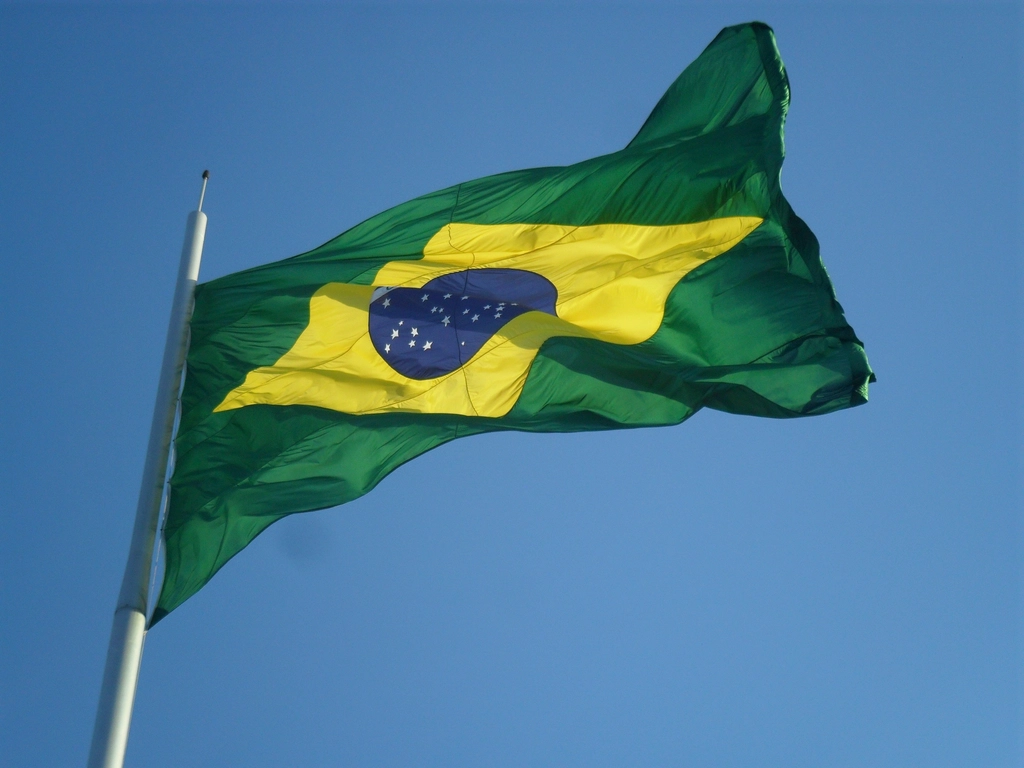
The Brazil presidential election takes place on Sunday 4 October 2026, and polls show a race too close to call. President Luiz Inácio Lula da Silva faces Senator Flávio Bolsonaro, and if neither wins more than 50 percent of valid votes, the top two go to a runoff on 25 October, according to Devdiscourse.
What this report covers
- Where the polls stand
- Who is on the ballot
- Why investors are watching
- What to watch on Sunday and after
- Questions about the Brazil election
Where the polls stand
The most detailed recent figures come from Datafolha, which surveyed 2,002 people on 22 and 23 September. ThePrint reported first-round support of 40 percent for Lula and 36 percent for Flávio Bolsonaro, followed by Augusto Cury on 5, Ronaldo Caiado on 4 and Renan Santos on 3.
In a simulated runoff Lula led 47 to 45 percent. With a margin of error of two points, the poll described that as a technical tie. Devdiscourse notes that other surveys disagree: a BTG Pactual/Nexus poll gives Lula a slight advantage, while Quaest showed Bolsonaro ahead for the first time. Treat any single poll as a snapshot.
Who is on the ballot
Lula, aged 80 according to the Everything Briefing newsletter summary of the day’s news, is seeking a fourth non-consecutive term. Flávio Bolsonaro is the eldest son of former president Jair Bolsonaro, who is serving a 27-year sentence for attempting to overturn his 2022 election loss to Lula, as ThePrint reports.
According to an overnight brief compiled by the Foundation for Defense of Democracies citing the Associated Press, Lula and Bolsonaro both skipped a planned debate, leaving about 158 million voters without a head-to-head. That detail is secondhand, so check the AP report directly.
Why investors are watching
Devdiscourse reports that Bolsonaro’s market-friendly economic approach has drawn investor enthusiasm and helped trigger rallies in Brazilian assets. That makes the first-round result relevant beyond Brazil for anyone with exposure to emerging-market bonds, currencies or commodity exporters. For wider market context this week, see our pieces on European stocks and bond yields and US Treasury yields at the end of September.
A Brazilian founder with dollar-denominated debt, for example, would care less about who wins than about how long the uncertainty lasts. A runoff keeps the question open until 25 October.
What to watch on Sunday and after
The first thing to watch is whether either candidate clears 50 percent of valid votes. Given the polls, a runoff looks plausible, though no poll can confirm it. Official results come from Brazil’s electoral authorities; wire services and broadcasters will report early counts. If a runoff is needed, expect two more weeks of campaigning on the economy, security and the legacy of the 2022 election dispute.
Questions about the Brazil election
When is the Brazil election?
The first round is on Sunday 4 October 2026. A runoff, if needed, is scheduled for 25 October 2026.
When is a runoff needed?
If no candidate wins more than 50 percent of valid votes in the first round, the top two advance.
Who is leading in the polls?
It depends on the survey. Datafolha showed Lula ahead 40 to 36 percent in the first round; Quaest has shown Bolsonaro ahead, per Devdiscourse.
Is Jair Bolsonaro running?
No. His son, Senator Flávio Bolsonaro, is the candidate. Jair Bolsonaro is serving a 27-year sentence, ThePrint reports.
Our world coverage will carry the result once official counts are in.
Verification your users actually receive.
Send one-time passcodes over WhatsApp with a single API call. Replio can generate, hash and verify the code for you.