• Mon - Fri 9.00 - 19.00

Yearly Archives: 2026

Apple’s New Boss Gets One Shot to Prove the Foldable Rumors Were Worth the Wait

Apple holds its “Surprise and Shine” event on September 9, 2026 at 10am Pacific. It is the first product launch under new CEO John Ternus, who succeeded Tim Cook on September 1. The Apple September iPhone event is widely expected to include Apple’s first foldable device alongside iPhone 18 Pro updates, according to Bloomberg.

The event streams from Apple’s website, through the Apple TV app, or on YouTube. Rumors also point to new Apple Watch models and a redesigned AirPods lineup. A preview of a 7-inch smart home hub with a full display may also appear, according to reporting compiled by CNBC.

Why the Apple September iPhone event matters beyond the hardware

This is Ternus’s first public moment leading Apple’s product strategy. Investors and analysts will watch his presentation style as much as the devices themselves. Ternus previously led Apple’s hardware engineering division, which gives him deep technical credibility. But stepping into the keynote role that Cook, and before him Steve Jobs, held for decades is a different kind of test.

The company is positioning 2026 and 2027 as the start of its biggest run of device releases in its history, according to reporting from MacDailyNews. That framing casts the foldable iPhone as the opening move in a multi-year hardware push, not a one-off launch.

Ternus spent years running Apple’s hardware engineering division before moving into the CEO role. He oversaw the physical design and engineering of the iPhone, Mac, and iPad lines. That background gives him direct credibility on the decisions behind a first-generation foldable device, in a way a finance-focused executive might lack. It also raises the stakes. Early competitors struggled with hinge and durability problems on their folding phones. If Apple’s foldable ships with the same flaws, the criticism lands on the executive who spent over a decade solving exactly those engineering problems.

What’s expected to launch on September 9

Smartphone product launch setting related to the Apple September iPhone event

Analysts expect three new iPhone models. That includes the rumored foldable device and updated iPhone 18 Pro variants, plus two new Apple Watch models. Reporting also points to a redesigned Apple TV box and HomePod mini hardware alongside the smart home hub preview. Apple has not officially confirmed any of these products. The company’s own invitations have not detailed specific products, consistent with its usual pre-launch practice.

The foldable iPhone question

Apple resisted the foldable phone category for years while competitors shipped multiple generations of folding devices. A first-generation Apple foldable arrives well after rivals worked through early design problems like screen creasing and hinge durability. That timing could let Apple learn from competitors’ mistakes. Whether that translates into a device that justifies its expected premium price is the open question analysts are watching for on September 9.

What happens after the keynote

When new iPhone models are announced, Apple has historically opened pre-orders within days. Shipping usually begins within two weeks of the keynote. Analysts will watch initial demand signals, especially for any foldable device. That gives an early read on whether Ternus’s first major product bet pays off. Apple’s fiscal Q4 earnings call, typically held in late October, will offer the first hard sales data tied to the launch.

Apple has not commented publicly on any of the rumored products ahead of the keynote. That silence is consistent with its long-standing practice of staying quiet until the stage presentation itself. It leaves outlets like Bloomberg, CNBC, and MacRumors to piece together expectations from supplier relationships and past product cycles, rather than official confirmation. The gap between rumor and confirmation is part of why September 9 matters. It is the first moment analysts, investors, and competitors get a verified account of what Ternus’s Apple actually built, rather than an assembled forecast.

Competitors will also be watching closely. Samsung and other foldable-phone makers have had the category largely to themselves for several product generations, and Apple’s entry could reshape how the broader smartphone market prices and markets folding devices. A strong Apple debut could validate the category for consumers who have been skeptical of folding phones, while a lukewarm reception could reinforce the view that folding screens remain a niche feature rather than the smartphone industry’s next major shift.

Frequently asked questions

When is Apple’s September 2026 event?
September 9, 2026, at 10am Pacific Time (1pm Eastern), streamed on Apple’s website, the Apple TV app, and YouTube.

Is this John Ternus’s first Apple keynote?
Yes. Ternus became Apple’s CEO on September 1, 2026, succeeding Tim Cook, and this event is his first major product launch in the role.

Will Apple launch a foldable iPhone?
It’s widely rumored but not officially confirmed. Reports point to Apple’s first foldable device debuting alongside iPhone 18 Pro updates.

What else might Apple announce?
Rumors point to new Apple Watch models, redesigned AirPods, and a new Apple TV box. A HomePod mini refresh and a preview of a smart home hub with a full display may also appear.

When would new iPhones ship?
Based on Apple’s past pattern, pre-orders typically open within days of the keynote and shipping begins within about two weeks.

Related coverage

Sources

  • Bloomberg — What to Expect at Sept. 9 Apple Event. bloomberg.com
  • CNBC — Apple sets iPhone launch event for Sept. 9, first under new CEO John Ternus. cnbc.com
  • MacDailyNews — Apple’s Ternus era begins September 9th. macdailynews.com

One Cyberattack, 14 Lawsuits: Inside the Insurer That Credit Unions Are Now Suing

TruStage Financial Group now faces at least 14 lawsuits after a cyberattack it disclosed on July 15, 2026. The Madison, Wisconsin insurer sells life and auto coverage through credit unions nationwide. The TruStage outage lawsuits include one filed by a credit union and roughly a dozen more brought by individual policyholders. Most seek class-action status, according to American Banker.

Bessemer System Federal Credit Union in Greenville, Pennsylvania filed the first suit on July 17. It alleges TruStage failed to implement adequate, industry-standard cybersecurity safeguards. The credit union says that failure led directly to the outage and its own financial losses. TruStage shut down its own network to contain the attack. The company still has not determined whether member or employee data was exposed, per CU Today.

What the TruStage outage lawsuits allege

Federal court records reviewed by American Banker show at least 13 of the lawsuits landed in the Western District of Wisconsin, where TruStage is headquartered. The suits generally argue the company failed to protect systems and data to industry standards. They say the resulting outage disrupted payment processing and account access for weeks. Bessemer’s complaint focuses on recovering costs the outage imposed on the credit union’s own operations, not data-exposure damages.

Individual policyholder suits instead center on the risk that personal data was compromised. TruStage has not confirmed a breach of member information. That distinction matters procedurally. Courts often require plaintiffs to show concrete harm, not just risk, before a data-breach class action can proceed.

TruStage is not a small niche vendor. It supplies life insurance, auto coverage, retirement products, and payment protection to a large network of credit unions nationwide. Its outage did not stay contained to one institution’s members. Credit unions that bundle TruStage products directly into member accounts had little room to route around the failure. Their insurance and payment-protection functions were not duplicated anywhere else in their own systems. Plaintiffs’ attorneys point to that structural dependency when arguing the company should have invested more in redundancy and security before the attack.

Weeks of missed payments and frozen funds

Credit union office affected by the TruStage outage lawsuits following the July cyberattack

The outage’s practical impact extended well beyond TruStage’s own systems. CU Today reported that missed payments and frozen funds persisted six weeks after the attack. That affected credit unions relying on TruStage for payment protection and insurance products bundled into member accounts. TruStage has since said its recovery is “gaining ground” but that it has “not reached the finish line.” That is an unusually candid public update for a company facing active litigation.

Why one vendor’s outage hits so many credit unions

TruStage’s business model concentrates risk. It supplies insurance and payment-protection products to a large network of credit unions, rather than operating as one institution’s internal system. When its network went down, the disruption cascaded to every credit union relying on those products. That is part of why the lawsuit count climbed so quickly. Credit unions, unlike large banks, often lack the in-house resources to quickly substitute a failed vendor’s function.

What happens next in the TruStage litigation

The Western District of Wisconsin cases will likely be consolidated for pretrial proceedings, given their overlapping claims. That is a common step in multi-plaintiff data-incident litigation. TruStage has not indicated a settlement timeline. It still has not confirmed whether member data was exposed, a determination that could significantly affect the individual plaintiffs’ claims once resolved.

Insurers generally face separate state reporting obligations once they confirm a cybersecurity incident, obligations that run independent of civil litigation. Those requirements could add regulatory scrutiny on top of whatever the lawsuits eventually produce, though TruStage has not said whether any state insurance regulator has opened a formal inquiry. For now, the credit unions caught in the middle are left absorbing member complaints about an outage they did not cause and cannot fix on their own, since the failure sits inside a shared vendor’s systems rather than their own.

The incident is likely to become a reference point for credit unions evaluating their own vendor risk. Smaller institutions often rely on a handful of outside providers for insurance, payments, and core banking functions. That concentrates risk in a way large banks, with more in-house capacity, typically avoid. Whether the lawsuits change how vendors like TruStage structure their contracts and security spending remains an open question that will likely take the litigation itself to answer.

Frequently asked questions

What is TruStage?
TruStage is a Madison, Wisconsin-based financial group that sells life and auto insurance, retirement accounts, and payment protection products through credit unions.

How many lawsuits has TruStage faced?
At least 14 as of early September 2026, including one from a credit union and roughly a dozen from individual policyholders.

Was member data exposed in the attack?
TruStage has said it has not yet determined whether member or employee data was compromised.

When did the cyberattack happen?
TruStage disclosed the incident publicly on July 15, 2026, after shutting down its own network to contain it.

Where are the lawsuits being heard?
At least 13 of the 14 suits were filed in the US District Court for the Western District of Wisconsin, where TruStage is headquartered.

Related coverage

Sources

  • American Banker — CU vendor TruStage faces 14 suits over monthslong outage. americanbanker.com
  • CU Today — TruStage Says Cyberattack Contained, But Data Answers Could Still Be Months Away. cutoday.info
  • CU Today — Missed Payments, Frozen Funds Persist Six Weeks After TruStage Cyberattack. cutoday.info

Why Washington Just Sanctioned a 31-Year-Old Named Castro

The United States announced new sanctions on September 3, 2026 against five Cuban companies and Fidel Ernesto Castro. He is the 31-year-old grandson of former Cuban leader Raul Castro. The US sanctions Cuban companies action targets Cuba’s state financial and energy sectors. Named entities include Banco Exterior de Cuba and the Cuban Oil Industry Supply Import Company, known as Abapet, according to a State Department fact sheet.

The State Department sanctioned Fidel Ernesto Castro for being an adult family member of other already-sanctioned Castro relatives. The administration has used that designation category repeatedly against relatives of Cuban officials. Secretary of State Marco Rubio said the goal is to dismantle the Castro family’s financial networks, according to UPI.

What the US sanctions Cuban companies action actually blocks

The sanctions freeze any US-linked assets belonging to the designated companies and individual. They also bar Americans from doing business with them. Banco Exterior de Cuba handles a portion of the country’s international financial transactions. Its inclusion is meant to squeeze the channels Cuba uses to move money abroad. Abapet’s designation targets Cuba’s ability to import equipment for its energy sector, which has struggled with chronic blackouts.

Four other Cuban state-linked entities in natural resources and energy were named alongside Abapet. The State Department fact sheet did not attach dollar figures to the economic impact. No independent estimate of the sanctions’ financial effect has been published yet.

Cuba’s energy sector has faced chronic blackouts for years. The problem stems partly from aging infrastructure and partly from difficulty importing fuel and parts under existing sanctions. Targeting Abapet strikes at the supply chain the island uses to keep power plants running. That could deepen blackouts rather than simply squeeze government finances in the abstract. The administration has not said whether it expects the sanctions to worsen electricity shortages for ordinary Cubans. Humanitarian groups tracking the broader campaign have raised that concern.

Sanctioning family members, not just officials

United States government building linked to the US sanctions Cuban companies announcement

Targeting an official’s relative, rather than the official directly, is a tool the administration has used before against Cuban leadership. The rationale: sanctioned officials sometimes route assets through family members who hold no formal government position. Fidel Ernesto Castro has faced no public accusation of an independent role in Cuban governance. His designation rests on his family relationship alone.

Cuban officials have not issued a detailed response to the September 3 sanctions specifically. The government has previously called similar measures collective punishment against the Cuban population rather than its leadership, according to Al Jazeera’s reporting on the broader sanctions campaign.

Raul Castro himself, now 95, has largely receded from public life. He no longer holds a formal government post, though he retains significant informal influence within Cuba’s Communist Party. Sanctioning his grandson instead of targeting Raul Castro directly reflects that shift. US officials appear to be pursuing the financial networks around the Castro family rather than the aging former leader himself, betting that cutting off younger relatives will do more to constrain the family’s long-term economic position.

Part of a longer pressure campaign

This round follows a series of sanctions actions against Cuba this year. Earlier rounds targeted officials and state companies; this one extends to family members. The administration frames the campaign as pressure for political and economic reform. Critics argue the sanctions mainly strain an economy already short on fuel and hard currency, with limited effect on the government’s political decisions.

What happens next for US-Cuba relations

The Treasury Department is expected to add implementation details for the new designations in the coming weeks. That should include specific compliance guidance for US financial institutions. Cuba’s government has not signaled any policy shift in response. Analysts tracking the relationship expect more sanctions rounds if diplomatic channels stay closed.

US-Cuba relations have swung between engagement and pressure for decades, depending on the administration in office. The current approach leans firmly toward pressure, with this round following several earlier ones this year. Cuban-American communities in the US remain divided on the strategy’s effectiveness. Some support continued pressure on the Castro family. Others argue it mainly hurts ordinary Cubans without changing government behavior.

Frequently asked questions

Who is Fidel Ernesto Castro?
He is the 31-year-old grandson of former Cuban president Raul Castro. He was sanctioned for being an adult family member of other sanctioned Castro relatives, not for an independent government role.

What companies were sanctioned?
Five entities, including Banco Exterior de Cuba and the Cuban Oil Industry Supply Import Company (Abapet), along with four other state-linked natural resources and energy firms.

Why is the US targeting Cuba’s financial sector?
Secretary of State Marco Rubio said the sanctions aim to dismantle the Castro family’s financial networks and limit the channels Cuba uses to move money internationally.

When did the sanctions take effect?
The State Department announced the measures on September 3, 2026, with the Treasury Department expected to issue compliance guidance for US institutions afterward.

Has Cuba responded to the sanctions?
Cuba’s government has not issued a detailed response to this specific round, though it has previously described similar measures as collective punishment against ordinary Cubans.

Related coverage

Sources

  • US Department of State — Further Sanctions on Cuba’s Elites, Financial Channels, and Resource Exploitation Apparatus. state.gov
  • UPI — U.S. sanctions Raul Castro’s grandson, Cuban state bank. upi.com
  • Al Jazeera — US continues to squeeze Cuban economy with new round of sanctions. aljazeera.com

Every Memory Chip Apple, Nvidia and Samsung Will Need Next Year Is Already Gone

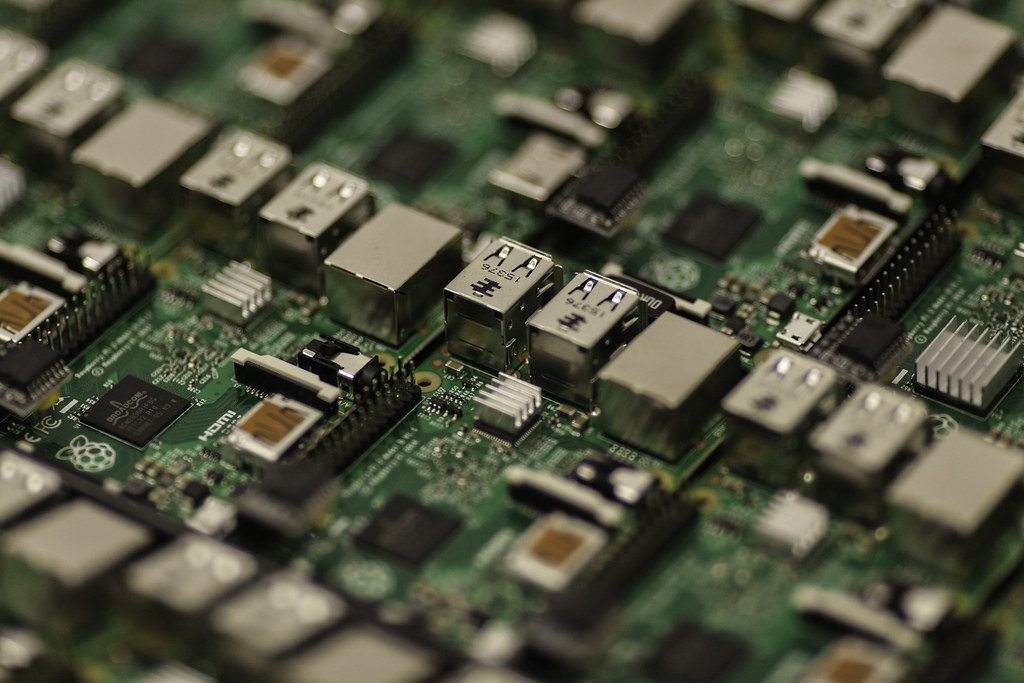
Samsung, SK Hynix, and Micron have sold out their entire 2027 memory chip production capacity. Industry reports confirmed the sellout in early September 2026. The memory chip shortage 2027 covers both DRAM and the high-bandwidth memory, known as HBM, that powers AI accelerators. Customers are being allocated only 60% to 70% of the volumes they requested, according to Tom’s Hardware.

All memory capacity the three companies plan to manufacture in 2027 is booked. No additional supply is planned beyond what customers already reserved, according to TweakTown. Final pricing for 2027 orders will be set closer to delivery. So much capacity is being locked in years ahead of manufacturing that early prices remain provisional.

Why the memory chip shortage 2027 is different from past cycles

Memory chip shortages and gluts have cycled through the industry for decades. Usually they track swings in PC and smartphone demand. This shortage traces to a different driver. Artificial intelligence hyperscalers are buying enormous quantities of HBM to build AI accelerators. They are signing long-term agreements to guarantee supply years in advance. That demand pattern leaves little room for the usual boom-bust cycle. AI infrastructure buildouts show no sign of slowing through 2027.

Samsung led the DRAM market in the second quarter of 2026, with 39% share. SK Hynix followed at 26%, and Micron held 25%. That data comes from Seeking Alpha. Those three companies control most of global memory production. That is part of why their capacity decisions ripple through the entire electronics industry at once.

Who gets squeezed when memory sells out

Semiconductor fabrication facility linked to the memory chip shortage 2027

Companies that build AI servers, smartphones, laptops, and other memory-dependent devices now face a choice. They can accept smaller allocations than they requested. They can pay higher prices for whatever capacity remains. Or they can delay product plans that depend on memory they cannot secure. Smaller device makers without long-term supply agreements are likely to feel the squeeze hardest. Major hyperscalers and top-tier smartphone brands typically get priority in allocation negotiations.

The wider DRAM market, beyond the AI-focused HBM segment, is also tightening as a result. PC and smartphone makers compete with AI infrastructure buyers for the same DRAM production lines. Their own demand has not spiked the way AI demand has, but they are seeing tighter supply anyway.

What this means for device prices

Memory is a core input cost for nearly every modern electronic device, from phones to laptops to data center servers. When supply tightens this severely, manufacturers typically pass at least part of the higher cost on to buyers. Consumers may not see price increases immediately. Many device makers hold existing component inventory and locked-in pricing agreements that take months to work through. Analysts expect the clearest price pressure to show up in 2027. That is when older, cheaper memory contracts expire and manufacturers must buy at the new, tighter market rates.

What happens next in the memory market

Samsung, SK Hynix, and Micron have not announced plans to add new manufacturing capacity beyond what is already sold out for 2027. Building new fabrication plants takes years and enormous capital investment, so a quick fix is not realistic. Analysts consider 2027 likely to be the most difficult phase of the shortage. Continued tightness beyond that remains possible if AI infrastructure spending keeps growing at its current pace. Companies still trying to lock in 2027 supply at this point are largely out of options, since allocation decisions are already made.

The shortage also touches consumer electronics that have nothing to do with AI directly. Game console makers, camera manufacturers, and budget smartphone brands all compete for the same DRAM and NAND flash production lines that AI buyers are squeezing. That broader reach is one reason analysts are watching this shortage more closely than past memory cycles. Earlier cycles usually stayed contained to a narrower slice of the electronics supply chain, rather than spreading across nearly every device category at once.

Frequently asked questions

What is the memory chip shortage 2027?
Samsung, SK Hynix, and Micron have sold out their entire 2027 DRAM and HBM production capacity. AI hyperscalers securing long-term supply agreements are the main driver.

Why is AI driving the memory shortage?
AI hyperscalers need huge quantities of high-bandwidth memory to build AI accelerators. They are signing multi-year agreements to guarantee supply, leaving little spare capacity for other buyers.

How much of their requested supply are customers getting?
Reports indicate customers are being allocated only 60% to 70% of the volumes they originally requested.

Which companies control most memory chip production?
Samsung, SK Hynix, and Micron together control the large majority of global DRAM and HBM production. Samsung led with 39% DRAM market share in Q2 2026.

Will device prices rise because of this shortage?
Analysts expect price pressure to build through 2026. It should become most visible in 2027, once manufacturers work through existing inventory and older pricing agreements.

Related coverage

Sources

  • Tom’s Hardware — Samsung and SK hynix warn AI-driven memory shortages could last until 2027 and beyond. tomshardware.com
  • TweakTown — Memory capacity for all of 2027 has reportedly been booked and sold. tweaktown.com
  • Seeking Alpha — Samsung, SK Hynix, Micron sell out 2027 memory chip supply: report. seekingalpha.com

Germany Just Found Bombs at a Power Substation — And Blamed the Same Country Twice in a Week

German authorities found improvised explosive and incendiary devices at a power substation in Brandenburg on September 1, 2026. Officials are treating it as a second act of sabotage tied to Russia within days of a drone attack at Leipzig/Halle Airport. The Germany power grid sabotage incident targeted the Turnow-Preilack substation. That site links the Jaenschwalde power plant to the 50Hertz grid supplying eastern Germany, according to Stars and Stripes.

The substation discovery followed an August 4-5 incident at Leipzig/Halle Airport. There, a drone carrying explosives turned up near a Ukrainian cargo aircraft. A second drone then collided with a Boeing 757 forced to go around after the airport closed. German Interior Minister Alexander Dobrindt said on September 1 that police findings and intelligence pointed to Russian responsibility for the airport incident. Parliamentary intelligence oversight member Roderich Kiesewetter later echoed that conclusion, per Wikipedia’s sourced incident timeline, which cites German government statements.

Why officials are calling this Germany power grid sabotage, not an accident

Investigators say the Turnow-Preilack devices were positioned to disable one specific transmission link. That precision is why German officials call the incident sabotage rather than vandalism. The substation carries power from a major coal plant into the regional grid. Disabling it would have caused a localized but consequential outage.

No devices detonated. Investigators recovered the explosives and incendiary materials intact. That let them examine construction and placement for clues about who planted them.

The August 4-5 airport incident involved two separate drone encounters, not one. The first drone carried explosives and turned up on the ground near a Ukrainian cargo aircraft. That triggered an immediate airport closure. A Boeing 757 had to go around because of the closure, then collided with a second drone in the air. German aviation authorities opened a parallel safety investigation alongside the criminal one. Neither encounter caused injuries. But the double incident within hours convinced German officials this was a coordinated operation, not a stray device.

Von der Leyen calls the drone incidents the “new normal”

Airport security area related to the drone incident linked to the Germany power grid sabotage case

European Commission President Ursula von der Leyen met NATO Secretary General Mark Rutte in Brussels on September 2. She said Russian drone incidents across Europe had become the “new normal.” The bloc needed to respond faster, she added, according to Euronews. Von der Leyen said the EU already runs rapid-response teams for such incidents. She also said the bloc is preparing new sanctions on top of the existing package against Russia.

EU foreign policy chief Kaja Kallas said separately that the bloc is developing sanctions aimed specifically at Russia’s military-industrial complex. That marks a shift from broad financial sanctions toward measures targeting the supply chains that produce weapons and, allegedly, sabotage equipment.

Germany’s diplomatic response so far

Germany has already taken unilateral steps beyond any EU-wide sanctions package. Berlin blamed Russia directly for the airport drone attack. Moscow has not substantively addressed that claim. German police are also checking whether the airport drone and the substation devices connect to each other, or whether two separate operations struck in the same window.

NATO weighed in alongside the EU response. The alliance and the bloc signaled a coordinated punishment track over the alleged attack, according to Foreign Policy. That joint posture reflects how seriously Western governments now treat incidents on NATO’s eastern flank. Germany has summoned Russian embassy officials over the Leipzig incident, a diplomatic step short of expelling personnel but still a formal protest. Other EU states have taken similar steps this year as drone sightings near airports and military sites have become more frequent across the bloc.

What comes next for EU-Russia sanctions

The EU has not finalized the new sanctions package von der Leyen referenced. Kallas’s comments suggest the bloc is still deciding how narrowly to target Russia’s military supply chain versus its broader economy. German investigators continue examining the Brandenburg substation devices for forensic links to known sabotage networks. Both tracks should produce more concrete details within weeks, officials say, not days.

For now, Leipzig/Halle Airport has resumed normal operations, and the Brandenburg substation remains functional despite the devices found there. The practical disruption from both incidents was limited. The diplomatic and security fallout looks set to run much longer, as Germany and its EU partners work out how to respond to a pattern of incidents rather than a single event.

Frequently asked questions

What happened at the German power substation?
German authorities found improvised explosive and incendiary devices at the Turnow-Preilack substation in Brandenburg on September 1, 2026. No devices detonated.

Is this connected to the Leipzig airport drone attack?
Investigators are examining a possible link. The substation discovery came days after a drone carrying explosives was found near a Ukrainian cargo plane at Leipzig/Halle Airport.

Who does Germany blame for the drone attack?
German Interior Minister Alexander Dobrindt said police findings and intelligence pointed to Russian responsibility for the August 4-5 airport incident.

What is the EU doing in response?
European Commission President Ursula von der Leyen said the bloc is preparing additional sanctions on Russia, with EU foreign policy chief Kaja Kallas developing measures targeting Russia’s military-industrial complex.

Was anyone hurt in either incident?
No injuries have been reported from either the Leipzig airport drone incident or the Brandenburg substation discovery.

Related coverage

Sources

  • Stars and Stripes — Russia hit with new German punishments over Leipzig drone discovery. stripes.com
  • Euronews — Von der Leyen: Russian drone incidents in Europe are the “new normal”. euronews.com
  • Wikipedia — 2026 Leipzig Airport drone incidents (sourced timeline). en.wikipedia.org