Ready to take the next step? Talk to a Travel Expore advisor on WhatsApp for personalised, no-obligation guidance.
29 Jul 2026

Ready to take the next step? Talk to a Travel Expore advisor on WhatsApp for personalised, no-obligation guidance.

Picture closing your laptop in a Lisbon apartment after a workday paid by a client an ocean away. Portugal’s D8 makes that legal, and the Portugal digital nomad visa 2026 income bar is the first hurdle to clear: 3,680 euros a month. Get the money and paperwork right and this is one of Europe’s most welcoming remote-work routes, with a path to residency down the line.
By the Travel Explore editorial desk. Last updated 24 July 2026.
The D8 threshold tracks the minimum wage, which rose to 920 euros in 2026, setting the remote-work requirement at four times that, or 3,680 euros a month. On top of monthly income, plan to show savings of about 11,040 euros in the bank. Families scale up: add 50 percent for a spouse and 30 percent for each child. Larissa, a Brazilian software developer contracting for a US startup, documents twelve months of invoices and bank statements to prove the income is steady, not a one-off spike. Consistency is what consulates reward.
The two visas look similar and serve different wallets. The D8 is built for active earners, remote employees and freelancers with foreign clients. The D7 suits passive income, pensions, rental yield or dividends, and sets a lower bar near 920 euros a month. If your money comes from work you actively do, the D8 is your route. If it arrives whether you work or not, the D7 fits better. Both can lead to residency after five years, and Portugal still offers a tax incentive for qualifying newcomers.
Not sure which Portugal route suits you? Explore it at https://linktr.ee/travelexpore
The catch is time. Portugal’s immigration agency, AIMA, is working through a heavy backlog, and D8 processing now runs roughly six to nine months as of mid-2026. That reality should shape your plan. Apply well before any intended move, keep every document current so a request for updates does not reset your queue, and budget for the wait. Book the consulate appointment early. The threshold is the easy part.
How much income do I need for the D8 in 2026?
About 3,680 euros a month, four times the minimum wage, plus savings near 11,040 euros.
What is the difference between the D7 and D8?
The D8 is for active remote work. The D7 is for passive income at a lower threshold.
How long does the D8 take to process?
Roughly six to nine months due to the AIMA backlog, so apply early.
Can my family join me?
Yes, adding 50 percent for a spouse and 30 percent per child to the income bar.
The D8 turns remote income into a European base, if you prove the money and plan around the wait. Line up your invoices, savings and consulate slot before you apply. Start your Portugal move with our tools here: https://linktr.ee/travelexpore

The job-offer-first rule is no longer the only door into Germany. Since the Opportunity Card launched, skilled workers can arrive to search on the ground, and the Germany Opportunity Card points 2026 system decides who qualifies. Score six points and you get up to a year to land qualified work. As of 2026 the rules are stable, which makes this a good moment to plan.
By the Travel Explore editorial desk. Last updated 24 July 2026.
The Chancenkarte awards points across a handful of factors: your qualification, work experience, language ability, age, and any prior ties to Germany. You need a recognised university degree or vocational qualification to enter the system, plus basic German at A1 or English at B2. From there, stronger German, more experience, and being younger all add points. Salman, a Pakistani IT specialist with five years of experience and B2 English, clears six points comfortably once his degree is recognised. The shortage-occupation list expanded in 2026, adding weight for STEM, healthcare, education and skilled trades.
Germany wants proof you can support yourself while you search, currently about 13,092 euros a year. Most applicants show this through a blocked account, though a part-time work contract can also count. The application fee is 75 euros. You will also need your qualification documents, ideally with recognition already underway through the official “anabin” database, plus health insurance for your stay. Get the recognition question settled early. It is the step that most often slows people down.
Wondering if your profile clears six points? Find out at https://linktr.ee/travelexpore
The card is a bridge, not a destination. You have up to twelve months to find qualified work, and you can work 20 hours a week meanwhile to cover costs. Once you sign a contract that matches your qualification, you switch to a residence permit for employment, or to the EU Blue Card if your salary clears its threshold. The 2026 Blue Card floor is around 50,700 euros, lower for shortage occupations. Plan the search like a job in itself. Momentum matters more than luck.
Do I need a job offer for the Opportunity Card?
No. You may enter to look for work if you score six points and can support yourself.
How long is the Opportunity Card valid?
Up to one year, extendable to two if you have qualified work.
Can I work during the job search?
Yes, up to 20 hours a week, plus short trial jobs.
How much money must I prove?
Around 13,092 euros a year via a blocked account or similar proof.
The Opportunity Card rewards preparation over connections. Sort your recognition, count your points, and set aside your proof of funds before you apply. Start mapping your Germany route with our tools here: https://linktr.ee/travelexpore
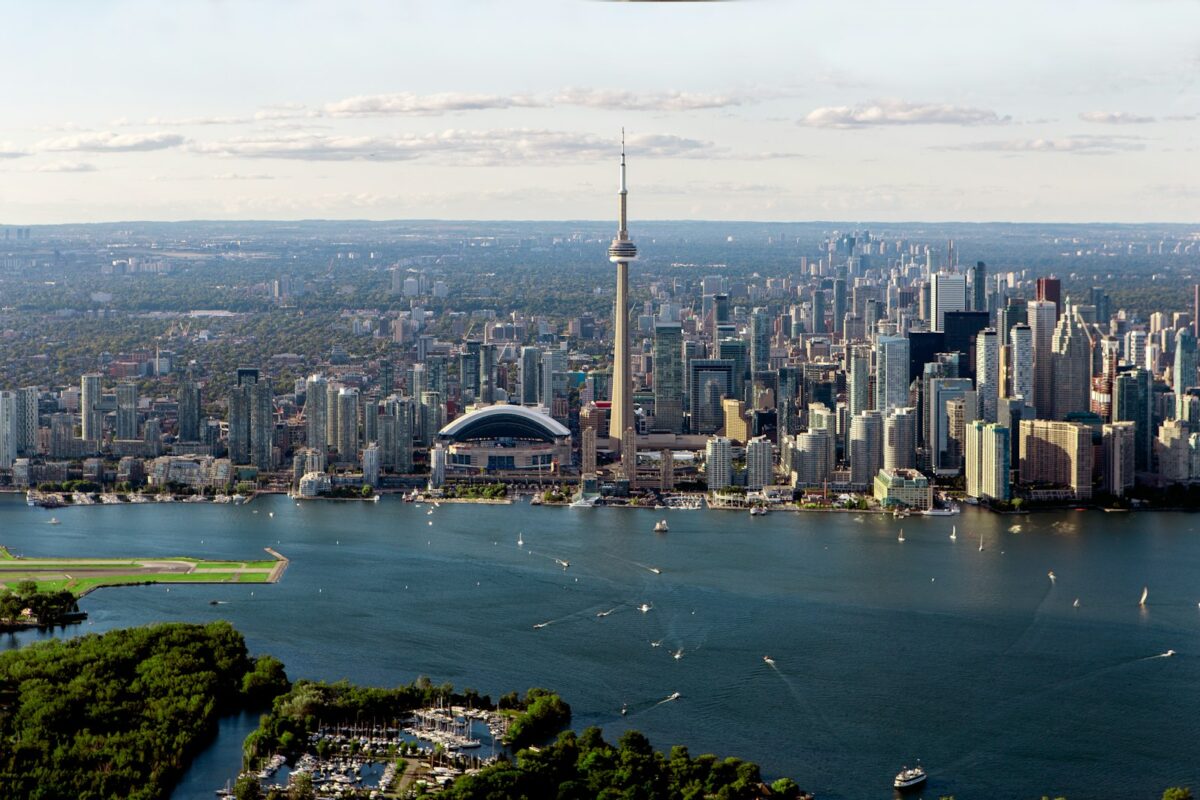
744. That was the Comprehensive Ranking System cutoff in Canada’s 20 July 2026 Provincial Nominee Program draw, and it sends a lot of hopefuls into a spiral. The number looks brutal until you understand what it measures. Read the wrong way, the Canada Express Entry PNP draw 2026 convinces people they have no chance. Read correctly, it points to a far easier door.
By the Travel Explore editorial desk. Last updated 24 July 2026.
A provincial nomination is worth 600 CRS points on its own. So a PNP-only draw is measuring candidates who already carry that bonus, which is why the cutoff sits so high. Compare the month’s other rounds. The 7 July Canadian Experience Class draw landed at 517, and the 9 July French-language draw closed at just 420. Same system, wildly different bars. The July 2026 rounds together sent well over 8,000 invitations. The headline number is a category artefact, not a verdict on your file.
Category-based selection is the real story of 2026. IRCC is issuing draws aimed at French speakers, healthcare, trades, education and STEM occupations, and those cutoffs run far below the general pool. Rajesh, an Indian software engineer stuck at 468, spent a year chasing a provincial nomination that never came. A focused push on French to reach a modest test level would have opened the 420 door instead. As IRCC frames it, category draws target “specific groups of candidates” the labour market needs. Match a category and the maths changes.
Curious where your CRS really stands? Check your fit at https://linktr.ee/travelexpore
First, treating the highest cutoff as your target rather than the category that fits you. Second, ignoring language gains, where a single band can be worth dozens of points. Third, waiting passively in the pool while your age quietly costs you points each year. Fix the file you control. Book the stronger language test, confirm which category you match, and keep your profile current so an invitation is not wasted. Small moves compound. Drift does not.
Why was the July PNP cutoff 744?
A nomination adds 600 points, so PNP-only draws always show very high cutoffs. It is not the general bar.
Is 744 the score I need for Express Entry?
No. Category draws in 2026 have gone as low as 420 for French speakers.
Which categories are active in 2026?
IRCC is prioritising French, healthcare, trades, education and STEM occupations.
How do I raise my CRS realistically?
Improve a language test, gain skilled experience, or qualify for a targeted category.
The cutoff you fear may not be the one you face. Find the category that fits, lift the score you can control, and keep your profile invitation-ready. Start with our Express Entry tools here: https://linktr.ee/travelexpore
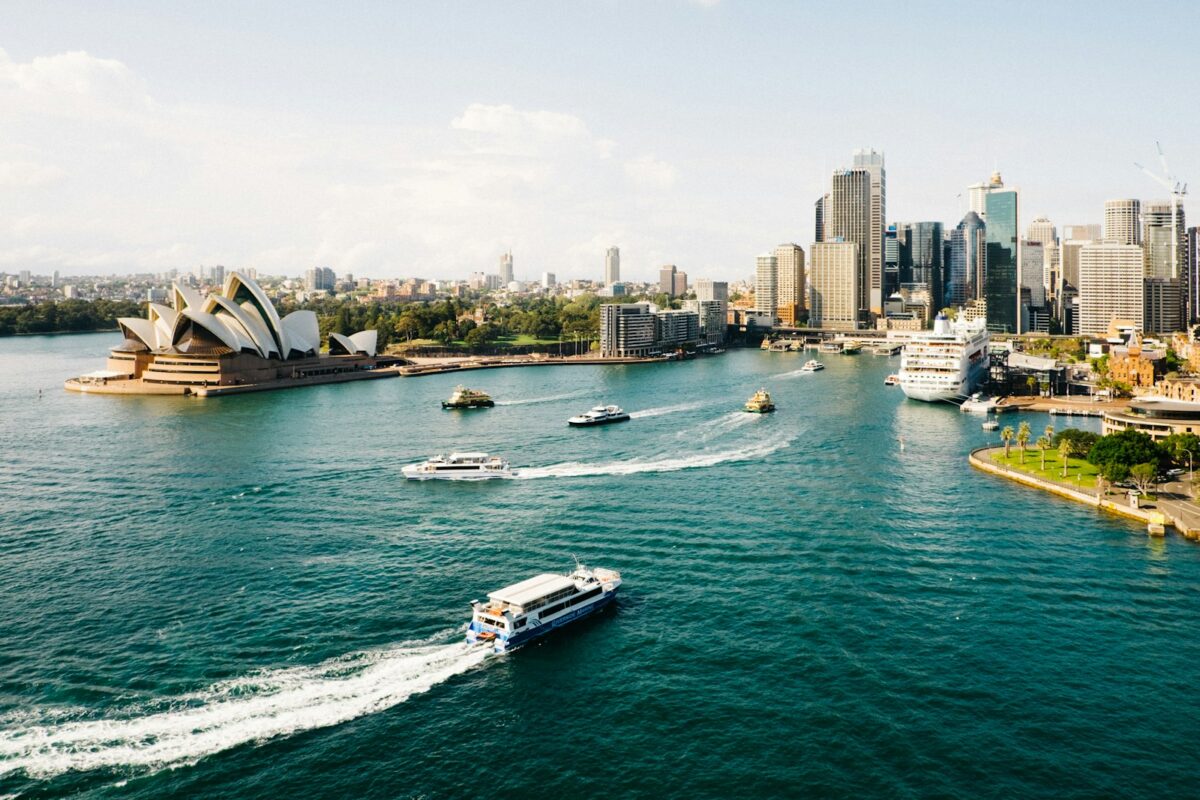
From 1 July 2026, Australia lifted the salary floors that decide who can be sponsored for a skilled visa. The Australia skilled visa income threshold 2026 now sets a higher bar for employers and workers alike, and the change is already live. If your job offer was pitched at last year’s numbers, it may no longer clear the line.
By the Travel Explore editorial desk. Last updated 24 July 2026.
Three figures matter. The Temporary Skilled Migration Income Threshold, the minimum base salary for a sponsored worker, rose from AUD 76,515 to AUD 79,499. The Core Skills Income Threshold for Subclass 482 and Subclass 186 nominations sits at roughly the same AUD 79,499 mark, while the Specialist Skills stream is pegged near AUD 146,576. The Fair Work High Income Threshold, which matters for older applicants seeking a permanent residence age exemption, moved to AUD 190,100. One rule tightened too. The Core Skills pathway now expects two years of relevant experience, up from one.
Employers nominating new workers feel it at once, because a nomination lodged under the old figure can be refused. Consider Maria, a Filipino registered nurse weighing an offer from a regional aged-care provider. Her package was drafted in May at just above the previous floor. Under the new numbers it needs a modest bump before her Subclass 482 nomination is safe. Workers already holding a visa are not repriced overnight, yet anyone changing employers or moving toward permanent residence is measured against the current thresholds. “$79,499” is now the number to beat.
Not sure your salary clears the new bar? Map your options at https://linktr.ee/travelexpore
Check the offer letter against the live thresholds before lodging anything. If the base salary sits within a few thousand dollars of the floor, renegotiate rather than risk a refusal and a lost fee. Applicants chasing permanent residence should confirm whether they qualify under Core Skills or Specialist Skills, since the experience requirement and the salary bar differ. Keep evidence of market rates for your role, because the position must still be paid on par with local staff. Small gaps are cheap to fix now. They are costly to fix after a refusal.
Does the new threshold affect my current 482 visa?
No. You keep your current conditions until you change employer or lodge a new visa, when the live figures apply.
Is the Core Skills floor the same as TSMIT?
They are closely aligned in 2026, but confirm the exact figure for your nomination stream before lodging.
What is the Specialist Skills threshold for?
It targets higher-paid roles near AUD 146,576 and can offer faster processing for eligible occupations.
Why did the experience rule change?
The Core Skills pathway now asks for two years of relevant experience to strengthen sponsorship integrity.
The numbers changed, but the path is still open to workers who plan around them. Confirm your threshold, tidy your evidence, and act before the next adjustment. Start your checklist and tools here: https://linktr.ee/travelexpore