Palo Alto Networks Has Quietly Bought Five Companies This Year Alone

The Palo Alto Networks acquisition spree added its fifth company of 2026 on September 1. The cybersecurity giant completed its purchase of Console, an AI-native IT service automation startup backed by Thrive Capital, for approximately $500 million. Tech Startups reported the deal terms.

Console applies AI-driven analysis and automated action across enterprise IT operations. It helps organizations resolve alerts and routine requests without waiting on human staff. That is according to Palo Alto Networks’ own announcement. The company calls this “agentifying security.” AI agents now handle tasks that used to require a security analyst’s direct attention.

Every Deal in the Palo Alto Networks Acquisition Spree So Far

Console is the latest in a run of deals stretching back to January. Palo Alto Networks completed its acquisition of Chronosphere on January 29, 2026. That deal gave the company visibility into the massive data volumes modern AI-era businesses generate. CyberArk followed on February 11. That deal made identity security a core pillar of its platform strategy — securing human, machine and AI-agent identities alike.

April brought the Koi acquisition. Koi introduced what the company calls Agentic Endpoint Security, a category built around protecting AI agents on enterprise devices. May brought Portkey, a pioneer in “AI Gateways” — control points that manage how enterprise AI traffic flows and gets secured. Console, completed September 1, rounds out five acquisitions in eight months.

Taken in sequence, the five deals read less like opportunistic shopping. They look more like a deliberate build-out of a full stack. Chronosphere brought visibility. CyberArk brought identity. Koi brought endpoints. Portkey brought traffic control. Console now brings automated response. Few cybersecurity vendors have assembled all five layers this quickly. A single company controlling every layer can sell a tighter, more integrated pitch than a customer stitching together five separate vendors alone.

Why the Palo Alto Networks Acquisition Spree Is Happening Now

Every deal in this run targets a different layer of one problem: securing organizations that are rapidly adopting AI agents, not just AI chatbots. Identity security, endpoint protection, AI gateways and IT service automation each address a piece of the same bet. AI agents acting autonomously inside company systems need fundamentally different security tools than the software they replace.

This mirrors a pattern playing out across the AI infrastructure market more broadly. Tamara News covered Anthropic’s compute deal with Nvidia this week. That deal is part of the same wave of AI-era consolidation. Companies across the industry are racing to control critical layers of the AI stack before rivals lock them up first.

What This Means for Enterprise Security Buyers

Companies that already use Palo Alto Networks products will likely see these acquired technologies folded into existing platform bundles over the coming quarters. Few will be sold as fully separate products. That consolidation can simplify vendor management for large enterprises. It also concentrates more of a company’s security posture with a single vendor. That trade-off is worth weighing for organizations that currently spread risk across multiple security providers.

Smaller competitors face a harder question. Matching Palo Alto Networks’ pace would require either raising significant acquisition capital or accepting a narrower, more specialized role in the market. Neither path is easy. Some smaller vendors may become acquisition targets themselves rather than try to keep pace.

Customers who standardize on a single vendor this heavily also lose some negotiating leverage over time. Fewer alternative suppliers in a given category tends to mean less pricing pressure at renewal time. That is a trade-off procurement teams at large enterprises will need to weigh against the convenience of one integrated platform.

Security teams evaluating the bundle will also want to check how deeply each acquired product actually integrates, rather than assuming a shared parent company means a shared codebase on day one. Integration timelines for large acquisitions often run longer than initial announcements suggest, and gaps between “acquired” and “fully integrated” can leave real security coverage holes in the meantime.

Where Palo Alto Networks Goes From Here

Five acquisitions in eight months is an aggressive pace, even by cybersecurity industry standards. Nothing in the company’s public statements suggests it plans to slow down. Watch how quickly Console, CyberArk, Koi and Portkey get folded into Palo Alto Networks’ existing product lines. Watch too whether the next earnings report shows the acquisition spending turning into new platform revenue, rather than just added headline complexity. Rival security vendors are almost certainly reviewing their own acquisition pipelines in response. A competitor assembling a full AI-security stack this fast raises the bar for anyone hoping to compete on breadth alone.
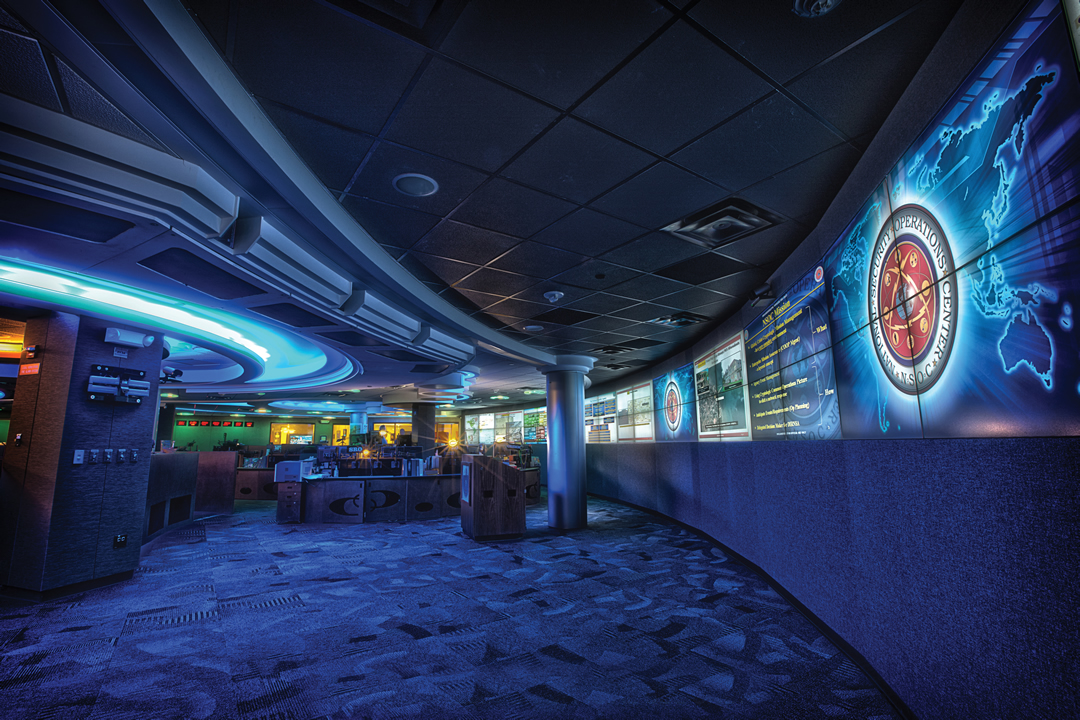
Security operations center reflecting the Palo Alto Networks acquisition spree

What People Are Asking

What is Palo Alto Networks’ most recent acquisition?
Console, an AI-native IT service automation startup, acquired for approximately $500 million and completed September 1, 2026.

How many companies has Palo Alto Networks acquired in 2026?
Five: Chronosphere, CyberArk, Koi, Portkey and Console, completed between January and September 2026.

What does Console actually do?
It applies AI-driven analysis and automated action to enterprise IT operations, helping resolve alerts and requests without direct human intervention.

Why is Palo Alto Networks focused on AI agent security specifically?
Each acquisition targets a different layer of securing AI agents operating inside enterprise systems — identity, endpoints, AI traffic gateways and IT automation.

Will these acquisitions change existing Palo Alto Networks products?
The company has signaled it plans to fold the acquired technologies into its existing platform over time, though a specific integration timeline has not been published.

Featured image: “Computer-security-emergency-response-process(high-res).png” by Michael Berman (Tanjstaffl) (CC BY 2.5), via Wikimedia Commons.

Related Guides

Nvidia Just Bought the Company Every AI Developer Uses — for $12.9 Billion

The Nvidia Hugging Face acquisition became official on September 2, 2026. Nvidia Corporation signed a definitive agreement to buy Hugging Face for $12.93 billion. It is the chipmaker’s largest deal to date. Nvidia disclosed the transaction in a filing with the U.S. Securities and Exchange Commission. Axios and TechCrunch both confirmed the terms.

The price breaks down into two parts. Roughly $11.9 billion goes to Hugging Face’s investors. Up to $1 billion is set aside for employee retention, according to Nvidia’s own disclosure. The deal is expected to close in the first half of 2027, subject to regulatory approval.

What the Nvidia Hugging Face Acquisition Actually Buys

Hugging Face is not a chip company. It is not a model developer in the way OpenAI or Anthropic are. It runs a hosting and community platform where developers publish, share and download open-source AI models, datasets and applications. More than 18 million developers, researchers and creators use the platform. It hosts over 3 million models, 500,000 datasets and 1 million applications, per Nvidia’s own figures.

Hugging Face has become something close to neutral ground for the open-source AI world. A researcher can publish a model there regardless of which chip trained it. That neutrality made the acquisition sensitive the moment it was announced.

Why Nvidia Says It Will Keep the Platform Open

Nvidia has publicly committed to keeping Hugging Face’s platform open on the same terms it operates under today. That includes letting developers upload, download and support hardware from other vendors. AMD chips and rival silicon remain welcome on the platform, at least under the terms Nvidia has stated so far. VideoCardz reported that this openness commitment was central to how Nvidia framed the deal.

The promise matters because Hugging Face’s value depends on developer trust in its neutrality. If Nvidia steers the platform toward its own chips, developers have an incentive to migrate elsewhere. That would undercut the very asset Nvidia just paid $12.93 billion for.

Skeptics of the deal point out that a public commitment is not a binding structural guarantee. Nvidia will control Hugging Face’s roadmap, funding and leadership once the deal closes. A pledge to stay open can still get reshaped over years through small product decisions that never individually look like a reversal.

The Nvidia Hugging Face Acquisition Fits a Bigger Pattern

Nvidia’s move follows a wave of AI infrastructure consolidation across 2026. Rivals have raced to lock in their own compute and platform deals. Tamara News covered Anthropic’s separate compute agreement with Nvidia earlier this week. The industry has also spent the year debating bottlenecks in AI chip interconnects that shape how fast new models train at scale. Buying Hugging Face gives Nvidia a foothold in the software layer where developers decide which hardware to target — not in chips or interconnects themselves.

Where This Leaves the AI Industry

Regulators in the U.S., EU and elsewhere are expected to scrutinize the deal. Nvidia already dominates AI chips, and Hugging Face sits at the center of model distribution. The 2027 closing timeline gives antitrust authorities significant runway to review the transaction. Competing chipmakers and cloud providers that depend on Hugging Face’s neutrality will watch closely for any sign that Nvidia hardware starts getting favored on the platform.

The extended closing window also gives rival hardware makers time to build alternatives of their own. Some developers may start looking for a hosting platform with no ownership ties to any single chipmaker at all.

AMD, Intel and a handful of cloud-only providers all have reasons to want that alternative to exist. None of them has announced one yet. Building trust at Hugging Face’s scale takes years, not months. For now, most developers have little choice but to wait and watch how Nvidia actually behaves once it owns the platform outright.

Nvidia’s own hardware business gives some hint of its incentives. The company sells GPUs, not hosting services, so its profit motive does not obviously require steering Hugging Face traffic toward its own chips. Some analysts read that as a reason for cautious optimism about the openness pledge holding up in practice.

The deal also lands at a moment when Nvidia’s market power in AI chips is already a recurring subject of antitrust discussion. A high-profile acquisition of widely used, previously independent infrastructure gives that broader debate a fresh, concrete example to point to. How regulators respond may say as much about the future of AI oversight as it does about this one deal.

Developer coding after the Nvidia Hugging Face acquisition

Frequently Asked Questions About the Nvidia Hugging Face Acquisition

How much is Nvidia paying for Hugging Face?
$12.93 billion total — about $11.9 billion to investors and up to $1 billion in employee retention payments, according to Nvidia’s SEC filing.

When was the deal announced?
Nvidia signed the definitive agreement on September 2, 2026, and confirmed it publicly on September 3.

When will the acquisition close?
Nvidia expects the deal to close in the first half of 2027, pending regulatory approval.

Will Hugging Face still support non-Nvidia hardware?
Nvidia has committed to keeping the platform open to other silicon vendors, including AMD, consistent with Hugging Face’s current practices.

How many developers use Hugging Face?
More than 18 million, hosting over 3 million models, 500,000 datasets and 1 million applications, per figures Nvidia disclosed alongside the deal.

Featured image: “2026-02-12 NVIDIA Quadro 400 HOF6313 RAW-Export.png” by PantheraLeo1359531 (CC BY-SA 4.0), via Wikimedia Commons. In-content image: “2020-05-01 the-mediocre-programmer by-David-Revoy.jpg” by David Revoy (CC BY 4.0), via Wikimedia Commons.

ChatGPT, Claude and Grok All Went Dark at Once — Here’s Why

An AI chatbot outage knocked three of the world’s most-used AI tools offline within the same hour. It happened on September 3, 2026. OpenAI’s ChatGPT, Anthropic’s Claude and xAI’s Grok all began throwing errors around 7:43 a.m. Pacific time. Downdetector logged sharp spikes in error reports across all three services within minutes of each other.

Three competing AI labs rarely fail at once. Chatbots from different companies almost never share a single point of failure. The near-simultaneous timing pointed straight at the infrastructure underneath them, not at any one model.

How the AI Chatbot Outage Unfolded

ChatGPT’s disruption did not stop at the chat window. OpenAI confirmed that logins, file uploads, voice mode, search, Deep Research and image generation were all affected. Its Codex coding tool went down too, according to 9to5Mac. Anthropic said its newest Claude Opus 4.8 and Opus 5 models took the hardest hit. Older Claude models recovered to normal error rates faster. xAI’s Grok also went down, and the company acknowledged the problem publicly while it worked on a fix.

Secondary services built on top of these models felt it too. Developer tools including the coding agent Cursor confirmed downtime, since they depend on the same upstream AI infrastructure. The Register first reported that knock-on effect. All three chatbots returned to normal service by 12:38 p.m. Pacific time.

What Likely Caused the AI Chatbot Outage

Microsoft Azure was also experiencing its own outage at the same time. Several outlets, including Axios, said Microsoft’s cloud problems may have contributed to the AI outages. None of the three AI companies has published a full technical explanation yet. Tamara News has not independently verified a single root cause. This is what multiple outlets reported as the likely trigger, not a confirmed finding from OpenAI, Anthropic or xAI themselves.

The pattern fits a broader worry in the industry. Even rival AI companies often lean on the same handful of cloud providers, data center regions and networking backbones. When one shared layer stumbles, the outage rarely stays contained to a single brand.

This is not the first time a cloud provider’s problems have rippled outward into services that look unrelated on the surface. Streaming platforms, banking apps and airline booking systems have all gone dark in past incidents traced back to a single cloud region. AI chatbots are simply the newest category to join that list, and arguably the most visible one, since millions of people now open ChatGPT the way they once opened a search engine.

Why This AI Chatbot Outage Matters Beyond the Inconvenience

For casual users, an hour without ChatGPT is an annoyance. For businesses that wired these models into customer support, coding pipelines and internal workflows, it becomes a production incident. Companies that built single-vendor dependencies into critical systems had no working fallback during the window. The model they might have switched to was also down.

This is the second major cloud-linked disruption Tamara News has covered in three days. A separate Microsoft cloud outage hit a different set of services on September 2. Together, the two incidents raise the same question from different angles: how much of daily digital life now depends on a small number of cloud platforms staying up.

Enterprise customers with strict uptime requirements are the ones most exposed here. A five-hour gap in service can cascade into missed customer replies, stalled code deploys and delayed research work. Few companies have built real fallback plans for a scenario where every major AI vendor drops at once.

Some engineering teams responded by switching to open-weight models they can run on their own hardware, at least temporarily. Others simply waited it out. Either response points to the same underlying gap: most organizations that rely on AI chatbots day to day have not stress-tested what happens when none of them are reachable.

What Happens in the Days Ahead

Expect each company to publish, or decline to publish, a post-incident report in the coming days. OpenAI, Anthropic and xAI have varying track records on transparency after outages. Some post detailed timelines. Others post a short status update and move on. Enterprise customers with service-level agreements will likely ask pointed questions about compensation and redundancy planning. None of the three companies has said whether Wednesday’s incident will change how they architect around single points of failure.

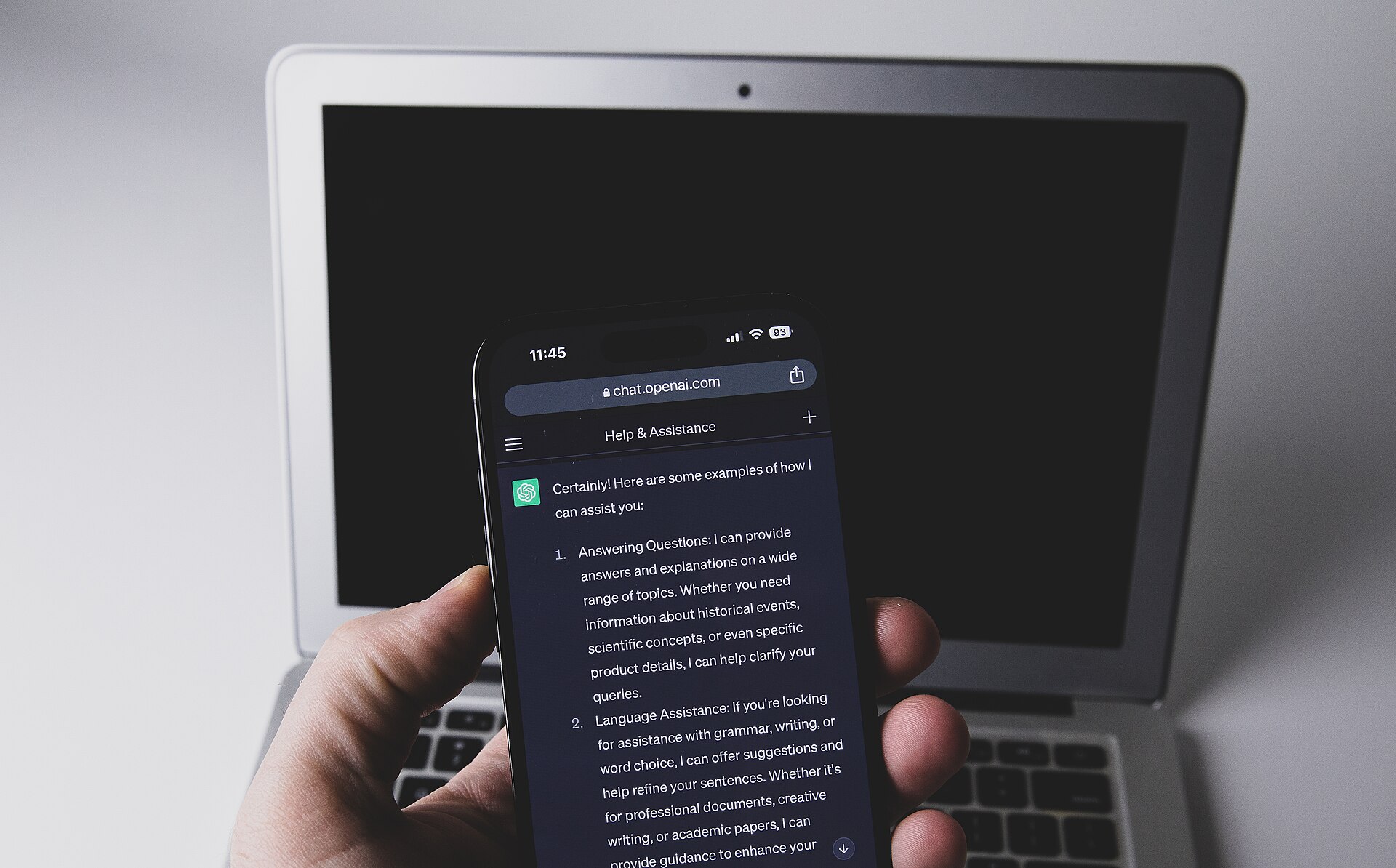
AI chatbot outage error screen on a smartphone

Frequently Asked Questions

What caused the AI chatbot outage on September 3, 2026?
No company has issued a confirmed root-cause statement. Multiple outlets, including Axios, reported that a concurrent Microsoft Azure disruption may have contributed. OpenAI, Anthropic and xAI have not confirmed this independently.

How long did ChatGPT, Claude and Grok stay down?
Reports place the start of the disruption around 7:43 a.m. Pacific time. All three services returned to normal by roughly 12:38 p.m. Pacific — just under five hours.

Were all ChatGPT features affected?
Yes. OpenAI confirmed that logins, uploads, voice mode, search, Deep Research, image generation and its Codex coding tool were all disrupted, not just the main chat interface.

Did the outage affect tools built on top of these chatbots?
Yes. Developer tools including the coding agent Cursor reported downtime because they depend on the same upstream AI infrastructure.

Is this connected to the Microsoft cloud outage from September 2?
The two incidents happened a day apart and both involve cloud infrastructure. Tamara News has not seen a confirmed technical link between them.

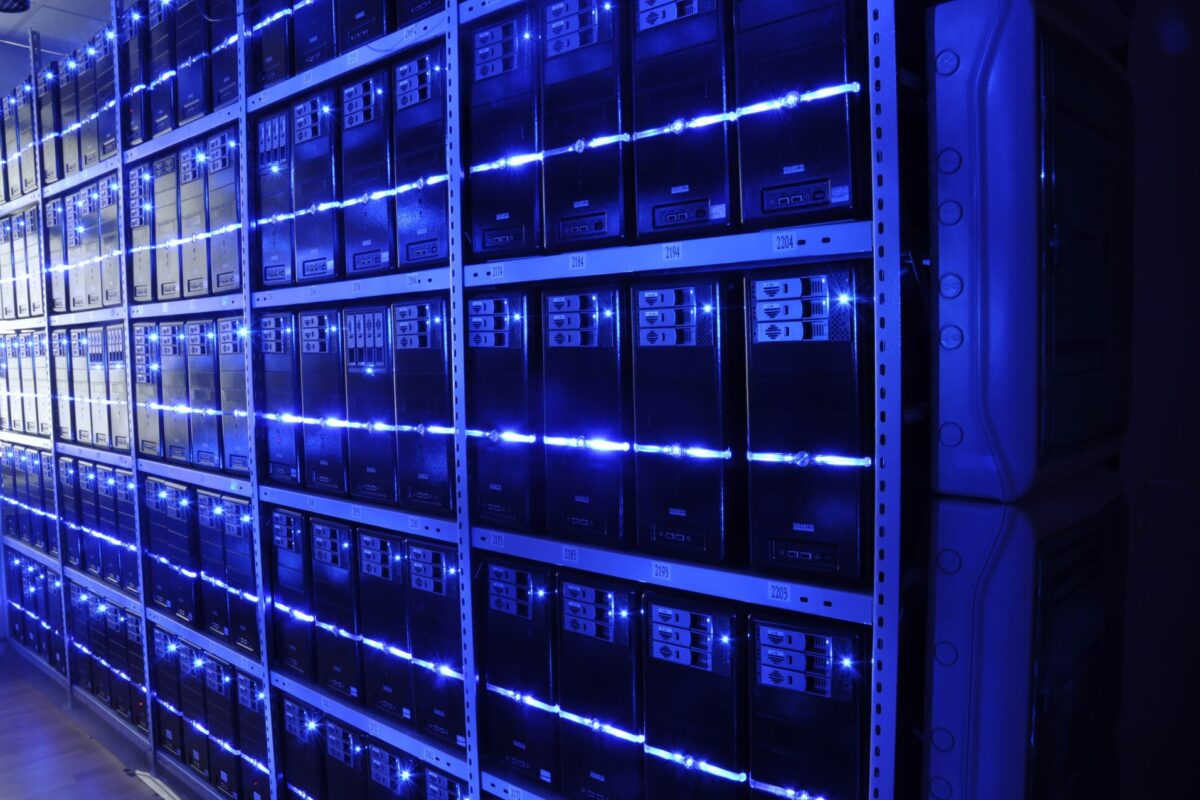
Featured image: “BalticServers data center.jpg” by BalticServers.com (CC BY-SA 3.0), via Wikimedia Commons. In-content image: “Smartphone with ChatGPT app (52917381673).jpg” by Jernej Furman from Slovenia (CC BY 2.0), via Wikimedia Commons.

Related Guides

A Forgotten Certificate Just Took Down Microsoft 365 for Millions of Users

The Microsoft cloud outage September incident started with an authentication certificate problem in Exchange Online. It spread within hours to Teams, SharePoint, OneDrive, and Microsoft Defender XDR, disrupting work for businesses worldwide. Microsoft’s own status page tracked the incident under the internal code EX1464935.

The trouble began around 8 a.m. Pacific time on Monday. By Tuesday, Microsoft said core Exchange Online mail flow and search had recovered, though it acknowledged some services were still not fully back to normal.

What triggered the Microsoft cloud outage September incident

Born’s Tech and Windows World reported the root cause traced back to a core authentication configuration issue tied to a certificate that had not been renewed. TechCrunch confirmed the outage dragged into a second day. Users kept reporting intermittent search and calendar failures even as mail delivery stabilized.

Microsoft office signage pictured during the Microsoft cloud outage September incident

Photo: Shijaz, public domain, via Wikimedia Commons.

Which services and users were affected

BleepingComputer listed symptoms ranging from delayed or failed email delivery to broken mailbox search. Teams users also saw calendar problems, and their presence status got stuck instead of updating automatically. Microsoft 365 Business and Enterprise customers were hit hardest, since those plans lean most heavily on Exchange Online for daily operations. Consumer Outlook.com accounts saw more limited disruption by comparison.

Laptop representing the email and productivity tools disrupted by the Microsoft cloud outage September incident

Photo: Raimond Spekking, CC BY-SA 4.0, via Wikimedia Commons.

How Microsoft has responded so far

Microsoft rotated the expired certificate and pushed a fix across affected regions in stages. That staged rollout explains why recovery came unevenly, with some tenants back to normal well before others. The company has not yet published a full post-incident report explaining why the certificate renewal was missed in the first place. Outage-tracking sites note this is not the first cloud-wide disruption tied to a routine maintenance failure this year.

What it cost businesses on the ground

Help-desk teams at several large enterprises reported a spike in support tickets tied to failed logins and missing calendar invites during the outage window. Small businesses that rely on Microsoft 365 for customer-facing email said delayed replies likely cost them time-sensitive deals. No company has published a dollar estimate of the damage. IT consultants say the incident has renewed client interest in backup email routing and offline access to critical files. Many organizations had let those precautions lapse during years of relatively stable service.

Some enterprise customers in regulated industries, including banking and healthcare, say outages like this one complicate their compliance obligations. Several regulators require documented uptime for systems handling sensitive data. A handful of large customers have asked Microsoft for compensation under existing service-level agreements. The exact terms of those agreements vary by contract and are not publicly disclosed. Cybersecurity researchers have also noted that widescale outages create a brief window of confusion. Phishing campaigns sometimes exploit it, since employees expect unusual login prompts and error messages while a real incident is underway.

What happens if outages like this keep happening

Enterprise customers are increasingly asking Microsoft for clearer service-level commitments. They also want faster public disclosure when an outage begins, rather than learning about scope and cause well after the fact. Industry analysts expect cloud outages to remain a recurring risk as more critical business functions concentrate on a small number of providers. A single configuration failure can now ripple across email, chat, and file storage simultaneously. For related coverage on the accountability pressure facing major platforms, see our reporting on the EU’s ChatGPT search engine designation and the ongoing wave of tech layoffs.

Industry publications have warned throughout 2026 that cloud outages are becoming more frequent. Providers are packing more services onto shared authentication and identity systems. When one of those shared systems fails, the effects cascade across products that otherwise have little in common. That is part of why a single expired certificate could take down email, chat, and file storage at the same time. Competing cloud providers have used past Microsoft outages to court enterprise customers considering multi-cloud strategies. Switching core productivity software still remains a slow and costly process for most large organizations.

Outage FAQ: what to know

What caused the Microsoft cloud outage September incident?
Microsoft traced the root cause to a core authentication configuration issue linked to an expired certificate.

Which services were affected?
Exchange Online, Teams, SharePoint, OneDrive, Microsoft Purview, and Defender XDR all reported disruptions.

How long did the outage last?
The incident began Monday morning and stretched into a second day, with core mail flow restored first and some services lagging behind.

Were consumer accounts affected?
Consumer Outlook.com users saw more limited disruption compared with Microsoft 365 Business and Enterprise customers.

Has Microsoft explained why the certificate lapsed?
Not yet. Microsoft has not published a full post-incident report detailing why the renewal was missed.

Could this kind of outage happen again?
Analysts say concentrated reliance on a handful of cloud providers makes repeat incidents likely, since one configuration failure can affect multiple services at once.

Cloud reliability researchers say the incident adds to a growing case study list used in enterprise risk assessments. Several large customers say they now factor outage history directly into vendor renewal negotiations. Microsoft has not said whether it will offer service credits automatically or require affected customers to file individual claims. That distinction matters for smaller businesses without dedicated legal or procurement teams.

Sources:

Anthropic Just Locked In $35 Billion of Computing Power — Nvidia Is on Both Sides of It

The Anthropic Nvidia compute deal is a six-year, $35 billion cloud-computing agreement between the AI lab and Lambda. Nvidia backs Lambda with both equity and hardware. The deal routes through a Texas data center and adds to more than $135 billion in computing contracts Anthropic has signed so far this year.

Under the arrangement, Lambda will draw computing capacity from a 700-megawatt data center campus in Nueces County, Texas. Hut 8, a company known for bitcoin mining and data center development, is building the facility.

How the Anthropic Nvidia compute deal is structured

According to Bloomberg, Nvidia will lease the Hut 8 data center directly. Lambda then pays Nvidia for access to it, and Anthropic in turn pays Lambda for the computing power it needs to train and run its models. Techxplore noted that Nvidia has invested in both companies on either side of the contract. Some analysts have questioned this structure as a form of circular financing that keeps Nvidia’s chips, capital, and revenue moving through the same small set of partners.

Computer processor chip representing the hardware behind the Anthropic Nvidia compute deal

Photo: Intel Free Press, CC BY 2.0, via Wikimedia Commons.

Why Anthropic needs this much computing power

Anthropic has signed a rapid succession of large compute contracts this year to keep pace with rivals training increasingly large models. The company spreads its computing needs across several providers rather than relying on a single cloud vendor. That approach reduces the risk that one supplier’s capacity constraints slow its model development schedule.

Graphics processing hardware similar to the chips underpinning the Anthropic Nvidia compute deal

Photo: Advanced Micro Devices, Attribution, via Wikimedia Commons.

What analysts are questioning about the arrangement

Some market analysts have flagged the layered structure of the deal. Nvidia effectively finances the buildout of a data center it will lease to a company it has invested in. That company then sells access to another company Nvidia has also invested in. Supporters argue this is simply how the AI infrastructure buildout works at scale, since few single companies can finance multi-billion-dollar data center campuses alone. Critics counter that if AI demand ever slows, the interlocking investments could concentrate risk across the same handful of players rather than spreading it.

How rival AI labs are responding

OpenAI and Google have both signed their own large multi-year compute contracts over the past year. Industry watchers describe an accelerating arms race for guaranteed chip access. Cloud providers outside the big three hyperscalers, including Lambda and CoreWeave, have used deals like this one to build credibility. AI labs that want to diversify away from a single vendor now see them as real alternatives. Some venture investors say the scale of these commitments is now a meaningful factor in how they assess an AI lab’s long-term viability.

Total spending commitments across the AI industry for computing infrastructure now run into the hundreds of billions of dollars this year alone. Several financial analysts tracking the sector compiled those figures. Some investors have started asking whether current AI revenue justifies commitments of this size. Many AI labs remain unprofitable even as they sign multi-year contracts worth tens of billions of dollars. Anthropic has not disclosed its current revenue run rate publicly. That makes it difficult for outside analysts to assess how comfortably the company can meet its growing computing obligations.

What happens next for AI compute deals

Anthropic has signaled it will likely sign additional compute agreements before year-end as it prepares to train its next generation of models. The Texas data center itself is still under construction. Practical computing capacity from this specific deal will phase in gradually rather than arriving all at once. For related coverage on the compute race, see our reporting on Salesforce’s stake gain tied to Anthropic and the AI chip interconnect bottleneck affecting the wider industry.

Data centers of this scale draw enormous amounts of electricity. A 700-megawatt campus is large enough to power a mid-sized city. Texas grid operators have flagged rising demand from data center construction as a planning challenge for the years ahead. Local officials in Nueces County say the project is expected to bring construction jobs to the area. Permanent staffing needs for a highly automated data center are typically much smaller than the construction workforce required to build it.

Questions readers are asking about the deal

How much is the Anthropic Nvidia compute deal worth?
The agreement is valued at $35 billion over six years.

Where will the computing power come from?
A 700-megawatt data center campus being built by Hut 8 in Nueces County, Texas.

What role does Nvidia play in the deal?
Nvidia leases the data center from Hut 8 and has invested in both Lambda and Anthropic, the two companies on either side of the contract.

Why are analysts calling this circular financing?
Nvidia’s capital and chips flow through companies it has invested in on both ends of the transaction. Some see that as concentrating risk rather than distributing it.

How much has Anthropic committed to compute overall this year?
This deal adds to more than $135 billion in computing contracts Anthropic has signed so far in 2026.

When will the capacity be available?
The Texas facility is still under construction, so capacity from this deal will come online gradually rather than immediately.

Energy analysts say the growing cluster of large AI data centers in Texas is drawing regulator attention. State officials are tasked with keeping the power grid stable during peak demand. Local water authorities have also asked developers to disclose cooling-system water use, since large data centers can consume significant amounts of water depending on their cooling design. Hut 8 has not yet published detailed environmental impact figures for the Nueces County campus.

Sources: