A Hurricane Just Grounded Dozens of Hawaii Flights and Delayed a Cruise Ship

Hurricane Nolo Hawaii flights began being cancelled on September 25 as the slow-moving storm approached the Big Island. Hilo Airport lost at least 21 flights, and airlines across the state issued weather waivers ahead of what forecasters are calling potentially catastrophic rainfall.

How Hurricane Nolo Hawaii flights were affected first

Hawaiian Airlines cancelled 13 flights and Southwest cancelled 8 at Hilo Airport for Friday and Saturday, according to Hawaii News Now’s reporting. Hawaiian Airlines cancelled its final Hilo flight Thursday evening and its first Friday morning flight specifically to avoid having aircraft grounded on the tarmac during the worst of the weather. Airline CEO Diana Birkett Rakow said: “Our highest priority is to make sure that everybody is safe. That means our guests and our teams.”

Bigger carriers waived fees across multiple islands

Hurricane Nolo Hawaii flights airport terminal delays

Delta Air Lines issued weather waivers covering Honolulu, Kahului on Maui, and Kona on the Big Island for flights on September 26 and 27. American Airlines extended similar waivers to the same three airports plus Lihue on Kauai, according to TravelPulse’s coverage. Both carriers are letting eligible travelers change flights without a change fee. American, Delta and United have all extended some form of flexible rebooking to passengers with weekend travel to the islands.

A cruise ship changed course too

Travel disruption has not been limited to flights. Norwegian Cruise Line postponed the September 26 departure of its Pride of America from Honolulu to September 28, shortening the itinerary from seven nights to five, citing “the approaching storm and related restrictions.” The change shows how far in advance cruise operators are adjusting schedules, given how slowly Nolo has been moving toward the islands.

Why this storm is different from a typical pass-through system

As of Friday morning, Nolo was positioned roughly 250 miles south of the Big Island and moving north at just 5 miles per hour. It had strengthened to Category 1 hurricane status Thursday night, with the potential to intensify further. That slow track matters because it gives the storm more time to dump rain over the same terrain. The National Hurricane Center has warned of “life-threatening, potentially catastrophic flash flooding and mudslides,” particularly in mountainous areas, alongside dangerous surf and damaging winds through the weekend.

Forecasters are projecting up to 35 inches of rain on the Big Island and up to 15 inches on parts of Maui. Those rainfall totals put this storm well beyond routine tropical weather disruption for the islands.

Hawaii County has opened nine shelters across the Big Island, four on Wednesday night and five more Friday morning, including sites in Hilo, Honokaa, Waimea and Ocean View, according to the Hawaii Tribune-Herald. Mayor Kimo Alameda urged residents to finish storm preparations, saying: “We are looking at both the possibility of life-threatening flash flooding and strong, damaging winds.”

What travelers should watch for next

With Nolo still crawling toward the islands rather than making a fast pass, airlines and cruise operators are likely to extend or adjust waivers as the forecast firms up over the weekend. Travelers with Hawaii trips booked in the coming days should check flight status directly with their airline, rather than assuming a booked flight will operate as scheduled. That is especially true for Big Island and Maui routes closest to the projected rainfall bands.

More travel disruption coverage

Related reading: Typhoon Dujuan’s disruption to Tokyo flights, flight disruptions across the northeastern US, and the new TSA REAL ID and ConfirmID fee.

Hurricane Nolo travel questions answered

How many flights have been cancelled so far?

At least 21 flights at Hilo Airport, made up of 13 Hawaiian Airlines flights and 8 Southwest flights scheduled for Friday and Saturday.

Which airlines are offering waivers?

Delta and American have issued fee-free rebooking waivers covering Honolulu, Kahului, Kona and, for American, Lihue, while United has offered some flexible rebooking as well.

Has the storm affected cruise ships?

Yes. Norwegian Cruise Line postponed the Pride of America’s September 26 Honolulu departure to September 28 and shortened the cruise from seven nights to five.

How strong is Hurricane Nolo?

It reached Category 1 strength Thursday night and was classified as a Category 2 storm as it moved slowly toward the Big Island, with forecasters warning it could strengthen further.

How much rain is expected?

Forecasters project up to 35 inches of rain on the Big Island and up to 15 inches on parts of Maui, with the National Hurricane Center warning of catastrophic flash flooding and mudslides.

Storm reporting sources

Trump and Xi Bought Themselves Until January — But Not Much Else

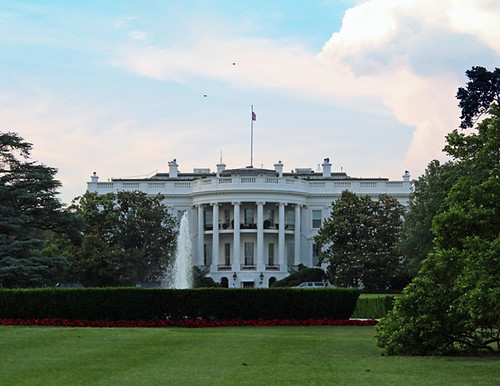
The Trump Xi summit trade truce reached at the White House this week extends an existing tariff ceasefire through January 10, 2027. It buys both governments more time to negotiate a broader deal rather than resolving the underlying dispute. The September 24-26 meeting was the third in-person encounter between the two leaders in under a year, and it produced an extension rather than a breakthrough.

What the Trump Xi summit trade truce covers

The original 11-month truce had been set to expire in November. According to Al Jazeera’s summit preview, the dispute traces back to Trump’s 10% duties on Chinese goods, imposed over fentanyl and immigration concerns, which China answered with levies on US coal, LNG, crude oil and autos, plus restrictions on rare-earth metal exports. Trump later added 12.5% tariffs on 60 trading partners, including China, over forced-labor allegations, widening the dispute beyond a purely bilateral fight.

Taiwan arms sales remain the sharpest edge

Trump Xi summit trade shipping containers at port

Taiwan was expected to come up prominently, and it did. The Trump administration approved an $11 billion arms package for Taiwan in December, with a second $14 billion package currently on hold. Trump has described the sales as “a very good negotiating chip,” language that signals Washington sees Taiwan-related leverage as a bargaining tool in the broader trade relationship rather than a fixed commitment.

AI competition adds a new front

Beyond trade and Taiwan, the two sides discussed what officials describe as “fierce competition” in artificial intelligence development. The US has proposed a new notification mechanism under which each government would alert the other to serious AI incidents that threaten national security. It is an early and narrow step toward managing AI risk between the two largest economies, not a comprehensive framework.

Iran hovered in the background

Given the US-Israel conflict with Iran, that issue was expected to feature prominently in the talks as well. China maintains close ties with Tehran, and some observers suggested Washington might look to Beijing for influence over Iran’s posture. Trump, however, has indicated he does not believe such intervention is necessary, suggesting the Iran track stayed separate from the trade and Taiwan discussions rather than becoming a bargaining chip itself.

Coverage from NPR described the two leaders striking a cordial public tone throughout the three days. Officials on both sides still acknowledged that underlying tensions on trade, technology and Taiwan remained largely where they started.

How markets read the outcome

Equity markets took the extension calmly rather than treating it as either a major relief or a fresh shock. That fits a summit that avoided both a collapse in talks and a comprehensive new agreement. Analysts covering US-China trade said the January deadline gives negotiators a defined runway. They cautioned that previous extensions this year had similarly kicked difficult decisions further down the calendar rather than resolving them.

Business groups on both sides of the Pacific welcomed the extension as preferable to a lapse in the truce. Even so, several trade associations noted that repeated short-term extensions make it harder for manufacturers and exporters to plan around a stable long-term tariff schedule.

The clock now running to January

The truce is now extended to January 10, 2027. That gives both governments roughly three and a half months to negotiate terms on tariffs, rare-earth exports and the still-pending second Taiwan arms package. Analysts following the relationship say the extension avoids an immediate escalation but leaves every major flashpoint, tariffs, Taiwan, and AI, unresolved heading into the new deadline.

More on US-China trade

Related coverage: the Federal Reserve’s latest rate decision, AMD’s trillion-dollar valuation, and Jensen Huang’s comments on AI regulation.

Summit FAQ: trade truce explained

How long does the new trade truce last?

It runs through January 10, 2027, extending the original 11-month ceasefire that had been due to expire in November.

What started the tariff dispute?

Trump’s 10% duties on Chinese goods over fentanyl and immigration concerns, which China answered with levies on US coal, LNG, crude oil and autos plus rare-earth export restrictions.

What is happening with Taiwan arms sales?

An $11 billion package was approved in December; a second $14 billion package remains on hold as Trump calls the sales a negotiating tool.

Did the summit address AI competition?

Yes. The two sides discussed a proposed notification mechanism to alert each other to serious AI incidents threatening national security.

Was Iran part of the summit agenda?

It was expected to come up given the US-Israel conflict with Iran and China’s ties to Tehran, though Trump indicated he sees no need for Chinese intervention.

Summit reporting sources

Dozens of Countries Walked Out on Netanyahu’s UN Speech — Here’s Why

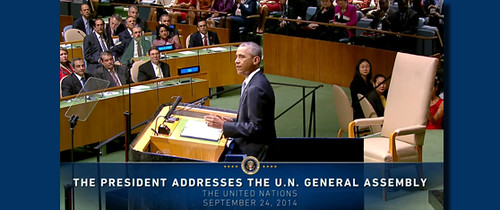
The Netanyahu UN Assembly speech on September 24 emptied large sections of the chamber before he even reached the podium. Delegates from dozens of countries walked out in a coordinated show of protest over Israel’s Gaza campaign. The Israeli prime minister used the platform to defend the war, reject accusations of genocide, and take direct aim at foreign leaders who have grown more critical of Israel over the past year.

What happened during the Netanyahu UN Assembly speech

According to Al Jazeera’s account of the address, Netanyahu told the assembly Israel had carried out the “opposite of genocide” in Gaza, a claim that came despite a Palestinian death toll that has climbed past 73,000 over the course of the war. He also claimed that some of the leaders who walked out had privately thanked Israel for “taking out Iran’s nukes,” a reference to the May strikes on Iranian nuclear-linked sites.

Reaction split sharply along familiar lines

Netanyahu UN Assembly speech flags outside UN headquarters

At home, the speech played well with Netanyahu’s base. Israeli pollster Mitchell Barak called it “a great performance,” and right-wing outlets highlighted his defiant framing of Israel fighting on seven fronts against enemies seeking its destruction. Outside Israel, the response was far less favorable. Security analyst Ahron Bregman said the speech “was littered with lies,” calling Netanyahu a “serial liar.” He pointed to more than 80 Palestinians killed in the West Bank by Israeli forces and settlers so far this year, a toll separate from the Gaza casualty figures.

Coverage of the speech, including a report from NPR, noted Netanyahu also directed criticism at New York political figures who have been outspoken on Gaza, folding domestic American politics into a speech nominally addressed to the UN membership.

The timing is not accidental

The speech landed roughly a month before Israeli parliamentary elections that could end his time in office. Much of its content was aimed as squarely at domestic voters as at the international audience in the chamber. Framing Israel as isolated but unbowed has been a consistent Netanyahu theme through 2026. The UN stage gave him a global platform to repeat it days before a campaign that will test whether that message still holds with Israeli voters.

Israeli commentators have noted that UN speeches have functioned this way for Netanyahu before, providing a moment of unfiltered, camera-ready defiance that plays differently to a domestic audience than to the diplomats in the room.

What the walkout signals about Israel’s isolation

The scale of the walkout, drawing delegates from dozens of countries before Netanyahu had spoken a word, is itself being read as a marker. It shows how far Israel’s diplomatic standing has slipped over the course of the Gaza war. It followed a broader pattern at this year’s General Assembly session, where the war has dominated speeches from leaders across the Arab world, Europe and parts of Latin America. Several used their own remarks to call for an arms embargo or expanded sanctions.

What Netanyahu’s speech means going forward

With Israeli elections roughly a month away, the speech is likely to be replayed heavily in domestic campaign coverage rather than shift international opinion, which had already hardened well before Netanyahu took the podium. Diplomats expect little practical change in how governments engage with Israel in the near term, though the size of the walkout may embolden further coordinated diplomatic gestures at future UN sessions.

Further reading on the Gaza war and the UN

See our related coverage of the UN Secretary-General’s General Assembly remarks, the Gaza reconstruction plan, and the UN Security Council’s AI briefing.

Frequently asked questions on the walkout

How many countries walked out?

Reports describe delegates from dozens of countries leaving before Netanyahu spoke, though no single official tally of walkout participants has been published.

What did Netanyahu say about Gaza casualties?

He described Israel’s conduct as the “opposite of genocide,” a claim made despite a Palestinian death toll that has passed 73,000 during the war.

Did Netanyahu address Iran in the speech?

Yes. He claimed leaders who walked out had privately thanked Israel for strikes on Iran’s nuclear program, without naming which leaders made such comments.

Why is the timing significant?

The speech came about a month before Israeli parliamentary elections that could remove Netanyahu from office, and much of it was aimed at domestic voters.

How was the speech received in Israel versus abroad?

Domestically it was praised by supporters as a strong performance; internationally, critics including security analyst Ahron Bregman characterized its claims as false.

Sourcing and further reading

Trump Just Turned Down Iran’s Ceasefire Offer — Here’s What He’s Planning Instead

The Trump Iran ceasefire rejection reported by the Wall Street Journal on September 25 means Tehran’s offer of a seven-day pause in hostilities has gone nowhere. US officials now expect American strikes on Iran to resume once November’s midterm elections are behind the White House. The report, based on unnamed US officials, describes a president more focused on the political calendar than on closing out the conflict diplomatically.

Why the Trump Iran ceasefire rejection happened

Iran’s seven-day ceasefire plan was put forward as a way to pause the fighting. That fighting has continued intermittently since the Twelve-Day War earlier in 2026 and the May 7 US strikes on Iranian targets. According to Deccan Herald’s report on the Journal’s story, Trump rejected the proposal outright rather than countering with terms of his own. That is a sign the administration sees more value in leaving military options open than in banking a short pause.

The Strait of Hormuz becomes a talking point

Trump Iran ceasefire rejection Strait of Hormuz oil tanker traffic

Alongside the rejection, Trump posted an image on Truth Social showing the Strait of Hormuz relabeled as the “Trump Strait.” It is a symbolic gesture that underlines how central the waterway has become to the standoff. Roughly a fifth of global oil shipments pass through the strait, and any disruption there ripples quickly through energy markets, a dynamic that has already shown up in oil-price coverage this month.

Why the midterms are the real deadline here

The rejection is notable less for what it refuses than for the timeline it implies. Officials cited by the Journal describe an expectation that renewed strikes would follow the midterm elections rather than precede them. That suggests the administration wants to avoid a fresh military escalation clouding the campaign period. That leaves a window of several weeks in which Iran, regional governments and oil markets are left guessing about exactly when, not whether, hostilities might resume.

Regional aviation and shipping have already adjusted to the uncertainty. More than 20 carriers have suspended or rerouted flights connected to Iranian airspace in recent weeks, and insurers have raised premiums for vessels transiting the Gulf.

How Tehran is likely to respond

Iranian officials have not issued a public reply to the rejection at the time of writing. Previous ceasefire attempts this year broke down over verification terms and disagreements about which side would be required to stand down first. Tehran’s seven-day proposal was seen by some regional analysts as an attempt to buy time to rebuild air defenses damaged in the May strikes, an interpretation Washington has cited as one reason for its skepticism.

Congressional reaction has split along familiar partisan lines. Some lawmakers are pressing the administration to formally present its post-midterm plans to Congress rather than leaving the timeline to unnamed-official leaks, while others have defended the president’s discretion over military timing in an active conflict.

Gulf Arab states, several of which have hosted earlier rounds of indirect US-Iran contact, have publicly urged restraint from both sides without endorsing either government’s position. They remain wary of a wider regional escalation that could draw them in economically or militarily.

What comes after the rejection

With no counter-offer on the table, the most likely near-term outcome is a continuation of the current uneasy pause rather than an immediate resumption of strikes. Analysts tracking the conflict expect the real test to come after the midterms, when the political constraint the administration is reportedly weighing falls away. Until then, expect continued disruption to regional flights, elevated shipping insurance costs, and periodic oil-price moves tied to Hormuz headlines.

More on the Iran standoff

Catch up on related coverage: earlier ceasefire diplomacy, airlines cutting Iran-linked routes, and how oil prices have moved on war fears.

Questions readers are asking about the rejection

What did Iran actually propose?

A seven-day ceasefire intended to pause hostilities that have continued since the Twelve-Day War and the May 7 US strikes on Iranian sites.

Did Trump make a counteroffer?

No counteroffer has been reported. US officials cited by the Wall Street Journal say the proposal was rejected outright.

When might strikes resume?

Officials indicated bombing is expected to resume after November’s midterm elections, though no specific date has been confirmed.

Why does the Strait of Hormuz matter here?

About a fifth of global oil shipments pass through the strait, so any disruption tied to the conflict has an outsized effect on energy markets and shipping insurance.

Has this affected air travel?

Yes. More than 20 carriers have suspended or rerouted flights connected to Iranian airspace in recent weeks as the standoff continues.

Where these details come from

A Deadly Kyiv Strike Just Restarted Stalled Russia-Ukraine Ceasefire Talks

Russia Ukraine ceasefire talks are set to resume at a technical level. The push follows an overnight Russian strike that hit a 16-story residential building in Kyiv’s Pechersk district, killing a 14-year-old boy and injuring at least seven other people. President Volodymyr Zelenskyy said eight Ukrainian regions came under attack the same day. The strike has become the immediate backdrop for a renewed American push to get Moscow and Kyiv back to the table.

Why Russia Ukraine ceasefire talks are restarting now

Trump administration envoys Steve Witkoff and Jared Kushner traveled to Russia and Ukraine earlier this month to try to restart negotiations. Talks had stalled for much of 2026 while Washington’s attention was pulled toward the Middle East. On September 24, the two men met Russia’s presidential envoy Kirill Dmitriev to discuss what officials described as “potential economic cooperation” alongside the security track, according to Al Jazeera’s reporting.

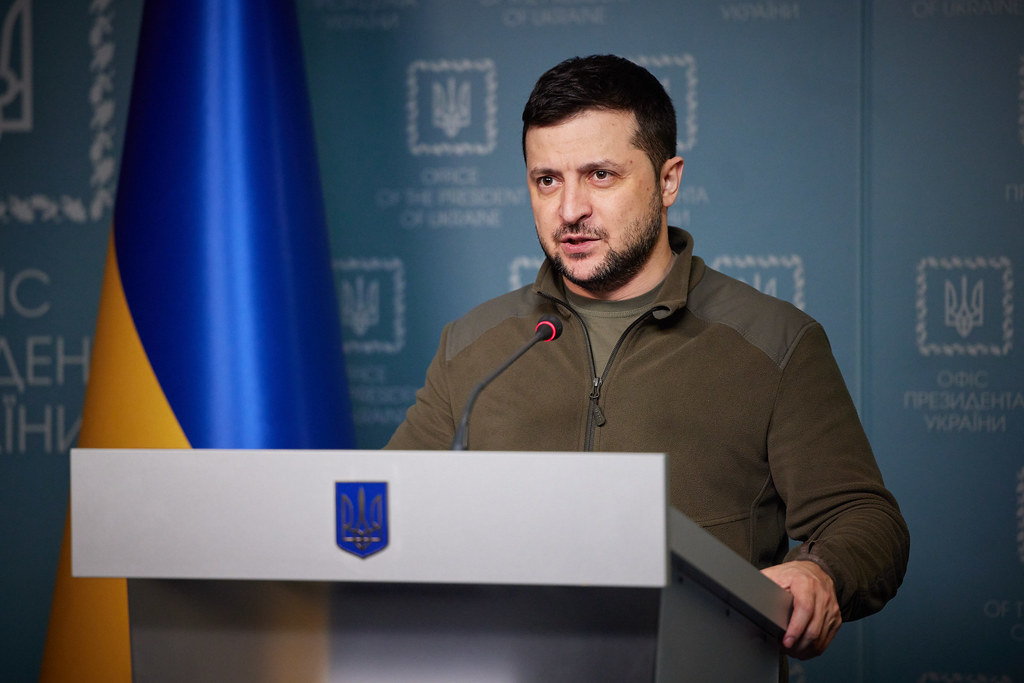
Zelenskyy confirmed the next step publicly: “The American side has proposed meeting at a technical level in a three-way format.” Officials are considering the United Arab Emirates as a neutral host. It is a location Washington has used before for lower-profile Ukraine diplomacy.

What the deadly strike changes on the ground

Russia Ukraine ceasefire talks negotiation table

The Kremlin has not disputed the Kyiv strike, and a Kremlin spokesman confirmed only that trilateral talks “could occur soon,” offering no further detail. The attack fits a pattern that has run through 2026. Russian strikes on residential and energy targets continue even as diplomatic channels stay technically open. That is one reason Ukrainian officials have been cautious about calling this moment a breakthrough rather than another attempt to restart a stalled process.

Kyiv’s civilian toll has also shaped how far Ukraine’s government is willing to bend on any ceasefire terms. Officials have repeatedly said a pause in fighting cannot be conditioned on Ukraine accepting territorial losses it has not agreed to.

The diplomatic track record so far this year

This is not the first attempt at Russia Ukraine ceasefire talks in 2026. Previous rounds broke down as Washington’s diplomatic bandwidth shifted toward the Iran conflict and, more recently, the Trump-Xi summit in Washington. Each restart has followed a similar shape: an envoy visit, then a period of quiet contact. A fresh proposal for a technical-level meeting typically follows a dramatic event, often a strike with civilian casualties, which puts renewed pressure on both governments to be seen engaging.

European governments have watched each restart closely, since a durable ceasefire would reopen questions about sanctions relief, reconstruction financing and the status of Ukrainian territory currently under Russian control. None of those questions are expected to be resolved at a technical-level meeting. Diplomats describe it as a first step meant to test whether both delegations can agree on a shared agenda before any leader-level talks follow.

Where the talks go from here

No date has been set for the proposed three-way technical meeting, and neither side has confirmed the UAE as host. If the meeting happens, it is expected to focus on technical and economic questions rather than a full political settlement, which officials on both sides say would require higher-level talks later. Ukraine’s negotiating position going in will likely include a demand for verifiable security guarantees, not just a pause in shelling.

Diplomats involved in earlier 2026 rounds caution that a technical meeting is a long way from a signed ceasefire, and that Moscow has previously used talks to buy time between offensives. That history is part of why Kyiv has continued to press allies for continued military and financial support even as it engages with the latest diplomatic opening.

Related coverage on tamaranews.com

For more on Russia’s posture toward its neighbors this year, see our coverage of Russia’s drone warnings across Europe, the 2026 Duma election results, and the Russia-Iran sanctions act.

Common questions about the ceasefire push

What triggered this round of talks?

A Russian strike on a Kyiv apartment building that killed a 14-year-old boy and injured at least seven people, combined with weeks of quiet US envoy diplomacy that culminated in a September 24 meeting with Russia’s Kirill Dmitriev.

Who is representing the US in these talks?

Steve Witkoff and Jared Kushner have led the envoy effort, meeting officials in both Moscow and Kyiv earlier in September before proposing the technical-level format.

Where might the talks be held?

The United Arab Emirates is being discussed as a possible neutral venue, though this has not been formally confirmed by either government.

Has Russia agreed to a ceasefire?

No formal ceasefire has been agreed. The Kremlin has confirmed only that trilateral talks “could occur soon” without committing to specific terms.

Does this affect Ukraine’s territorial position?

Ukrainian officials have said repeatedly that any pause in fighting should not be conditioned on accepting territorial concessions, a position expected to carry into the technical talks.

Sources for this report