
Every Memory Chip Apple, Nvidia and Samsung Will Need Next Year Is Already Gone

Samsung, SK Hynix, and Micron have sold out their entire 2027 memory chip production capacity. Industry reports confirmed the sellout in early September 2026. The memory chip shortage 2027 covers both DRAM and the high-bandwidth memory, known as HBM, that powers AI accelerators. Customers are being allocated only 60% to 70% of the volumes they requested, according to Tom’s Hardware.

All memory capacity the three companies plan to manufacture in 2027 is booked. No additional supply is planned beyond what customers already reserved, according to TweakTown. Final pricing for 2027 orders will be set closer to delivery. So much capacity is being locked in years ahead of manufacturing that early prices remain provisional.

Why the memory chip shortage 2027 is different from past cycles

Memory chip shortages and gluts have cycled through the industry for decades. Usually they track swings in PC and smartphone demand. This shortage traces to a different driver. Artificial intelligence hyperscalers are buying enormous quantities of HBM to build AI accelerators. They are signing long-term agreements to guarantee supply years in advance. That demand pattern leaves little room for the usual boom-bust cycle. AI infrastructure buildouts show no sign of slowing through 2027.

Samsung led the DRAM market in the second quarter of 2026, with 39% share. SK Hynix followed at 26%, and Micron held 25%. That data comes from Seeking Alpha. Those three companies control most of global memory production. That is part of why their capacity decisions ripple through the entire electronics industry at once.

Who gets squeezed when memory sells out

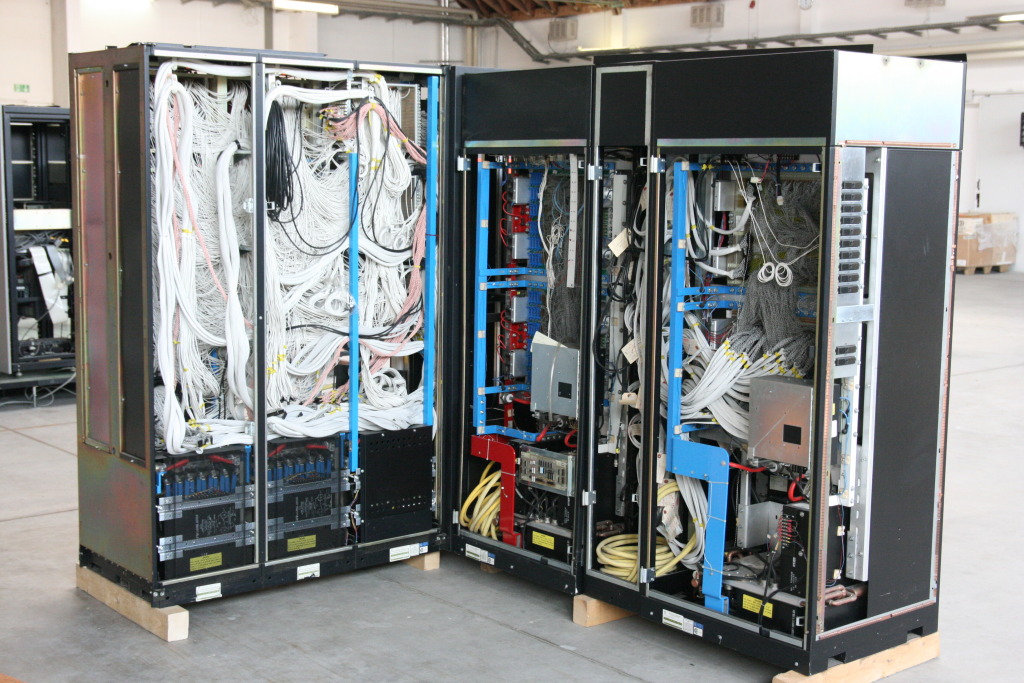
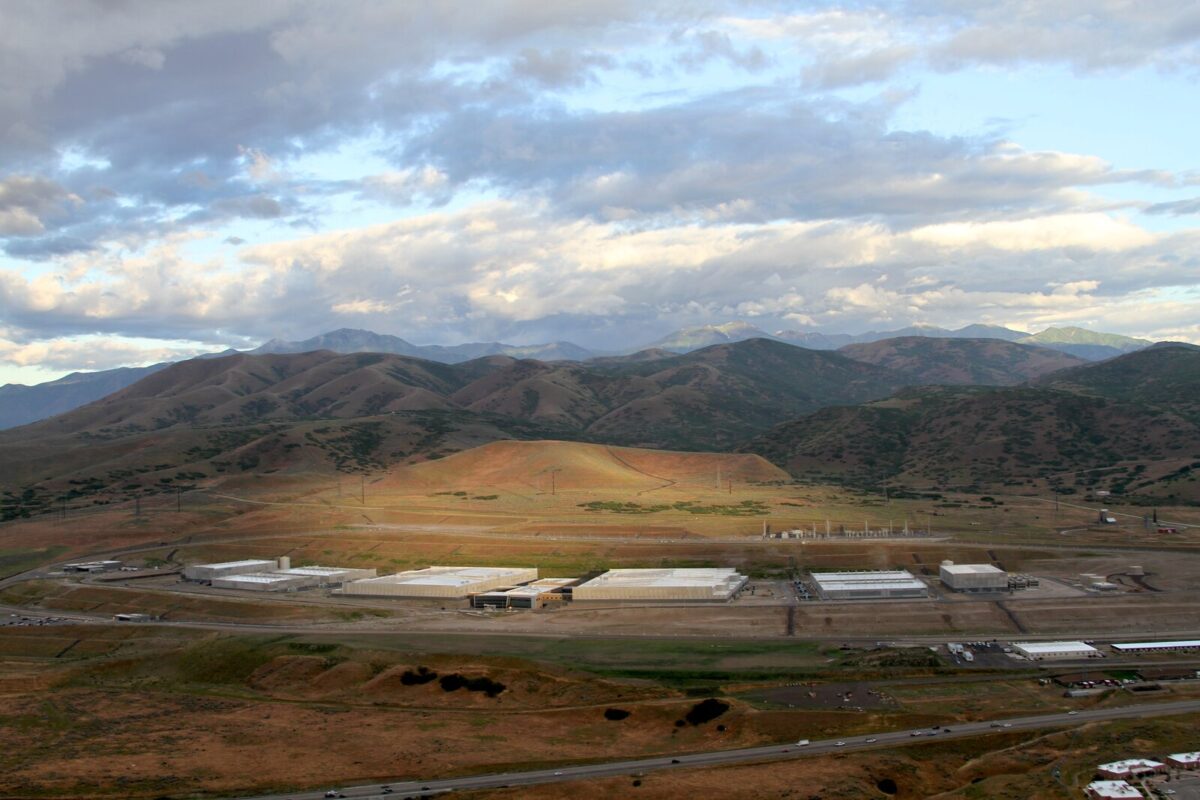
Semiconductor fabrication facility linked to the memory chip shortage 2027

Companies that build AI servers, smartphones, laptops, and other memory-dependent devices now face a choice. They can accept smaller allocations than they requested. They can pay higher prices for whatever capacity remains. Or they can delay product plans that depend on memory they cannot secure. Smaller device makers without long-term supply agreements are likely to feel the squeeze hardest. Major hyperscalers and top-tier smartphone brands typically get priority in allocation negotiations.

The wider DRAM market, beyond the AI-focused HBM segment, is also tightening as a result. PC and smartphone makers compete with AI infrastructure buyers for the same DRAM production lines. Their own demand has not spiked the way AI demand has, but they are seeing tighter supply anyway.

What this means for device prices

Memory is a core input cost for nearly every modern electronic device, from phones to laptops to data center servers. When supply tightens this severely, manufacturers typically pass at least part of the higher cost on to buyers. Consumers may not see price increases immediately. Many device makers hold existing component inventory and locked-in pricing agreements that take months to work through. Analysts expect the clearest price pressure to show up in 2027. That is when older, cheaper memory contracts expire and manufacturers must buy at the new, tighter market rates.

What happens next in the memory market

Samsung, SK Hynix, and Micron have not announced plans to add new manufacturing capacity beyond what is already sold out for 2027. Building new fabrication plants takes years and enormous capital investment, so a quick fix is not realistic. Analysts consider 2027 likely to be the most difficult phase of the shortage. Continued tightness beyond that remains possible if AI infrastructure spending keeps growing at its current pace. Companies still trying to lock in 2027 supply at this point are largely out of options, since allocation decisions are already made.

The shortage also touches consumer electronics that have nothing to do with AI directly. Game console makers, camera manufacturers, and budget smartphone brands all compete for the same DRAM and NAND flash production lines that AI buyers are squeezing. That broader reach is one reason analysts are watching this shortage more closely than past memory cycles. Earlier cycles usually stayed contained to a narrower slice of the electronics supply chain, rather than spreading across nearly every device category at once.

Frequently asked questions

What is the memory chip shortage 2027?
Samsung, SK Hynix, and Micron have sold out their entire 2027 DRAM and HBM production capacity. AI hyperscalers securing long-term supply agreements are the main driver.

Why is AI driving the memory shortage?
AI hyperscalers need huge quantities of high-bandwidth memory to build AI accelerators. They are signing multi-year agreements to guarantee supply, leaving little spare capacity for other buyers.

How much of their requested supply are customers getting?
Reports indicate customers are being allocated only 60% to 70% of the volumes they originally requested.

Which companies control most memory chip production?
Samsung, SK Hynix, and Micron together control the large majority of global DRAM and HBM production. Samsung led with 39% DRAM market share in Q2 2026.

Will device prices rise because of this shortage?
Analysts expect price pressure to build through 2026. It should become most visible in 2027, once manufacturers work through existing inventory and older pricing agreements.

Related coverage

Sources

  • Tom’s Hardware — Samsung and SK hynix warn AI-driven memory shortages could last until 2027 and beyond. tomshardware.com
  • TweakTown — Memory capacity for all of 2027 has reportedly been booked and sold. tweaktown.com
  • Seeking Alpha — Samsung, SK Hynix, Micron sell out 2027 memory chip supply: report. seekingalpha.com

Germany Just Found Bombs at a Power Substation — And Blamed the Same Country Twice in a Week

German authorities found improvised explosive and incendiary devices at a power substation in Brandenburg on September 1, 2026. Officials are treating it as a second act of sabotage tied to Russia within days of a drone attack at Leipzig/Halle Airport. The Germany power grid sabotage incident targeted the Turnow-Preilack substation. That site links the Jaenschwalde power plant to the 50Hertz grid supplying eastern Germany, according to Stars and Stripes.

The substation discovery followed an August 4-5 incident at Leipzig/Halle Airport. There, a drone carrying explosives turned up near a Ukrainian cargo aircraft. A second drone then collided with a Boeing 757 forced to go around after the airport closed. German Interior Minister Alexander Dobrindt said on September 1 that police findings and intelligence pointed to Russian responsibility for the airport incident. Parliamentary intelligence oversight member Roderich Kiesewetter later echoed that conclusion, per Wikipedia’s sourced incident timeline, which cites German government statements.

Why officials are calling this Germany power grid sabotage, not an accident

Investigators say the Turnow-Preilack devices were positioned to disable one specific transmission link. That precision is why German officials call the incident sabotage rather than vandalism. The substation carries power from a major coal plant into the regional grid. Disabling it would have caused a localized but consequential outage.

No devices detonated. Investigators recovered the explosives and incendiary materials intact. That let them examine construction and placement for clues about who planted them.

The August 4-5 airport incident involved two separate drone encounters, not one. The first drone carried explosives and turned up on the ground near a Ukrainian cargo aircraft. That triggered an immediate airport closure. A Boeing 757 had to go around because of the closure, then collided with a second drone in the air. German aviation authorities opened a parallel safety investigation alongside the criminal one. Neither encounter caused injuries. But the double incident within hours convinced German officials this was a coordinated operation, not a stray device.

Von der Leyen calls the drone incidents the “new normal”

Airport security area related to the drone incident linked to the Germany power grid sabotage case

European Commission President Ursula von der Leyen met NATO Secretary General Mark Rutte in Brussels on September 2. She said Russian drone incidents across Europe had become the “new normal.” The bloc needed to respond faster, she added, according to Euronews. Von der Leyen said the EU already runs rapid-response teams for such incidents. She also said the bloc is preparing new sanctions on top of the existing package against Russia.

EU foreign policy chief Kaja Kallas said separately that the bloc is developing sanctions aimed specifically at Russia’s military-industrial complex. That marks a shift from broad financial sanctions toward measures targeting the supply chains that produce weapons and, allegedly, sabotage equipment.

Germany’s diplomatic response so far

Germany has already taken unilateral steps beyond any EU-wide sanctions package. Berlin blamed Russia directly for the airport drone attack. Moscow has not substantively addressed that claim. German police are also checking whether the airport drone and the substation devices connect to each other, or whether two separate operations struck in the same window.

NATO weighed in alongside the EU response. The alliance and the bloc signaled a coordinated punishment track over the alleged attack, according to Foreign Policy. That joint posture reflects how seriously Western governments now treat incidents on NATO’s eastern flank. Germany has summoned Russian embassy officials over the Leipzig incident, a diplomatic step short of expelling personnel but still a formal protest. Other EU states have taken similar steps this year as drone sightings near airports and military sites have become more frequent across the bloc.

What comes next for EU-Russia sanctions

The EU has not finalized the new sanctions package von der Leyen referenced. Kallas’s comments suggest the bloc is still deciding how narrowly to target Russia’s military supply chain versus its broader economy. German investigators continue examining the Brandenburg substation devices for forensic links to known sabotage networks. Both tracks should produce more concrete details within weeks, officials say, not days.

For now, Leipzig/Halle Airport has resumed normal operations, and the Brandenburg substation remains functional despite the devices found there. The practical disruption from both incidents was limited. The diplomatic and security fallout looks set to run much longer, as Germany and its EU partners work out how to respond to a pattern of incidents rather than a single event.

Frequently asked questions

What happened at the German power substation?
German authorities found improvised explosive and incendiary devices at the Turnow-Preilack substation in Brandenburg on September 1, 2026. No devices detonated.

Is this connected to the Leipzig airport drone attack?
Investigators are examining a possible link. The substation discovery came days after a drone carrying explosives was found near a Ukrainian cargo plane at Leipzig/Halle Airport.

Who does Germany blame for the drone attack?
German Interior Minister Alexander Dobrindt said police findings and intelligence pointed to Russian responsibility for the August 4-5 airport incident.

What is the EU doing in response?
European Commission President Ursula von der Leyen said the bloc is preparing additional sanctions on Russia, with EU foreign policy chief Kaja Kallas developing measures targeting Russia’s military-industrial complex.

Was anyone hurt in either incident?
No injuries have been reported from either the Leipzig airport drone incident or the Brandenburg substation discovery.

Related coverage

Sources

  • Stars and Stripes — Russia hit with new German punishments over Leipzig drone discovery. stripes.com
  • Euronews — Von der Leyen: Russian drone incidents in Europe are the “new normal”. euronews.com
  • Wikipedia — 2026 Leipzig Airport drone incidents (sourced timeline). en.wikipedia.org

A Threat She Made in 2024 Just Cost the Philippines’ Vice President Her Freedom

A Philippine court ordered the arrest of Vice President Sara Duterte on September 4, 2026. The order followed an alleged threat to have President Ferdinand “Bongbong” Marcos Jr. assassinated. The Sara Duterte arrest warrant stems from a 2024 online news conference. There, Duterte said she would have Marcos, his wife, and then-House Speaker Martin Romualdez killed by a hired assassin if she herself were killed. Their political feud was escalating at the time. She told reporters the threat “was not a joke,” according to Al Jazeera.

Duterte, 48, posted bail the day after a court issued the warrant. She paid 360,000 pesos, about $5,740, for three counts of grave threats. A court order has since lifted the arrest warrant, according to the Associated Press, reported via NPR. She denies the allegations.

What the Sara Duterte arrest warrant actually charges

Prosecutors filed three counts of grave threats tied to the 2024 remarks. The case does not accuse Duterte of planning an attack herself. It accuses her of publicly threatening one. Philippine law allows that charge even when no attack follows. Investigators opened the criminal complaint after months of deteriorating relations between Duterte and Marcos. The two once ran on a joint ticket in the 2022 election. Their alliance later collapsed.

The arrest warrant names three intended targets. They are President Marcos, First Lady Liza Araneta-Marcos, and Romualdez, the former House Speaker and a Marcos cousin. Court filings reviewed by Courthouse News Service describe the threat as a specific plan articulated on camera. It was not a general political insult.

The impeachment trial running in parallel

Manila courthouse where the Sara Duterte arrest warrant case is being heard

The assassination-threat allegation is not an isolated case. It forms part of the evidence in Duterte’s ongoing Senate impeachment trial. A guilty verdict there would remove her from office. It would also bar her permanently from Philippine politics. That trial was already underway before the arrest warrant. It grew out of a broader rift between the Duterte and Marcos political families, who once governed as running mates.

Duterte remains vice president while both proceedings continue. The Philippine constitution lets her keep the office unless the Senate convicts her in the impeachment trial. A separate criminal conviction could also disqualify her.

A family feud with national consequences

Sara Duterte is the daughter of former president Rodrigo Duterte. His drug-war record is a separate legal matter before the International Criminal Court. Her alliance with Marcos in 2022 briefly unified two of the country’s most powerful political dynasties. That alliance broke down over policy disputes and personal rivalry. The fallout now plays out in a criminal court and the Senate chamber at the same time.

Political analysts in Manila see the case as a test. They want to know whether the Philippines’ checks on executive power extend to a sitting vice president. The outcome will shape whether Duterte can run for president in 2028, a race she has long been expected to contest.

The Duterte family’s legal troubles are not confined to Manila. Rodrigo Duterte faces a separate case before the International Criminal Court over his years-long anti-drug campaign. Rights groups say that campaign killed thousands of people outside due process. His case proceeds independently of his daughter’s domestic prosecution. Together, both matters keep the Duterte name at the center of the country’s biggest legal disputes. Supporters of the vice president argue the timing looks political. The grave-threats charges arrived roughly two years after the remarks were made. Prosecutors have not publicly explained that delay.

What happens next in the Duterte case

The criminal case over the grave-threats charges continues in a Manila trial court. It runs separately from the impeachment proceeding in the Senate. Duterte is free on bail and has appeared in public since the warrant was lifted. The Senate impeachment trial is expected to run for weeks. Senators must weigh both the assassination-threat allegations and other counts against her. A conviction in either forum would reshape the 2028 presidential field.

Philippine impeachment trials have historically moved slowly, and this one is no exception so far. Senators must weigh the legal questions against the political reality that the Duterte family retains a substantial national following, particularly in the southern Philippines. That balancing act is part of why the process has already stretched across multiple months without a resolution.

Frequently asked questions

What is Sara Duterte accused of?
She faces three counts of grave threats for allegedly stating in 2024 that she would have President Marcos, the First Lady, and former House Speaker Martin Romualdez killed if she herself were killed.

Has Sara Duterte been arrested?
A court issued an arrest warrant on September 4, 2026. She posted bail the next day, and a court order has since lifted the warrant.

Is Sara Duterte still vice president?
Yes. She retains the office while the criminal case and a separate Senate impeachment trial continue.

What is the impeachment trial about?
The Senate trial addresses multiple allegations against Duterte, including the assassination-threat claims, and could result in her removal and a permanent political ban if she is convicted.

Could this affect the 2028 Philippine presidential election?
Yes. A conviction in either the criminal case or the impeachment trial could disqualify Duterte from running in 2028, a race she has been expected to enter.

Related coverage

Sources

  • Al Jazeera — Philippine court orders arrest of VP Duterte over President Marcos threats. aljazeera.com
  • NPR/AP — Philippines Vice President Sara Duterte posts bail after arrest. npr.org
  • Courthouse News Service — Philippine court issues arrest warrant for VP Duterte. courthousenews.com

Oracle, Adobe and Kroger Report Days Before the Fed Decides Rates

Wall Street is heading into a stretch that could set the tone for the rest of the quarter. The September earnings week preview covers a run of reports from Oracle, Adobe and Kroger. They arrive just as investors weigh a hot August jobs report against a Federal Reserve meeting only days away.

Oracle and Adobe both report on September 10, followed by Kroger on September 11. That gives markets a cross-section of enterprise software demand and consumer spending health in a single week. Each report lands against a backdrop of markets already on edge after Treasury yields hit a 20-month high earlier this month.

Historic stock exchange scene tied to this September earnings week preview

What to watch in this September earnings week preview

Oracle’s results will draw particular attention to its cloud infrastructure business. Investors have scrutinized this area closely across the sector this year, testing whether heavy artificial intelligence spending is translating into durable revenue growth rather than one-time buildouts. Analysts are watching backlog figures and cloud bookings as closely as the headline revenue number.

Adobe’s report will offer a read on enterprise software demand and subscription growth. That segment has faced pressure from questions about how generative AI tools might eventually compete with or complement Adobe’s own creative and marketing software products.

Kroger’s results provide a different lens entirely: consumer spending at the grocery level. That area is sensitive to both inflation and the broader health of household budgets. A strong or weak print from Kroger tends to move consumer staples stocks more broadly. Investors watch grocery spending closely as a proxy for household financial pressure.

Why this week matters more than a typical earnings cycle

This round of reports lands just days before the Federal Reserve’s September 15-16 meeting. Market pricing has shifted toward a real possibility of a rate move after a stronger-than-expected August jobs report. Earnings that beat or miss expectations this week could shift how investors read the Fed’s incoming decision.

Bond markets have already been volatile, with yields touching multi-month highs before pulling back slightly in early September. Equity investors are watching whether that yield volatility spills into how the market prices this week’s earnings. Higher borrowing costs can weigh more heavily on richly valued technology and software names like Oracle and Adobe.

What analysts are forecasting

Consensus estimates going into the reports reflect continued double-digit cloud growth expectations for Oracle. Adobe’s core subscription business carries more modest single-digit growth expectations. Kroger’s guidance will be watched closely for any commentary on how tariff-related cost pressures or grocery price inflation are affecting margins heading into the holiday shopping season.

Options market pricing ahead of the reports suggests investors are bracing for above-average volatility in Oracle shares specifically. That reflects how sensitive the stock has become to any signal about the durability of AI-driven cloud demand.

What happens after this week’s reports

However these three companies perform, their results will feed directly into the market narrative heading into the Fed’s rate decision the following week. A run of strong results could reinforce the case for a more hawkish Fed stance. Weaker consumer or enterprise spending signals could instead bolster arguments for the central bank to hold steady.

How last week’s earnings set the stage

The lead-up to this week’s reports was shaped by a mixed batch of results. GitLab surged roughly 20% after its latest quarterly numbers beat expectations. Broadcom fell after investors reacted negatively to its fourth-quarter revenue forecast and operating margin projections. That split reaction shows how selectively markets are rewarding growth this earnings season.

Major indexes have still managed modest gains through early September. The S&P 500 and Nasdaq both notched small advances even as Treasury yields climbed. That combination suggests investors will look past bond market volatility as long as earnings keep validating current valuations. This week’s reports will test that directly.

What smaller investors should watch for

Retail investors without direct positions in Oracle, Adobe or Kroger still feel the ripple effects. Broad market index funds hold all three companies. Sharp moves in their share prices show up in retirement accounts even for people who never picked individual stocks. Financial advisors generally recommend against reacting to single-week earnings swings, since one report rarely changes a company’s long-term trajectory on its own.

Sector-wide reaction matters more than any single stock. If cloud and software names sell off broadly after Oracle and Adobe report, that often signals a shift in how investors price risk. The shift usually spans the whole technology sector, not just those two companies.

Frequently asked questions

Which companies report earnings this week?
Oracle and Adobe report on September 10, followed by Kroger on September 11, as part of this September earnings week preview.

Why does Oracle’s report matter so much to markets?
Oracle’s cloud infrastructure results are seen as a bellwether for whether heavy AI-related spending across the sector is translating into durable revenue growth.

How does Kroger’s report relate to inflation?
Kroger’s grocery-level results offer a read on consumer spending health and cost pressure at the household level, closely watched as an inflation proxy.

How does this earnings week connect to the Fed’s decision?
Results from all three companies land just days before the Fed’s September 15-16 meeting, and could shift how markets price the odds of a rate move.

For more on the market backdrop heading into this week, see our coverage of the hot jobs report rattling rate-cut hopes and the earnings surge that lifted GitLab’s market value.

Sources

  • Kiplinger — Earnings Calendar and Analysis for This Week (September 7-11). kiplinger.com
  • CNBC — Stock market news for Sept. 2, 2026. cnbc.com
  • Charles Schwab — Hot Jobs Report Hurts Stocks, Lifts Rate Hike Odds. schwab.com

Hackers Just Breached One of the World’s Biggest Cell Tower Companies

A hacking group best known for hitting healthcare and telecom giants has claimed another target. The American Tower data breach was disclosed after ShinyHunters exfiltrated more than 5.2 million records on September 3. It adds one of the world’s largest wireless infrastructure companies to this year’s list of major breaches.

American Tower operates thousands of communications towers that carry mobile network traffic across the United States and internationally. That makes it a less visible but critical piece of the infrastructure keeping phones connected. The company has not yet disclosed the full scope of what data was taken or how the intrusion occurred.

Cybersecurity workstation representing the American Tower data breach

What we know about the American Tower data breach

ShinyHunters claimed responsibility for exfiltrating the records on September 3. Researchers have linked the group to a string of major breaches this year. The group has built a pattern of targeting large enterprises that hold significant volumes of customer and operational data. It then either sells the stolen records or uses them as leverage in extortion attempts.

Security researchers tracking the group’s activity say American Tower fits a recurring profile among ShinyHunters targets this year. These are large infrastructure and services companies. Their breaches ripple outward to customers and partners who never had a direct relationship with the hacking group itself.

How this fits a brutal year for corporate breaches

American Tower joins a list of major 2026 breach victims. That list already includes McKesson, the healthcare distributor whose data theft affected 284 million patient records. It also includes Manchester Airports Group, where a breach exposed contact details for 8.8 million people. ShinyHunters has been linked to several of the year’s largest disclosed incidents.

Cybersecurity researchers who track ransomware and extortion trends say infrastructure and logistics companies have become increasingly attractive targets. Their data often includes sensitive operational details alongside conventional customer records. Attackers can use both for extortion beyond a simple data sale.

What comes next for affected parties

American Tower has not yet said whether it will offer credit monitoring or other remediation. That step has become standard practice for major disclosed breaches. That step has become standard practice for major disclosed breaches in recent years. The company plans to file required disclosures with regulators once its internal investigation is complete.

Companies that rely on American Tower’s infrastructure for network connectivity are also watching closely. They want to know whether the breach extended into operational or network configuration data. That kind of exposure could carry broader implications for telecom reliability.

What businesses should take from this breach

Security professionals point to the recurring pattern behind ShinyHunters’ campaigns. It is a reminder that large organizations across every sector hold data worth targeting, not just technology or healthcare companies. Security professionals are urging infrastructure providers to audit third-party access and legacy systems. Several of this year’s largest breaches trace back to compromised third-party applications. The attacks did not target the primary victim’s own systems directly.

Why telecom infrastructure breaches carry extra risk

Companies like American Tower sit in an unusual position within the technology supply chain. They do not sell phones or run consumer-facing apps. But the towers and infrastructure they operate carry traffic for mobile carriers. Hundreds of millions of people rely on that traffic daily. A breach at this level of the stack can expose customer or vendor records. It could also expose network architecture details valuable to anyone looking to disrupt or surveil communications infrastructure.

Regulators overseeing critical infrastructure have increasingly pushed telecom-adjacent companies to adopt stricter breach disclosure timelines. That follows several recent incidents where delayed disclosure left customers and partners unaware of exposure. Some did not learn of the intrusion for weeks or months.

Analysts following ShinyHunters’ campaigns this year note the group frequently waits weeks before publicly claiming a breach. It uses that time to negotiate directly with victims. Only when talks fail does it turn to public disclosure or a data sale. That pattern makes early, independent verification of any breach claim difficult until the affected company confirms details itself.

What American Tower does and why it matters

American Tower owns and leases communications towers to wireless carriers around the world. It operates sites across North America, Latin America, Africa, Europe and Asia. Carriers pay to mount their antennas on its infrastructure rather than building their own towers, making the company a quiet but essential landlord for the mobile networks people use daily.

Frequently asked questions

What happened in the American Tower data breach?
The hacking group ShinyHunters says it exfiltrated more than 5.2 million records from American Tower Corporation on September 3, 2026.

Who is ShinyHunters?
ShinyHunters is a hacking group tied to several of 2026’s largest corporate data breaches. Its targets have included McKesson and other major companies.

What data was taken?
American Tower has not yet disclosed the full scope of the stolen records. The company has not confirmed exactly what categories of data were affected.

Should customers take action?
Affected individuals should watch for official notification from American Tower. They should also monitor accounts for unusual activity until remediation steps are clarified.

For more on this year’s wave of major technology incidents, see our coverage of the Microsoft 365 outage and the simultaneous AI chatbot outages earlier this month.

Sources

  • Tech.co — Data Breaches That Have Happened This Year (2026 Update). tech.co
  • Bitsight — Data Breach Tracker 2026: Latest Incidents & Statistics. bitsight.com
  • ACI Learning — The Biggest Cybersecurity Breaches of 2026 So Far. acilearning.com