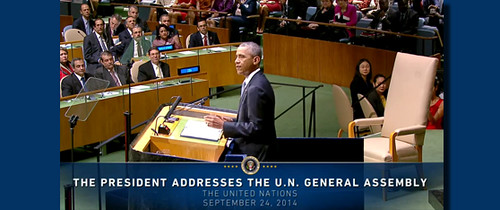
The UN General Assembly high-level week opens on 18 September 2026 and runs to 28 September, with heads of state and government gathering in New York for the 81st session under the theme “Restoring trust, managing transformation: A United Nations that delivers for all”. The calendar the UN has published is unusually front-loaded with formal outcomes rather than speeches alone.
Jump to a section
- The dates that matter
- The General Debate
- Climate action and the just transition
- Four high-level meetings
- What to look for
- Where to follow it
The dates that matter
The UN’s official high-level week page sets the window at 18 to 28 September. The week opens with the SDG Moment on 18 September, a three-hour session in the General Assembly Hall convened by the Secretary-General under General Assembly Resolution 74/4, which showcases national and community-level progress on the Sustainable Development Goals.
Two supporting platforms bracket the week. The SDG Media Zone, produced by the UN Department of Global Communications, runs 21 to 25 September. The Goals Lounge, convened by the Deputy Secretary-General and hosted by the UN Office for Partnerships, runs longer, from 14 to 25 September.
The General Debate
The General Debate runs 22 to 28 September in the General Assembly Hall. It is the annual meeting of heads of state and government at the opening of a session, where leaders set out national positions and priorities. Khalilur Rahman of Bangladesh presides over the 81st session.
The Secretary-General set the framing in June, returning to the Charter’s opening words. “The Charter of the United Nations begins with three simple words: ‘We the peoples,'” António Guterres said, adding that the phrase is not “we the powerful” or “we the victorious”. It is a deliberate signal ahead of a session in which several of the scheduled meetings turn on whether smaller states can get commitments from larger ones.
Climate action and the just transition
The Climate Summit on 23 September, convened by Guterres in the Trusteeship Council Chamber, is the week’s centrepiece on emissions. The UN’s own framing is notably blunt: ten years after the Paris Agreement, it says, the climate crisis has entered a new phase in which overshoot is now inevitable, even as the energy transition accelerates.
Leaders from major economies, developing and vulnerable countries, and major energy producers and consumers are being brought into the same room to set out how they will accelerate the transition, strengthen energy security and advance climate justice. The backdrop is a year of records — our report on the hottest August on record covers the temperature data leaders will be asked about.
Four high-level meetings
Beyond the debate and the climate event, four commemorative or negotiated meetings sit on the calendar.
On 23 September, a high-level meeting marks the 40th anniversary of the Declaration on the Right to Development, adopted in 1986. On 24 September, a high-level plenary addresses the existential threats posed by sea level rise, aimed at small island developing states and low-lying coastal areas.
On 25 September, the President of the General Assembly convenes a one-day meeting on pandemic prevention, preparedness and response, themed around a multilateral and intergenerational approach built on equity and solidarity. This is the one scheduled to produce a concise, action-oriented political declaration agreed by consensus through intergovernmental negotiations — the closest thing the week has to a binding output.
On 28 September, a high-level meeting marks the 25th anniversary of the Durban Declaration and Programme of Action on racial justice, followed on 29 September by the annual plenary for the International Day for the Total Elimination of Nuclear Weapons.
What to look for
Three tests are worth applying as the week runs. Whether the pandemic declaration survives consensus negotiation intact, or is thinned to language every delegation can accept. Whether the climate event produces named national commitments or restates existing pledges. And whether the sea level rise plenary moves from recognition to financing, which is the step small island states have pressed for across several sessions.
The geopolitical context is heavier than usual. Our coverage of the BRICS New Delhi declaration and of the EU’s renewal of Russia sanctions sets out the blocs that will be arguing past each other in the hall.
Where to follow it
All listed events are live-streamed on UN Web TV. Sessions in the General Assembly Hall and Trusteeship Council Chamber run on published times in New York, and the UN posts the speaker list for the General Debate as it firms up during the week.
Common questions about the session
When does the UN General Assembly high-level week run in 2026?
The UN lists high-level week as 18 to 28 September 2026, with the General Debate itself running from 22 to 28 September in the General Assembly Hall.
Who is presiding over the 81st session?
Khalilur Rahman of Bangladesh presides over the 81st session, under the theme “Restoring trust, managing transformation: A United Nations that delivers for all.”
What is the Climate Summit on 23 September?
It is a high-level event on climate action and the just transition convened by Secretary-General António Guterres, bringing together major economies, vulnerable states and large energy producers and consumers.
Is there a formal outcome document this year?
The high-level meeting on pandemic prevention, preparedness and response on 25 September is scheduled to conclude with a political declaration agreed by consensus through intergovernmental negotiation.
Where can the sessions be watched?
The UN streams the events on UN Web TV, and runs the SDG Media Zone from 21 to 25 September alongside the Goals Lounge from 14 to 25 September.