A satirical protest party named after a cockroach has turned into one of India’s most persistent political headaches. The India election commission protests escalated on October 1, 2026. Police briefly detained Abhijeet Dipke, founder of the Cockroach Janta Party, on Mumbai’s Marine Drive. He was holding placards. Officers took him to a nearby station, questioned him about his identity, then released him after senior officials got involved. A video of the detention spread quickly online. The episode is the latest flashpoint in a weeks-long standoff between the movement and India’s election authorities.
What sparked the India election commission protests
The Cockroach Janta Party, known as the CJP, is demanding the resignation of Chief Election Commissioner Gyanesh Kumar. The group points to reports of internal divisions inside the Election Commission. It says that is evidence something has gone wrong at the top. Its demands go further than a single resignation. The CJP wants criminal proceedings opened against Kumar. It wants the Special Intensive Revision process, a controversial review of voter rolls, paused entirely. It wants January 2025 voter lists restored. It also wants 2023 legislation covering the Election Commission repealed in favor of broader structural reform.
Those demands reflect a deeper distrust of how India updates its voter rolls. The Special Intensive Revision process has drawn criticism from opposition parties and civil society groups. They argue it risks removing eligible voters from the rolls without adequate safeguards. The CJP has turned that technical dispute into a street-level protest movement, something few voter-roll disputes manage to do.
A movement built on confrontation
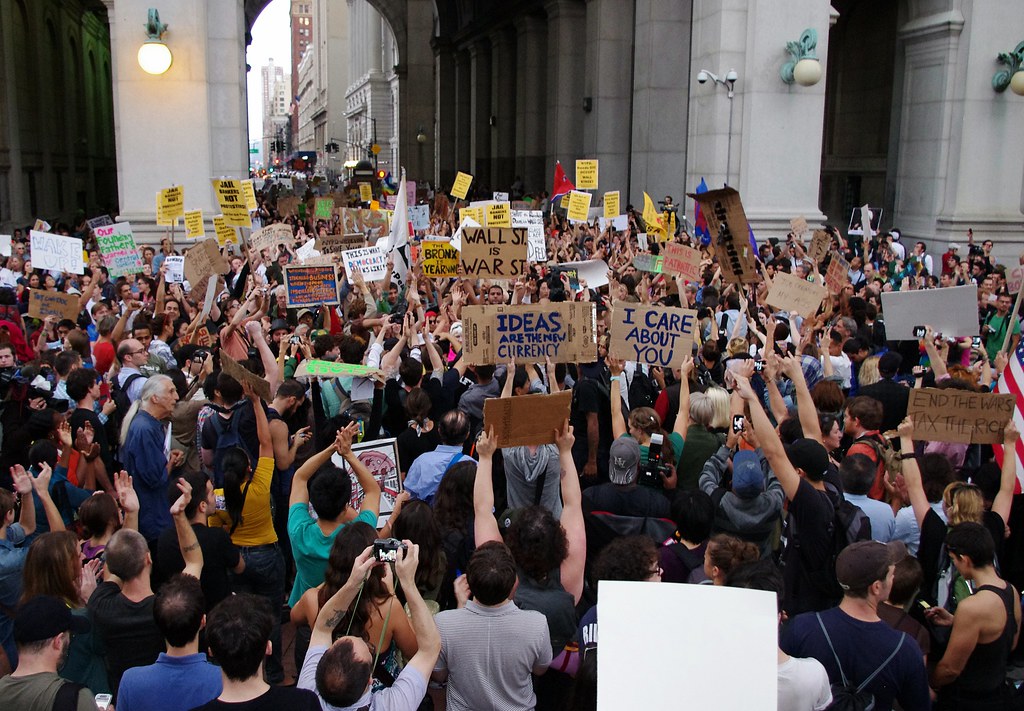
The CJP first threatened mass protests in late September, giving the commission a short deadline to respond before escalating. Mumbai police denied the group permission to protest at Shivaji Park on September 27. Officials cited legal constraints, a lack of municipal clearance and noise concerns. The CJP pressed ahead regardless. It characterized the denial as, in its own words, “tactics to suppress voices.”

That framing pits a scrappy protest movement against an unresponsive bureaucracy. It has helped the CJP draw attention well beyond its core supporters. Dipke’s brief detention on October 1 only reinforced the narrative the group has been building. Supporters quickly held it up as proof. They say authorities would rather silence the movement than answer its concerns about the integrity of the voter rolls.
Why this matters beyond Mumbai
India is the world’s largest democracy, and its election machinery affects hundreds of millions of voters. Disputes over who controls that machinery carry weight well beyond any single protest group. So does the question of how voter lists get compiled and checked. The CJP is a new and unconventional player. But the questions it raises about the Special Intensive Revision process echo concerns that established opposition parties have also voiced.
The government has not responded publicly to the CJP’s specific demands. Kumar remains in his post as Chief Election Commissioner. Mumbai police have defended both the permit denial and Dipke’s brief detention. They call it routine law enforcement, not political suppression.
A protest movement built on satire
The Cockroach Janta Party’s name is deliberately provocative. Founder Abhijeet Dipke has framed the group as speaking for ordinary citizens who feel ignored by formal political institutions, the way a cockroach survives in the margins no matter how hard someone tries to stamp it out. That branding has helped the movement attract young, online-savvy supporters who might otherwise stay disengaged from traditional party politics.
Critics dismiss the CJP as a publicity stunt. Supporters say the satire is exactly what makes its message land. Either way, the group has managed something many more established opposition voices have struggled to do this year: keep the Special Intensive Revision process in the headlines, week after week.
Where the standoff goes from here
Watch for whether the CJP escalates further. That could include more “jail bharo,” or fill-the-jails, demonstrations designed to overwhelm police with mass voluntary arrests. The group has signaled it will keep pressing. It wants Kumar to resign, or the government to address its concerns about the voter-roll review process. Also watch whether larger opposition parties start coordinating more directly with the CJP. That could turn a fringe protest movement into a broader coalition ahead of India’s next election cycle.
Your questions answered
What is the Cockroach Janta Party?
It is a youth-led protest movement in India. It demands the resignation of Chief Election Commissioner Gyanesh Kumar over concerns about the integrity of the country’s voter rolls.
What happened on October 1, 2026?
Mumbai police briefly detained CJP founder Abhijeet Dipke on Marine Drive while he held protest placards. He was questioned and released after senior officials intervened.
What does the CJP actually want?
It wants Gyanesh Kumar’s resignation and criminal proceedings against him. It also wants a pause on the Special Intensive Revision process, restored January 2025 voter lists, and repeal of 2023 Election Commission legislation.
What is the Special Intensive Revision process?
It is a review of India’s voter rolls. Critics, including the CJP and opposition parties, say it risks removing eligible voters without adequate safeguards.
Why did Mumbai police deny the CJP’s protest permit?
Police denied the group permission to protest at Shivaji Park on September 27. They cited legal constraints, a lack of municipal clearance and noise concerns.
Has the Indian government responded to the CJP’s demands?
Not publicly. Gyanesh Kumar remains in his post. The government has not issued a direct response to the CJP’s specific demands as of this report.
Reporting and sources
- Daily Jagran — Abhijeet Dipke briefly detained by Mumbai police ahead of CJP October 2 protest against CEC Gyanesh Kumar. thedailyjagran.com
- The National — India’s “cockroach” movement pledges more protests if election chief does not resign. thenationalnews.com
For more world coverage, see our reporting on Serbia’s Vucic resigning ahead of an early election. We also covered Morocco naming its first woman prime minister.