
Europe’s long-promised travel permit will not arrive this year after all. ETIAS delayed to 2027 is now the working assumption inside eu-LISA, the EU agency running the rollout, after officials told the Financial Times a late-2026 launch is no longer feasible.
ETIAS Delayed to 2027: The Two Reasons Why
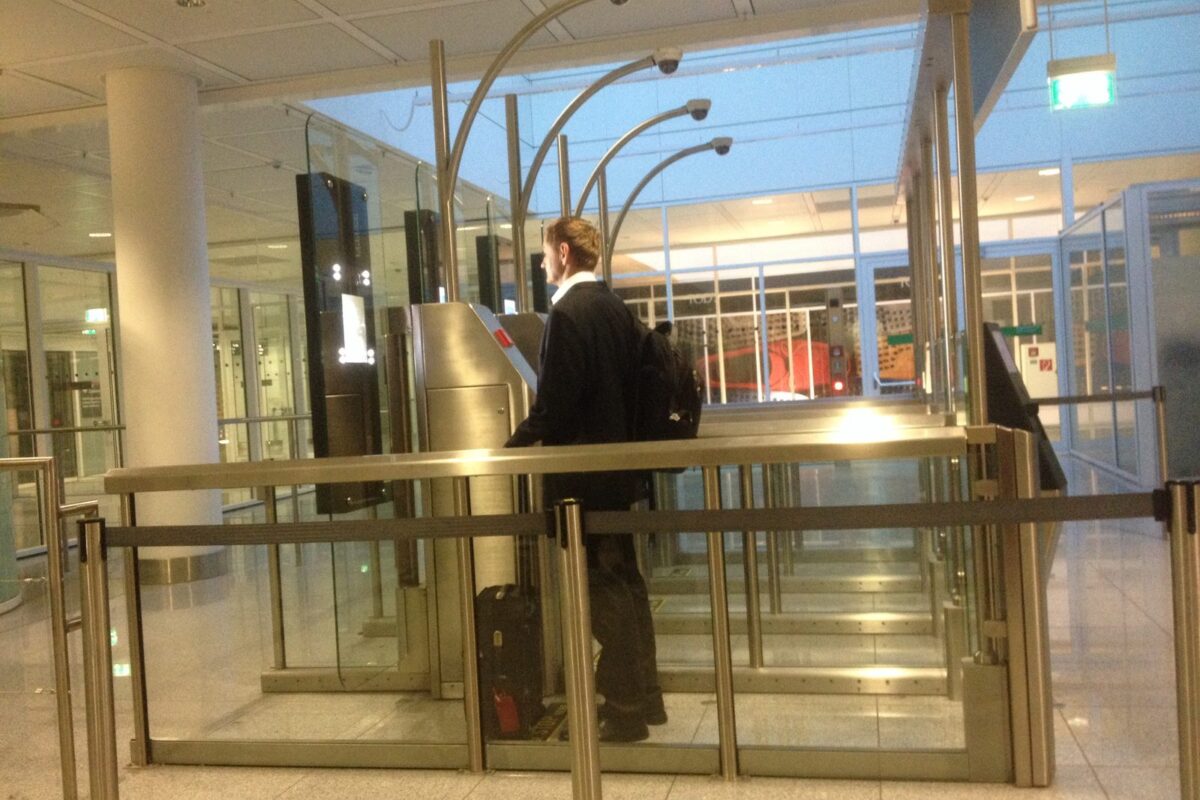
eu-LISA points to two problems. The first is technical: parts of the ETIAS system are not ready for a full-scale launch. The second is operational: the Entry/Exit System, the biometric border check that went live earlier this year, is still causing long queues at major crossing points.
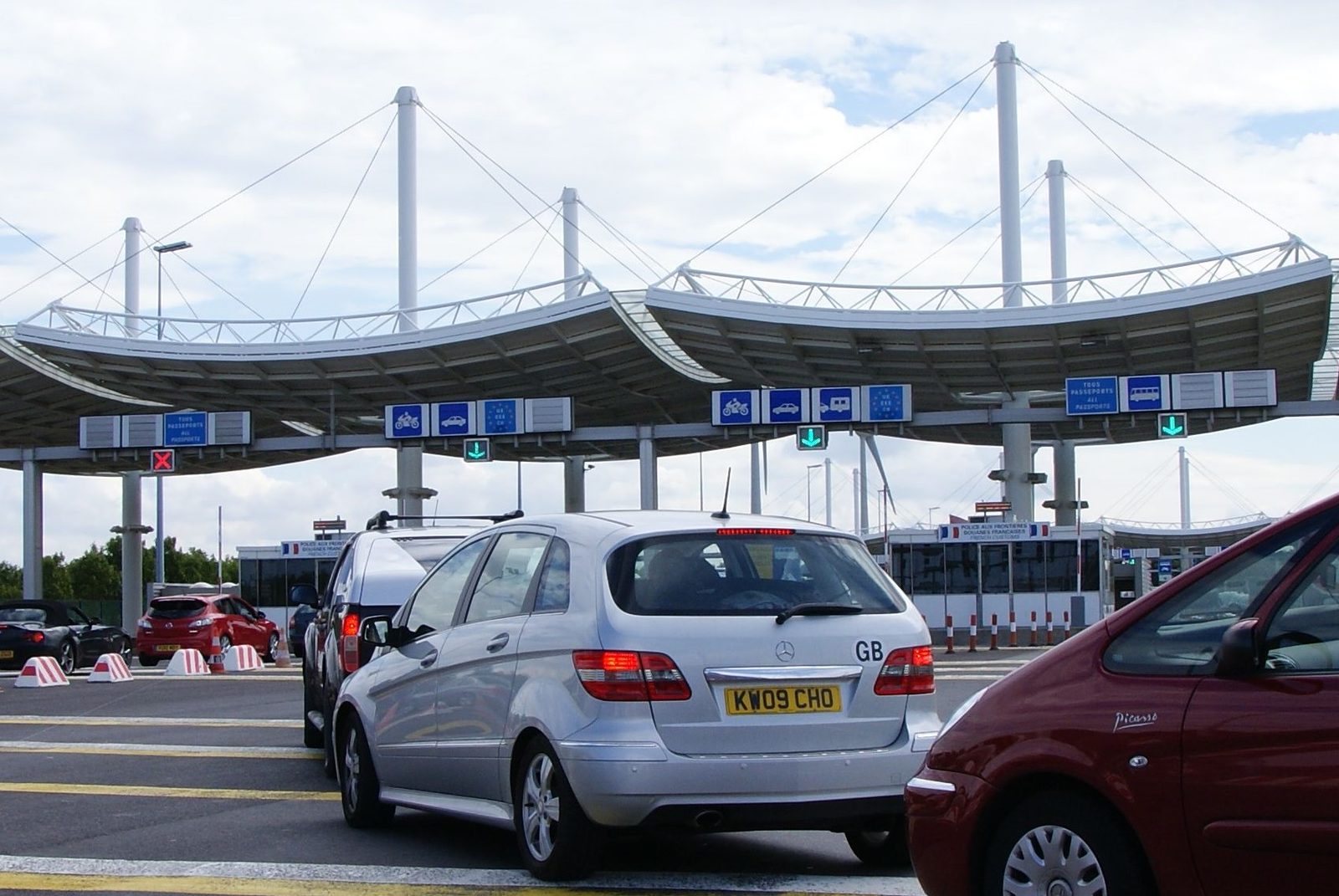
Rolling out a second new system on top of a straining EES rollout risked compounding the chaos at border crossings and airports. eu-LISA and national border agencies both flagged that risk in recent weeks, which pushed the agency toward a delay rather than a rushed launch.
What Happens to the Confirmed Launch Date
There is no new official date yet. eu-LISA’s governing board plans to review a revised implementation timeline at a meeting this September. Industry sources cited by travel press are floating April 2027 as an early realistic estimate, though nothing is locked in.
This is not the first slip. ETIAS has slipped multiple times since its original target date, most recently from a planned late-2026 launch that outlets had reported as recently as July.
Why the EES Rollout Keeps Colliding With ETIAS
The Entry/Exit System records fingerprints and facial scans for non-EU travelers at Schengen borders. Since it launched, several major airports and land crossings have reported queues that stretch well beyond normal wait times, particularly during peak summer travel.
eu-LISA wants EES to stabilize before adding ETIAS on top of it. Running both systems at full capacity at the same time would multiply the strain on border staff who are already adapting to the new biometric checks, according to officials who spoke to European outlets covering the decision.
Some national border agencies reportedly asked eu-LISA directly for more breathing room between the two rollouts. A staggered approach, they argued, gives staff and infrastructure time to absorb one major change before taking on a second.
How This Compares to ETIAS’s Earlier Delays
ETIAS has missed its original target date more than once since the concept was first proposed years ago. Each previous delay traced back to similar causes: technical readiness gaps or the need to sequence the launch around other EU border projects.
Frequent travelers and airlines have grown accustomed to treating any announced ETIAS date as provisional until eu-LISA confirms it close to launch. This latest delay to 2027 fits that established pattern rather than breaking from it.
What ETIAS Is Supposed to Do
ETIAS is not a visa. It is a €20 online travel authorization for visa-exempt travelers entering the Schengen area, similar in concept to the US ESTA system. Travelers from the UK, US, and dozens of other countries would apply online before flying, with approval typically issued within minutes.
The system aims to screen travelers against security and migration databases before they reach the border, cutting down on checks once they land. With the delay, visa-exempt travelers can continue entering under existing rules for now.
Once live, an approved ETIAS authorization is expected to remain valid for multiple entries over a set validity window, sparing frequent travelers from reapplying before every trip to the Schengen area.
When Could ETIAS Actually Launch
Nothing changes for travelers immediately. Visa-exempt visitors to the Schengen area do not need to apply for anything new until eu-LISA confirms a firm date and opens the application system. Airlines and border agencies will get advance notice before any launch, since airline check-in systems need updates to verify authorizations.
Travelers planning trips to Europe in 2027 should watch for an official announcement expected after the September eu-LISA board meeting, rather than relying on any specific date currently circulating in the press.
Travel agents and tour operators serving the European market are telling clients to book flights and hotels as normal for now, since the delay affects a screening requirement rather than the ability to travel to Europe at all.
Anyone with an upcoming trip to Europe should recheck the ETIAS timeline closer to their travel date rather than assuming today’s estimate holds, given how often this launch window has already shifted.
Airlines flying transatlantic and other long-haul routes into Schengen airports are watching the September board meeting closely too, since a confirmed date determines how much lead time their check-in systems need before enforcing the new authorization requirement.
Frequently Asked Questions
Is ETIAS launching in 2026?
No. eu-LISA says a late-2026 launch is not feasible and the system is now expected to launch in 2027, with no confirmed date yet.
Why was ETIAS delayed?
eu-LISA cited technical readiness issues with the ETIAS system itself and operational strain from the ongoing Entry/Exit System rollout, which is already causing border queues.
Do I need to apply for ETIAS right now?
No. There is no ETIAS application open yet. Visa-exempt travelers continue entering the Schengen area under current rules until a launch date is confirmed.
How much will ETIAS cost when it launches?
The planned fee is €20 per application, with the authorization valid for multiple entries over a set period once issued.
Related Coverage on Tamara News
- Europe’s New Biometric Border Is Live — Don’t Get Caught Out
- Europe’s New €20 Travel Pass Is Coming — 5 Mistakes to Avoid