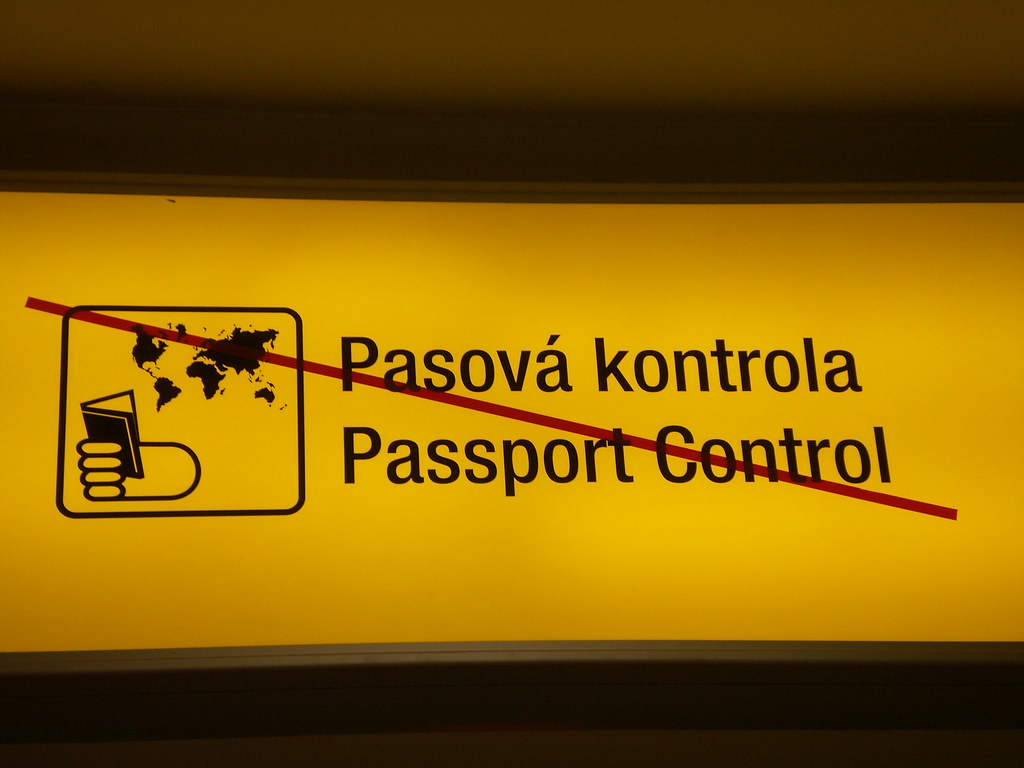
Europe’s New Border Rule Was Supposed to Start This Year. It Didn’t.

Europe’s new travel authorization system was supposed to be live by now. It isn’t. The ETIAS launch delay has pushed the start date past the end of 2026. Nobody has set a new one yet. Travelers heading to Europe from visa-exempt countries can relax a little longer. But the uncertainty is starting to cause its own problems.

The official EU travel portal says only that ETIAS “is not currently in operation.” No applications are being collected. That wording replaced a firmer “last quarter of 2026” target in mid-July 2026.

Why the ETIAS Launch Delay Keeps Happening

ETIAS launch delay

ETIAS, the European Travel Information and Authorisation System, screens visa-exempt travelers before they reach the Schengen area. Think of it as Europe’s answer to the US ESTA system. Travelers from the UK, the US, Canada, and Australia would apply online. They would pay a small fee and get approval before departure.

The system kept slipping for years before this latest delay. Officials once aimed for 2024. Then they pushed to 2025. Then they settled on the last quarter of 2026. That target held through March 2026. At that point, eu-LISA, the EU agency running the technology, still called ETIAS a project “preparing to go live at the end of 2026.” Then the picture changed. By mid-July 2026, the 2026 window disappeared from the official site entirely.

The Entry/Exit System Problem Behind the ETIAS Postponement

ETIAS depends on a separate system first. That system is the Entry/Exit System, or EES. It records biometric data for non-EU travelers at Schengen borders. EES became mandatory at all external borders on April 10, 2026. The rollout has not gone smoothly.

Airports reported queues running several hours at peak times. Temporary flexibility rules let border staff scale back biometric registration during the worst congestion. Those rules expired on September 6, 2026. Nobody has announced an extension yet, even though airline groups including IATA and ABTA asked for one running into 2027. The Financial Times reported that eu-LISA now sees a 2026 ETIAS launch as unfeasible, given how unsettled EES still is.

The logic from Brussels is simple. Regulators want the biometric checks already in place to stabilize first. Only then will they add a second layer of screening on top. Stacking two unfinished systems invites more of the airport chaos EES has already caused on its own.

What the ETIAS Delay Means for Travelers Right Now

Nothing changes for travelers today. Visa-exempt visitors from eligible countries can enter the Schengen area the same way they always have. No ETIAS application exists to file. No fee is due yet.

That matters because third-party websites have already started advertising ETIAS “pre-approval” and paid processing services. None of them are legitimate yet. The European Commission has not opened applications. The Commission has promised several months of public notice before launch, followed by a transition period once it starts. Watch the official EU travel portal for that notice. Don’t trust a travel agency or booking site to announce it first.

Once ETIAS does launch, the basics are already set. Adults aged 18 to 70 will pay €20. Approval will last three years, or until the traveler’s passport expires, whichever comes first. A single approval will cover multiple short trips to any Schengen country during that window, much like a multi-entry visa does today. The rest of the Schengen area’s entry rules keep working independently of ETIAS. That includes the reintroduced border checks between Spain and Italy covered separately this week. None of that has changed.

Travel agents and airlines also face a planning headache of their own. Booking platforms built around a 2026 ETIAS rollout now need to rework their timelines, and some have quietly removed references to the system from their checkout pages rather than guess at a date.

No Confirmed ETIAS Date, But a Meeting on the Calendar

Press reports point to 2027 as the likely new launch window. No EU body has confirmed that in writing. The European Commission sets the actual start date only after eu-LISA finishes its technical sign-off. That process carries no public deadline right now.

One date is on the calendar, though. The eu-LISA Management Board holds its next scheduled meeting from November 17 to 19, 2026, in Dublin. The board may well discuss a revised ETIAS timetable there, though nobody has formally promised to announce one. Until then, plan around a simple assumption: ETIAS could appear sometime in 2027, without a specific month attached. Travelers from the UK should also track separate changes to UK immigration rules that took effect this week. Those rules apply on top of whatever Europe eventually decides about ETIAS, not instead of it.

ETIAS Delay: Your Questions Answered

  • Is ETIAS live yet? No. The official EU travel portal states that ETIAS is not currently in operation and that no applications are being accepted as of October 2026.
  • When will ETIAS launch? No confirmed date exists. Press reports point to 2027, but the European Commission has not announced an official start date.
  • Do I need to apply for ETIAS to travel to Europe right now? No. Visa-exempt travelers can still enter the Schengen area under existing rules, with no ETIAS application required.
  • Why was the ETIAS launch delayed again? Regulators cite ongoing problems with the Entry/Exit System, the biometric border-check system that has to stabilize before ETIAS adds a second screening layer.
  • How much will ETIAS cost once it launches? €20 for travelers aged 18 to 70, with approval valid for three years or until the passport expires.
  • Should I pay a website that offers ETIAS pre-approval? No. No legitimate ETIAS application process exists yet. Any site charging for one is not an official channel.
Spain and Italy Just Brought Back Border Checks Between Them. Here’s Why That’s Allowed

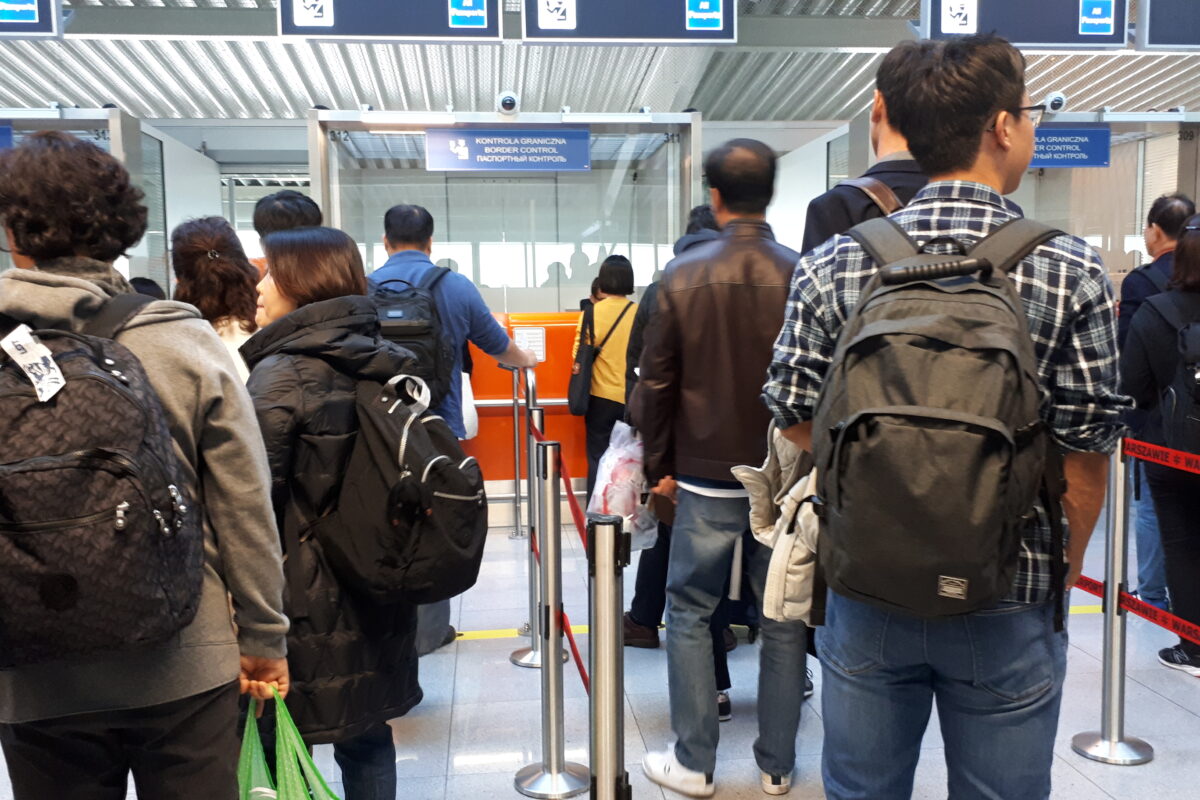
Spain Italy border checks have returned at air and sea crossings between the two countries, temporarily suspending one of the basic freedoms of the Schengen Area — travel without routine document checks — for travelers moving directly between them. Spain’s controls run from September 23 through October 7, under a series of orders published in the country’s official state gazette, while Italy’s checks extend further, from October 1 through October 16, citing concerns that include what it called “the continuing situation in the Spanish autonomous city of Ceuta.”

Both countries have framed the move as a response to irregular migration risks, potential secondary movements of migrants within the Schengen Area, and broader public order and internal security concerns, rather than any change in the two countries’ underlying relationship. As Italy’s Ministry of the Interior put it in its notification, the two nations “remain open to each other” — but travelers should still expect identity and document checks they would not normally face.

Who the Spain Italy border checks actually affect

The reinstated checks apply to all passengers on air and sea routes directly between Spain and Italy — a route normally exempt from border controls under Schengen rules, since both countries are full members of the passport-free zone. EU citizens travelling the route must still carry a valid passport or national ID card even though they aren’t normally required to present documents on intra-Schengen routes. Non-EU citizens holding a Schengen visa need a valid passport and visa, and third-country nationals with a residence permit in either country should expect their documentation checked as well.

Both governments have notified the European Commission’s Schengen registration system of the controls, a step required under EU rules whenever a member state temporarily reinstates internal border checks — confirming this is a legally sanctioned, time-limited exception rather than a unilateral breach of Schengen rules.

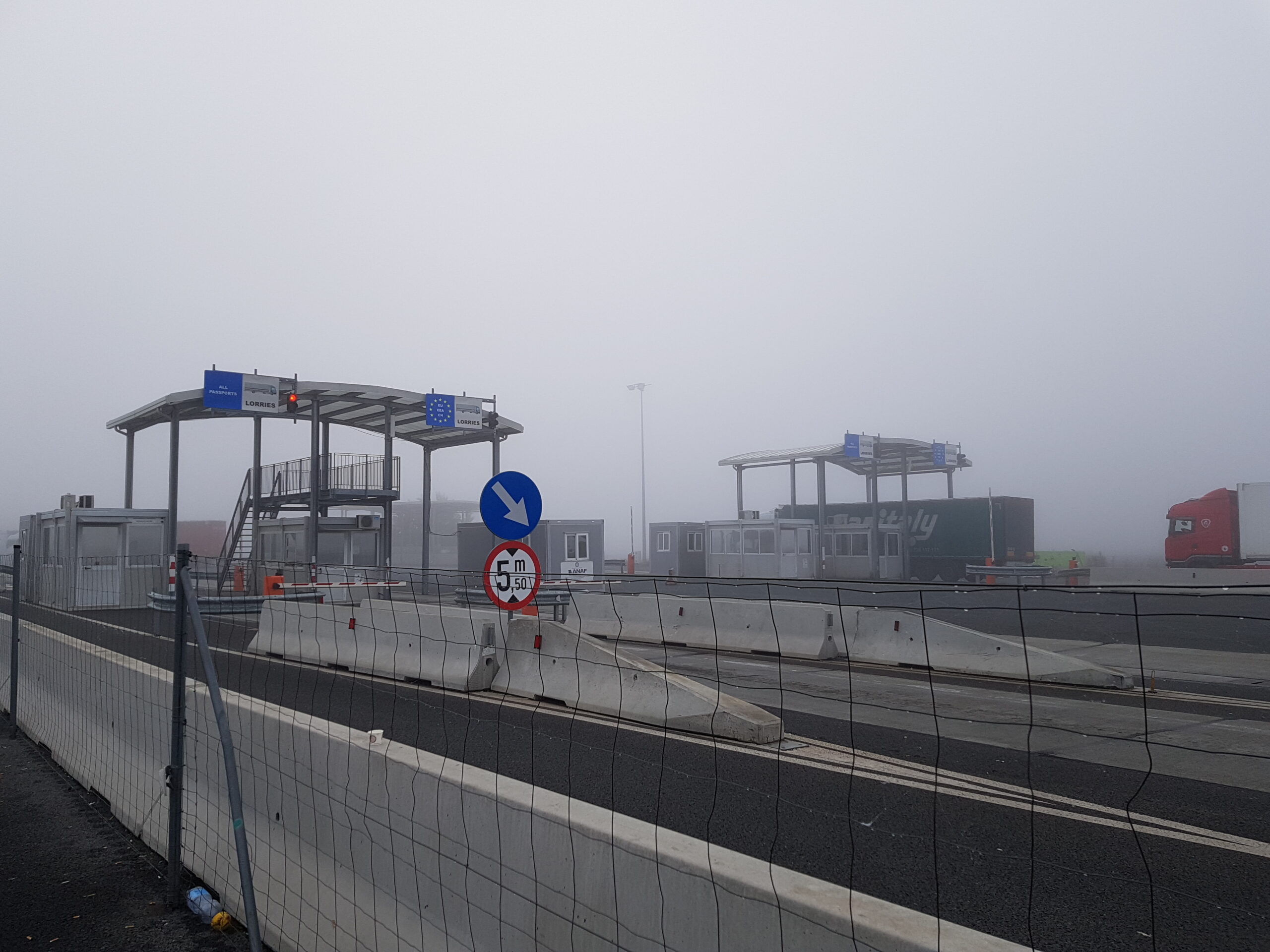
Spain Italy border checks: highway border crossing checkpoint

Why Spain and Italy can legally do this

The Schengen Borders Code allows member states to temporarily reintroduce internal border controls in response to a serious threat to public policy or internal security, provided the measure is proportionate, time-limited, and formally notified to the European Commission and other member states. Spain’s orders — tracked under reference numbers INT/846/2026, INT/932/2026, and INT/977/2026 — and Italy’s parallel notification both follow that framework, which is why the checks can be legally justified as an exception rather than treated as a breach of the Schengen Area’s core principle of free movement.

This is not the first time Schengen states have used this mechanism in 2026, and the specific reference to Ceuta — the Spanish enclave on Morocco’s coast that has repeatedly been a flashpoint for irregular crossings — signals that migration routes through North Africa remain the primary driver behind the current controls, rather than any dispute between Madrid and Rome themselves.

What travelers should actually expect

In practice, travelers on direct Spain-Italy air and sea routes during the control periods should budget extra time for identity checks that would not normally happen on an intra-Schengen trip, and should make sure they are carrying valid passport or ID documentation rather than relying on being waved through. The controls do not affect travel between either country and other Schengen states, only the direct routes between Spain and Italy specified in the respective national orders.

What happens when the controls expire

Spain’s current authorization runs through October 7 and Italy’s through October 16, after which the countries will need to either let the checks lapse and return to normal Schengen rules, or file a fresh notification to extend them if migration pressures and security concerns persist. Given how frequently member states have renewed similar temporary controls elsewhere in the Schengen Area in recent years, a further extension would not be unusual if the underlying pressures driving the current controls haven’t eased by mid-October.

Travelers’ most common questions

Why did Spain and Italy reinstate border checks?
Both countries cited concerns about irregular migration, potential secondary movements within the Schengen Area, and public order and internal security risks, with Italy specifically referencing the situation in Ceuta.

How long will the checks last?
Spain’s controls run from September 23 through October 7, 2026; Italy’s run from October 1 through October 16, 2026.

Which travelers are affected?
All passengers on direct air and sea routes between Spain and Italy, including EU citizens, Schengen visa holders, and third-country nationals with residence permits.

Is this a breach of Schengen rules?
No. The Schengen Borders Code permits temporary reinstatement of internal border checks for security reasons, provided it is proportionate, time-limited, and formally notified to the European Commission.

Does this affect travel to other Schengen countries?
No. The controls apply only to direct routes between Spain and Italy, not to travel between either country and other Schengen states.

What documents should travelers carry?
EU citizens should carry a valid passport or national ID card; non-EU travelers should carry a valid passport and, where required, a valid Schengen visa or residence permit.

More on European travel rules

For more on European travel and study routes, see our coverage of the Erasmus Mundus scholarship deadlines for 2027 and the DAAD and Chevening scholarship deadlines this October. We also previously reported on the UK’s refugee resettlement scheme.

Sources

Erasmus Mundus Scholarships 2027: Deadlines and How to Apply

Erasmus Mundus scholarships 2027 applications are opening across Europe, and most programmes close between October and January for courses starting the following academic year, according to the European Commission Erasmus+ site. Unlike many scholarships, there is no single portal: you apply directly to the programme you want.

Quick guide

How Erasmus Mundus applications work

The Commission says students apply directly to the institution running their chosen Erasmus Mundus Joint Master. A new batch of selected programmes is added to the list each year, so a programme you saw last year may or may not be running. The official course catalogue sits on the EACEA site, and each programme sets its own deadline, entry requirements and procedure.

What the scholarship covers

Selected programmes offer full scholarships covering participation costs plus support for travel, visa fees and a living allowance. The Commission describes the awards as merit-based and open to top-ranked applicants worldwide. Amounts vary, so read the programme page instead of relying on a blog post.

Who can apply

You need a bachelor’s degree or be in your final undergraduate year before the master’s begins. Equivalent qualifications recognised in your country can also count. Programmes run one to two academic years, and graduates receive either a single joint degree or separate degrees from the consortium institutions.

Picture a Vietnamese engineering student finishing a bachelor’s next summer. She would shortlist two or three programmes from the catalogue, note each deadline, and prepare one core set of documents she can adapt for each application. This is a hypothetical illustration, not a record of a real applicant.

A sensible plan for the next three months

Start by listing programmes in the catalogue that match your field. Check each programme’s own page for its deadline, since the Commission only gives a general October-to-January window. Then work backwards: language tests and transcripts take the longest, so request them first. Applying to several programmes is common, and the programme pages will say whether that is allowed.

Erasmus Mundus is one of several routes. Our recent guides cover the Chevening 2027-28 timeline, the DAAD scholarship deadline and Gates Cambridge rounds. Before applying anywhere, confirm visa rules for your destination country with its official immigration authority.

What happens next

Programmes will publish or refresh their calls through the autumn. Check each programme’s site regularly, because deadlines are set programme by programme and can differ by weeks.

Questions about Erasmus Mundus

Is there one central application portal?

No. The Commission says students apply directly to the programme they choose.

When are the deadlines?

Most programmes require submissions between October and January, per the Commission. Check each programme for its exact date.

What does the scholarship cover?

Participation costs plus support for travel, visa fees and living allowance, for selected programmes.

Who is eligible?

Holders of a bachelor’s degree, or students in their final undergraduate year, or those with an equivalent recognised qualification.

How long are the programmes?

One to two academic years, ending in a joint degree or separate degrees from consortium members.

Browse our study abroad section for more deadlines as they open.

Europe’s New Travel Rule Is About to Arrive for US and UK Flyers

The final quarter of 2026 has arrived. The European Union has said its new travel authorization system, ETIAS, is due to start operating in this window. The ETIAS launch Q4 2026 timeline means travelers from the United States, United Kingdom and dozens of other visa-exempt countries should start paying attention. Brussels has not yet named an exact start date, though officials have promised advance notice once one is set.

The system will not function like a visa. It is a pre-travel authorization, similar in spirit to the United States’ ESTA program. Once it takes effect, it should become a routine step for millions of travelers heading to Europe each year.

What the ETIAS launch Q4 2026 actually requires

ETIAS stands for the European Travel Information and Authorisation System. It will require citizens of the United States, the United Kingdom and 57 other visa-exempt countries to apply for authorization online. That applies before traveling to 30 European countries across and beyond the Schengen Area. The authorization costs €20, or roughly $23, for applicants between the ages of 18 and 70. Once approved, it remains valid for three years and covers multiple entries during that period.

Travelers who already hold a separate European visa will not need ETIAS on top of it. For everyone else in the visa-exempt category, ETIAS approval will permit stays of up to 90 days within any 180-day period. That matches the existing rule that already governs short-term Schengen travel.

Travelers walking through an airport terminal ahead of the ETIAS launch Q4 2026

Why there’s still no exact launch date

The European Union’s official position, as cited by The Points Guy, is direct: “ETIAS will start operations in the last quarter of 2026,” and “no action is required from travellers at this point.” The EU has said it will announce the specific start date several months before the system actually goes live. That notice period has not yet been triggered as of this reporting.

Travelers currently booking trips to Europe for later in 2026 or into 2027 are in a genuine gray zone. ETIAS could take effect before, during or after their travel dates. It all depends on exactly when Brussels pulls the trigger.

What has caused the repeated delays

The EU has anticipated ETIAS for several years, and the project has already missed multiple earlier target dates. The system depends on the separate Entry/Exit System, a biometric border-tracking program that itself has faced a long rollout. EU officials have generally tied ETIAS’s own timeline to that underlying infrastructure being stable first. The Q4 2026 window represents the latest in a series of revised targets, not a brand-new commitment.

What travelers should do before Q4

For now, the EU’s own guidance tells travelers to hold off. They do not need to apply for anything yet. Existing visa-free travel rules remain in effect until ETIAS formally launches. Once a specific start date is announced, travelers should complete the online application well before departure. The EU has described the process as short, but approval is not guaranteed to be instant for every applicant.

Who it affects, and who it doesn’t

ETIAS applies specifically to visa-exempt travelers, roughly 60 nationalities including the US and UK that can currently enter much of Europe without a visa for short stays. It does not apply to EU citizens. It also does not apply to travelers who already hold a Schengen visa or other national visa, or to those who require a full visa application under existing rules. For the visa-exempt group, ETIAS adds a new administrative step without changing the 90-day allowance they already have.

Common questions travelers are asking about ETIAS

When exactly does ETIAS start?

No specific date has been set yet. The European Union says ETIAS will begin operating in the last quarter of 2026 and will announce the exact date several months in advance.

How much does ETIAS cost?

The authorization costs €20, or approximately $23, for applicants aged 18 to 70. Applicants younger than 18 or older than 70 pay no fee.

How long is ETIAS valid once approved?

An approved ETIAS authorization lasts three years and covers multiple entries during that period, or until the traveler’s passport expires, whichever comes first.

Do US and UK citizens need a visa for Europe under ETIAS?

No. ETIAS is not a visa. It is a lighter-weight travel authorization for visa-exempt travelers, including US and UK citizens, who can still enter for stays of up to 90 days within any 180-day period.

Do I need to apply for ETIAS right now?

No. The European Union says no action is required from travelers at this point. Applications will only become necessary once the system formally launches.

Which countries will require ETIAS?

ETIAS will cover 30 European countries across and outside the Schengen Area for travelers from the US, UK and 57 other visa-exempt nationalities.

More visa and travel coverage

Sources cited

  • The Points Guy — Everything to know about ETIAS, Europe’s new travel authorization. thepointsguy.com
  • Groups Today — Don’t forget: ETIAS scheduled to go into effect Q4 of 2026. groupstoday.com

European Ministers Push Border Controls and Faster Returns

In this article

Interior ministers from 17 European countries met on 26 September 2026 to discuss tougher border controls and faster returns of rejected migrants, with Germany pushing for a new European migration crisis mechanism. The proposals concern irregular migration, not visas for workers or students, but they shape the political climate around European immigration.

What was discussed

The gathering, summarised by Visasupdate and covered by AP and InfoMigrants, brought together ministers from 17 countries. Separate talks involved Germany, Denmark, Austria, Greece and the Netherlands on third-country return centres. We have not independently verified details beyond these reports.

The proposals

German Interior Minister Alexander Dobrindt called for a new European migration crisis mechanism and a rapid-response Frontex force with expedited deportations, InfoMigrants reports. The Visasupdate summary adds a proposal to expand Frontex into a border protection and return agency. EU Commissioner Magnus Brunner was reported saying that illegal migration has fallen 55% in two years and by one-third in the last year. That is an official claim from an institution with a stake in the policy, so treat it as the Commission’s framing. Background is on the European Commission migration and home affairs site.

Nothing reported from the meeting changes visa or residence permit rules for skilled workers, students or families. A Mexican welder applying for a German skilled-worker visa, for example, still follows current national rules. Coverage of recent legal-route changes includes the Netherlands work permit rules. To test eligibility, use the visa eligibility checker.

What happens next

Ministers’ proposals normally need Commission drafting, Council agreement and often Parliament approval. No adoption dates were reported. Watch for a formal Commission proposal or a further ministerial meeting.

Common questions

Who met on 26 September?

Interior ministers from 17 European countries, according to the Visasupdate summary, with separate talks among Germany, Denmark, Austria, Greece and the Netherlands on return centres.

What did Germany propose?

Interior Minister Alexander Dobrindt called for a new European migration crisis mechanism and a wider Frontex mandate, per the same summary.

What did the EU say about irregular migration?

Commissioner Magnus Brunner was reported saying illegal migration has fallen 55% in two years and by one-third in the last year.

Does this change visa rules for workers or students?

No. These are border and return proposals, not changes to work or study visas.

Are these proposals law?

No. They were discussed by ministers and would need formal EU legislative steps.