
Never lose a customer to a missed message
An AI agent trained on your own business, replying in seconds, in any language, on every channel your customers already use.
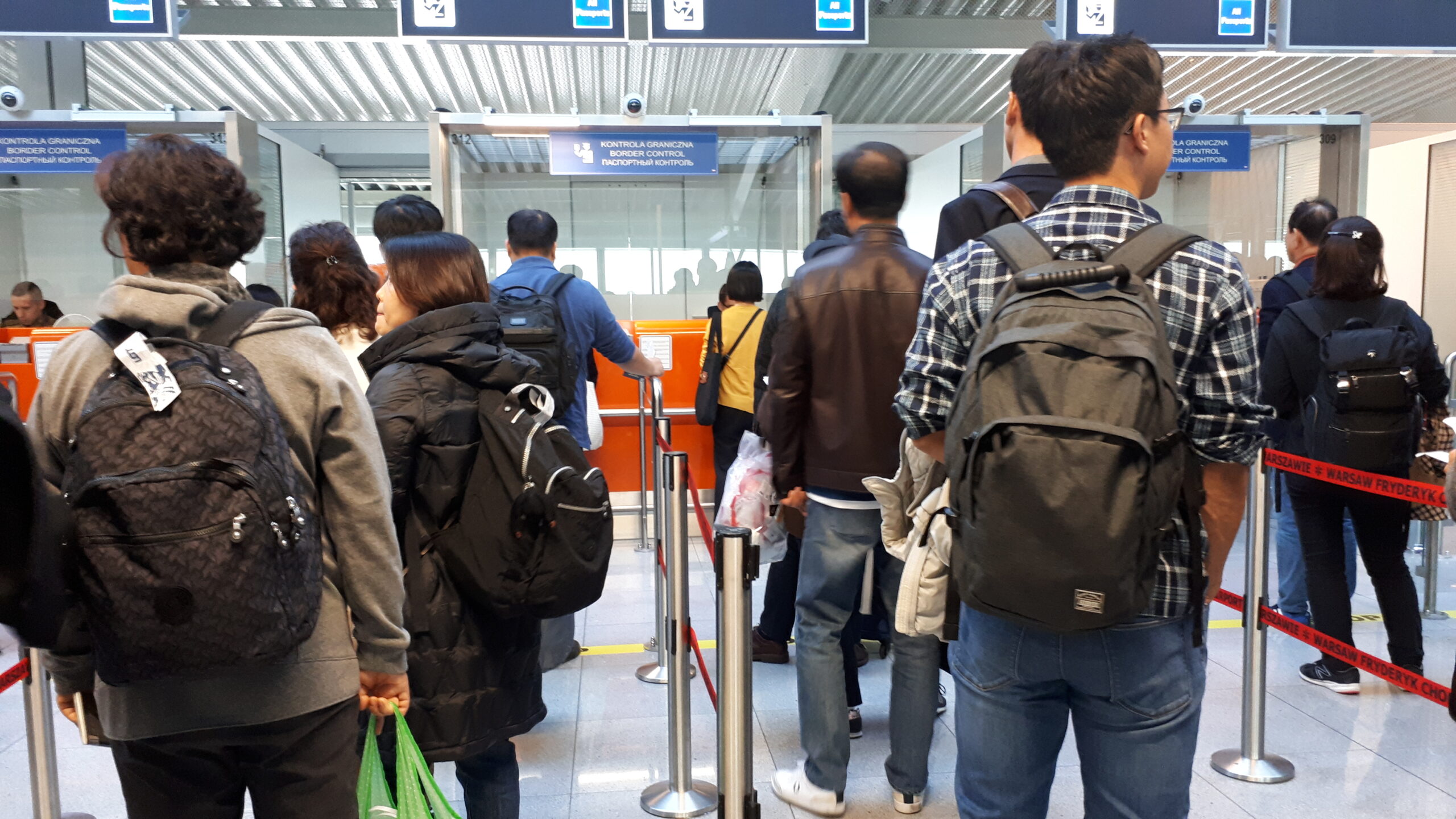
Spain Italy border checks have returned at air and sea crossings between the two countries, temporarily suspending one of the basic freedoms of the Schengen Area — travel without routine document checks — for travelers moving directly between them. Spain’s controls run from September 23 through October 7, under a series of orders published in the country’s official state gazette, while Italy’s checks extend further, from October 1 through October 16, citing concerns that include what it called “the continuing situation in the Spanish autonomous city of Ceuta.”
Both countries have framed the move as a response to irregular migration risks, potential secondary movements of migrants within the Schengen Area, and broader public order and internal security concerns, rather than any change in the two countries’ underlying relationship. As Italy’s Ministry of the Interior put it in its notification, the two nations “remain open to each other” — but travelers should still expect identity and document checks they would not normally face.
Who the Spain Italy border checks actually affect
The reinstated checks apply to all passengers on air and sea routes directly between Spain and Italy — a route normally exempt from border controls under Schengen rules, since both countries are full members of the passport-free zone. EU citizens travelling the route must still carry a valid passport or national ID card even though they aren’t normally required to present documents on intra-Schengen routes. Non-EU citizens holding a Schengen visa need a valid passport and visa, and third-country nationals with a residence permit in either country should expect their documentation checked as well.
Both governments have notified the European Commission’s Schengen registration system of the controls, a step required under EU rules whenever a member state temporarily reinstates internal border checks — confirming this is a legally sanctioned, time-limited exception rather than a unilateral breach of Schengen rules.
Why Spain and Italy can legally do this
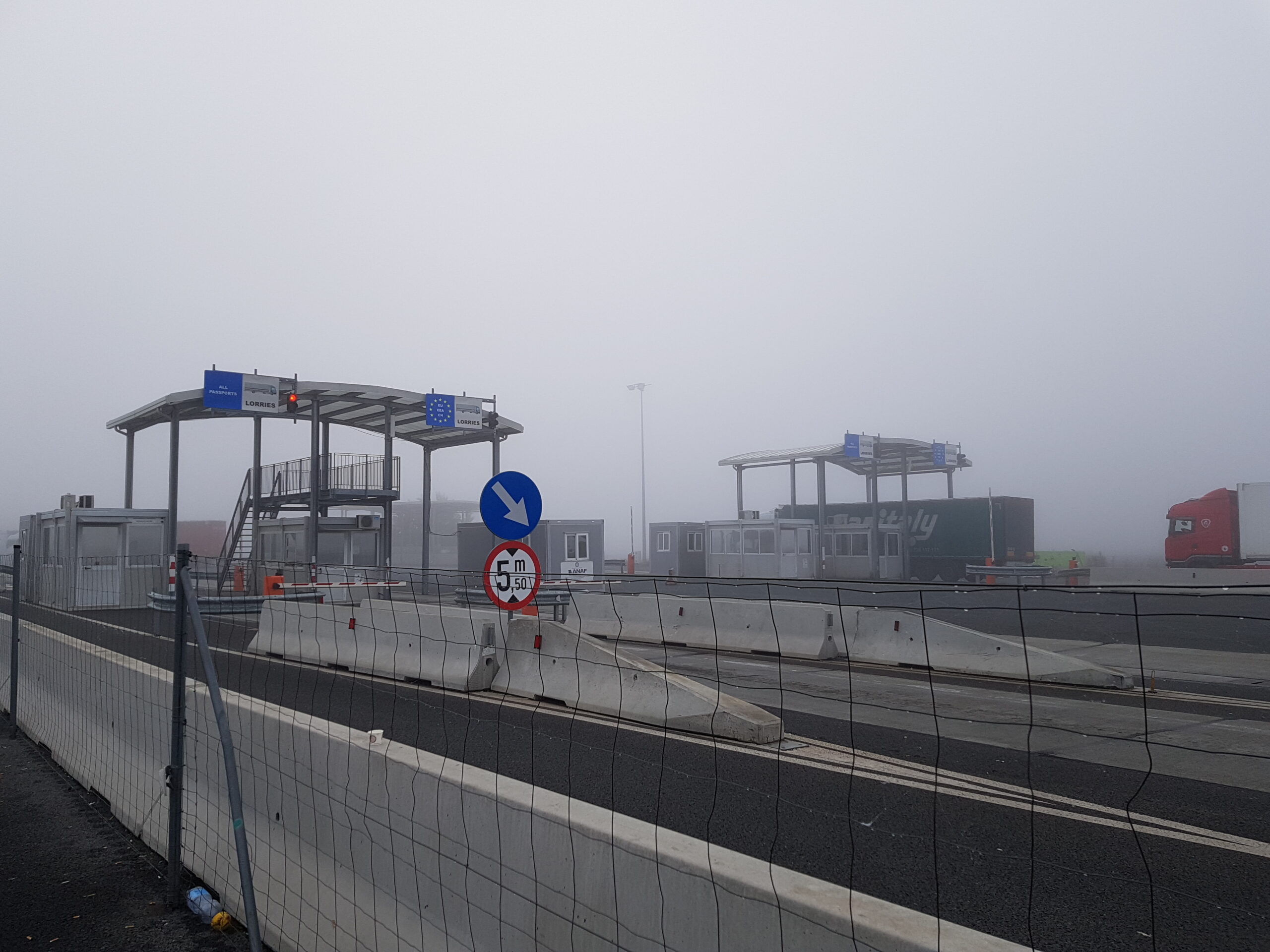
The Schengen Borders Code allows member states to temporarily reintroduce internal border controls in response to a serious threat to public policy or internal security, provided the measure is proportionate, time-limited, and formally notified to the European Commission and other member states. Spain’s orders — tracked under reference numbers INT/846/2026, INT/932/2026, and INT/977/2026 — and Italy’s parallel notification both follow that framework, which is why the checks can be legally justified as an exception rather than treated as a breach of the Schengen Area’s core principle of free movement.
This is not the first time Schengen states have used this mechanism in 2026, and the specific reference to Ceuta — the Spanish enclave on Morocco’s coast that has repeatedly been a flashpoint for irregular crossings — signals that migration routes through North Africa remain the primary driver behind the current controls, rather than any dispute between Madrid and Rome themselves.
What travelers should actually expect
In practice, travelers on direct Spain-Italy air and sea routes during the control periods should budget extra time for identity checks that would not normally happen on an intra-Schengen trip, and should make sure they are carrying valid passport or ID documentation rather than relying on being waved through. The controls do not affect travel between either country and other Schengen states, only the direct routes between Spain and Italy specified in the respective national orders.
What happens when the controls expire
Spain’s current authorization runs through October 7 and Italy’s through October 16, after which the countries will need to either let the checks lapse and return to normal Schengen rules, or file a fresh notification to extend them if migration pressures and security concerns persist. Given how frequently member states have renewed similar temporary controls elsewhere in the Schengen Area in recent years, a further extension would not be unusual if the underlying pressures driving the current controls haven’t eased by mid-October.
Travelers’ most common questions
Why did Spain and Italy reinstate border checks?
Both countries cited concerns about irregular migration, potential secondary movements within the Schengen Area, and public order and internal security risks, with Italy specifically referencing the situation in Ceuta.
How long will the checks last?
Spain’s controls run from September 23 through October 7, 2026; Italy’s run from October 1 through October 16, 2026.
Which travelers are affected?
All passengers on direct air and sea routes between Spain and Italy, including EU citizens, Schengen visa holders, and third-country nationals with residence permits.
Is this a breach of Schengen rules?
No. The Schengen Borders Code permits temporary reinstatement of internal border checks for security reasons, provided it is proportionate, time-limited, and formally notified to the European Commission.
Does this affect travel to other Schengen countries?
No. The controls apply only to direct routes between Spain and Italy, not to travel between either country and other Schengen states.
What documents should travelers carry?
EU citizens should carry a valid passport or national ID card; non-EU travelers should carry a valid passport and, where required, a valid Schengen visa or residence permit.
More on European travel rules
For more on European travel and study routes, see our coverage of the Erasmus Mundus scholarship deadlines for 2027 and the DAAD and Chevening scholarship deadlines this October. We also previously reported on the UK’s refugee resettlement scheme.
Sources
- Travel And Tour World — Spain and Italy Reinstate Schengen Border Checks as Travellers Face New Document Controls in October 2026. https://travelandtourworld.com/news/article/gk93e8z2ny1p
- European Commission — Schengen Area and Borders policy information. https://home-affairs.ec.europa.eu/policies/schengen-borders-and-visa/schengen-area_en
Verification your users actually receive.
Send one-time passcodes over WhatsApp with a single API call. Replio can generate, hash and verify the code for you.
