
Never lose a customer to a missed message
An AI agent trained on your own business, replying in seconds, in any language, on every channel your customers already use.
The H-1B fee struck down this week by a federal judge in California leaves the Trump administration’s $100,000 charge on new H-1B petitions blocked for now, but employers hoping the issue is settled should hold off celebrating — a proposed replacement fee of $103,265 remains under review at the Department of Homeland Security. US District Judge Haywood S. Gilliam Jr., ruling in the Northern District of California on September 30, found the fee policy “arbitrary and capricious” and vacated it entirely, saying the administration failed to consider alternatives or the reliance interests of employers and workers affected by the sudden charge.
It is the second time a federal court has struck down the fee. A Massachusetts judge issued a similar nationwide ruling back in June 2026, finding comparable procedural defects in how the policy was imposed.
Why the H-1B fee struck down ruling matters
Judge Gilliam’s ruling centers on process rather than the underlying policy goal. The court found that imposing a $100,000 fee on H-1B petitions amounted to a “legislative rule” — a substantive change requiring the formal notice-and-comment process under the Administrative Procedure Act — rather than something the administration could simply impose by fiat. “There is no question here that Agency Defendants failed to consider any alternatives or the reliance interests of the regulated parties,” Gilliam wrote in his order, according to court filings reviewed by legal reporters.
The practical effect is that enforcement of the $100,000 fee is enjoined until the administration completes proper notice-and-comment rulemaking — a process that typically takes months and allows the public, employers, and advocacy groups to formally weigh in before a rule takes effect.
What comes after the H-1B fee struck down decision
The ruling does not mean H-1B fees are off the table permanently. The Department of Homeland Security has a separate, proposed $103,265 fee already under review, and nothing in Gilliam’s decision prevents the administration from pursuing that or a similar charge through the proper rulemaking channel. Given that two separate federal courts have now struck down versions of this policy on nearly identical procedural grounds, any future attempt would likely need to clear the notice-and-comment bar explicitly to survive a legal challenge.
Immigration attorney Charles Kuck, among those who have tracked the litigation closely, has noted that the administration’s repeated attempts to impose steep H-1B fees without formal rulemaking suggest an urgency to raise the cost of the program quickly — an urgency that keeps running into the same procedural wall in court.
What this means for employers and visa holders
For now, employers filing new H-1B petitions are not subject to the $100,000 fee, restoring the prior cost structure while the legal situation remains unsettled. Companies that paid the fee before it was struck down, or that held back petitions due to the cost, will be watching closely for guidance from USCIS on how the agency plans to implement the court’s order in practice. The uncertainty itself has been costly for employers trying to plan hiring around a program whose cost structure has shifted multiple times within a single year.
What to watch next
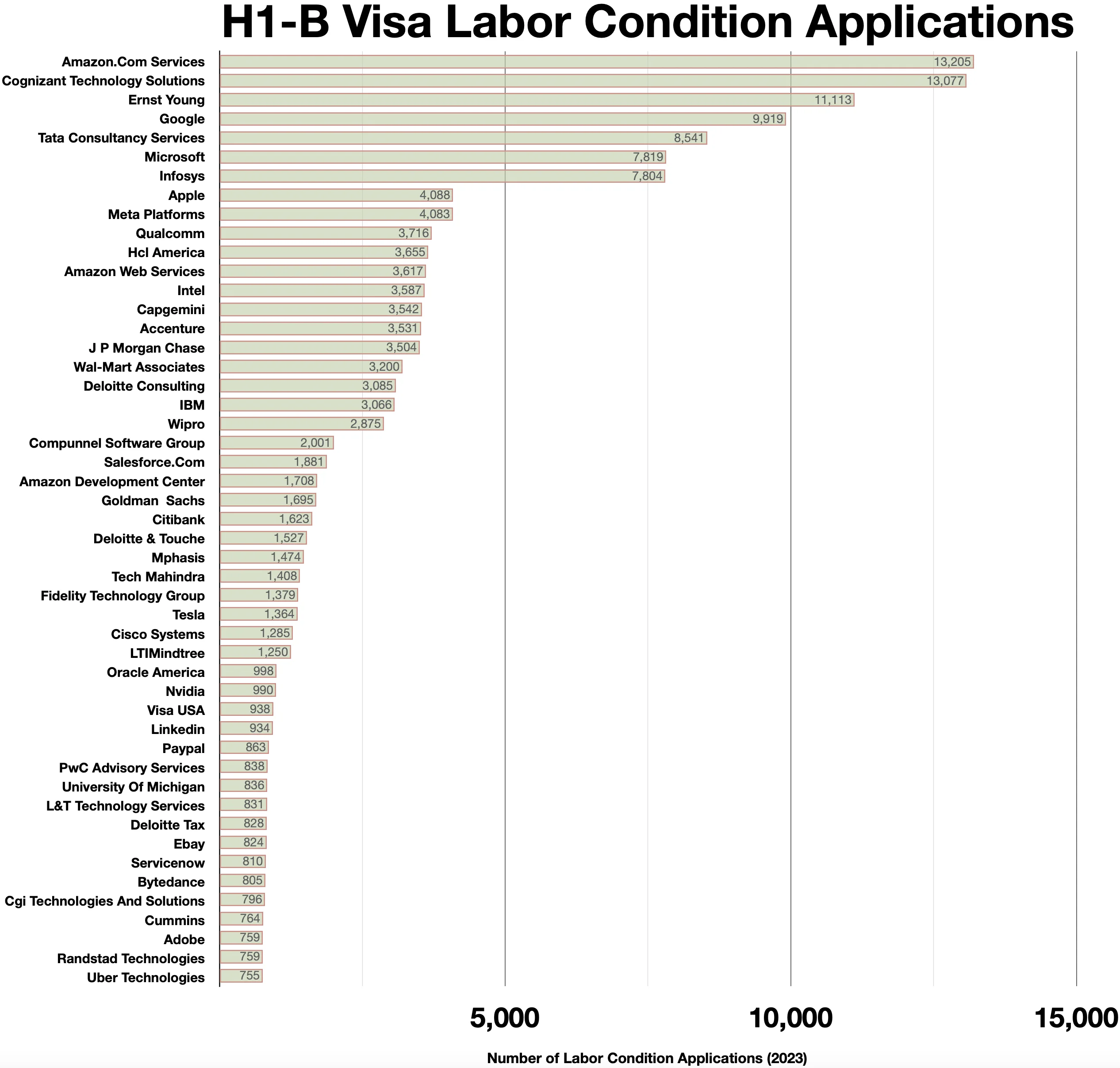
The key date to watch is whether and when DHS formally opens notice-and-comment rulemaking on the proposed $103,265 fee, which would start a public comment period typically lasting 30 to 60 days before any new rule could take effect. Continued litigation is also likely regardless of that process, given the stakes for both the administration’s immigration agenda and the tech and consulting firms that rely heavily on the H-1B program.
What readers are asking
Is the $100,000 H-1B fee still in effect?
No. The fee is currently blocked following Judge Gilliam’s September 30, 2026 ruling, which found the policy unlawful.
Why did the judge strike down the fee?
The court found the fee amounted to a substantive “legislative rule” that required formal notice-and-comment rulemaking, which the administration did not conduct before imposing it.
Is this the first court to block the fee?
No. A Massachusetts federal judge issued a similar nationwide ruling against the fee in June 2026.
Could a new H-1B fee be introduced?
Yes. A proposed $103,265 fee announced by DHS in August 2026 remains under review and could move forward if the administration completes proper rulemaking.
What does “arbitrary and capricious” mean in this context?
It is a legal standard under the Administrative Procedure Act meaning the agency failed to reasonably justify its decision, including by not considering alternatives or the interests of affected parties.
Who is affected by this ruling?
Employers filing new H-1B petitions and the foreign workers those petitions cover are directly affected, as the ruling removes the $100,000 charge for now.
More on US visa policy
For more on US visa fee changes, see our coverage of the USCIS fee increases for asylum, parole, and TPS applicants and the new $750 expedited visa interview fee pilot. We also previously reported on the public charge rule change affecting green card applicants.
Sources
- Forbes — Judge Strikes Down Latest Version Of $100,000 H-1B Immigration Fee. https://www.forbes.com/sites/stuartanderson/2026/10/01/judge-strikes-down-latest-version-of-100000-h-1b-immigration-fee/
- National Law Review — September 2026 H-1B Changes: New Compliance Scrutiny and Extension of the $100,000 Entry Restriction. https://natlawreview.com/article/september-2026-h-1b-changes-new-compliance-scrutiny-and-extension-100000-entry
Verification your users actually receive.
Send one-time passcodes over WhatsApp with a single API call. Replio can generate, hash and verify the code for you.
