
Never lose a customer to a missed message
An AI agent trained on your own business, replying in seconds, in any language, on every channel your customers already use.
U.S. Citizenship and Immigration Services is raising fees for several humanitarian-protection filings. The USCIS fee increase takes effect October 16, 2026. It covers four filings: the asylum application, parole and advance parole requests, initial work permits for asylum seekers and Temporary Protected Status recipients, and Temporary Protected Status applications. USCIS ties the new rates to inflation adjustments required under the One Big Beautiful Bill Act, known as H.R. 1. The new fees apply only to requests postmarked on or after October 16. Applicants who file sooner still pay today’s lower rates.
USCIS Fee Increase Takes Effect October 16, 2026
The USCIS fee increase touches four filings tied to humanitarian protection. These are the asylum application, the parole and advance parole request, the initial work permit filed by asylum applicants and parolees, and the Temporary Protected Status application. Each fee rises by a modest dollar amount. The increases range from $3 to $30 depending on the form. Even a small increase adds up for someone filing several forms in one case. A family that files an asylum application and a related work permit together will feel the combined increase more than a single filer would. USCIS has not announced any additional change to these four fees beyond the October 16 adjustment.
USCIS says federal law requires regular fee reviews. The agency says the new rates keep its fee schedule in line with inflation under the One Big Beautiful Bill Act. A USCIS spokesperson said the changes “ensure USCIS continues to apply the law as Congress intended while supporting the integrity and sustainability of the immigration system.” The quote comes from Newsweek’s report on the new fee schedule. USCIS describes the increases as routine upkeep. It says they are not a policy shift aimed at any one group of applicants.
Asylum Applications Cost More Starting This Month
Form I-589, the Application for Asylum and for Withholding of Removal, rises from $102 to $105. That is a $3 increase, or about 2.9%. People fleeing persecution file Form I-589 to ask the United States for protection. Many file it soon after arriving in the country. Others file it after an immigration court places their case on track for an asylum hearing.
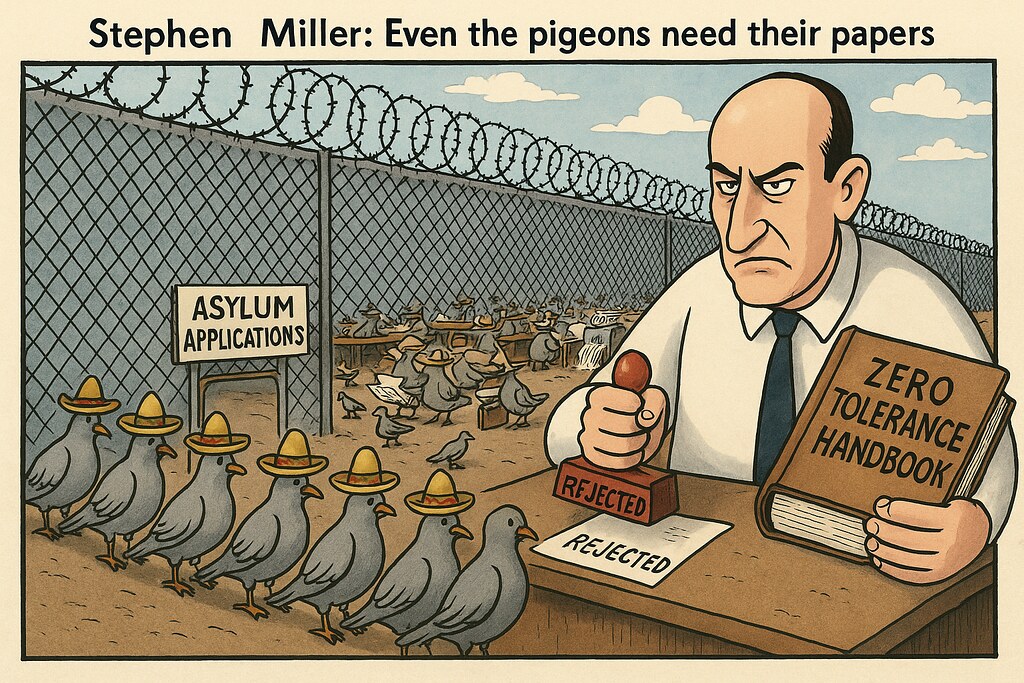
The new fee applies the moment the October 16 cutoff passes. It applies no matter how long an applicant has been preparing their case. Applicants should check which version of Form I-589 applies to them. They should confirm the correct fee before mailing it. Keeping a copy of the mailing receipt helps prove the postmark date. A payment for the wrong amount can delay a case by weeks.
Work Permit and Parole Fees Also Climb
Form I-131, used to request parole or advance parole, rises from $1,020 to $1,050. That is a $30 increase, or about 2.9%. Parole lets USCIS admit someone into the country temporarily for urgent humanitarian reasons or a significant public benefit. Advance parole lets certain applicants already in the country travel abroad and return without abandoning a pending case.
The initial Employment Authorization Document, or work permit, also costs more. For asylum applicants, parolees, and Temporary Protected Status recipients, it rises from $560 to $570. That is a $10 increase, or about 1.8%. The permit lets people work legally while their case moves through a system that can take months or years. These two filings already carry some of the highest costs in the humanitarian-protection category. A small percentage increase still adds real dollars for a family filing several forms at once.
Temporary Protected Status Filing Costs Rise
Form I-821, the application for Temporary Protected Status, rises from $510 to $520. That is a $10 increase, or about 2%. TPS lets nationals of certain countries remain and work in the United States. The Department of Homeland Security designates which countries qualify. It typically cites armed conflict, a natural disaster, or another extraordinary condition back home.
TPS status is not permanent. Designated countries come up for periodic review. People covered by the program usually must re-register during specific windows. Every re-registration filed on or after October 16 carries the higher fee. Most TPS holders file an initial work permit application at the same time, which also costs more now. Immigration advocates say the combined cost falls hardest on people who already have few other paths to stable status. They say it adds a financial barrier on top of the uncertainty the program itself creates.
Who Still Has Time to File at the Old Fee
Only the postmark date decides which fee applies. A form mailed on or before October 15, 2026, pays the current, lower amount. A form postmarked October 16 or later pays the new amount. This holds even if USCIS does not receive it for several more days. The deadline now sits inside two weeks. Applicants preparing an asylum application, a parole request, a work permit, or a TPS filing have a narrow window left to mail at today’s rate.
Applicants who are close to finishing their paperwork may want to complete it now. Those who still need more time to gather documents should not rush. An incomplete or incorrect filing can cause delays that cost far more time than the fee difference itself. USCIS has not signaled any further change to these specific fees beyond October 16.
The increase arrives alongside other recent shifts in U.S. immigration processing. USCIS has also narrowed a filing deadline extension that once gave applicants more room to respond to agency requests. A federal court recently addressed a duration-of-status injunction affecting F-1 students. Neither change alters the fees described here. Both show how fast the broader U.S. filing landscape is moving this fall. Anyone with a pending case should confirm current rules before mailing anything.
USCIS Fee Increase: Your Questions Answered
When does the USCIS fee increase take effect?
The new fees apply to requests postmarked on or after October 16, 2026.
How much more will asylum applicants pay?
Form I-589 rises from $102 to $105, a $3 increase of about 2.9%.
What is the new fee for parole and advance parole requests?
Form I-131 rises from $1,020 to $1,050, a $30 increase of about 2.9%.
Did the work permit fee change for asylum seekers and TPS recipients?
Yes. The initial Employment Authorization Document fee for asylum applicants, parolees, and Temporary Protected Status recipients rises from $560 to $570, about 1.8% more.
How much does a Temporary Protected Status application cost now?
Form I-821 rises from $510 to $520, a $10 increase of about 2%.
Why is USCIS raising these fees?
USCIS says the increases are inflation-based adjustments required under the One Big Beautiful Bill Act (H.R. 1). Immigration advocates counter that the increases add financial barriers for people seeking humanitarian protection.
For more on the shifting rules around U.S. immigration filings this fall, see Tamara News’ coverage of the diversity visa pause recently lifted by the State Department.
Sources
- Newsweek — USCIS Announces Higher Immigration Fees: What Applicants Will Pay. https://newsweek.com/uscis-announces-higher-immigration-fees-what-applicants-pay-12511225
- USCIS — Official site. https://www.uscis.gov/
Verification your users actually receive.
Send one-time passcodes over WhatsApp with a single API call. Replio can generate, hash and verify the code for you.
