• Mon - Fri 9.00 - 19.00

Category Archives: EU

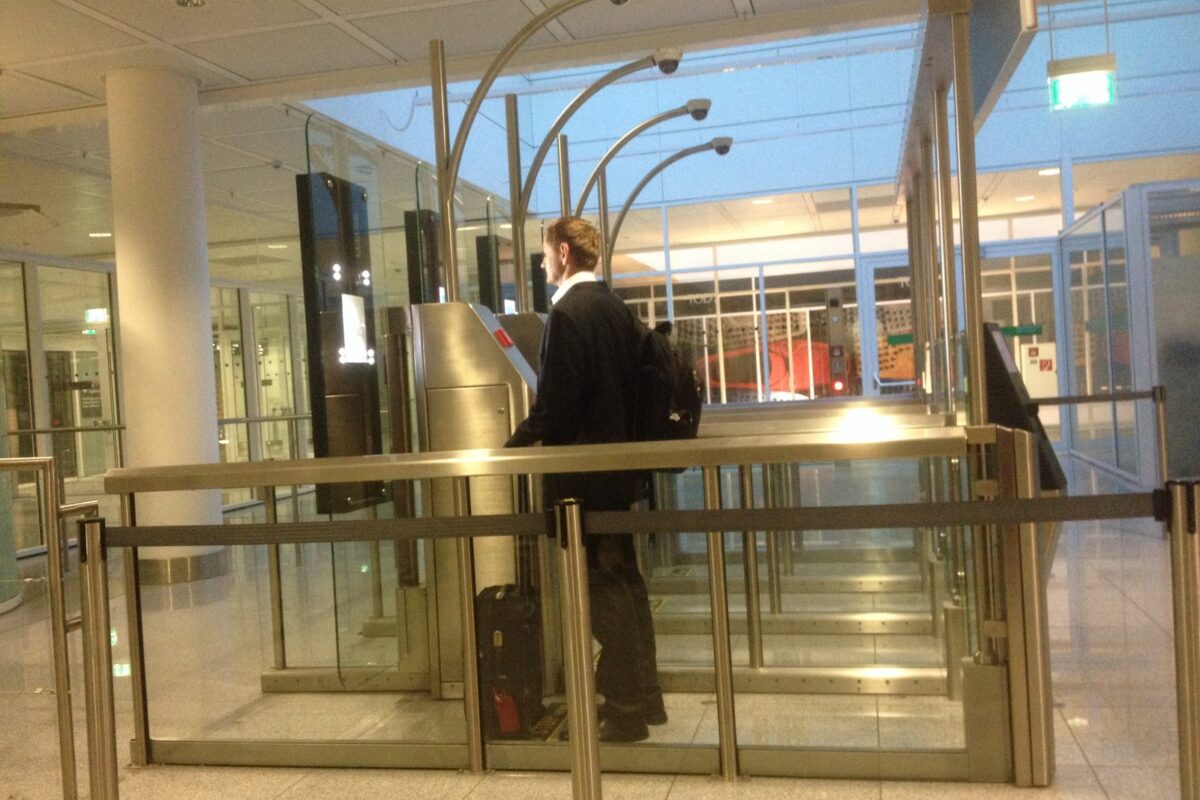
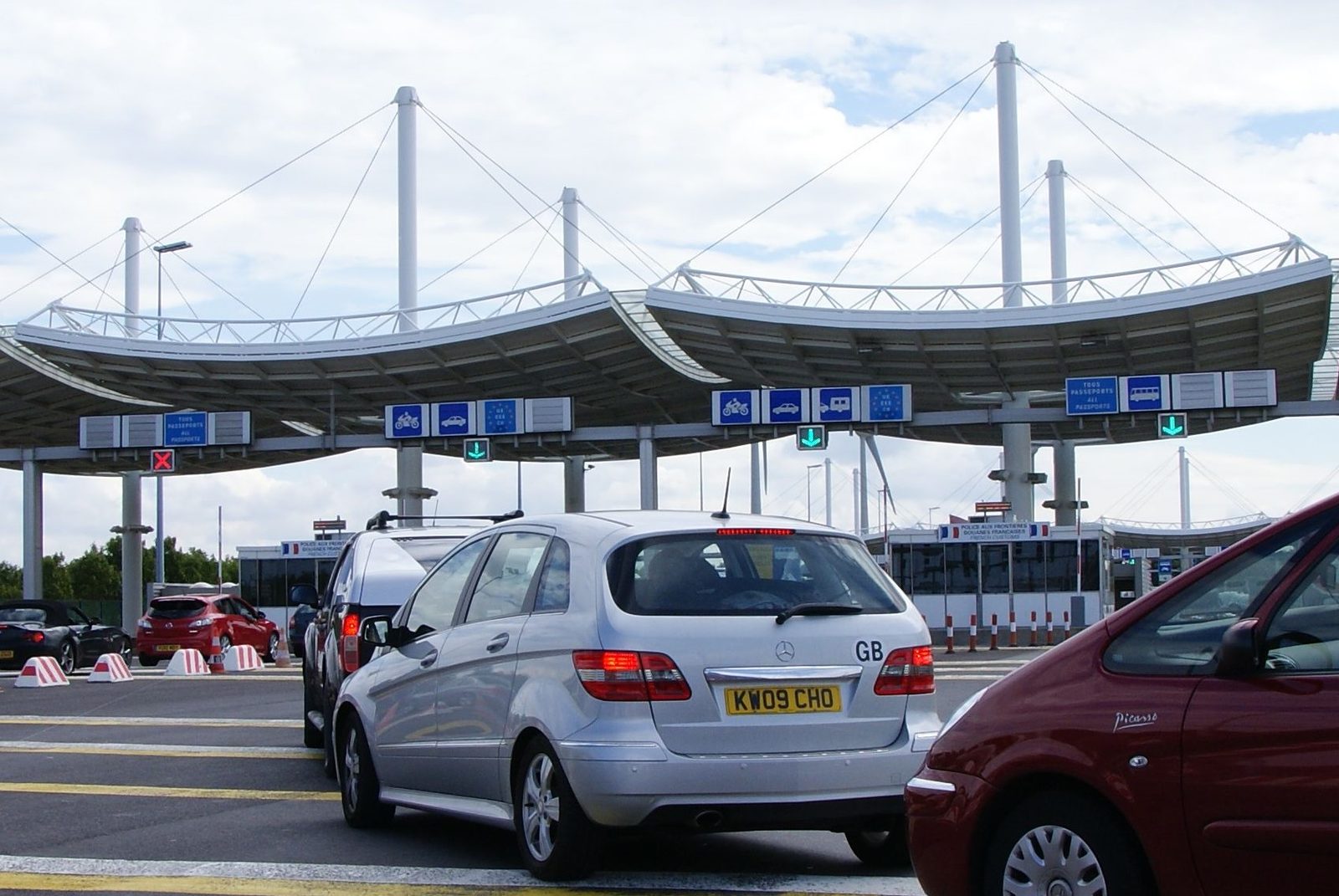
8 Schengen Countries Are Still Checking IDs at the Border

Eight Schengen countries are still checking IDs at borders that are supposed to be open. Schengen border checks extended through September, and in some cases through December 2026, cover Austria, France, Germany, Italy, the Netherlands, Norway, Poland, and Sweden, according to notifications filed with the European Commission.

Which Countries Have Schengen Border Checks Extended

Germany has prolonged checks at all nine of its land borders until September 15, 2026. The Netherlands extended its controls until September 30, with officials signaling this round is not expected to continue further in its current form.
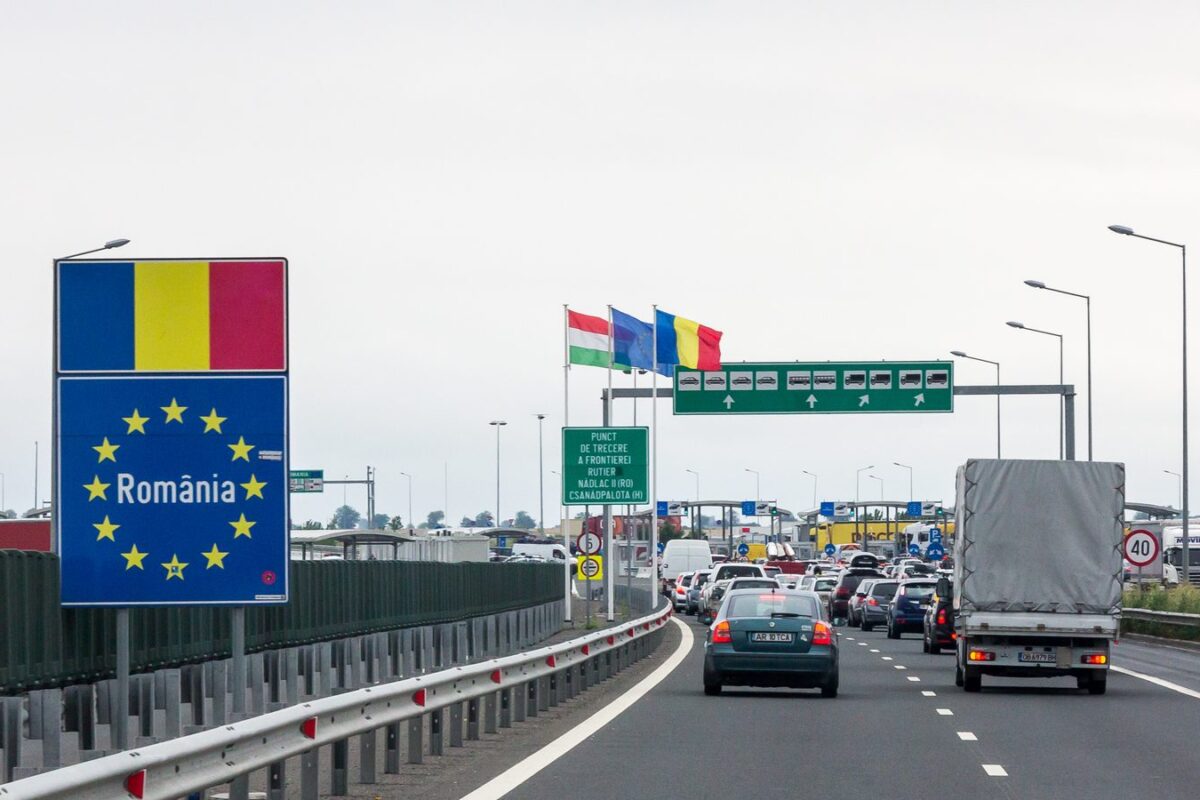
Schengen border checks extended

France, Austria, Italy, Norway, Poland, and Sweden have each filed separate extensions running into the final months of 2026, citing a mix of security concerns and migration pressure at their respective frontiers.

Why Countries Keep Renewing These Checks

The Schengen Borders Code allows a member state to temporarily reinstate internal checks when it identifies a serious threat to public policy or internal security. Extensions require formal notification to Brussels and are meant to be short-term and proportionate.

In practice, several countries have renewed their checks repeatedly since 2023, citing ongoing irregular migration flows and, in some cases, upcoming major international events that raise security concerns. Critics argue the “temporary” checks have become close to permanent at some borders.

What This Means If You’re Crossing These Borders

A border check does not mean a closed border. Officials conduct spot checks on documents rather than systematic searches of every vehicle or traveler. Most crossings remain quick, though delays can build during peak travel periods or at high-volume road crossings.

Travelers with valid Schengen visas, passports, or residence permits should not expect to be refused entry. Carrying physical identity documents, rather than relying only on digital copies, remains the safest approach at any border currently under a reinstated check.

The Rules Behind a Temporary Border Check

Under Schengen rules, a member state notifies the European Commission before reinstating checks and must justify the threat driving the decision. Extensions typically run in six-month blocks, and the state must renew its notification each time it wants to keep the checks running.

The Commission reviews each notification but has limited power to force a country to end checks early. That gap in enforcement is part of why some countries have kept renewing checks for years rather than months, even though the rules describe the measure as exceptional and short-term.

How This Debate Keeps Resurfacing

Migration pressure and security concerns tied to major events remain the most common justifications countries cite. Germany’s land-border checks, for example, trace back to concerns about irregular crossings and have been renewed repeatedly rather than allowed to lapse.

Free-movement advocates argue the pattern undermines one of the EU’s core achievements, an open internal border. Governments defending the checks counter that spot verification is a proportionate tool while migration and security pressures remain elevated, not a rollback of Schengen itself.

The European Parliament has debated tightening the rules that govern how long a country can keep checks in place. So far, member states retain wide discretion to renew their own notifications, and no binding time limit has passed into EU law.

What Travelers Should Expect at the Border

Expect occasional document checks at land crossings in the eight countries listed above through at least September, longer in several cases. Air travelers face fewer disruptions, since these checks concentrate on land and, in some cases, key rail and sea routes.

The European Commission continues to press for a return to fully open internal borders, but has not blocked any of the current extensions. Anyone planning overland travel across these borders this autumn should build in extra time at major crossing points.

Keep a passport or national ID card accessible rather than packed away, even on routes that rarely see enforcement. Officers can request documents at any point during an active check, and delays are shorter for travelers who can produce them immediately.

Business travelers with recurring cross-border trips should factor in a buffer of 20 to 30 minutes at land crossings during peak hours, according to guidance several national border agencies have published alongside their extension notices.

Cross-border commuters and cargo drivers, who rely on predictable crossing times, have raised the loudest complaints, since repeated extensions make it harder to plan routes months in advance around any specific end date.

Frequently Asked Questions

Which Schengen countries currently have border checks in place?

Austria, France, Germany, Italy, the Netherlands, Norway, Poland, and Sweden have all filed extensions of internal border checks running through September or later in 2026.

Do I need a visa to cross a Schengen internal border with checks?

No new visa requirement applies. Existing Schengen visa, passport, or residence permit rules still govern entry; the checks are spot document verifications, not a new border regime.

Will these Schengen border checks become permanent?

They remain formally temporary under EU rules, though several countries have renewed them repeatedly since 2023, and the European Commission has not forced any country to end its checks early.

Do these checks affect flights within Europe?

Rarely. The reinstated checks concentrate on land borders and, in some countries, key rail and sea crossings, with limited impact on domestic and intra-Schengen flights.

Related Coverage on Tamara News

Sources

Europe Just Pushed ETIAS Back to 2027 — Again

Europe’s long-promised travel permit will not arrive this year after all. ETIAS delayed to 2027 is now the working assumption inside eu-LISA, the EU agency running the rollout, after officials told the Financial Times a late-2026 launch is no longer feasible.

ETIAS Delayed to 2027: The Two Reasons Why

eu-LISA points to two problems. The first is technical: parts of the ETIAS system are not ready for a full-scale launch. The second is operational: the Entry/Exit System, the biometric border check that went live earlier this year, is still causing long queues at major crossing points.

ETIAS delayed to 2027

Rolling out a second new system on top of a straining EES rollout risked compounding the chaos at border crossings and airports. eu-LISA and national border agencies both flagged that risk in recent weeks, which pushed the agency toward a delay rather than a rushed launch.

What Happens to the Confirmed Launch Date

There is no new official date yet. eu-LISA’s governing board plans to review a revised implementation timeline at a meeting this September. Industry sources cited by travel press are floating April 2027 as an early realistic estimate, though nothing is locked in.

This is not the first slip. ETIAS has slipped multiple times since its original target date, most recently from a planned late-2026 launch that outlets had reported as recently as July.

Why the EES Rollout Keeps Colliding With ETIAS

The Entry/Exit System records fingerprints and facial scans for non-EU travelers at Schengen borders. Since it launched, several major airports and land crossings have reported queues that stretch well beyond normal wait times, particularly during peak summer travel.

eu-LISA wants EES to stabilize before adding ETIAS on top of it. Running both systems at full capacity at the same time would multiply the strain on border staff who are already adapting to the new biometric checks, according to officials who spoke to European outlets covering the decision.

Some national border agencies reportedly asked eu-LISA directly for more breathing room between the two rollouts. A staggered approach, they argued, gives staff and infrastructure time to absorb one major change before taking on a second.

How This Compares to ETIAS’s Earlier Delays

ETIAS has missed its original target date more than once since the concept was first proposed years ago. Each previous delay traced back to similar causes: technical readiness gaps or the need to sequence the launch around other EU border projects.

Frequent travelers and airlines have grown accustomed to treating any announced ETIAS date as provisional until eu-LISA confirms it close to launch. This latest delay to 2027 fits that established pattern rather than breaking from it.

What ETIAS Is Supposed to Do

ETIAS is not a visa. It is a €20 online travel authorization for visa-exempt travelers entering the Schengen area, similar in concept to the US ESTA system. Travelers from the UK, US, and dozens of other countries would apply online before flying, with approval typically issued within minutes.

The system aims to screen travelers against security and migration databases before they reach the border, cutting down on checks once they land. With the delay, visa-exempt travelers can continue entering under existing rules for now.

Once live, an approved ETIAS authorization is expected to remain valid for multiple entries over a set validity window, sparing frequent travelers from reapplying before every trip to the Schengen area.

When Could ETIAS Actually Launch

Nothing changes for travelers immediately. Visa-exempt visitors to the Schengen area do not need to apply for anything new until eu-LISA confirms a firm date and opens the application system. Airlines and border agencies will get advance notice before any launch, since airline check-in systems need updates to verify authorizations.

Travelers planning trips to Europe in 2027 should watch for an official announcement expected after the September eu-LISA board meeting, rather than relying on any specific date currently circulating in the press.

Travel agents and tour operators serving the European market are telling clients to book flights and hotels as normal for now, since the delay affects a screening requirement rather than the ability to travel to Europe at all.

Anyone with an upcoming trip to Europe should recheck the ETIAS timeline closer to their travel date rather than assuming today’s estimate holds, given how often this launch window has already shifted.

Airlines flying transatlantic and other long-haul routes into Schengen airports are watching the September board meeting closely too, since a confirmed date determines how much lead time their check-in systems need before enforcing the new authorization requirement.

Frequently Asked Questions

Is ETIAS launching in 2026?

No. eu-LISA says a late-2026 launch is not feasible and the system is now expected to launch in 2027, with no confirmed date yet.

Why was ETIAS delayed?

eu-LISA cited technical readiness issues with the ETIAS system itself and operational strain from the ongoing Entry/Exit System rollout, which is already causing border queues.

Do I need to apply for ETIAS right now?

No. There is no ETIAS application open yet. Visa-exempt travelers continue entering the Schengen area under current rules until a launch date is confirmed.

How much will ETIAS cost when it launches?

The planned fee is €20 per application, with the authorization valid for multiple entries over a set period once issued.

Related Coverage on Tamara News

Sources

Europe’s New Biometric Border Is Live – Don’t Get Caught Out

The wave-your-passport days at Schengen borders are over. Since April 10, 2026, the EU EES biometric border has been fully live, logging fingerprints and a facial image for every non-EU visitor on entry and exit. A second system, ETIAS, lands later this year. Together they change how billions of short trips into Europe begin. If you visit the Schengen area for tourism, business or family, two new steps now sit between you and the arrivals hall.

By the Tamara News editorial desk. Last updated 20 July 2026.

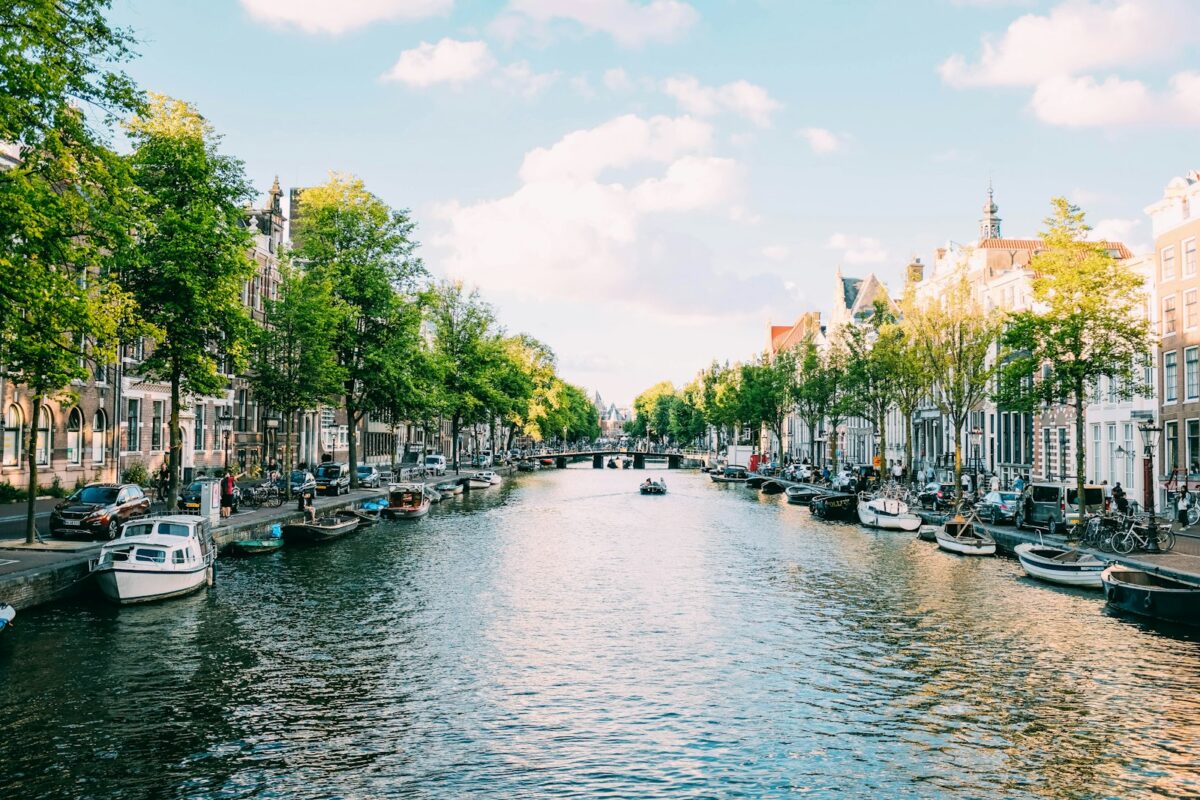
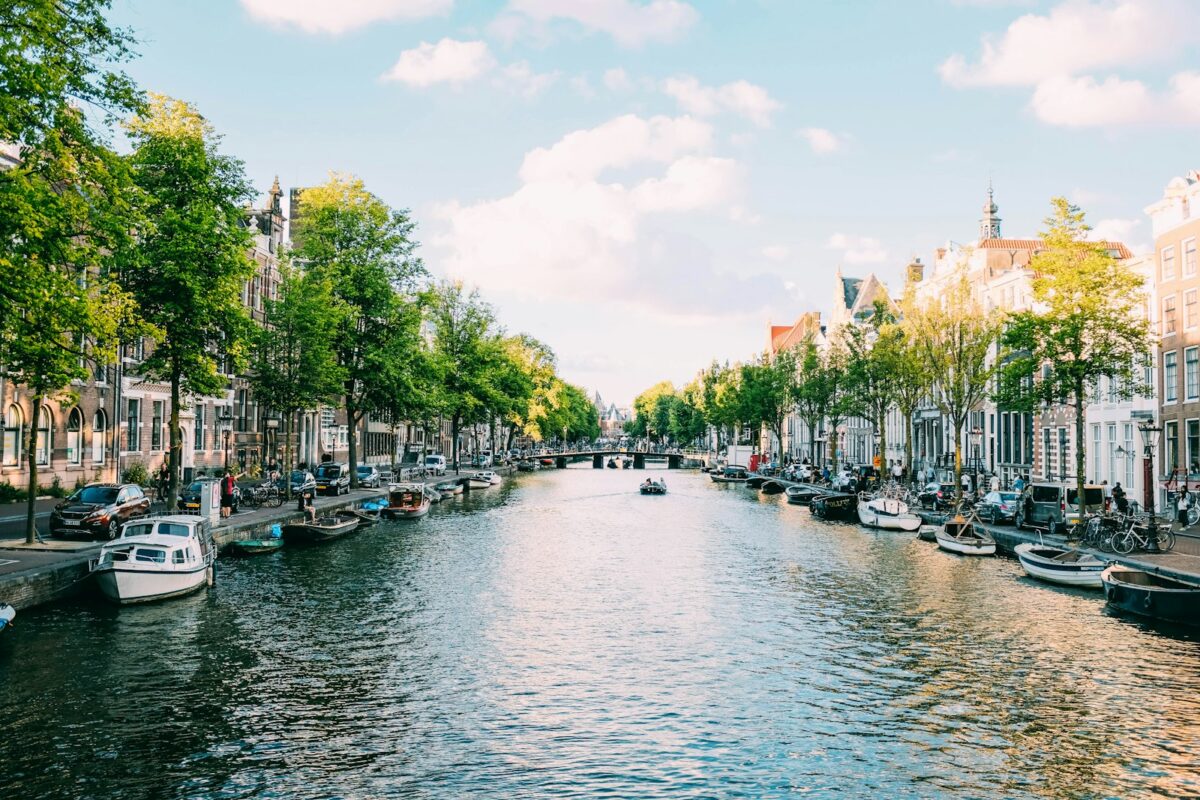
EU EES biometric border control near an Amsterdam canal

On this page

What the EES biometric border records

The Entry/Exit System replaces passport stamps with a digital record. At the booth, the EES biometric border captures your name, travel document, date and place of entry, and biometrics: fingerprints and a facial image. Children under 12 give a photo but no fingerprints. The first time takes longer; later crossings reuse your stored data.

The system also counts your days automatically. The 90-days-in-any-180 rule for short stays is now machine-enforced, so a careless overstay is far harder to hide. The EU describes the data as “fingerprints and a facial image” held for repeat use.

How ETIAS fits in later this year

ETIAS is the second piece, expected in the last quarter of 2026. It is a pre-travel authorisation, not a visa, for visa-exempt nationalities. You apply online, pay a 20-euro fee, and most approvals arrive within 96 hours. A six-month grace period follows launch, during which travel without it is still allowed if you meet every other entry rule.

One detail trips people up. Ireland sits outside both systems, so a Dublin trip works the old way. The rest of Schengen does not.

Getting your trip ready

Consider the Almeida family from Sao Paulo, flying into Lisbon for a three-week summer holiday. Their first EES registration adds a few minutes at the kiosk, and once ETIAS is live they will each need an authorisation before boarding, including their teenager. Build that into your timeline, not your taxi queue.

Practical prep is simple. Carry the passport you registered with, since your biometrics are tied to that document. Arrive earlier on your first post-April crossing. And ignore any site selling ETIAS today, because no authorisation is being issued yet.

Planning a Europe trip this year and unsure which step applies to your passport? Get a quick personal checklist at https://wa.link/i9l1ec.

Before you fly

  • EES is live now and records your biometrics at the border.
  • Your 90/180-day count is tracked automatically.
  • ETIAS arrives around Q4 2026 with a 20-euro online fee.
  • No real ETIAS exists yet, so avoid any site charging for one.

Common questions, answered

Is EES a visa?

No. It is a border record of entries, exits and biometrics. It does not replace any visa you already need.

Do I need ETIAS right now?

Not yet. It is expected in late 2026, with a six-month grace period after launch.

Will my children be fingerprinted?

Under-12s give a facial image only. Older travellers give fingerprints too.

Does any EU country skip these systems?

Ireland is outside both EES and ETIAS, so its border process is unchanged.

Keep reading

Share this story

  • LinkedIn: Europe quietly switched on biometric borders. Two new steps now sit between you and arrivals.
  • Twitter: The EU EES biometric border is live and your 90/180 days are now auto-counted. ETIAS next.
  • Facebook: Heading to Europe this year? Two new border steps you need to know about.

Cross the border knowing the rules

A few minutes of preparation saves a stressful arrival. Check which step applies to your nationality and your trip, and grab a tailored Europe entry checklist at https://wa.link/i9l1ec.

Sources

Trading involves risk. Only trade what you can afford to lose.

The Netherlands Is Trimming English Degrees for Students

Studying in the Netherlands in English is not disappearing. It is getting narrower. Under a new balance law, Dutch universities are cutting or capping Netherlands English-taught degrees, switching some bachelor programmes back to Dutch and setting enrolment limits on others. The goal is to ease housing shortages and protect the Dutch language, not to shut out the world. But for an international student picking a 2027 intake, the practical effect is real: fewer English seats, and more competition for the ones that remain.

By the Tamara News editorial desk. Last updated 11 July 2026.

What’s inside

Why the Netherlands is scaling back English-taught degrees

International enrolment in the Netherlands grew fast for a decade, and it brought strain: packed lecture halls, a severe student housing crunch, and worry that Dutch was fading as the language of instruction. The government’s Balanced Internationalisation Act pushes universities to restore Dutch as the norm in bachelor teaching while keeping English where the labour market clearly needs it. Ministers framed the aim as balance, not closure, with one saying the country still “relies on knowledge”. Universities have also moved on their own, converting several psychology and business bachelors to Dutch and adding caps elsewhere. Master’s programmes, which are far more international, are much less affected.

What the changes mean for international students

Picture a Vietnamese student who set her heart on an English-taught psychology degree in the Randstad. Many of those exact programmes are shifting to Dutch, so her list of options shrinks and the remaining English seats draw more applicants. Several economics and business bachelors are introducing a numerus fixus, a fixed cap, on their English tracks. The timing matters: most changes take effect from the 2026-27 academic year, not overnight, and one language-testing requirement for existing programmes was dropped in July after pushback. Border-region and shortage-linked courses are more likely to keep English teaching.

Weighing a study route and the visa behind it? Start with our visa eligibility checker to see where you stand.

How to lock in an English programme before the caps bite

Move earlier than you think you need to. Confirm directly on each university’s page that your programme is still taught in English for your intake year, because course catalogues are being updated. Favour master’s programmes and shortage-linked fields, which keep more English seats. Prepare a strong file: solid grades, a clear motivation letter, and an English test result ready to submit. For capped programmes, apply the day the window opens rather than near the deadline. A backup choice in a border-region university can save your year.

Related reads

What to remember

  • English bachelor seats are shrinking, not vanishing.
  • Several psychology and business bachelors are switching to Dutch.
  • Master’s programmes stay largely English-taught.
  • Apply early to capped English tracks.

Student questions

Can I still study in the Netherlands in English?
Yes, especially at master’s level and in shortage-linked fields, though English bachelor options are narrowing.

What is a numerus fixus?
It is a fixed cap on the number of students admitted to a programme, decided through selection rather than first-come entry.

When do the changes start?
Most take effect from the 2026-27 academic year, with universities updating course lists ahead of that.

Are master’s degrees affected too?
Far less. The reforms focus mainly on bachelor teaching and the language of instruction.

Share this story

  • LinkedIn: The Netherlands is trimming English bachelor degrees. Students, plan around it.
  • Twitter: Fewer English-taught seats in Dutch universities from 2026-27. Here is the workaround.
  • Facebook: Dreaming of studying in the Netherlands? Read this before you pick a programme.

Choose your programme with open eyes

The Dutch door is still open, just not as wide. Verify the language of your course, target the intakes that stay English, and apply early. For study-abroad and student visa updates as they change, follow us at https://wa.link/i9l1ec

Sources

  • Government.nl, balanced internationalisation of higher education (T0 official)
  • Universiteiten van Nederland, universities rebalance internationalisation (T1 sector body)
  • ACA, Internationalisation in Balance bill briefing (T1 specialist)


Tapay copy tradingGrow your money while you plan your moveTapay auto-copies a live trading strategy to your own account — spot & futures. Start free on demo, go live when you’re ready.Start free →

Europe Will Pay You to Study a Masters — Apply From October

Picture finishing a masters that was taught in three countries, with your tuition paid and a stipend landing every month. That is the deal behind the Erasmus Mundus scholarship, one of the few programmes that funds an entire international degree rather than a slice of it. For the 2027 intake, most calls open between October 2026 and January 2027. If you have wanted to study in Europe without draining savings, this is the window to prepare.

By the Tamara News editorial desk. Last updated 7 July 2026.

In this guide

What the Erasmus Mundus scholarship actually pays

These are Joint Masters run by a consortium of universities, so you study in at least two countries and graduate with a joint or multiple degree. The EU grant is generous. It covers tuition, contributes to travel and insurance, and adds a living allowance of roughly €1,400 a month for up to 24 months. Erasmus+ describes it as covering participation costs plus “a monthly allowance for living costs.” Compared with paying international fees out of pocket, the package can be worth tens of thousands of euros across the degree. That is the difference between a masters you dream about and one you actually enrol in.

Who can apply and what wins a place

Applicants from almost anywhere in the world are eligible, and you apply directly to the programme, not to a central office. Selection is competitive and academic fit matters most. Strong grades, a focused statement that matches the course theme, solid references, and proof of English carry the file. Nguyen, an engineering graduate from Da Nang, framed his application around a single research interest that ran through all three host universities. That coherence, not a long list of activities, is what selection panels reward. Browse live courses in the official EACEA catalogue and shortlist two or three that genuinely match your background.

A timeline that keeps you ahead

Work backward from the deadline. Most 2027-intake calls open in October or November 2026 and close between December and January. That leaves autumn 2026 for test bookings, transcripts, and references. Start your English test now if you need one. Draft the motivation letter early and tailor a fresh version for each consortium. Confirm each course is on the official catalogue before you invest hours, since only listed programmes carry the EU-funded scholarship for that year.

Planning the student-visa side too? Start with our visa eligibility checker and keep everything in one place at https://wa.link/i9l1ec.

Keep these in view

  • Funding covers tuition, travel, insurance, and about €1,400 monthly for up to two years.
  • You study in two or more countries and earn a joint or double degree.
  • Apply directly to each programme, using the official EACEA catalogue.
  • Most 2027 calls open October to November 2026 and close by January.

Common questions answered

How much is the Erasmus Mundus scholarship worth?

It covers tuition and travel and pays a living allowance of about €1,400 a month for up to 24 months, though exact figures vary by programme.

Can students from outside Europe apply?

Yes. The scholarship is open to applicants worldwide, with a set share of places reserved for candidates from partner countries.

Where do I submit my application?

Directly to each Joint Masters consortium listed on the official EACEA catalogue, each with its own deadline and requirements.

When do 2027 applications open?

Most calls open between October 2026 and January 2027 for programmes starting in the 2027 academic year. Always confirm on the course page.

Related reads

Share this story

  • LinkedIn: Europe will fund your entire masters, tuition plus a monthly stipend, across two or more countries. The 2027 calls open from October.
  • Twitter/X: Erasmus Mundus pays tuition + ~€1,400/month to study across Europe. 2027 applications open October 2026.
  • Facebook: A fully funded masters in Europe is real. Here’s how the Erasmus Mundus scholarship works.

Start the paperwork before the rush

The students who win these places are rarely the busiest. They are the ones who started early and matched a real interest to the right course. Shortlist your programmes now and build the file over the summer. Keep your study-abroad plan on track at https://wa.link/i9l1ec.

Sources

  • European Commission, Erasmus Mundus Joint Masters for students, erasmus-plus.ec.europa.eu (T0 official)
  • EACEA, official Erasmus Mundus programme catalogue, eacea.ec.europa.eu (T0 official)


Tapay copy tradingGrow your money while you plan your moveTapay auto-copies a live trading strategy to your own account — spot & futures. Start free on demo, go live when you’re ready.Start free →