
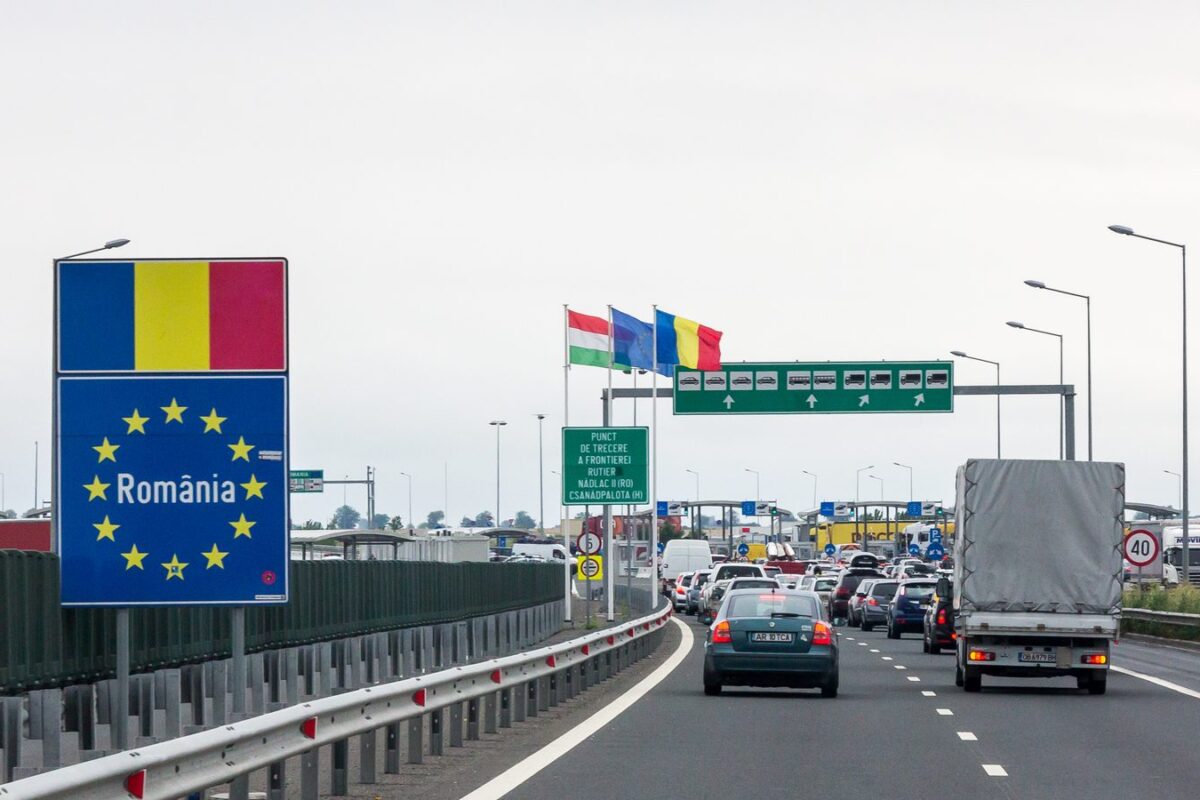
Eight Schengen countries are still checking IDs at borders that are supposed to be open. Schengen border checks extended through September, and in some cases through December 2026, cover Austria, France, Germany, Italy, the Netherlands, Norway, Poland, and Sweden, according to notifications filed with the European Commission.
Which Countries Have Schengen Border Checks Extended
Germany has prolonged checks at all nine of its land borders until September 15, 2026. The Netherlands extended its controls until September 30, with officials signaling this round is not expected to continue further in its current form.
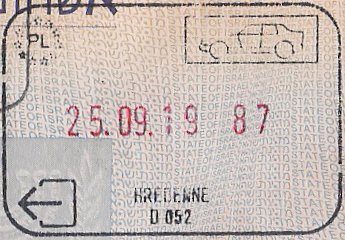
France, Austria, Italy, Norway, Poland, and Sweden have each filed separate extensions running into the final months of 2026, citing a mix of security concerns and migration pressure at their respective frontiers.
Why Countries Keep Renewing These Checks
The Schengen Borders Code allows a member state to temporarily reinstate internal checks when it identifies a serious threat to public policy or internal security. Extensions require formal notification to Brussels and are meant to be short-term and proportionate.
In practice, several countries have renewed their checks repeatedly since 2023, citing ongoing irregular migration flows and, in some cases, upcoming major international events that raise security concerns. Critics argue the “temporary” checks have become close to permanent at some borders.
What This Means If You’re Crossing These Borders
A border check does not mean a closed border. Officials conduct spot checks on documents rather than systematic searches of every vehicle or traveler. Most crossings remain quick, though delays can build during peak travel periods or at high-volume road crossings.
Travelers with valid Schengen visas, passports, or residence permits should not expect to be refused entry. Carrying physical identity documents, rather than relying only on digital copies, remains the safest approach at any border currently under a reinstated check.
The Rules Behind a Temporary Border Check
Under Schengen rules, a member state notifies the European Commission before reinstating checks and must justify the threat driving the decision. Extensions typically run in six-month blocks, and the state must renew its notification each time it wants to keep the checks running.
The Commission reviews each notification but has limited power to force a country to end checks early. That gap in enforcement is part of why some countries have kept renewing checks for years rather than months, even though the rules describe the measure as exceptional and short-term.
How This Debate Keeps Resurfacing
Migration pressure and security concerns tied to major events remain the most common justifications countries cite. Germany’s land-border checks, for example, trace back to concerns about irregular crossings and have been renewed repeatedly rather than allowed to lapse.
Free-movement advocates argue the pattern undermines one of the EU’s core achievements, an open internal border. Governments defending the checks counter that spot verification is a proportionate tool while migration and security pressures remain elevated, not a rollback of Schengen itself.
The European Parliament has debated tightening the rules that govern how long a country can keep checks in place. So far, member states retain wide discretion to renew their own notifications, and no binding time limit has passed into EU law.
What Travelers Should Expect at the Border
Expect occasional document checks at land crossings in the eight countries listed above through at least September, longer in several cases. Air travelers face fewer disruptions, since these checks concentrate on land and, in some cases, key rail and sea routes.
The European Commission continues to press for a return to fully open internal borders, but has not blocked any of the current extensions. Anyone planning overland travel across these borders this autumn should build in extra time at major crossing points.
Keep a passport or national ID card accessible rather than packed away, even on routes that rarely see enforcement. Officers can request documents at any point during an active check, and delays are shorter for travelers who can produce them immediately.
Business travelers with recurring cross-border trips should factor in a buffer of 20 to 30 minutes at land crossings during peak hours, according to guidance several national border agencies have published alongside their extension notices.
Cross-border commuters and cargo drivers, who rely on predictable crossing times, have raised the loudest complaints, since repeated extensions make it harder to plan routes months in advance around any specific end date.
Frequently Asked Questions
Which Schengen countries currently have border checks in place?
Austria, France, Germany, Italy, the Netherlands, Norway, Poland, and Sweden have all filed extensions of internal border checks running through September or later in 2026.
Do I need a visa to cross a Schengen internal border with checks?
No new visa requirement applies. Existing Schengen visa, passport, or residence permit rules still govern entry; the checks are spot document verifications, not a new border regime.
Will these Schengen border checks become permanent?
They remain formally temporary under EU rules, though several countries have renewed them repeatedly since 2023, and the European Commission has not forced any country to end its checks early.
Do these checks affect flights within Europe?
Rarely. The reinstated checks concentrate on land borders and, in some countries, key rail and sea crossings, with limited impact on domestic and intra-Schengen flights.
Related Coverage on Tamara News
- Europe’s Borders Just Went Biometric: What You’ll Face
- Europe’s New Biometric Border Is Live — 5 Things Africans Miss