
• Mon - Fri 9.00 - 19.00

Tag Archives: immigration policy

Trafficking Reports in the UK Just Hit a Record. The Government’s Response Might Surprise You.

New Home Office data shows UK trafficking referrals rise to the highest annual total since the UK’s anti-trafficking system began. That comes even as ministers push a bill that assumes people are abusing the system. The figures cover the year to June 2026. They come from the National Referral Mechanism, the UK’s process for identifying trafficking and slavery victims.

UK trafficking referrals rise illustrated by a UK border control officer at a checkpoint

How far did UK trafficking referrals rise this year

There were 25,373 referrals in the year to June 2026. That is up 5% on the year to March, and it is a record for the mechanism. The April-to-June quarter alone saw 6,954 referrals. That is itself a single-quarter record, and it is 16% more than the first three months of the year. UK nationals made up the largest group at 22%, or 5,548 people. Eritrean nationals followed at 13%, then Somali nationals at 11%. Among UK nationals referred, 74% were children, according to analysis by Free Movement of the Home Office’s own statistics.

More than half of all referrals, 54%, reported exploitation that happened exclusively overseas. That too is a record. Libya, Sudan and Somalia were the most commonly reported countries. Labour exploitation was the single largest category, at 38% of referrals. The Fair Work Agency showed up as a first responder in the data for the first time.

Anti-trafficking awareness display related to the UK trafficking referrals rise

Where the referrals are coming from

Government agencies, not charities, generated most of the referrals. Official channels, including UK Visas and Immigration, accounted for 58% of the total. UK Visas and Immigration alone referred 5,767 cases. Non-governmental organizations made up only 4%. Separately, freedom of information data cited in the same analysis found something notable: the system received only 645 referrals from skilled worker visa holders between January 2022 and August 2025, a small slice of the overall total.

The “misuse” ministers say they are targeting

Despite the rising referral numbers, the explanatory notes to the Immigration and Asylum Bill tell a different story. They argue the referral mechanism is “susceptible to misuse, in particular to delay or prevent immigration removal action.” The government’s own disqualification data pushes back against that framing. Only 144 disqualification requests were made in the latest year, down from 244 the year before. Officials have disqualified just 19 people for bad faith since January 2023. That works out to roughly one in every 3,800 referrals.

The bill now at committee stage would introduce a new credibility test. Under it, a delay in making a trafficking claim could count against the person claiming it. The bill would also make disqualification mandatory in some cases. It would widen the legal definition of bad faith, and remove the existing requirement to grant victims temporary permission to stay while they recover. According to the anti-trafficking group ATLEU, cited in the same reporting, 96% of victim-of-trafficking leave grants currently exist specifically to support recovery.

A backlog that stopped shrinking

The number of cases waiting for a conclusive-grounds decision rose 23% to 5,656 at the end of June. That was the first increase since December 2022. It climbed further still, to 5,948 by the end of August. The median wait for a decision rose from 50 days to 84 days over the same stretch, then eased back to 69 days by late August. The Home Office blames the slowdown on three factors: it moved staff to clear an earlier backlog, it changed its IT system, and new referrals surged. Officials have pledged to clear the remaining backlog by December 2026. That backlog peaked at 31,022 cases at the end of 2022. This sits alongside wider immigration changes already moving through Parliament; see our coverage of five UK visa rule changes that took effect on October 8.

What happens next for the bill

The Immigration and Asylum Bill remains at committee stage. Lawmakers can still amend the credibility-test and disqualification provisions before a final vote. Campaigners are likely to keep pointing to the low bad-faith disqualification numbers. They will argue the stricter rules target a problem that barely exists in the data. Separately, a policy that took effect October 8, 2026 already lets skilled worker visa holders with a positive conclusive-grounds decision work for any employer, rather than just their original sponsor. That relief depends on clearing an NRM process the bill would tighten.

Common questions about the UK trafficking referrals rise

How many people were referred to the UK’s trafficking system this year?

The system recorded 25,373 referrals in the year to June 2026. That is the highest annual total since the National Referral Mechanism began, according to Home Office data analyzed by Free Movement.

What does the government mean by ‘misuse’ of the system?

Explanatory notes to the Immigration and Asylum Bill describe the mechanism as open to misuse, used to delay or block immigration removals. Official disqualification figures show very few confirmed bad-faith cases.

How many people have actually been disqualified for bad-faith claims?

Officials have disqualified only 19 people on bad-faith grounds since January 2023, out of tens of thousands of referrals.

Is the decision backlog getting better or worse?

It had been shrinking for years but rose 23% in the April-to-June 2026 quarter, the first increase since December 2022. The median wait time then improved slightly by the end of August.

What would the new Immigration and Asylum Bill change?

It would add a credibility test tied to delay in claiming, make disqualification mandatory in some cases, widen the definition of bad faith, and remove the automatic right to recovery-focused temporary permission to stay.
USCIS Just Narrowed a Filing Deadline Rule That Could Cost You Days

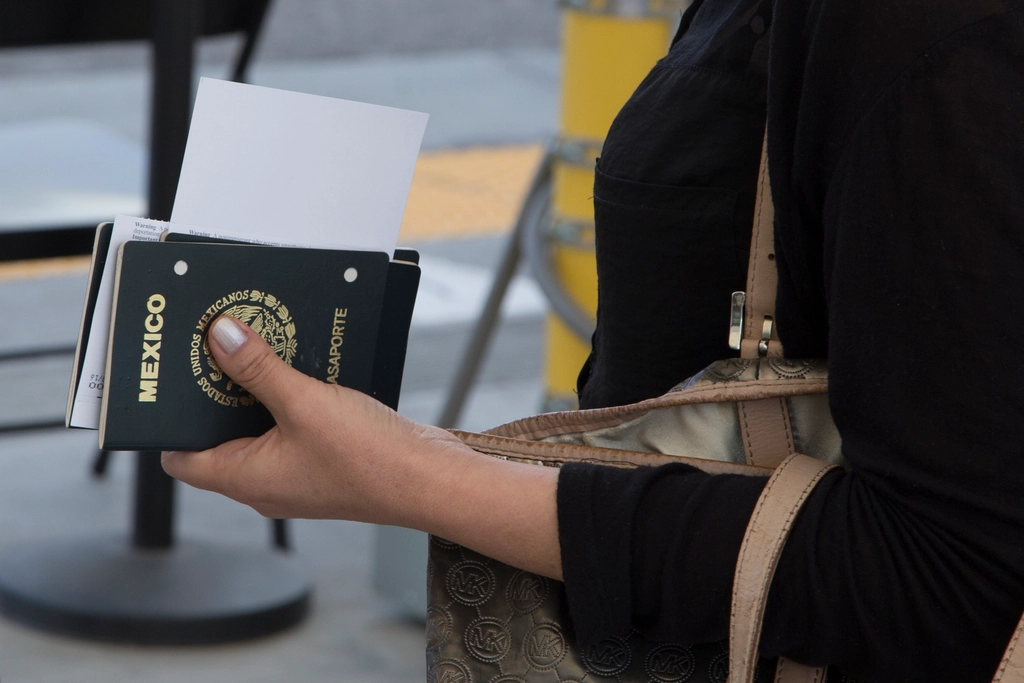
U.S. Citizenship and Immigration Services has narrowed its rule for extending filing deadlines. The change affects deadlines that land on a weekend or federal holiday. The agency issued a Policy Alert on the change. The new USCIS filing deadline extension policy takes effect October 23, 2026. Under the narrower rule, the next-business-day extension applies in one case only. A law, regulation, or form instruction must set the deadline as a specific number of days, such as “within 30 days.” It will not apply when a birthday, an age cutoff, or a visa or status anniversary date sets the deadline instead.

What the USCIS Filing Deadline Extension Rule Changes

For years, USCIS treated many filing deadlines the way courts treat legal deadlines. If a due date fell on a Saturday, Sunday, or federal holiday, the filing counted as on time when it arrived the next business day. Immigration attorneys relied on that rule constantly, especially for petitions and responses measured in a countable number of days.

Cyrus D. Mehta & Partners PLLC reported the new policy on September 28, 2026, in its Immigration Update. The USCIS filing deadline extension survives for one specific category of deadline. That category covers deadlines a statute, regulation, or form instruction states as a set number of days. Think a 30-day response window or a 90-day filing period. Applicants who miss the exact day count still get the benefit of the weekend or holiday extension.

Which Deadlines Will Lose the Weekend or Holiday Grace Period

The narrower rule drops the extension for deadlines set by a date rather than a day count. That covers any cutoff tied to a birthday or an age limit written into a visa category. It also covers the anniversary of a person’s status, approval, or entry. When the actual date falls on a Saturday, Sunday, or federal holiday, USCIS will not push it forward. The filing has to arrive before that date.

Age-based cutoffs run through immigration law in several forms. A dependent who must file before turning a certain age to keep a benefit illustrates the general mechanism. USCIS did not name specific programs in the alert. The same logic covers any deadline pegged to an anniversary of an approval, an admission, or a change in status. From October 23, 2026 onward, applicants cannot assume a weekend or holiday buys extra time on these date-driven deadlines.

USCIS filing deadline extension

How USCIS Draws the Line Between the Two Deadline Types

USCIS explained the distinction through a Policy Alert. That is the format the agency typically uses to update its Policy Manual outside formal rulemaking. A Policy Manual update like this one takes effect on the date USCIS sets, with no public comment period first. Once October 23, 2026 arrives, the new reading applies. USCIS posts the full update on its own Policy Manual updates page. Cyrus D. Mehta & Partners PLLC’s Immigration Update first flagged the narrower scope for practitioners on September 28, 2026.

The line USCIS draws is simple to state, harder to apply. A deadline counted in days can slide to the next business day. A deadline tied to a specific date cannot. Applicants now need to read the exact wording in the controlling statute, regulation, or form instruction. Only that wording tells them whether a grace period applies. This follows other recent shifts in USCIS filing practice. USCIS recently rejected an outdated Form I-864 edition. It also extended a separate H-1B visa fee deadline into 2027. Applicants tracking priority dates in the September 2026 Visa Bulletin for family-based categories face the same kind of date-driven deadline. The narrower rule now excludes that kind of deadline from any weekend or holiday extension.

How to Prepare Before the New Filing Deadline Extension Takes Hold

Applicants and attorneys have a few weeks to adjust before the rule takes hold. USCIS has not made the change retroactive. Nothing about it changes deadlines that fall before October 23, 2026.

  • Do not count on a weekend or holiday grace period for any date-driven deadline. That includes a birthday, an age cutoff, or a status anniversary.
  • Check whether the controlling statute, regulation, or form instruction states the deadline as a day count or as a fixed date. That wording decides which rule applies.
  • File a few business days early when a date-based deadline falls near a weekend or federal holiday after October 23, 2026.
  • Mark date-driven deadlines on the actual calendar date, not the following Monday. Build in buffer time for mail or courier delivery.
  • Talk to an immigration attorney or accredited representative when a deadline sits close to the effective date. Get help if the applicable rule looks unclear.

Filing Deadline Change: Questions Answered

What is the USCIS filing deadline extension rule change?

USCIS narrowed when a filing deadline that falls on a weekend or federal holiday extends to the next business day. Starting October 23, 2026, that extension applies only to deadlines expressed as a specific number of days. It does not apply to deadlines tied to a date, such as a birthday or anniversary.

When does the narrower rule take effect?

The rule takes effect October 23, 2026, under the USCIS Policy Alert that Cyrus D. Mehta & Partners PLLC reported on September 28, 2026.

Which deadlines still get a next-business-day extension?

A statute, regulation, or form instruction can set a deadline as a specific number of days, such as a 30-day or 90-day filing window. Those deadlines still move to the next business day when they land on a weekend or federal holiday.

Which deadlines lose the grace period?

Deadlines tied to a specific date, including a birthday, an age-based cutoff, or a visa or status anniversary, will not extend. Applicants must file before that exact date even when it falls on a weekend or holiday.

Does the change apply to deadlines before October 23, 2026?

No. The narrower rule applies from October 23, 2026 forward. It does not reach back to reinterpret deadlines that already passed under the prior practice.

Where can applicants read the official policy update?

USCIS posts Policy Alerts and Policy Manual changes on its policy manual updates page. Cyrus D. Mehta & Partners PLLC’s Immigration Update also summarized the September 28, 2026 alert for practitioners.

Additional Reading

This US Green Card Category Could Slam Shut in the Next Two Weeks

The State Department’s September 2026 Visa Bulletin warns of a possible green card category retrogression. It could hit several employment-based categories before the fiscal year closes on September 30. EB-1 India, EB-2 for all countries, and the EB-5 Unreserved category are all named. The trigger is simple. Demand keeps pace with how many visa numbers remain available.

Why a Green Card Category Retrogression Happens Every September

Congress caps the number of employment-based green cards issued each fiscal year. The State Department allocates those numbers on a rolling basis through the Visa Bulletin. A category’s usage can near its annual limit before the fiscal year ends. When that happens, the department has two options. It can retrogress the final action date, pushing it backward so fewer applicants qualify. Or it can make the category fully unavailable until the new fiscal year opens on October 1. This is an annual bottleneck, not a new policy change. It recurs whenever demand in a category runs ahead of supply late in the fiscal cycle.

Which Categories Are Actually at Risk This Year

green card category retrogression

Immigration firms including Fragomen have summarized the September bulletin’s warnings. EB-1 India’s final action date currently sits at October 15, 2022. High demand could still exhaust that category’s annual allocation before new numbers open in FY2027. EB-2 for all countries has already been marked “Unavailable” for the rest of FY2026. EB-5 Unreserved faces a similar risk. The State Department says demand and usage there could force a retrogression or closure before September 30. The goal is keeping total number use within the fiscal year’s cap.

What Retrogression Actually Means for an Applicant

If a category retrogresses or becomes unavailable, USCIS generally cannot approve new applications in it. That holds until the next fiscal year begins. It also holds even if an applicant’s priority date was previously current. Applicants who already filed shouldn’t need to refile once new numbers open on October 1. Still, they may see a real gap of days or weeks with no further approvals in that category. Fragomen’s guidance notes something reassuring here. USCIS has said it will keep honoring final action dates that were current when a case was filed. That softens some of the risk for applicants already in the pipeline.

How This Differs From the October Bulletin’s Good News

This warning about near-term retrogression tells a different story. Tamara News covered a more optimistic outlook for the October 2026 bulletin separately. That bulletin could reopen EB-2 India and advance other stalled categories once the new fiscal year begins. Both things can be true at once. A category can face retrogression risk in late September. It can still see meaningful forward movement starting October 1. The annual limits simply reset with the new fiscal year.

Why Fiscal Year-End Timing Catches People Off Guard

Applicants who checked their category’s status earlier in the summer sometimes assume it holds steady until the next bulletin. It often doesn’t. Category movement can shift week to week in September specifically. That is when USCIS and the State Department reconcile actual number use against the annual cap for the first time all year. Attorneys describe the final weeks of the fiscal year as the least predictable stretch on the entire visa calendar. That is exactly why guidance can change with little advance notice.

Who This Warning Doesn’t Affect

Family-based green card categories operate under a separate set of annual limits and aren’t named in this particular warning. Neither are most other employment-based categories outside EB-1 India, EB-2, and EB-5 Unreserved, which have their own final action dates and haven’t shown the same usage pressure this fiscal year. That’s a separate question from the public charge rule taking effect September 18, which affects admissibility rather than annual visa limits. Applicants in unaffected categories should still track the monthly bulletin as a matter of routine, but the September 30 deadline pressure described here applies specifically to the three categories named above.

What Applicants Should Do Before September 30

Immigration attorneys generally advise one thing to applicants with pending cases in EB-1 India, EB-2 or EB-5 Unreserved: confirm case status with counsel now. Waiting for a possible retrogression announcement carries real risk. USCIS processing timelines mean action taken in the final two weeks of September matters more than usual. Applicants should also watch for the October 2026 Visa Bulletin’s publication. It’s expected in the second half of September, and it will confirm whether any at-risk categories actually retrogressed or held steady.

Frequently Asked Questions

What is a green card category retrogression?
It’s when the State Department moves a visa category’s final action date backward, or makes it unavailable. This happens when usage nears the fiscal year’s annual limit.

Which green card categories are at risk before September 30, 2026?
EB-1 India, EB-2 for all countries, and EB-5 Unreserved are the categories the State Department flagged as at risk.

Will I have to refile my application if my category retrogresses?
Generally no. USCIS has said it will keep honoring final action dates that were current when a case was filed. New approvals may still pause until the next fiscal year.

Does this affect the October 2026 Visa Bulletin outlook?
No, they’re separate. A category can face retrogression risk in late September and still move forward once new fiscal year numbers open on October 1.

When does the new fiscal year’s visa allocation begin?
October 1, 2026. Fresh annual numbers become available then for every employment-based category.

Sources

  • Fragomen — United States: September 2026 Visa Bulletin analysis. fragomen.com
  • US Department of State — Visa Bulletin for September 2026. travel.state.gov

Canada Just Banned AI From Writing Your Refugee Claim. Here’s the Fine Print

New Canada AI immigration rules took effect on September 7, 2026, governing how artificial intelligence can be used in immigration and refugee proceedings. The Practice Notice, signed by Immigration and Refugee Board Chairperson Manon Brassard on July 10, bars AI from generating or materially changing personal evidence such as Basis of Claim narratives, affidavits and witness statements.

What the Canada AI immigration rules actually ban

The rules apply across all four divisions of the IRB: the Refugee Protection Division, the Refugee Appeal Division, the Immigration Division and the Immigration Appeal Division, according to the official Practice Notice. Parties appearing before the Board can no longer use AI tools to generate or substantially alter the personal evidence at the core of a claim.

Canada AI immigration rules
Canada Just Banned AI From Writing Your Refugee Claim. Here'

The restriction targets a specific concern: officials say AI has been used to insert fabricated or embellished details into immigration and asylum applications, undermining the credibility of the evidence review process, according to reporting from The Globe and Mail.

What still requires disclosure, but isn’t banned

Not every use of AI is prohibited. Certain other applications trigger mandatory disclosure requirements instead of an outright ban. That covers AI that generates or materially changes content in any document submitted to the Board. AI-assisted translation or transcription must always be disclosed too, regardless of how minor its role in preparing a document.

That distinction matters for applicants and their representatives. Using AI to organize or translate existing material is treated very differently from using it to invent or embellish the underlying facts of a claim. The Board has said the line is deliberate, not incidental.

Representatives who miss a disclosure requirement do not automatically lose their case. Adjudicators retain discretion to weigh the omission alongside the rest of the evidence rather than applying an automatic penalty.

A separate but related immigration move this week

Canada also opened a new Express Entry draw on September 4, 2026, issuing 3,500 invitations to apply for permanent residence to healthcare professionals, including nurses, pharmacists and physiotherapists. The draw is unrelated to the AI rules directly but reflects the same week’s broader push on immigration policy adjustments.

Together, the two moves show Canada tightening procedural integrity on one track while continuing to actively recruit skilled workers on another.

How the new AI rules will be enforced

The Board has not detailed specific penalties for undisclosed AI use beyond the general credibility and evidentiary consequences that already apply to fabricated or embellished claims. Enforcement will likely rely on adjudicators identifying inconsistencies during hearings rather than a separate detection mechanism.

Legal representatives preparing claims will need to build disclosure into their standard intake process going forward, given that even legitimate AI-assisted translation now requires it.

Why immigration lawyers are paying attention

Legal representatives who prepare refugee and immigration claims say the rules will change how they work day to day. Many currently use AI tools informally, for tasks like organizing evidence or drafting early outlines. Under the new rules, some of that assistance now needs formal disclosure.

Immigration lawyers interviewed by Canadian outlets have generally welcomed the clarity, even where it adds paperwork. Before this Practice Notice, there was no formal guidance on AI use at all, which left representatives guessing at what was acceptable.

Refugee advocacy groups have raised a separate concern. Some worry that broad disclosure rules could penalize legitimate AI-assisted translation for claimants who do not speak English or French fluently. The IRB says translation disclosure serves a procedural purpose. Officials describe it as a record-keeping step, not a punitive measure.

Canada’s move also puts it ahead of several peer countries on this specific issue. Few other national immigration systems have published formal, binding rules on AI use in adjudicative proceedings, making the IRB’s Practice Notice an early reference point other jurisdictions may study.

The rules arrive as AI writing tools have become widely accessible, making it easier than ever for claimants or representatives to generate polished-sounding narratives regardless of whether the underlying facts are accurate.

Frequently asked questions on Canada’s AI rules

When did the Canada AI immigration rules take effect?
The rules took effect September 7, 2026, under a Practice Notice signed by IRB Chairperson Manon Brassard on July 10.

What exactly is banned under the new rules?
Parties may not use AI to generate or materially change personal evidence, including Basis of Claim narratives, affidavits and witness statements.

Is all AI use in immigration cases now prohibited?
No. Some AI use, including translation and transcription, remains allowed, but representatives must always disclose it to the Board.

Which parts of the immigration system do these rules cover?
All four IRB divisions: the Refugee Protection Division, Refugee Appeal Division, Immigration Division and Immigration Appeal Division.

Did Canada make any other immigration moves this week?
Yes. A September 4 Express Entry draw issued 3,500 invitations to healthcare professionals, including nurses, pharmacists and physiotherapists.

For related coverage, see our reporting on the US immigrant visa freeze explainer and the October 2026 visa bulletin.

Sources

Kenya Just Told Foreign Traders to Stop Hawking. Here’s Who’s Affected

The Kenya foreign trader crackdown began enforcement on September 7, 2026, after President William Ruto directed authorities to shut down small businesses run by foreign nationals. Ruto announced the policy five days earlier while addressing micro, small and medium-sized enterprise traders at State House in Nairobi. Hawking and small-scale retail, he said, should be reserved for Kenyan citizens.

How the Kenya foreign trader crackdown started

Ruto told MSME traders that foreigners should not compete with Kenyans in hawking and small retail. He drew a line between that activity and larger foreign investment, which he said remains welcome when it requires greater capital. Authorities began acting on the directive on September 7, according to reporting from Al Jazeera.

Kenya foreign trader crackdown
Kenya Just Told Foreign Traders to Stop Hawking. Here's Who'

The order does not name a single nationality. It applies broadly to non-citizens operating hawking stalls, kiosks and small shops in markets across the country. Traders who hold larger capital investments, and formal foreign-owned businesses above the small-retail threshold, fall outside its scope.

Who the new rules affect on the ground

Migrant traders, many of whom have run small stalls for years, are the group most exposed. Reporting from NPR on September 8 described fear spreading through migrant communities as enforcement teams began visiting markets. Some traders have already closed stalls voluntarily rather than risk confrontation with local authorities.

Business groups representing Kenyan retailers have broadly welcomed the move. They argue foreign-run hawking has squeezed local traders out of low-capital retail niches for years. Migrant advocacy groups counter that many affected traders have lived and worked in Kenya for decades and have no other livelihood to fall back on.

A regional pattern, not an isolated policy

Kenya’s move follows a broader trend across parts of Africa. Tanzania has already restricted certain business categories to citizens only. South Africa has seen a resurgence of xenophobic violence targeting foreign-owned shops in recent years. Analysts covering the region say Kenya’s directive fits that wider pattern of economic nationalism aimed at informal retail sectors specifically, rather than at foreign capital generally.

The distinction matters for how the policy will be read internationally. Kenya has actively courted large-scale foreign investment in manufacturing, technology and logistics. Officials have been careful to frame the crackdown as protecting citizens in low-capital trade, not as a retreat from foreign investment more broadly.

Where the crackdown goes from here

Enforcement so far has relied on local administration and county officials rather than a single national task force. That makes the pace and intensity of enforcement uneven across regions. Traders in Nairobi’s larger markets report more visible activity than those in smaller towns.

Legal challenges are possible if enforcement sweeps up traders with valid work permits or long-term residency. Kenyan courts have previously intervened in disputes over trading licenses and permit revocations, and migrant rights groups have signaled they are reviewing the directive’s legal basis.

The economic argument on both sides

Supporters of the crackdown make a simple case. Kenyan hawkers, they say, cannot compete with foreign traders who often source goods more cheaply through informal networks. Reserving low-capital retail for citizens, in their view, protects a livelihood many Kenyans depend on directly.

Critics raise a different concern. Many affected traders pay local taxes and rent stalls legally. Some have run the same small business for a decade or more. Shutting them down quickly, critics argue, could push people into deeper poverty rather than solving the underlying competition problem.

Economists studying informal trade in East Africa note a further wrinkle. Small hawking businesses often source stock from Kenyan wholesalers. A sudden closure wave could ripple into that wholesale layer too, even though wholesalers themselves are not the crackdown’s direct target.

Kenya’s government has not published data quantifying how many businesses the directive affects. Independent estimates vary widely, partly because much of the targeted trade operates outside formal registries. That data gap makes it hard to judge the policy’s full economic footprint so far.

Frequently asked questions about Kenya’s trader crackdown

When did the Kenya foreign trader crackdown begin?
Enforcement started on September 7, 2026, five days after President Ruto announced the policy on September 2.

Does the directive apply to all foreign businesses in Kenya?
No. It targets hawking and small-scale retail specifically. Larger foreign investments requiring significant capital remain welcome under Ruto’s stated policy.

Which nationalities are most affected?
Reporting has not identified a single targeted nationality. Migrant traders from several neighboring and regional countries operate the small stalls and kiosks the directive covers.

Is this similar to policies in other African countries?
Yes. Tanzania has restricted some retail categories to citizens, and South Africa has faced repeated unrest targeting foreign-owned shops, part of a wider regional trend.

Can affected traders challenge the crackdown legally?
Traders with valid permits or residency status may have grounds to contest enforcement action in Kenyan courts, though no major legal challenge had been filed as of this writing.

For related coverage on Africa’s shifting political and business climate, see our reporting on Zambia’s opposition crackdown and on US visa services expanding across African hubs.

Sources