
Never lose a customer to a missed message
An AI agent trained on your own business, replying in seconds, in any language, on every channel your customers already use.
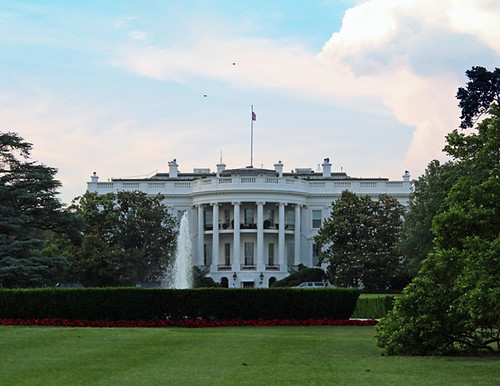
The Trump Xi summit trade truce reached at the White House this week extends an existing tariff ceasefire through January 10, 2027. It buys both governments more time to negotiate a broader deal rather than resolving the underlying dispute. The September 24-26 meeting was the third in-person encounter between the two leaders in under a year, and it produced an extension rather than a breakthrough.
What the Trump Xi summit trade truce covers
The original 11-month truce had been set to expire in November. According to Al Jazeera’s summit preview, the dispute traces back to Trump’s 10% duties on Chinese goods, imposed over fentanyl and immigration concerns, which China answered with levies on US coal, LNG, crude oil and autos, plus restrictions on rare-earth metal exports. Trump later added 12.5% tariffs on 60 trading partners, including China, over forced-labor allegations, widening the dispute beyond a purely bilateral fight.
Taiwan arms sales remain the sharpest edge

Taiwan was expected to come up prominently, and it did. The Trump administration approved an $11 billion arms package for Taiwan in December, with a second $14 billion package currently on hold. Trump has described the sales as “a very good negotiating chip,” language that signals Washington sees Taiwan-related leverage as a bargaining tool in the broader trade relationship rather than a fixed commitment.
AI competition adds a new front
Beyond trade and Taiwan, the two sides discussed what officials describe as “fierce competition” in artificial intelligence development. The US has proposed a new notification mechanism under which each government would alert the other to serious AI incidents that threaten national security. It is an early and narrow step toward managing AI risk between the two largest economies, not a comprehensive framework.
Iran hovered in the background
Given the US-Israel conflict with Iran, that issue was expected to feature prominently in the talks as well. China maintains close ties with Tehran, and some observers suggested Washington might look to Beijing for influence over Iran’s posture. Trump, however, has indicated he does not believe such intervention is necessary, suggesting the Iran track stayed separate from the trade and Taiwan discussions rather than becoming a bargaining chip itself.
Coverage from NPR described the two leaders striking a cordial public tone throughout the three days. Officials on both sides still acknowledged that underlying tensions on trade, technology and Taiwan remained largely where they started.
How markets read the outcome
Equity markets took the extension calmly rather than treating it as either a major relief or a fresh shock. That fits a summit that avoided both a collapse in talks and a comprehensive new agreement. Analysts covering US-China trade said the January deadline gives negotiators a defined runway. They cautioned that previous extensions this year had similarly kicked difficult decisions further down the calendar rather than resolving them.
Business groups on both sides of the Pacific welcomed the extension as preferable to a lapse in the truce. Even so, several trade associations noted that repeated short-term extensions make it harder for manufacturers and exporters to plan around a stable long-term tariff schedule.
The clock now running to January
The truce is now extended to January 10, 2027. That gives both governments roughly three and a half months to negotiate terms on tariffs, rare-earth exports and the still-pending second Taiwan arms package. Analysts following the relationship say the extension avoids an immediate escalation but leaves every major flashpoint, tariffs, Taiwan, and AI, unresolved heading into the new deadline.
More on US-China trade
Related coverage: the Federal Reserve’s latest rate decision, AMD’s trillion-dollar valuation, and Jensen Huang’s comments on AI regulation.
Summit FAQ: trade truce explained
How long does the new trade truce last?
It runs through January 10, 2027, extending the original 11-month ceasefire that had been due to expire in November.
What started the tariff dispute?
Trump’s 10% duties on Chinese goods over fentanyl and immigration concerns, which China answered with levies on US coal, LNG, crude oil and autos plus rare-earth export restrictions.
What is happening with Taiwan arms sales?
An $11 billion package was approved in December; a second $14 billion package remains on hold as Trump calls the sales a negotiating tool.
Did the summit address AI competition?
Yes. The two sides discussed a proposed notification mechanism to alert each other to serious AI incidents threatening national security.
Was Iran part of the summit agenda?
It was expected to come up given the US-Israel conflict with Iran and China’s ties to Tehran, though Trump indicated he sees no need for Chinese intervention.
Summit reporting sources
- Al Jazeera — Trump-Xi summit: Here’s what’s on the agenda, and why it matters. https://www.aljazeera.com/news/2026/9/24/trump-xi-summit-whats-on-the-agenda-why-it-matters
- NPR — Trump and Xi strike cordial tone at summit amid underlying tensions. https://www.npr.org/2026/09/24/g-s1-144806/trump-xi-summit
Verification your users actually receive.
Send one-time passcodes over WhatsApp with a single API call. Replio can generate, hash and verify the code for you.
