
Never lose a customer to a missed message
An AI agent trained on your own business, replying in seconds, in any language, on every channel your customers already use.
One of the world’s busiest shipping chokepoints has changed hands. The
Bab el-Mandeb takeover finished on Friday 12 September 2026, when Houthi fighters reached
Perim Island after Yemeni government forces withdrew. The rocky island splits the narrowest part of the
strait into two shipping lanes. Holding it, together with the Red Sea coastline and the Hanish Islands,
gives the group physical control of the gateway between the Red Sea and the Indian Ocean.
Points covered
What the Bab el-Mandeb takeover actually changed
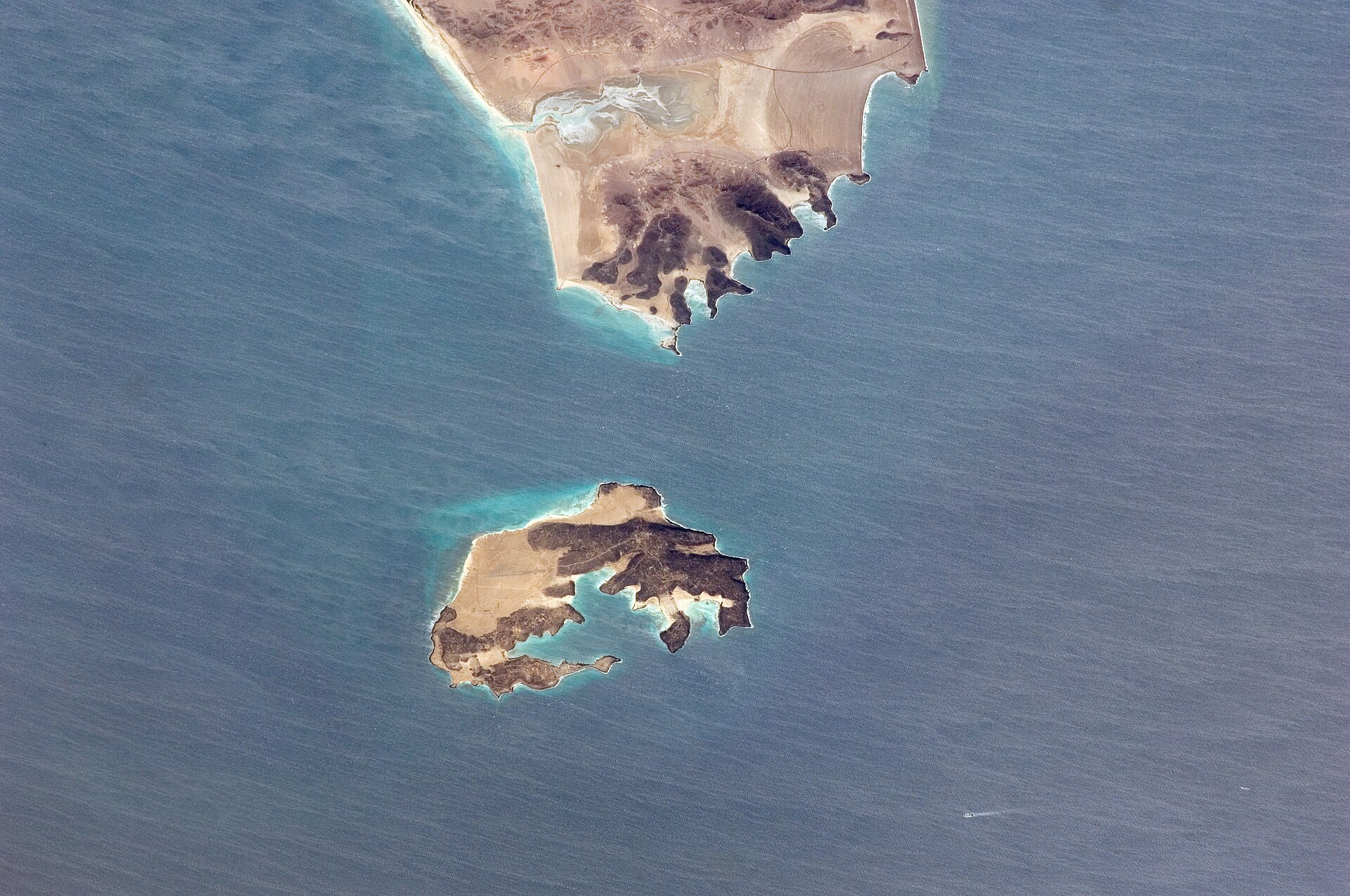
Perim, also called Mayyun, is a volcanic island of a few dozen square kilometres. Its value is position,
not size. It sits inside the strait and divides the passage into two channels.
Before last week, Houthi forces could reach shipping from the Yemeni mainland. Now they sit on both sides
of the traffic and in the middle of it. Al Jazeera reported that the group holds Yemen’s entire Red Sea
coastline alongside Perim and the Hanish Islands.
Houthi military spokesman Yahya Saree said maritime navigation remains safe for all companies except
Saudi ships. The group had already banned those. That is a statement of intent from an interested party, not
a guarantee. Shipowners will price it accordingly.
The capture came without a fight. Yemeni government forces withdrew, and the island changed hands. That
detail matters for anyone assessing how durable the position is. Ground taken without combat can be lost the
same way.
Why this strait carries so much weight
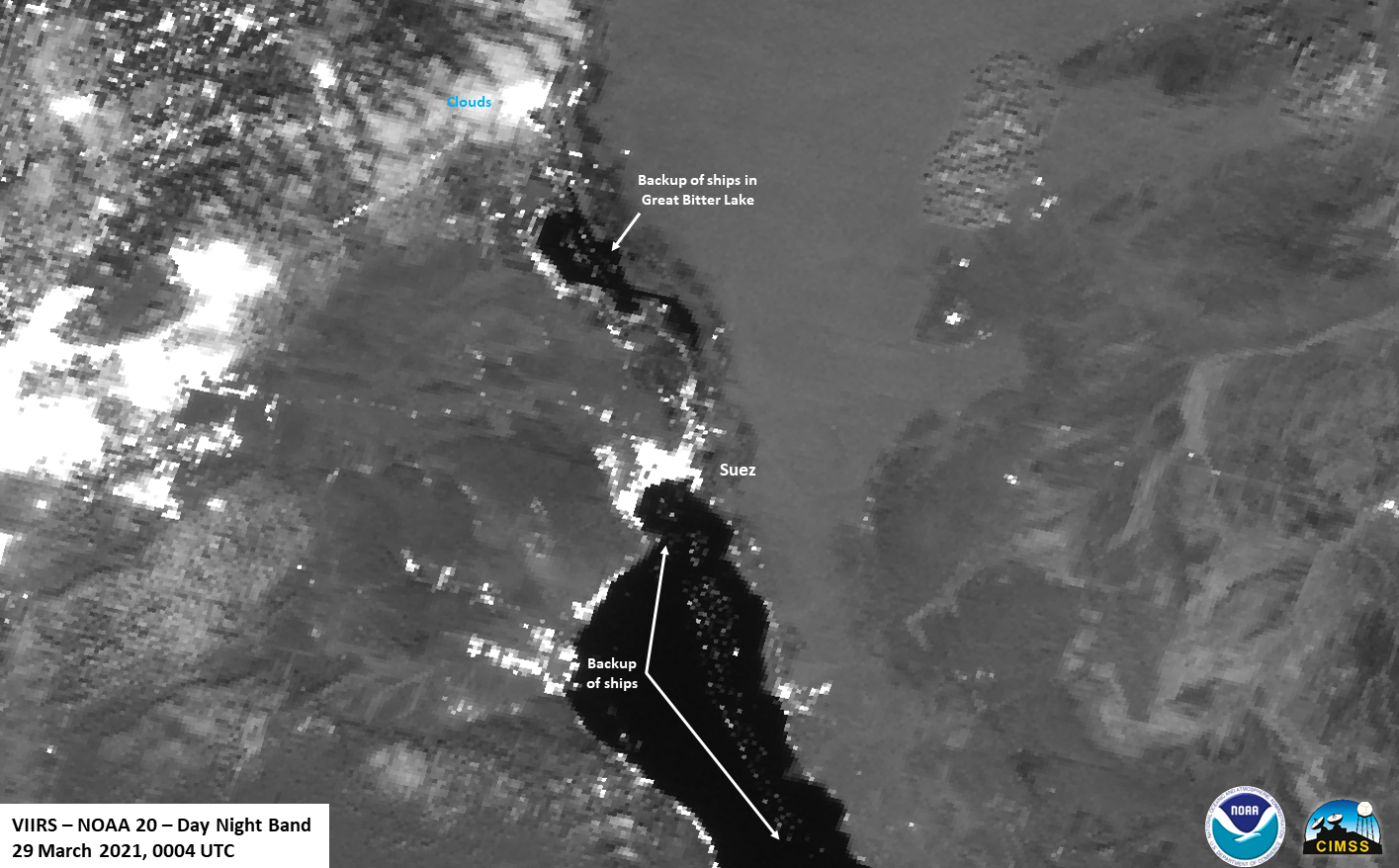
Bab el-Mandeb connects the Red Sea to the Gulf of Aden and the Indian Ocean. Everything moving between
Asia and Europe through the Suez Canal passes it first. By Al Jazeera’s accounting the strait handles close
to 10 per cent of global trade and roughly 5 to 7 per cent of seaborne oil.
The alternative is the Cape of Good Hope. That route adds roughly ten to fourteen days on an Asia-Europe
voyage, plus the fuel to cover it. Carriers absorb some of that. They pass on the rest through surcharges.
Insurance is the faster-moving cost. War-risk premiums reprice within days of a change in control. They
reprice again after any incident. Owners often feel the insurance line before the freight line.
Schedules take the strain next. A longer route ties up more ships to run the same weekly service. Vessels
that are at sea cannot load elsewhere. Capacity tightens across unrelated trades, and rates rise on routes
that never touch the Red Sea.
Who feels the Bab el-Mandeb takeover first
Egypt feels it early. Suez Canal transit fees are a significant source of foreign currency, and traffic
that diverts around Africa never reaches the canal.
Saudi Arabia faces a narrower problem. With Saudi-linked vessels named as excluded, exports routed
through the Red Sea carry a specific risk that other flags do not. That follows the pressure already visible
after the shutdown of the
East-West pipeline. The advance began further north, as our report on
the capture of Mocha
set out four days earlier.
East African economies sit in a different position again. Djibouti and Eritrea face the strait directly.
Port revenue, transhipment volumes and regional bunkering all depend on traffic that now passes a contested
gate.
Importers further along the chain feel it last and least precisely. A consumer-goods buyer in Europe sees
a longer lead time and a higher landed cost. There is no single line item to point to. Our earlier
reports on the oil price shock hitting
Asian economies and the
displacement crisis inside Yemen trace the two ends of the same conflict.
The next test for Red Sea shipping
Three signals will show whether the situation settles or deteriorates. Watch transit counts published by
the Suez Canal Authority, because diversion shows up there before it shows up in retail prices. Watch
war-risk premium quotes, which move faster than official statements. And watch whether the stated exemption
for non-Saudi shipping holds in practice over the coming weeks.
Naval escort arrangements are the other variable. Any expansion or withdrawal of escort operations would
change the calculation for owners deciding between the strait and the Cape.
Questions about the strait
Where is Bab el-Mandeb?
It is the strait between Yemen and Djibouti and Eritrea, linking the Red Sea to the Gulf of Aden and the Indian Ocean.
What is Perim Island?
A small volcanic island, also called Mayyun, that sits inside the strait and divides its narrowest part into two shipping lanes.
Is shipping through the strait now blocked?
No. Houthi spokesman Yahya Saree said navigation is safe for all companies except Saudi ships. That is the group’s own statement.
How much trade passes through?
Al Jazeera puts it near 10 per cent of global trade and roughly 5 to 7 per cent of seaborne oil shipments.
What is the alternative route?
Around the Cape of Good Hope, which adds roughly ten to fourteen days to an Asia-Europe voyage plus the extra fuel.
Where this reporting comes from
- NPR — Yemen’s Houthis capture a Red Sea island in threat to shipping. https://www.npr.org/2026/09/12/g-s1-143044/yemens-houthis-capture-red-sea-island
- Al Jazeera — Red Sea nations watch as Houthis seize Bab al-Mandeb strait. https://www.aljazeera.com/economy/2026/9/13/red-sea-nations-watch-as-houthis-seize-bab-al-mandeb-strait
- Euronews — Houthis seize Yemeni island in Bab el-Mandeb, taking control of the strait. https://www.euronews.com/2026/09/12/houthis-seize-yemeni-island-in-bab-el-mandeb-taking-control-of-the-strait
- NBC News — Houthis capture Yemen’s Red Sea coastline on the Bab el-Mandeb Strait. https://www.nbcnews.com/world/middle-east/houthis-control-bab-el-mandeb-yemen-red-sea-saudi-iran-war-oil-rcna597186
Verification your users actually receive.
Send one-time passcodes over WhatsApp with a single API call. Replio can generate, hash and verify the code for you.