
Never lose a customer to a missed message
An AI agent trained on your own business, replying in seconds, in any language, on every channel your customers already use.
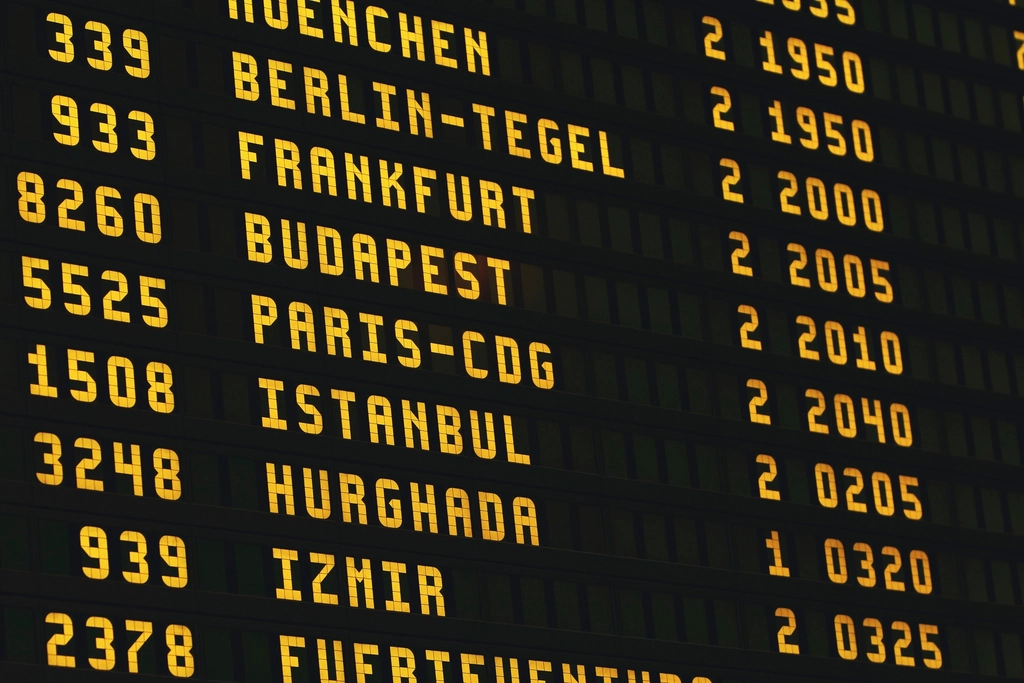
Air travelers across the United States are living through a US flight delays surge this September. On September 16, 2026, flight-tracking data showed more than 868 delays and at least 45 cancellations nationwide, according to FlightAware-based figures reported that day. Two days later, the FAA’s daily air traffic report flagged thunderstorms, low clouds and gusty winds from Atlanta to San Francisco. The pattern keeps repeating. Rough weather meets a stretched air traffic system, and delays spread fast.
Inside the US Flight Delays Surge: What the Numbers Show
The September 16 snapshot came from FlightAware’s public disruption tracker. Travel-industry reporting cited it that same day. It counted more than 868 delayed flights. It also logged 45 cancellations tied to the US airspace system. The cancellation count stayed modest next to total daily operations. The delays did more damage. They forced missed connections. They also strained crew schedules and left aircraft stuck in the wrong city overnight.
Four days earlier, on September 12, a separate count told a bigger story. It put that day’s toll at 2,919 delays and 118 cancellations across 25 US airports, according to travel-news reporting from that date. The exact totals move day to day. The underlying pattern does not. Weather and traffic-flow limits at a small group of hubs ripple through the whole national schedule.
Why Weather Keeps Grounding Flights at Major Hubs
The FAA’s daily air traffic report for Friday, September 18, 2026 named five thunderstorm risk cities: Atlanta, Charlotte, Denver, Fort Lauderdale and Miami. Low clouds threatened Boston, San Francisco, San Diego and the New York airports. Las Vegas faced gusty wind. None of these conditions are unusual for September. What makes them costly is timing. Several regions hit turbulence at once. That leaves airlines less room to reroute traffic around the trouble.
Miami and Fort Lauderdale carried extra risk on September 18. The National Weather Service put the chance of rain at Miami International at 70 percent that afternoon. The FAA flagged a possible ground stop for South Florida, according to its own planning advisory that day. San Francisco and San Diego dealt with low cloud ceilings too. Both airports also have ongoing runway and taxiway construction. The FAA says that combination reduces operational flexibility.
Dallas/Fort Worth added a delay of its own. A Ground Delay Program ran there on September 18 because of runway construction, not weather. That is a useful reminder. Not every delay traces back to storms.
Air Traffic Control Strain Adds to the Flight Disruption
Weather explains a large share of September’s delays. It does not explain all of it. The FAA’s national airspace status system listed a ground delay program at Nashville International on September 18. It attributed the delay directly to controller staffing. Average delays ran close to 46 minutes that evening, per FAA airport-status data reported that day. Seattle-Tacoma and San Diego carried similar ground delay programs on September 16, according to FAA status pages cited in flight-tracking coverage from that date.
The staffing gap behind these programs is not new. It is not small either. The FAA employed close to 10,800 fully certified controllers as of June 2026. Its internal target sits near 13,800, according to reporting reviewed that month. The agency has stepped up hiring. Training a controller still takes years, so the shortfall carries into this fall’s peak travel season. It has already forced the FAA to cap flights at Chicago O’Hare through October 24, and to extend flight cuts at Newark through late October.
Technology adds a second layer of strain. Official records reviewed through September 18, 2026 show at least 28 significant air traffic control technology disruptions worldwide this year. Several involved US facilities. Jacksonville Center suffered a communications outage in January. An equipment and communications failure triggered ground stops at Dallas/Fort Worth and Dallas Love Field in April. A New York Center communications outage in June set off a separate FAA alert. No single incident caused September’s numbers by itself. Together, they show a system with less spare capacity than travelers might assume.
How Travelers Can Protect Their Trips During the Delays
A few practical habits cut the risk of getting stranded during a disruption spike like this one.
- Check the operating airline’s app first. Airlines usually post rebooking options there before phone lines or airport counters catch up.
- Cross-check flight status with a public tracker. FlightAware’s disruption map shows whether a problem is local or systemwide.
- Watch the FAA’s national airspace status page. It lists active ground stops and Ground Delay Programs by airport.
- Build extra time into connections through the hubs named in the FAA’s daily report. That means Atlanta, Miami, Fort Lauderdale, Denver and the Bay Area airports especially.
- Ask about an earlier flight if your app allows a same-day change. Earlier departures usually recover faster than late-day flights caught in a cascading delay.
- Keep receipts for meals, hotels and other costs. Documentation speeds up reimbursement requests and travel insurance claims.
What Happens Next as US Flight Delays Persist
The Department of Transportation runs an airline customer-service dashboard tracking what carriers promise during controllable delays and cancellations. It covers airlines representing about 96 percent of domestic scheduled passenger traffic, according to DOT data cited in reporting from September 18, 2026. Weather and air-traffic constraints sit outside airlines’ direct control, so voluntary commitments narrow when storms or staffing cause the delay. Refund rights are simpler. If an airline cancels a flight and a passenger declines the rebooking, US rules entitle that passenger to a refund regardless of the reason. A domestic arrival three hours or more late can also count as a significant change that opens refund options.
On staffing, the FAA’s own workforce plan sets clear hiring targets. It projects roughly 2,200 new controllers in fiscal 2026. It plans for 2,300 more in fiscal 2027 and 2,400 in fiscal 2028. Fiscal 2025 ended with the highest trainee intake since 2008. That pipeline will not fix this month’s delay boards. It does suggest the current staffing-driven ground delay programs will persist. Airports such as Nashville, Newark and the Southern California hubs are unlikely to see relief before 2027 at the earliest. Travelers flying through the busiest US airspace this fall should plan around continued disruption risk rather than a quick fix.
Frequently Asked Questions About the US Flight Delays Surge
What is driving the US flight delays surge in September 2026?
Severe weather is hitting multiple hubs at once. Staffing shortages and lingering technology problems add to the strain. FAA daily reports name thunderstorms and low clouds as the immediate trigger most days.
How many flights were delayed on September 16, 2026?
FlightAware-based tracking counted more than 868 delayed flights that day, plus 45 cancellations. Totals like this change hour by hour and should not be read as a fixed figure for other dates.
Which US airports are most affected right now?
Coverage through September 18, 2026 names Atlanta, Charlotte, Denver, Fort Lauderdale and Miami as thunderstorm risks. Boston, San Francisco, San Diego, New York and Las Vegas face weather delays. Nashville, Newark and Southern California face separate staffing programs.
Is the air traffic controller shortage really a factor?
Yes. As of June 2026, the FAA employed close to 10,800 fully certified controllers against an internal target near 13,800. Staffing-related delay programs have already hit Nashville this month.
What should I do if my flight gets delayed or canceled?
Check the airline’s app right away and compare it against a public flight tracker. If the airline cancels the flight and you decline the new option, you can claim a refund under US rules.
Will the US flight delays surge ease before the end of 2026?
Not quickly. The FAA’s hiring plan does not add meaningful controller capacity until 2027. Flight caps at Chicago O’Hare and Newark already run into late October 2026.
Related Coverage
- How a software defect grounded thousands of UK flights this year
- Why rising fuel costs are already pushing airfares higher
- How a separate strike disrupted flights during school holidays
Sources
- Federal Aviation Administration — Daily Air Traffic Report. https://www.faa.gov/newsroom/faa-daily-air-traffic-report
- Federal Aviation Administration — National Airspace System Status. https://nasstatus.faa.gov/
- The Traveler — 868 Flights Delayed, 45 Canceled, September 16, 2026. https://www.thetraveler.org/over-868-flights-delayed-45-canceled-amid-u-s-travel-disruptions/
- Travel And Tour World — Miami Joins Chicago Facing Flight Delay Risks, September 18, 2026. https://www.travelandtourworld.com/news/article/78nspo66quuo/
- Travel And Tour World — ATC Technology Failures Trigger Global Disruptions, September 19, 2026. https://www.travelandtourworld.com/news/article/ddm026na31fs/
- FlightAware — Misery Map, live flight disruption tracker. https://www.flightaware.com/miserymap/
Verification your users actually receive.
Send one-time passcodes over WhatsApp with a single API call. Replio can generate, hash and verify the code for you.
