A Rare September Storm Just Grounded Hundreds of East Coast Flights

A rare late-September storm system brought widespread nor’easter flight disruptions to the US Northeast from September 25 through the weekend. American, JetBlue, United, Delta and Southwest all issued travel waivers across dozens of airports, from Virginia to Maine. By Friday afternoon, roughly 600 flights were delayed at LaGuardia alone. Heavy rain and wind gusts up to 44 mph moved through Boston and New York at the same time.

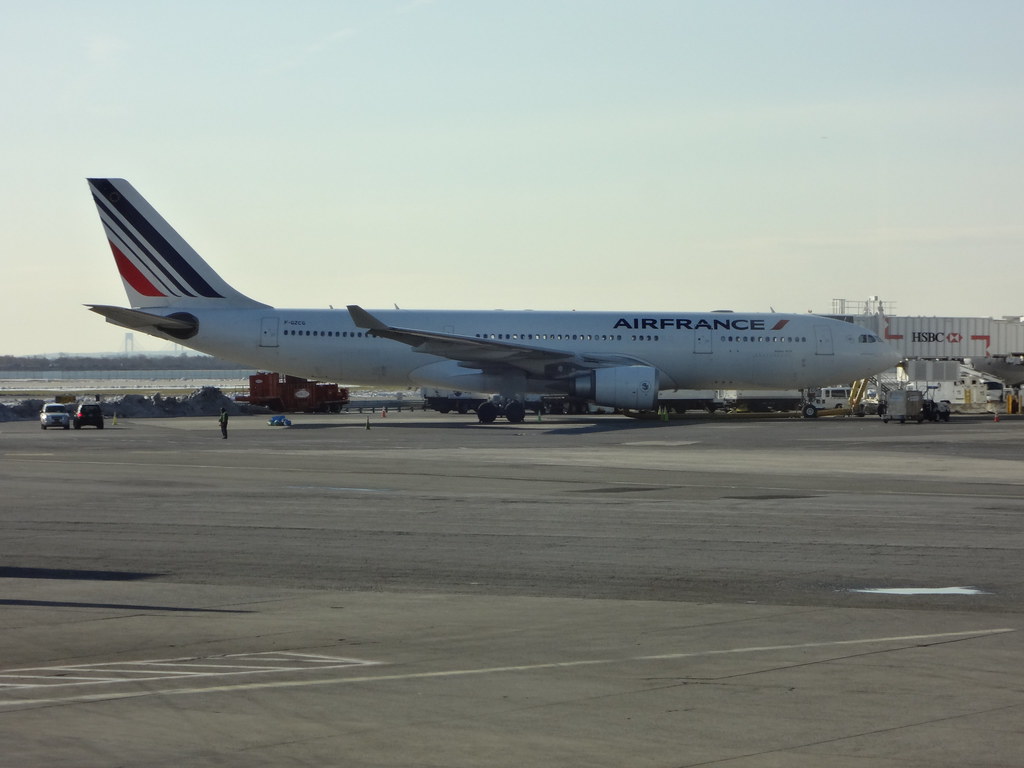
Nor'easter flight disruptions left aircraft waiting on rain-soaked tarmac

How widespread the nor’easter flight disruptions became

Each major US carrier covered a different slice of the affected region. American Airlines issued waivers across 16 airports stretching from Virginia to Maine. JetBlue covered 11 airports concentrated in the Mid-Atlantic and New England. United applied waivers to 10 Northeast airports, and Delta and Southwest each covered seven airports from New York to Maine. That overlapping coverage meant travelers passing through nearly any major Northeast hub faced some risk of delay or cancellation. The storm’s disruption ran for days.

Why this storm caught attention

Nor’easters typically peak in the colder months. That makes a storm severe enough to ground hundreds of flights in late September notable on its own. Sustained winds reached 40 to 44 mph in the Boston and New York City areas, combined with heavy rain bands. Those conditions force air traffic controllers to slow arrival and departure rates well below normal capacity. That slowdown produces cascading delays, even at airports that never lose full operational capability.

What travelers were told to do

“Anyone with travel plans from or into the East Coast needs to ask themselves what their tolerance for delays and potential cancellations is,” said Katy Nastro of the flight-tracking service Flighty. Her comment captured the practical advice airlines and travel-industry voices repeated throughout the storm. Airlines’ own guidance echoed that caution. Check flight status well before heading to the airport. Rely on airline apps or independent trackers like FlightAware for real-time updates, and use fee-free rebooking waivers to shift travel earlier when possible. Travelers were also told to avoid booking late-afternoon flights, since afternoon departures accumulate the delays that build up earlier in the day.

A second disruption for the same region this month

This is not the only recent stretch of trouble for Northeast air travel. Earlier in September, a separate air-traffic-control equipment transition caused delays into Boston, Newark and Philadelphia. That disruption stemmed from a technology changeover rather than weather. The back-to-back disruptions, one technical and one meteorological, underline how little slack the Northeast’s congested airspace has. It cannot easily absorb an interruption, whether from equipment, weather or staffing.

What happens as the storm clears

Airlines typically need one to two additional days beyond a storm’s departure to fully clear the backlog of delayed aircraft and crews. Planes and pilots end up out of position relative to their normal schedules. Travelers with trips planned into the following week should still monitor their flight status even after the weather has passed. Recovery delays can linger after the rain and wind move out of the region. That recovery typically unfolds unevenly, from Virginia to Maine. Larger hub airports generally restore normal schedules faster than smaller regional airports. Those smaller airports depend on connecting traffic from the hubs to get aircraft and crews back into position.

Frequently asked questions

Which airlines issued waivers for the nor’easter flight disruptions?

American Airlines, JetBlue, United, Delta and Southwest all issued weather waivers covering airports across the Northeast.

How many airports were affected?

American covered 16 airports from Virginia to Maine, JetBlue 11 and United 10. Delta and Southwest each covered seven airports from New York to Maine.

How bad were the delays at the storm’s peak?

Roughly 600 flights were delayed at LaGuardia alone by Friday afternoon. Wind gusts up to 44 mph were reported in the Boston and New York areas.

What should travelers do during a storm like this?

Check flight status before leaving for the airport, use airline apps or trackers like FlightAware, take advantage of fee-free rebooking waivers, and avoid late-afternoon flights when possible.

Is this related to the earlier September flight delays into Boston and Newark?

No. That earlier disruption was caused by an air-traffic-control equipment transition, while this nor’easter’s delays were driven by weather.

Why late-September nor’easters are unusual

Nor’easters get their name from the northeasterly winds that blow onshore ahead of the storm. They draw their strength from a temperature contrast: cold air moving south from Canada meets still-warm ocean water off the US East Coast. That contrast is normally sharpest in the late autumn and winter months. That is why a system powerful enough to ground hundreds of flights, with wind gusts near 44 mph, stood out as notable this early in the season. Meteorologists tracking the storm noted that similar ocean-temperature and jet-stream conditions could make early, intense nor’easters more common in the years ahead. Attributing any single storm to a longer-term pattern, though, requires more data than one event provides.

More on this month’s travel disruptions

For more on this month’s travel disruptions, see our reporting on the earlier air-traffic-control delays into Boston, Newark and Philadelphia and Hurricane Nolo’s disruption of Hawaii flights.

Sources

868 Delays in a Day: What’s Fueling the US Flight Delays Surge

Air travelers across the United States are living through a US flight delays surge this September. On September 16, 2026, flight-tracking data showed more than 868 delays and at least 45 cancellations nationwide, according to FlightAware-based figures reported that day. Two days later, the FAA’s daily air traffic report flagged thunderstorms, low clouds and gusty winds from Atlanta to San Francisco. The pattern keeps repeating. Rough weather meets a stretched air traffic system, and delays spread fast.

Inside the US Flight Delays Surge: What the Numbers Show

The September 16 snapshot came from FlightAware’s public disruption tracker. Travel-industry reporting cited it that same day. It counted more than 868 delayed flights. It also logged 45 cancellations tied to the US airspace system. The cancellation count stayed modest next to total daily operations. The delays did more damage. They forced missed connections. They also strained crew schedules and left aircraft stuck in the wrong city overnight.

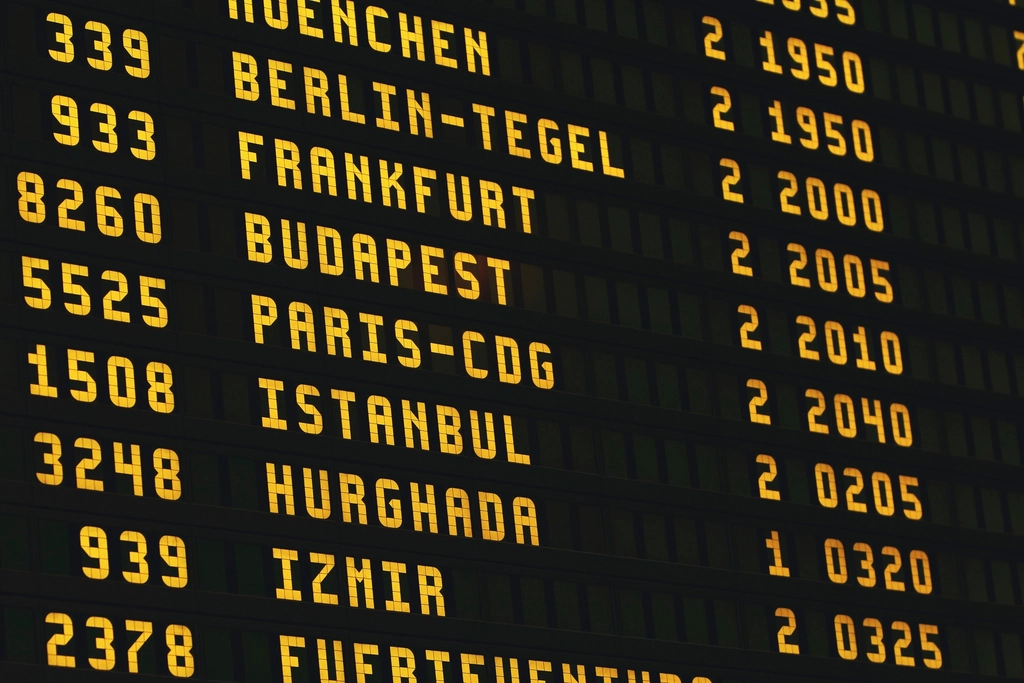
US flight delays surge: passengers waiting near an airport departure gate

Four days earlier, on September 12, a separate count told a bigger story. It put that day’s toll at 2,919 delays and 118 cancellations across 25 US airports, according to travel-news reporting from that date. The exact totals move day to day. The underlying pattern does not. Weather and traffic-flow limits at a small group of hubs ripple through the whole national schedule.

Why Weather Keeps Grounding Flights at Major Hubs

The FAA’s daily air traffic report for Friday, September 18, 2026 named five thunderstorm risk cities: Atlanta, Charlotte, Denver, Fort Lauderdale and Miami. Low clouds threatened Boston, San Francisco, San Diego and the New York airports. Las Vegas faced gusty wind. None of these conditions are unusual for September. What makes them costly is timing. Several regions hit turbulence at once. That leaves airlines less room to reroute traffic around the trouble.

Miami and Fort Lauderdale carried extra risk on September 18. The National Weather Service put the chance of rain at Miami International at 70 percent that afternoon. The FAA flagged a possible ground stop for South Florida, according to its own planning advisory that day. San Francisco and San Diego dealt with low cloud ceilings too. Both airports also have ongoing runway and taxiway construction. The FAA says that combination reduces operational flexibility.

Dallas/Fort Worth added a delay of its own. A Ground Delay Program ran there on September 18 because of runway construction, not weather. That is a useful reminder. Not every delay traces back to storms.

Air Traffic Control Strain Adds to the Flight Disruption

Weather explains a large share of September’s delays. It does not explain all of it. The FAA’s national airspace status system listed a ground delay program at Nashville International on September 18. It attributed the delay directly to controller staffing. Average delays ran close to 46 minutes that evening, per FAA airport-status data reported that day. Seattle-Tacoma and San Diego carried similar ground delay programs on September 16, according to FAA status pages cited in flight-tracking coverage from that date.

The staffing gap behind these programs is not new. It is not small either. The FAA employed close to 10,800 fully certified controllers as of June 2026. Its internal target sits near 13,800, according to reporting reviewed that month. The agency has stepped up hiring. Training a controller still takes years, so the shortfall carries into this fall’s peak travel season. It has already forced the FAA to cap flights at Chicago O’Hare through October 24, and to extend flight cuts at Newark through late October.

Technology adds a second layer of strain. Official records reviewed through September 18, 2026 show at least 28 significant air traffic control technology disruptions worldwide this year. Several involved US facilities. Jacksonville Center suffered a communications outage in January. An equipment and communications failure triggered ground stops at Dallas/Fort Worth and Dallas Love Field in April. A New York Center communications outage in June set off a separate FAA alert. No single incident caused September’s numbers by itself. Together, they show a system with less spare capacity than travelers might assume.

How Travelers Can Protect Their Trips During the Delays

A few practical habits cut the risk of getting stranded during a disruption spike like this one.

  • Check the operating airline’s app first. Airlines usually post rebooking options there before phone lines or airport counters catch up.
  • Cross-check flight status with a public tracker. FlightAware’s disruption map shows whether a problem is local or systemwide.
  • Watch the FAA’s national airspace status page. It lists active ground stops and Ground Delay Programs by airport.
  • Build extra time into connections through the hubs named in the FAA’s daily report. That means Atlanta, Miami, Fort Lauderdale, Denver and the Bay Area airports especially.
  • Ask about an earlier flight if your app allows a same-day change. Earlier departures usually recover faster than late-day flights caught in a cascading delay.
  • Keep receipts for meals, hotels and other costs. Documentation speeds up reimbursement requests and travel insurance claims.

What Happens Next as US Flight Delays Persist

The Department of Transportation runs an airline customer-service dashboard tracking what carriers promise during controllable delays and cancellations. It covers airlines representing about 96 percent of domestic scheduled passenger traffic, according to DOT data cited in reporting from September 18, 2026. Weather and air-traffic constraints sit outside airlines’ direct control, so voluntary commitments narrow when storms or staffing cause the delay. Refund rights are simpler. If an airline cancels a flight and a passenger declines the rebooking, US rules entitle that passenger to a refund regardless of the reason. A domestic arrival three hours or more late can also count as a significant change that opens refund options.

On staffing, the FAA’s own workforce plan sets clear hiring targets. It projects roughly 2,200 new controllers in fiscal 2026. It plans for 2,300 more in fiscal 2027 and 2,400 in fiscal 2028. Fiscal 2025 ended with the highest trainee intake since 2008. That pipeline will not fix this month’s delay boards. It does suggest the current staffing-driven ground delay programs will persist. Airports such as Nashville, Newark and the Southern California hubs are unlikely to see relief before 2027 at the earliest. Travelers flying through the busiest US airspace this fall should plan around continued disruption risk rather than a quick fix.

Frequently Asked Questions About the US Flight Delays Surge

What is driving the US flight delays surge in September 2026?
Severe weather is hitting multiple hubs at once. Staffing shortages and lingering technology problems add to the strain. FAA daily reports name thunderstorms and low clouds as the immediate trigger most days.

How many flights were delayed on September 16, 2026?
FlightAware-based tracking counted more than 868 delayed flights that day, plus 45 cancellations. Totals like this change hour by hour and should not be read as a fixed figure for other dates.

Which US airports are most affected right now?
Coverage through September 18, 2026 names Atlanta, Charlotte, Denver, Fort Lauderdale and Miami as thunderstorm risks. Boston, San Francisco, San Diego, New York and Las Vegas face weather delays. Nashville, Newark and Southern California face separate staffing programs.

Is the air traffic controller shortage really a factor?
Yes. As of June 2026, the FAA employed close to 10,800 fully certified controllers against an internal target near 13,800. Staffing-related delay programs have already hit Nashville this month.

What should I do if my flight gets delayed or canceled?
Check the airline’s app right away and compare it against a public flight tracker. If the airline cancels the flight and you decline the new option, you can claim a refund under US rules.

Will the US flight delays surge ease before the end of 2026?
Not quickly. The FAA’s hiring plan does not add meaningful controller capacity until 2027. Flight caps at Chicago O’Hare and Newark already run into late October 2026.

Related Coverage

Sources

Doha’s Entire Metro Network Costs Just QAR 6 a Day — Here’s the Catch

Doha Metro fares top out at QAR 6 a day. That’s true no matter how many times you tap in. It makes Qatar’s driverless rail network one of the cheapest ways to get around the capital. But the ticketing system has more moving parts than that headline number suggests. There are three carriage classes, two card types, and three lines that don’t all go where visitors expect. Here’s what actually happens at the gate.

How Doha Metro fares break down by class

Every station sells the same basic ticket in three flavours: Standard, Family and Goldclub. Doha Metro fares for Standard and Family carriages cost QAR 2 per journey. The system caps a full day of standard travel at QAR 6, no matter how many trips you take. Goldclub carriages cost more. A Goldclub journey runs QAR 10, capped at QAR 30 a day. The Goldclub card itself costs QAR 100. A Standard card costs QAR 10. Both card prices sit on top of the per-ride fares above. Riders load either card at station vending machines or licensed retailers before boarding. Qatar Rail runs a strict tap-in, tap-out system. There is no cash payment on the platform.

Interior of a Gold Class carriage covered by higher Doha Metro fares
Photo: Zairon / Wikimedia Commons, CC BY 4.0

Doha Metro travel cards and passes explained

A Standard card works for both Standard and Family carriages. It just doesn’t unlock the Goldclub option. That needs its own card, sold only at Goldclub desks inside stations. Frequent riders can skip the per-trip fare altogether. A weekly pass costs QAR 40. A 30-day pass costs QAR 120. An annual pass costs QAR 990. All three cover the metro and the connected Lusail tram. Cards top up at platform vending machines, through the Qatar Rail app, or online at the operator’s top-up page. Children under five ride free. From age five, they pay the same fare as an adult.

The three Doha Metro lines and where they go

Qatar Rail runs three lines across 37 stations. Together they cover roughly 76 kilometres of track. The Red Line is the longest, and it matters most for arrivals. It runs 40 kilometres from Al Wakra in the south to Lusail in the north. It also connects Hamad International Airport directly to the city centre. The Green Line runs from Al Mansoura in the east to Al Riffa’s Mall of Qatar in the west. It passes Education City, Hamad Hospital and the Qatar National Library. The Gold Line links Ras Bu Aboud to Al Aziziyah. Stops include the Qatar National Museum, Souq Waqif and the Khalifa International Stadium precinct at Sport City. Msheireb station connects all three lines. Al Bidda links only the Red and Green lines.

Getting through the Doha Metro gate without guesswork

Every gate needs a tap in and a tap out. That’s true even on a flat-fare day when the cost won’t change again. Skip the tap-out, and the system charges the maximum fare for that class on exit. Qatar Rail’s own advice is to check its app for exact daily hours. Hours shift around Friday prayers, Ramadan and major events. One thing stays fixed on every current schedule: a shortened Friday morning, with services starting only in the early afternoon after prayers.

Getting to the station is part of the cost equation too. Free Metrolink buses feed several outlying stations that sit beyond walking distance. Qatar Rail’s own metroexpress ride-share service covers the last mile for others. Both plug into the same ticketing system, and neither one changes the daily fare cap described above.

What happens next for Doha’s transport network

Qatar Rail has confirmed plans for a fourth line. Roughly 60 additional stations are planned, though no firm opening date has been published yet. Until then, the existing network already covers most of what a visitor or new resident needs, from the airport corridor to the museums along the Gold Line. The metro is also just one piece of a broader shakeup in how people move around the capital, alongside the ride-hailing apps Qatar licensed this year. Weighing the metro against Karwa’s metered taxi fares, or the door-to-door options from Hamad International Airport, shows why so many residents default to a Standard card for daily trips. Taxis stay the backup for late-night runs after the metro closes.

Doha Metro fares FAQ

How much are Doha Metro fares for a single ride?
Standard and Family class cost QAR 2 per journey, capped at QAR 6 for unlimited rides in one day.

What’s the difference between the Standard and Goldclub card?
The Standard card covers Standard and Family carriages at QAR 2 a ride. The Goldclub card unlocks the premium carriage at QAR 10 a ride. It costs QAR 100 to buy, against QAR 10 for a Standard card.

Do children pay Doha Metro fares?
Children under five travel free. From age five, they pay the same fare as an adult.

Which line goes to Hamad International Airport?
The Red Line connects the airport to the city centre and continues north to Lusail.

Are there weekly or monthly passes?
Yes. A weekly pass costs QAR 40, a 30-day pass costs QAR 120, and an annual pass costs QAR 990. All three cover the metro and the Lusail tram.

What happens if I forget to tap out?
The system charges the maximum fare for that class. Tapping out matters even on a day when the fare has already hit its cap.

Sources:

Qatar’s 7 Ride-Hailing Apps Are Hiring — But Not Directly

Seven ride-hailing companies now hold Ministry of Transport approval in Qatar, and each of them needs drivers. Yet most people who ask how to join start in the wrong place. Becoming a ride-hailing driver in Qatar does not begin with an app sign-up form. It begins with a licence category many residents have never heard of. It also needs a sponsoring company, which must exist before any platform opens your file. Here is the route, in the order the authorities actually check it.

What a ride-hailing driver in Qatar needs before applying

Five things gate the job. Your residence permit must list “Driver” as your profession. You need a public driving licence, not the ordinary private one. A licensed taxi, limousine or bus company must sponsor you. That company must already hold a registration with the platform you want to drive for. And the company, not you, holds the car’s registration.

Miss any one of them and the application stops. Platforms do not have discretion here, because the rules sit in Qatari traffic law rather than in company policy.

The public driving licence sits at the centre of everything

The Ministry of Interior issued a public reminder on 27 August 2026. Taxi, limousine and public bus drivers must hold a valid public driving licence for that vehicle category. The Ministry pointed to Articles 30, 31 and 32 of Traffic Law No. 19 of 2007.

Article 30 creates the public vehicle licence. It covers taxis, limousines, passenger transport vehicles and public transport buses. Article 31 sets the general conditions. Applicants must be at least 21 years old and medically fit. They must already hold a mechanical vehicle driving licence for two years. They must obtain a certificate of good conduct. They must show adequate knowledge of Qatar’s key facilities and geographical areas.

Article 31 also asks for two things that catch people out. The applicant must work in the profession full time. Where a limousine, taxi or bus operator applies, that company must sponsor the applicant. The profession printed on the residence permit must read “Driver”.

Article 32 adds further conditions for public licences. Applicants need a clean record on offences involving dishonesty and on driving under the influence. They must have held a valid driving licence for at least two years. Familiarity with important facilities and locations across Qatar comes up again here.

Why a sponsor company sits between the driver and the app

Platforms do not employ drivers directly in Qatar. A licensed limousine company does, and the platform contracts with that company. Uber’s own Qatar requirements page spells the arrangement out plainly.

Uber asks new applicants for a valid Qatari ID showing sponsorship under a limousine company. That company must already hold an Uber registration. It asks for a valid Qatari light vehicle driving licence. It asks for a valid vehicle registration held in the limousine company’s name. It also asks for a forward-facing driver profile photo. A scan of a licence or another printed picture will not do. Applicants then sign up online, upload the documents, sort out a vehicle and activate the account.

The practical consequence matters more than the paperwork. Your route into the job runs through a company. Finding a limousine operator that recruits, and that holds a registration with your platform, becomes the real first task.

The five checkpoints, in order

Chart of the five licensing checkpoints for becoming a ride-hailing driver in Qatar
The five checkpoints between an applicant and a first fare. Sources: Ministry of Interior and Ministry of Transport.

Which licensed operators are recruiting

The Ministry of Transport published its list of approved ride-hailing companies on 7 June 2026. It names Uber, badrgo, Aabir, Karwa, Ryde, EzGo and wer2 GO. The Ministry also stated that legal action follows for any ride-hailing company or vehicle operating outside the licensing rules.

Mowasalat, the state transport company, operates Karwa. Karwa runs metered taxis alongside its own app. Uber publishes a documented driver requirements page for Qatar. The remaining operators direct applicants through their own websites and apps rather than through a single public standard. Requirements differ by operator, so check the platform’s current published list before gathering documents.

One point applies to all seven equally. The public driving licence and the sponsorship rule come from the state, not the platform. No operator can waive either one.

What the law says about driving without the right licence

Article 29(1) of the traffic law is short. A person may not drive a motor vehicle unless they hold the licence category authorising that vehicle. Article 94 sets the penalty.

SituationPenalty under Article 94
First offenceImprisonment of one month to three years, or a fine of QR10,000 to QR50,000
Second or later offenceImprisonment of one week to three years, and a fine of QR20,000 to QR50,000
Either case, at the court’s discretionSuspension of the driving licence, or the vehicle licence and plates, for one to six months

Enforcement is active rather than theoretical. In April 2026 the Ministry of Transport said it had intensified inspection campaigns with the Ministry of Interior. Inspectors check operating licences across commercial and service areas. It recorded 32 violations in the first quarter of 2026.

Where an applicant realistically starts

Work backwards from the sponsor. Identify limousine companies that recruit and that already hold a registration with the platform you want. Ask whether your residence permit can list “Driver” as the profession. That change runs through your sponsor. Then move on to the public licence application, the good-conduct certificate and the medical check.

Budget time rather than money for the early stages. Two conditions are simply waiting periods. You need two years of holding a mechanical vehicle licence, and a clean record across that span.

Our roundup of the licensed ride-hailing apps in Qatar covers the passenger side of the same market. Our guide to Karwa taxi fares in Qatar sets out the published metered structure. And our comparison of routes from Hamad Airport to Doha shows where airport work sits on cost and time.

Ride-hailing driver in Qatar: common questions answered

Can I drive for Uber in Qatar using my own car?
No. Uber’s Qatar requirements state that the vehicle registration must be held in the name of the limousine company sponsoring you.

Does a tourist or visitor licence qualify?
No. Article 30 of Traffic Law No. 19 of 2007 requires a public driving licence for taxis, limousines and passenger transport vehicles.

How old do I have to be?
Article 31 sets a minimum age of 21. It also requires medical fitness and two years of licence-holding.

Which companies can I apply to?
The Ministry of Transport’s approved list, published in June 2026, covers Uber, badrgo, Aabir, Karwa, Ryde, EzGo and wer2 GO.

What does my residence permit have to say?
The licensing conditions require the profession on the residence permit to read “Driver”.

What happens if I drive without the public licence?
Article 94 allows one month to three years in prison, or a QR10,000 to QR50,000 fine, for a first offence. A court may also suspend the licence or the plates.

Sources

  • The Peninsula Qatar — Taxi, limousine and bus drivers must hold public driving license in Qatar, MoI says (27 August 2026). thepeninsulaqatar.com
  • The Peninsula Qatar — Ministry lists licensed ride-hailing companies in Qatar (7 June 2026). thepeninsulaqatar.com
  • Uber — Requirements for drivers in Qatar. uber.com
  • Gulf Times — Ministry of Transport reaffirms safety compliance for ride-hailing and limousine services (15 April 2026). gulf-times.com

Featured photograph: Diverging traffic on Onaiza St, Doha, by Michael Coghlan via Wikimedia Commons, licensed CC BY-SA 2.0.

Related Guides

Before You Land in Doha, Put These 10 Apps on Your Phone

Moving to Qatar for the first time means building a new phone home screen almost as soon as you land. These are the must-have apps in Qatar that actually earn a spot there. They cover government ID services, getting around, food and grocery delivery, banking, and one tool worth knowing about if you run a small business on the side.

None of these made the list on popularity alone. Each one solves a specific problem a newcomer hits in the first few weeks, from renewing a Qatar ID to finding a ride at 2am.

must-have apps in Qatar

The 10 must-have apps in Qatar, ranked by real use

Numbers below aren’t a strict ranking. They roughly follow the order most newcomers actually need each app, starting with government paperwork and ending with the one tool aimed at business owners rather than everyday errands.

1. Metrash — government and ID services

Metrash is Qatar’s Ministry of Interior app. It is genuinely non-optional for residents. The Ministry retired the older Metrash2 app on March 1, 2025. A rebuilt version replaced it, according to the Qatar Tribune. The new app covers more than 440 services after SIM verification on a Qatar number. That includes Qatar ID renewal, traffic fine payments, visa and exit permit management, address changes, and police clearance certificate requests. It also adds passport scanning for visa applications and a map of service center locations. Download it as soon as your Qatar ID is issued.

2. Hukoomi — the government’s single sign-on

Hukoomi is the national e-government portal. Its app extends one sign-on across more than 1,400 services from different ministries, per Hukoomi’s own service directory. Over 650 of those are fully personalized and transactional, not just informational. It also carries a public events calendar and an interactive map of government offices, banks and points of interest. Metrash covers Interior Ministry services specifically. Hukoomi is the wider net for everything else.

3. Ooredoo or Vodafone — get connected first

Qatar’s mobile market runs on two carriers. You will need one of their apps to manage your line from day one. Ooredoo’s prepaid plans generally offer longer validity periods and wider LTE coverage across the country. Vodafone tends to run slightly cheaper short-term data packs, concentrated in Doha, Pearl and West Bay, according to a comparison by Expatica. Both apps handle top-ups, data bundle changes and bill payment. Pick based on where you will actually live and work, not just price.

4. Ride-hailing: wer2 GO, Uber or Karwa

For getting around, most newcomers settle on wer2 GO, Uber or Karwa — three of the seven Ministry of Transport-licensed ride-hailing apps in Qatar. Which one fits best depends on coverage, pricing and payment options, so see our full ranking of all seven ride-hailing apps in Qatar rather than installing all of them at once.

5. wer2 — e-scooters for short hops

wer2 also runs Qatar’s e-scooter rental network. It’s a separate app from wer2 GO. The idea is simple. Open the app, find a scooter on the map, scan the QR code on the handlebar, and ride. It works well for short trips around the Corniche, Pearl or Lusail that don’t justify booking a full ride. Every scooter in the fleet is electric with zero tailpipe emissions.

6. Snoonu — the do-everything delivery app

Snoonu started as a food delivery app in 2019. It grew into what it calls Qatar’s first super app, according to Gulf Times. Alongside restaurant orders, it now handles grocery delivery through its own Snoomart branches and partner stores. It also covers laundry pickup, pharmacy runs, courier drops and event tickets, all in one app. If you only install one delivery app in your first week, this is the one that covers the most ground.

7. Talabat — the widest restaurant list

Talabat remains the largest food delivery platform in Qatar by restaurant count. It runs across fast food, cafes, bakeries and fine dining. It also carries its own Talabat Mart for groceries and pharmacy items. A loyalty tier called Talabat Pro adds free delivery on qualifying orders. Keep both Talabat and Snoonu installed. Restaurant availability and delivery times vary enough between the two that it’s worth checking both before you order.

8. Your bank’s mobile app — set up before or after arrival

Every major Qatari bank runs a full-service app. Several now let you start the account-opening process before you land. QNB’s digital onboarding, for example, lets you scan a passport and Qatar ID and submit proof of address. You can open a current account without a branch visit. You generally still need a Qatar ID in hand to finish, though. Whichever bank you choose, install the app early. Payroll, rent and most bill payments in Qatar run through mobile banking, not cheques.

9. Visit Qatar — for weekends, not just arrival week

The official Visit Qatar app is run by Qatar Tourism. It’s built for visitors, but it stays useful long after you’ve moved in. It carries an events calendar covering festivals, exhibitions and concerts. It also offers 360-degree previews of attractions like Souq Waqif and Katara Cultural Village, plus personalized itinerary planning with built-in directions. It’s a fast way to find out what’s actually happening in the country on any given weekend.

10. Replio — if you’re bringing a business with you

This one isn’t for everyday errands. It’s for the growing number of newcomers who arrive already running a shop, restaurant or freelance service on the side. Replio is an AI customer-support tool. It answers customer messages around the clock on WhatsApp, Instagram, Messenger, Telegram and a website chat widget. It logs complaints and escalates to a human when needed. For a small business owner juggling a move and a shop at once, it’s one way to stop missing customer messages while you’re buried in visa paperwork.

Frequently asked questions

Do I need a Qatari phone number to use these apps?

Some do. Metrash and most banking apps require SIM verification on a Qatar mobile number. Snoonu, Talabat and wer2 GO work with an international number during setup. A local SIM still makes OTP codes faster and cheaper.

Is Metrash2 still the right app to download?

No. The Ministry of Interior retired the old Metrash2 app on March 1, 2025. Download the newer Metrash app instead. It carries over the same Qatar ID and traffic-fine services under a rebuilt interface.

Which ride-hailing app should I download first?

wer2 GO, Uber and Karwa cover the most ground for newcomers. Qatar’s Ministry of Transport currently licenses seven ride-hailing operators in total. Our full ranking breaks down all seven by coverage and features.

Can I open a Qatar bank account before I land?

With some banks, yes. QNB’s digital onboarding lets you scan your passport and start a current account application from abroad. You still need a Qatar ID to complete it once you arrive.

What’s the difference between Snoonu and Talabat?

Talabat focuses on restaurant and grocery delivery with the widest restaurant list in Qatar. Snoonu is a broader super app. It adds laundry, pharmacy runs, courier drops and event tickets alongside food and groceries.

Do I really need Hukoomi if I already have Metrash?

Metrash handles Ministry of Interior services like ID and traffic fines. Hukoomi is broader. It’s the government’s single sign-on directory for over 1,400 services across multiple ministries, plus a public events calendar.

Related coverage on Tamara News

Sources