
Never lose a customer to a missed message
An AI agent trained on your own business, replying in seconds, in any language, on every channel your customers already use.
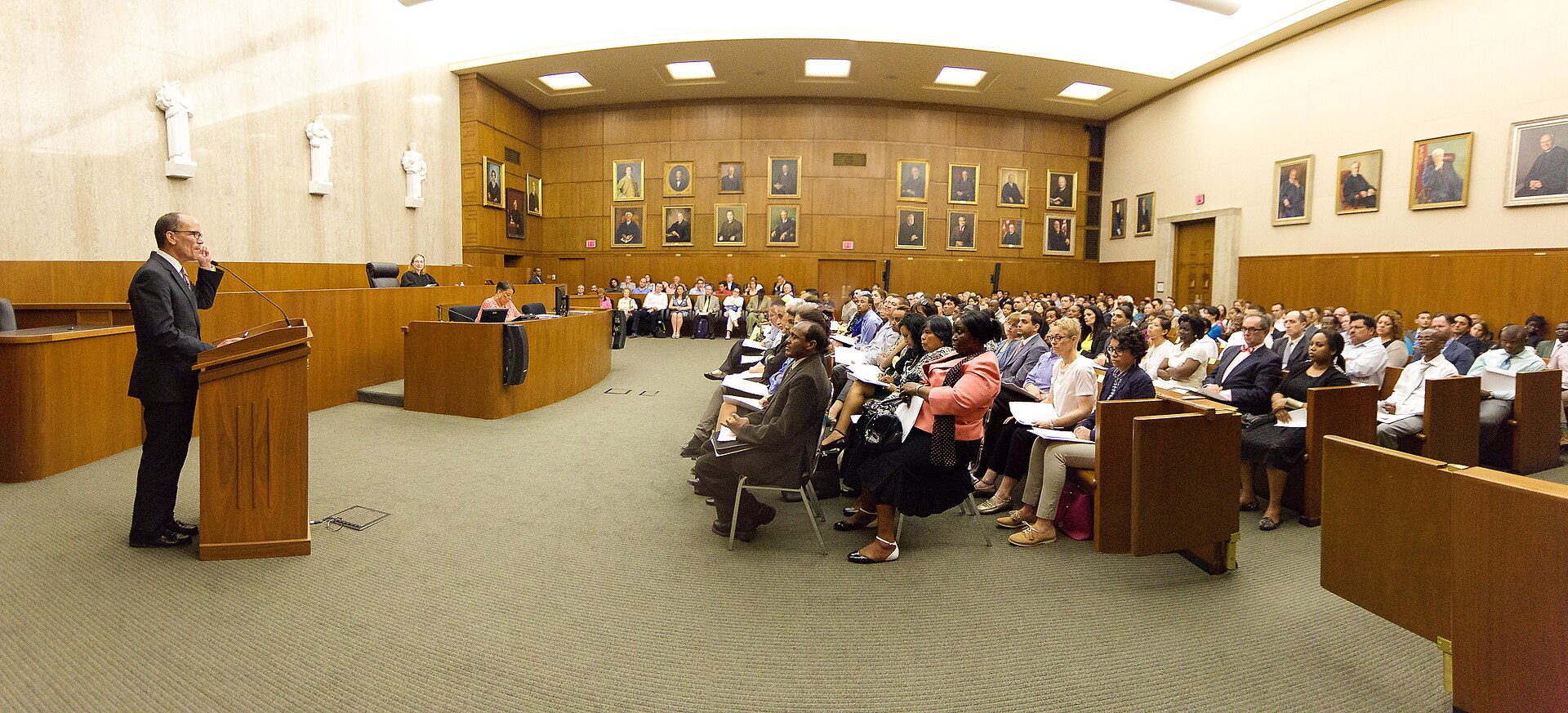
From today, two of the most-used immigration forms in the United States have a fresh version
number. The new USCIS form editions of Form I-539 and Form I-765 carry the date 09/15/26.
U.S. Citizenship and Immigration Services says it will reject applications filed on or after 15 September
2026 on any earlier edition. There is no grace period. The agency also says it will reject the new editions
if they arrive early.
Read in order
What the new USCIS form editions replace
The 09/15/26 edition of Form I-539 replaces the 08/28/24 edition. The 09/15/26 edition of Form I-765
replaces the 08/21/25 edition. Both edition dates print in the lower corner of every page. Check that corner
before you file.
Form I-539 is the application to extend or change nonimmigrant status. Form I-765 is the application for
employment authorisation. Between them they cover a very large share of routine filings: F-1 Optional
Practical Training, STEM OPT extensions, J-2 work authorisation, and status extensions for dependants.
The timing trap in the new USCIS form editions
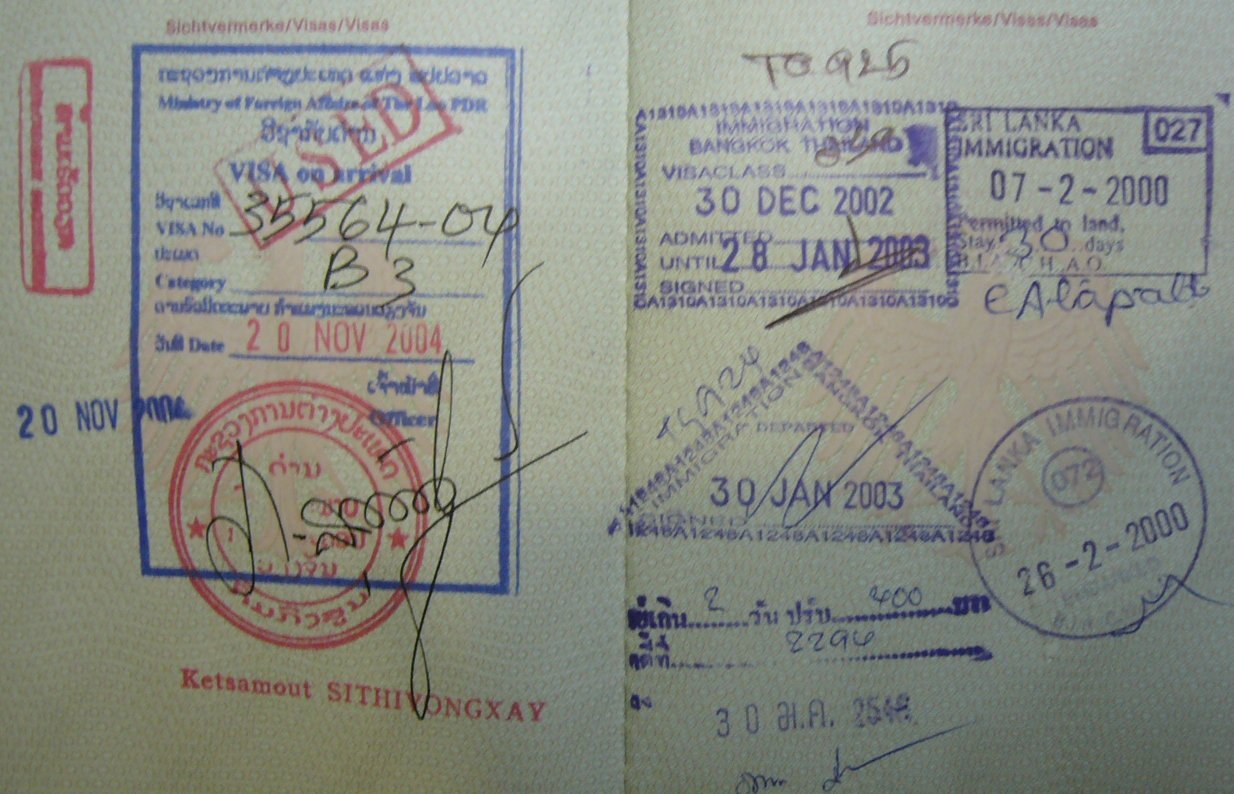
Most form updates come with a transition window. This one does not. USCIS has said the cutover is hard in
both directions, which creates a narrow trap.
File an old edition on 15 September or later and USCIS rejects it. File the new edition before 15
September and USCIS rejects that too, even though preview copies were already posted. A rejected package
comes back unfiled. Any fee you paid returns with it, and your filing date disappears.
That last point does the damage. A rejected OPT application does not hold its place in the queue. For a
student whose work start date depends on an approval arriving in time, a rejection can cost weeks.
A practical example. A master’s graduate from Vietnam posts an OPT packet on 12 September using the older
I-765. It arrives at the lockbox on 16 September. The edition was valid on the day it was posted and invalid
on the day it was received. Postmark rules matter here, so read the current filing instructions on the USCIS
form page rather than relying on an adviser’s older handout.
Why the forms changed when they did
The revision was not routine housekeeping. USCIS rewrote both forms around the DHS rule replacing
duration of status with a fixed period of admission — the rule that a federal court in Massachusetts
postponed on 14 September 2026.
That sequence leaves an awkward gap. The forms built for a framework now sit alongside an injunction
against that framework. As of publication, the USCIS alert requiring the 09/15/26 editions still stands and
has not been withdrawn. The form requirement and the substantive rule are separate things, and the court
order addressed the rule.
We set out what the court did in our report on
the duration of status
injunction issued on 14 September. Filing fees are a separate moving part again — see our coverage of
the new H-1B extension fee.
Check these before your envelope leaves
Four checks take five minutes and prevent most rejections.
Download the form fresh from the USCIS website on the day you print it. Saved copies go stale. Confirm
the edition date reads 09/15/26 in the page corner. Confirm the fee against the current fee schedule, not a
printed guide. Keep proof of postage, because the date you can evidence is the date you can argue.
If you filed in the days before 15 September on an older edition, that filing stands. The rejection rule
applies to what USCIS receives from 15 September onward.
What to expect at the filing window
Expect a rejection bulge. Hard cutovers with no grace period generate them, and the volume usually peaks
two to four weeks after the switch. Expect university international offices to reissue guidance, especially
where an earlier advisory told students to file before the deadline.
Watch for a USCIS update tying the forms to the injunction. If the litigation continues, the agency may
clarify which fixed-term questions applicants should answer. Check the official form page immediately before
filing rather than trusting any summary, including this one.
Filing questions answered
Which edition dates are now required?
The 09/15/26 editions of Form I-539 and Form I-765. They replace the 08/28/24 I-539 and the 08/21/25 I-765.
Is there a grace period for old editions?
No. USCIS says it will reject applications on earlier editions that it receives on or after 15 September 2026.
Can I file the new edition early?
No. USCIS says it will reject a 09/15/26 edition postmarked or e-filed before 15 September 2026.
What happens if my application is rejected?
USCIS returns the package unfiled with the fee. You lose the original filing date and have to send it again.
Does the court injunction cancel the form change?
The court order addressed the DHS fixed-term rule, not the form editions. The USCIS form requirement stood as of publication.
Which filings use these two forms?
I-765 covers OPT, STEM OPT and J-2 work authorisation. I-539 covers extensions and changes of nonimmigrant status, including for dependants.
Sources used
- USCIS — New Editions of Form I-539 and Form I-765; Older Editions Rejected From Sept. 15. https://www.uscis.gov/newsroom/alerts/uscis-to-publish-new-editions-of-form-i-539-and-form-i-765-older-editions-will-be-rejected-starting
- University of Washington ISS — USCIS Announces New Editions of Forms I-539 and I-765. https://iss.washington.edu/uscis-new-editions-of-forms/
- UT Health San Antonio OIS — USCIS Updates Forms I-539 and I-765 Effective September 15, 2026. https://wp.uthscsa.edu/ois/2026/08/14/uscis-updates-forms-i-539-and-i-765-effective-september-15-2026/
Verification your users actually receive.
Send one-time passcodes over WhatsApp with a single API call. Replio can generate, hash and verify the code for you.