
Never lose a customer to a missed message
An AI agent trained on your own business, replying in seconds, in any language, on every channel your customers already use.
UN Iran war crimes findings released this week say investigators found “reasonable grounds” to believe the United States committed war crimes in Iran. The findings cover two strikes from February 2026. One hit the Shajareh Tayyebeh Primary School in the southern city of Minab. The other hit a sports complex in Lamerd. Together, the strikes killed at least 178 civilians, the mission’s report says.
What the UN Iran War Crimes Findings Say
The findings come from the Independent International Fact-Finding Mission on the Islamic Republic of Iran. The UN Human Rights Council created this body in 2022. Bangladeshi jurist Sara Hossain chairs the mission. The council extended its mandate for two more years in January 2026.
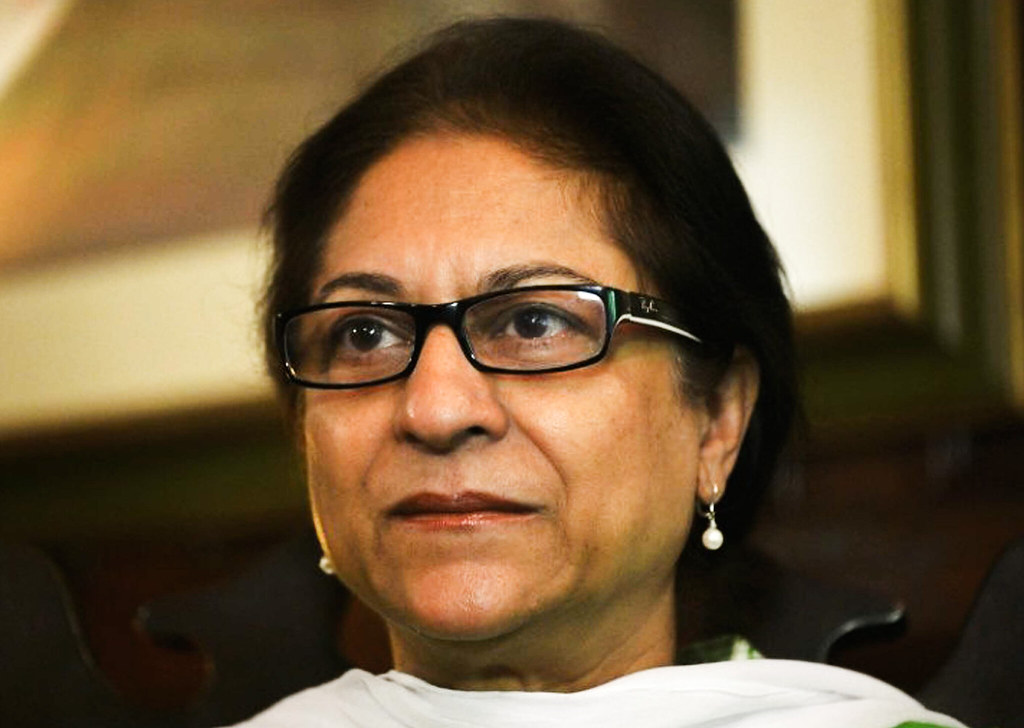
The mission submitted its report to the Human Rights Council in Geneva. It planned to present the findings to the 47-member council. The mission said it found “reasonable grounds to believe the United States committed the war crime of launching indiscriminate attacks,” resulting in civilian deaths, injuries and damage, according to a statement from the UN’s human rights office, OHCHR.
Investigators wrote that the school building in Minab “was the intended point of impact.” They ruled out an errant strike. They also ruled out collateral damage from a nearby military compound. The report is not legally binding. It could still feed into cases at international courts, since it documents witness accounts, satellite imagery and weapons analysis.
Inside the Minab School and Lamerd Strikes
The Minab strike happened around 10:30am local time on February 28. It hit Hormozgan province in southern Iran. Missiles struck the Shajareh Tayyebeh Primary School twice. The first hit the lower floor. Staff then moved children to a prayer room upstairs. A second strike hit the upper floor and killed many of them, the mission said.
The school sat roughly 72 metres from a naval facility linked to Iran’s Revolutionary Guard. A wall separated the two sites, and the school had its own entrance. Satellite imagery showed a functioning school with a playground and children’s murals. Local Iranian officials put the death toll at 156, including 120 schoolchildren and 26 teachers. Iranian state media reported 168 dead, most of them children. Weapons analysts identified fragments at the site as parts of a US Tomahawk missile, a weapon Iran does not possess.
Hours later, a separate strike hit the Shahid Haj Khalil Naimi Cultural and Sports Complex in Lamerd, Fars province. The mission said Precision Strike Missiles dispersed tungsten pellets over the complex and a nearby residential area. Local officials reported 22 deaths, including four children, and more than 100 injuries. The US has confirmed using Precision Strike Missiles in Iran for the first time in this conflict.
Why Investigators Call the Strikes ‘Reckless,’ Not Intentional
The mission did not accuse the US of deliberately targeting the school. Instead, it applied a legal standard known as recklessness. International law sometimes calls this “dolus eventualis.” This standard applies when a party knows of a serious risk of an unlawful outcome and proceeds anyway. Legal experts say this threshold, not intent, can establish the war crime of launching an indiscriminate attack.
The mission pointed to outdated targeting data as one factor behind the Minab strike. It also said the school was “readily identifiable” from the air and on satellite imagery. Other news organizations separately reported on a preliminary Pentagon investigation, which the mission cited. That investigation blamed outdated intelligence. The intelligence had wrongly linked the school to the adjacent military site.
Reed Brody, a human rights lawyer with the International Commission of Jurists, said not every violation of the laws of war rises to a war crime. But he said the mission’s recklessness finding rested on three points: stale targeting data, a building that was plainly civilian, and a wider pattern of the US scaling back safeguards meant to limit civilian harm.
How Washington and Tehran Have Responded
The US has not disputed that its forces struck the Minab school. In May, US Central Command’s Admiral Brad Cooper said preliminary Pentagon findings linked the strike to American forces. In June, President Donald Trump said “nobody” had purposefully attacked the school. The Trump administration has not released the full findings of its internal investigation into the Minab strike.
Washington does dispute responsibility for the Lamerd strike. US Central Command says the damage there matches an Iranian Hoveyzeh cruise missile. The mission rejected that. It cited weapons experts who found design differences ruling out a Hoveyzeh. Those experts instead pointed to a US-made Precision Strike Missile.
White House Deputy Press Secretary Anna Kelly rejected the report outright. She said the Human Rights Council “has accomplished nothing for human rights” for decades. She said Iran’s government is “the only party in this conflict that has committed war crimes,” citing its own crackdown on protesters and attacks in the Strait of Hormuz. The Trump administration withdrew the US from the Human Rights Council in February 2025. The State Department did not immediately respond to a request for comment from the Associated Press.
Iran has rejected the US denial over Lamerd. It points to both strikes as evidence of indiscriminate American attacks on civilians. Iranian officials have published their own casualty counts, which match the mission’s figures for both sites. Iran has separately called for international accountability over the strikes. The same UN mission, though, accused Tehran’s own security forces of crimes against humanity against protesters since 2025. It cited mass arrests, torture allegations and dozens of executions.
Neither Washington nor Israel gave the mission access to military personnel. Neither government answered the mission’s requests for information. Investigators relied instead on satellite imagery, verified video, weapons analysis and witness accounts.
Where These War Crimes Findings Go From Here
Legal experts say the report carries no automatic consequences on its own. Brody said such UN findings can still “form the basis for other proceedings.” He pointed to how past fact-finding reports fed into The Gambia’s genocide case against Myanmar. The US has withdrawn from the International Court of Justice’s general jurisdiction. Iran is also unlikely to join the International Criminal Court, since that would expose its own record to scrutiny.
Accountability will likely depend on political pressure, Brody said, not legal mechanics alone. He noted that Congress has grown more willing to press the administration as midterm elections approach. That could push the Pentagon to release its Minab findings. The mission itself urged the US and Iran to halt further violations. It also called for full reparations to victims and a lasting diplomatic end to the conflict.
Tamara News has covered the wider diplomatic backdrop to this conflict, including reporting on signals that the Iran war may be nearing an end and on a separate Pentagon watchdog review of the Iran strikes. For comparison on how war-crimes accountability has played out elsewhere, see our coverage of the war crimes sentencing of former Kosovo leader Hashim Thaci.
Frequently Asked Questions
What did the UN Iran war crimes findings actually conclude?
The mission found reasonable grounds to believe the US committed the war crime of launching indiscriminate attacks. This covers strikes on a school in Minab and a sports complex in Lamerd. Together they killed at least 178 civilians.
Did the UN accuse the US of intentionally bombing a school?
No. Investigators applied a recklessness standard. They said the US failed to verify the target properly, not that it deliberately chose to strike a school.
How has the US government responded?
The White House rejected the findings and accused the Human Rights Council of bias. The Pentagon has not released its internal investigation. The State Department did not immediately comment when the Associated Press asked.
Does the US dispute both strikes?
The US has not disputed hitting the Minab school. It denies responsibility for the Lamerd strike and blames an Iranian missile. The UN mission rejected that explanation based on weapons analysis.
Could this report lead to prosecutions?
Not directly. The report is not binding. Experts say the US and Iran’s positions outside key international courts make direct prosecution unlikely, though the findings could support other efforts.
Did the report also cover Iran’s own conduct?
Yes. The same mission said Iran’s government committed crimes against humanity against its own citizens during the 2025-2026 protest crackdown. It cited mass killings, torture, arbitrary detention and executions.
Sources
- OHCHR — Iran: Civilians trapped between extreme State repression and violations arising from devastating conflict with US, Israel, UN Fact-Finding Mission finds. https://www.ohchr.org/en/press-releases/2026/09/iran-civilians-trapped-between-extreme-state-repression-and-violations
- The Associated Press (via NPR) — U.N.-backed experts cite possible U.S. war crimes in Iran, including a school attack. https://www.npr.org/2026/09/17/nx-s1-5972934/us-iran-war-un-report-alleged-war-crimes
- Al Jazeera — United Nations says US may have committed war crimes in Iran: What it means. https://www.aljazeera.com/news/2026/9/18/united-nations-says-us-may-have-committed-war-crimes-in-iran-what-it-means
- CBS News — U.N.-backed experts allege U.S. war crimes in Iran. https://www.cbsnews.com/news/us-war-crimes-iran-possible-un/
- CNN — Deadly US strike on Iran school may have been a war crime, UN report finds. https://www.cnn.com/2026/09/18/middleeast/us-strike-iran-school-war-crime-un-intl-hnk
Verification your users actually receive.
Send one-time passcodes over WhatsApp with a single API call. Replio can generate, hash and verify the code for you.
