
Never lose a customer to a missed message
An AI agent trained on your own business, replying in seconds, in any language, on every channel your customers already use.
Typhoon Dujuan forced at least 275 flight cancellations across Tokyo’s two main airports on 21 September. As the storm brought record-threatening rainfall to the Japanese capital during a busy holiday period. The Typhoon Dujuan Tokyo flights disruption hit both Haneda and Narita. With Japan Airlines and All Nippon Airways cancelling the bulk of the affected services.
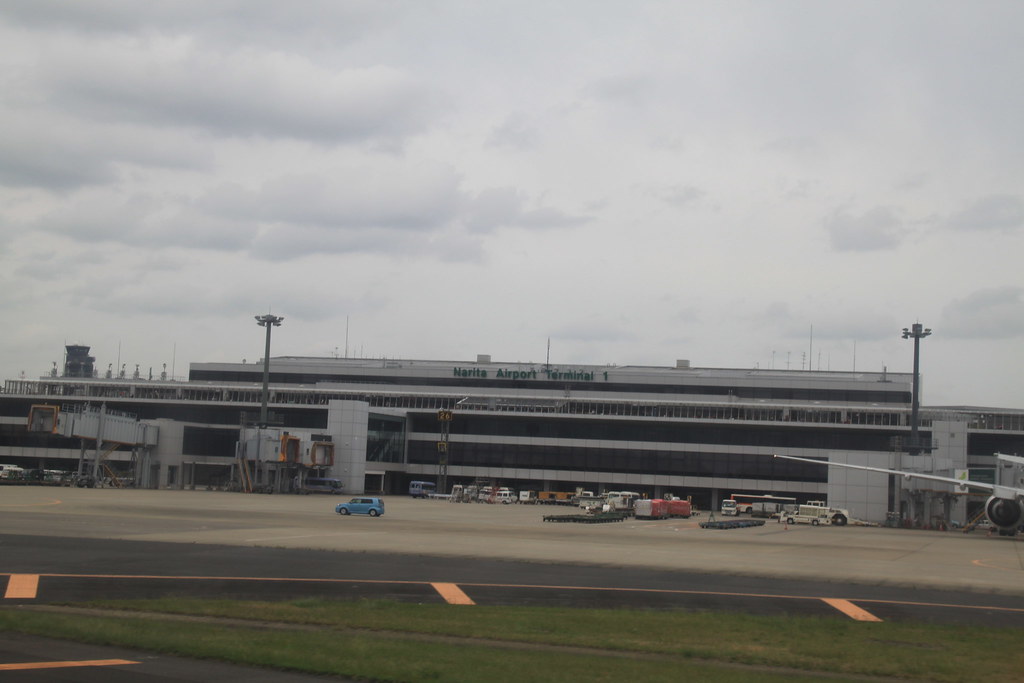
How bad the Typhoon Dujuan Tokyo flights disruption got
Japan Airlines cancelled 120 domestic flights and 15 international services. Meanwhile, all Nippon Airways cancelled 140 domestic flights as the storm approached. The Japan Meteorological Agency warned that total rainfall through Tuesday could exceed the average monthly total for September. A threshold that typically forces airlines into precautionary cancellations well before the worst of a storm actually arrives.
Typhoon Dujuan reached a central atmospheric pressure of 965 hectopascals as it neared the Japanese coast. With wind gusts up to 180 kilometers per hour. Those readings put it firmly in the range that triggers mandatory ground-stop procedures at Japan’s busiest airports.
Why the timing made this worse
The disruption landed during a five-day holiday period in Japan, a stretch when domestic leisure travel typically peaks. That timing amplified the practical impact for travelers far beyond the raw cancellation count. That is because rebooking options on already-full holiday-period flights were scarcer than they would be during an off-peak storm. International carriers including WestJet issued flexible-booking advisories for Tokyo Narita services spanning 19 to 21 September. Anticipating the disruption days ahead of the storm’s actual arrival.
Hotels and rail operators in the greater Tokyo area also reported disruption. Shinkansen services on several lines running through the storm’s path ran reduced schedules as a precaution. Compounding the travel headache for anyone attempting to route around the airport cancellations by train instead. Convenience stores and supermarkets in low-lying parts of the metro area reported temporary stock shortages as residents prepared for the rainfall warnings. A reminder that airport disruption was only one visible piece of a broader regional weather response.
How this compares with other regional storm disruptions
Typhoon season disruptions at Tokyo’s airports are not unusual. But the scale of this event, with cancellations at both Haneda and Narita simultaneously. Put it among the more disruptive storms to hit the region this year. The overlap with a national holiday period also meant knock-on effects for connecting international travelers using Tokyo as a transit hub. Not just domestic Japanese travelers.
Regional aviation trackers note that simultaneous disruption at both of Tokyo’s major airports is less common than disruption at just one. That is because haneda and Narita sit far enough apart that storms sometimes affect one more severely than the other. Dujuan’s size and track put both directly in its path. This is part of why the 275-flight tally climbed as high as it did compared with typical September storm events in the region.
Insurance industry estimates for typhoon-related travel claims typically lag the event itself by several weeks. But early assessments from travel insurers suggest this storm will generate a higher-than-average volume of claims given the holiday-period timing. Travelers whose trips were disrupted are being advised to keep all rebooking correspondence and receipts. That is because claims processing depends heavily on documentation of the specific cancellation notice each airline issued.
Foreign visitors caught in the disruption faced an added complication. Many had booked the holiday period specifically because it aligned with school breaks in their home countries, leaving little flexibility to extend a Tokyo stay by a day or two while waiting out the storm. Airport staff at both Haneda and Narita set up additional rebooking counters to handle the volume. Still, wait times still stretched past two hours at peak points during the worst of the disruption.
For travelers with flights booked through Tokyo in the coming weeks. Meteorologists note that late-September typhoon activity in the Western Pacific has been above average this year. That means a repeat disruption before the season winds down in October cannot be ruled out. Checking a carrier’s weather advisory page a day or two before departure has become standard practice for frequent Tokyo travelers this season.
What happens next for Tokyo air travel
Airlines typically resume full schedules within a day or two once a typhoon clears the immediate area. Assuming no runway or terminal damage requires longer repairs. Japan Airlines and All Nippon Airways both advised passengers to keep checking flight status directly rather than relying on a fixed resumption date. That is because post-storm schedule recovery depends on how quickly ground crews can clear standing water and resume normal ground operations at both airports.
Frequently asked questions
How many flights were cancelled because of Typhoon Dujuan?
At least 275 flights were cancelled across Tokyo’s Haneda and Narita airports on 21 September.
Which airlines cancelled the most flights?
Japan Airlines cancelled 120 domestic and 15 international flights, while All Nippon Airways cancelled 140 domestic services.
How strong was Typhoon Dujuan?
The storm reached a central pressure of 965 hectopascals with wind gusts up to 180 kilometers per hour as it neared the Japanese coast.
Why did this disruption affect so many travelers?
It coincided with a five-day holiday period in Japan, when domestic leisure travel and flight bookings were already at their peak.
When will flight schedules return to normal?
Airlines typically resume full schedules within a day or two once a typhoon clears, but passengers should check flight status directly rather than assume a fixed date.
Related coverage
- 868 Delays in a Day: What’s Fueling the US Flight Delays Surge
- A Quiet ATC Software Swap Is Snarling Flights Into Boston, Newark and Philadelphia
Sources
- The Traveler — Typhoon Dujuan Triggers 275 Flight Cancellations Across Tokyo Airports. thetraveler.org/typhoon-dujuan-triggers-275-flight-cancellations-across-tokyo-airports
- Rus Tourism News — Typhoon Dujuan Cancels 275 Flights as Tokyo Faces Record Rainfall. rustourismnews.com/2026/09/21
Verification your users actually receive.
Send one-time passcodes over WhatsApp with a single API call. Replio can generate, hash and verify the code for you.
